English
 中文简体
中文简体 Español
 عربى
عربى
On a typical aerosol filling line, the last station before carton packing is often the spray cap. A single can with a loose or leaking cap can trigger quality rejections, customer complaints, and costly returns. In practice, the aerosol spray cap is not a decorative extra. It seals the valve, protects the product during transit, and controls how the user activates the spray. Because this small component sits directly between the can and the user, it determines whether the first press feels precise, safe, and consistent.
The good news is that most cap failures are preventable. The key is to understand what an aerosol spray cap actually does, the different designs available, and the criteria that separate an acceptable cap from a problematic one.
If the cap fails, the whole aerosol package fails. A well-designed spray cap protects the valve, preserves the formulation, and makes the product easy to use.
What Are Aerosol Spray Caps and Why Do They Matter?
Aerosol spray caps are the components that cover or integrate with the valve actuator on a pressurized can. They are not merely dust covers; they are functional interfaces that control spray direction, dosage, and safety.
There are two main reasons why this small component matters so much. First, the cap protects the valve stem from accidental damage during handling and shipping. Without a proper cap, even a minor bump can bend the stem or dislodge the actuator, making the product unusable. Second, the cap controls how the user interacts with the product. For safety-critical applications such as self-defense sprays or fire extinguishers, the cap must deliver a precise activation while preventing accidental discharge.
The practical impact of a poor cap choice is visible in the field: leaky cans, blocked nozzles, inconsistent spray patterns, and consumers who cannot open the product. These failures often trace back to an oversized or undersized cap, an incompatible plastic material, or insufficient sealing force.
Key Types of Aerosol Spray Caps for Different Applications
Not all spray caps are the same. The selection depends on the valve type, the product formulation, and the intended user experience. Below is a quick comparison of the main cap families used in aerosol packaging.
| Cap Type | Typical Applications | Critical Design Points |
|---|---|---|
| 1-inch aerosol can valve spray cap | Air fresheners, personal care | Fits standard 1-inch valve cups; prevents dust and accidental actuation |
| Push-pull cover nozzle | Perfume, automotive products | Requires positive push-pull action; child-resistant option |
| Actuator cap with integrated nozzle | Insecticides, self-defense sprays | Determines spray pattern and droplet size |
| Fire extinguisher aerosol cap | Portable extinguishers | Must withstand pressure and chemical attack; includes ergonomic handle |
| Metered spray cap | Pharmaceutical inhalers | Ensures exact dosage per actuation |
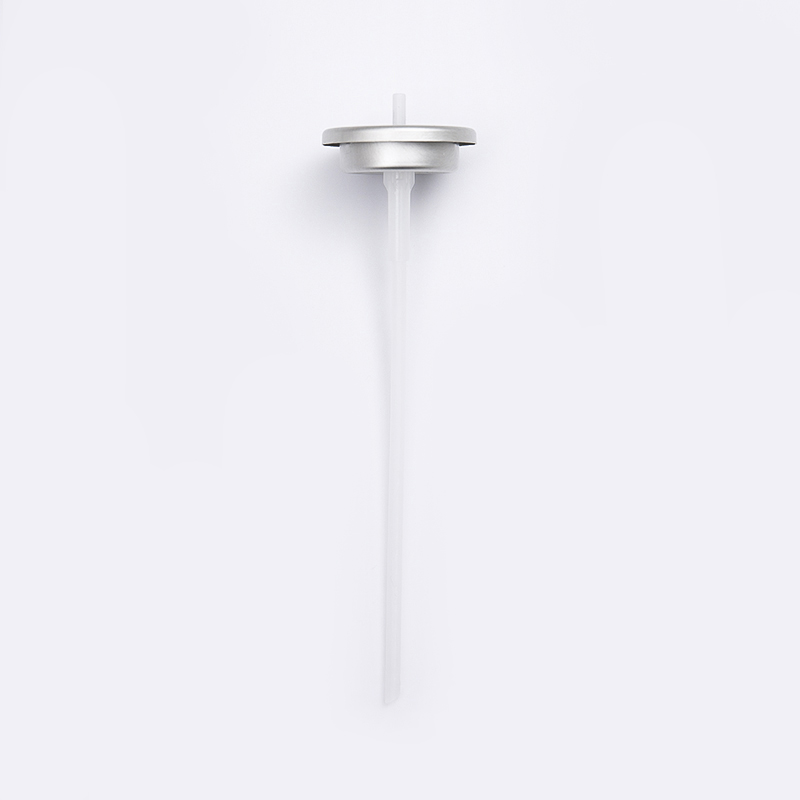
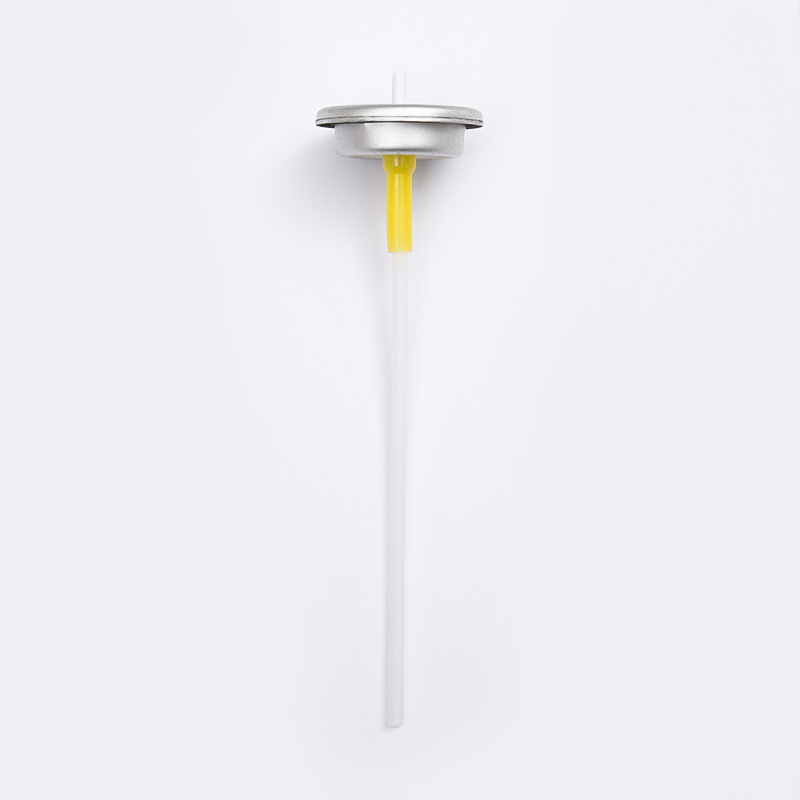
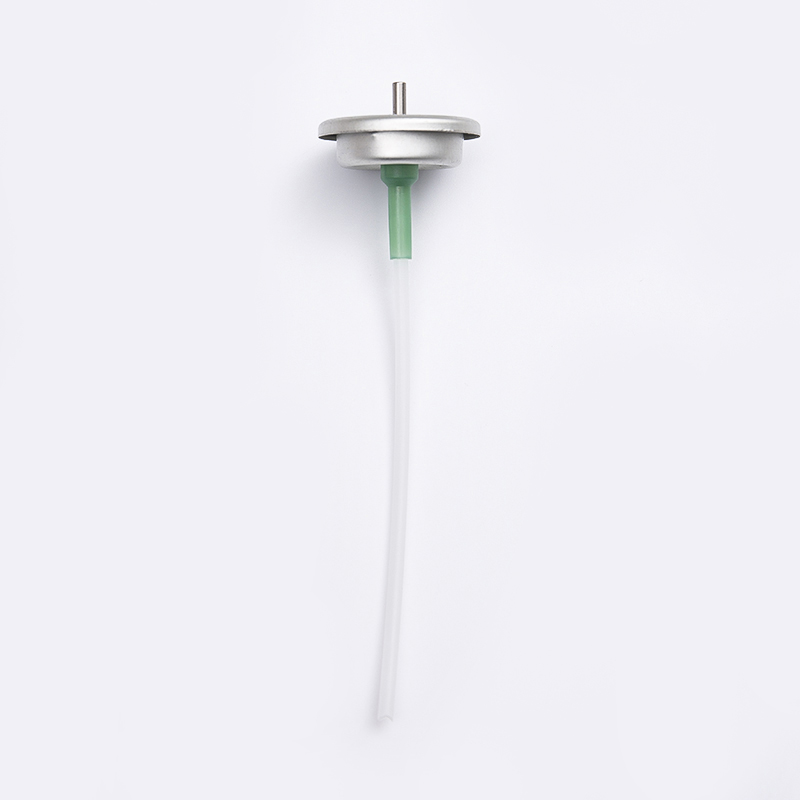
For standard one-inch cans, a simple and cost-effective option is the aerosol can valve spray cap. It seals the valve and protects the nozzle during shipping, which is critical for air freshener and household products that rely on a clean spray path.
 Standard One-Inch Aerosol Can Valve Spray CapThis cap seals and protects the valve during shipping, ensuring a clean spray path for air fresheners and household products. Made from corrosion-resistant materials, it provides stable performance and prevents leakage.View Product →
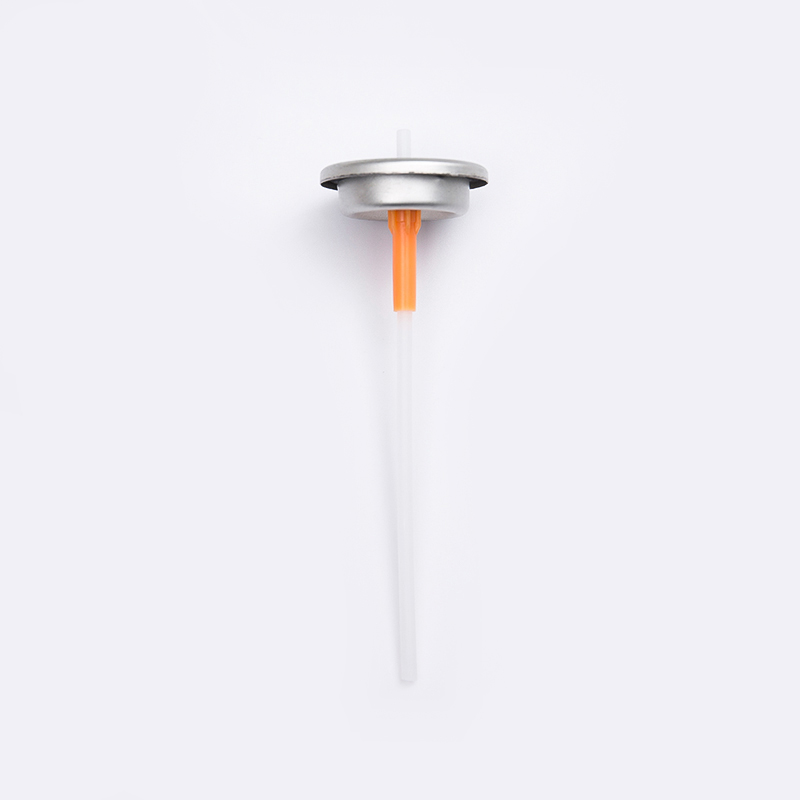
When a child-resistant or accidental-spray prevention feature is needed, a plastic push-pull cover nozzle is a common choice. This design requires a deliberate push and pull motion, making it well suited for personal defense or automotive applications where inadvertent activation is a concern.
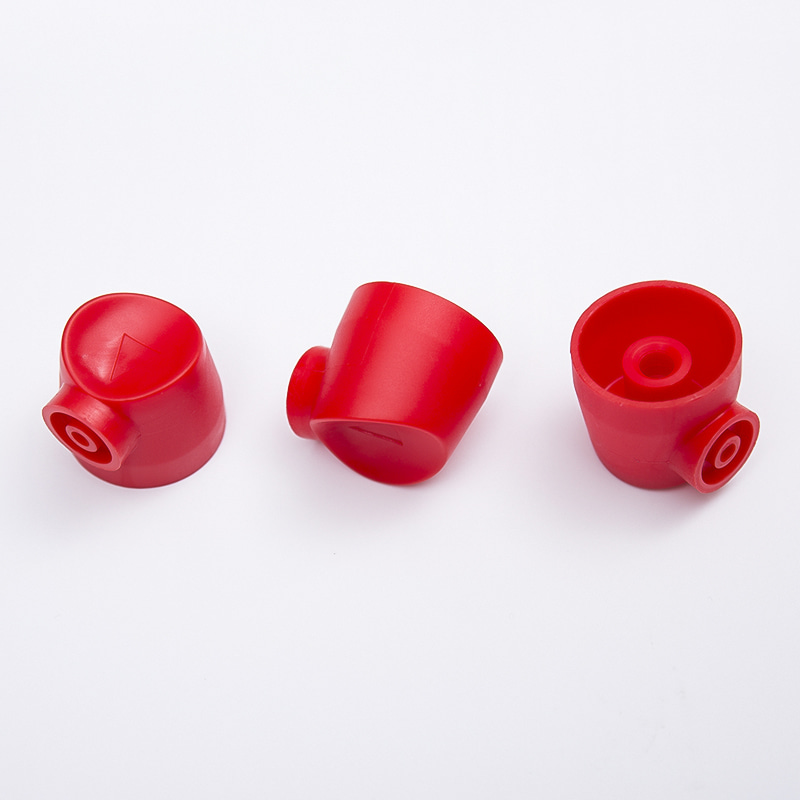 Push-Pull Cover Nozzle for Aerosol ActuatorsWith a 1-inch PP/PE construction, this nozzle offers a push-pull cover for easy sealing and child resistance. It supports multiple spray modes and is suitable for applications like personal defense or automotive use.View Product →
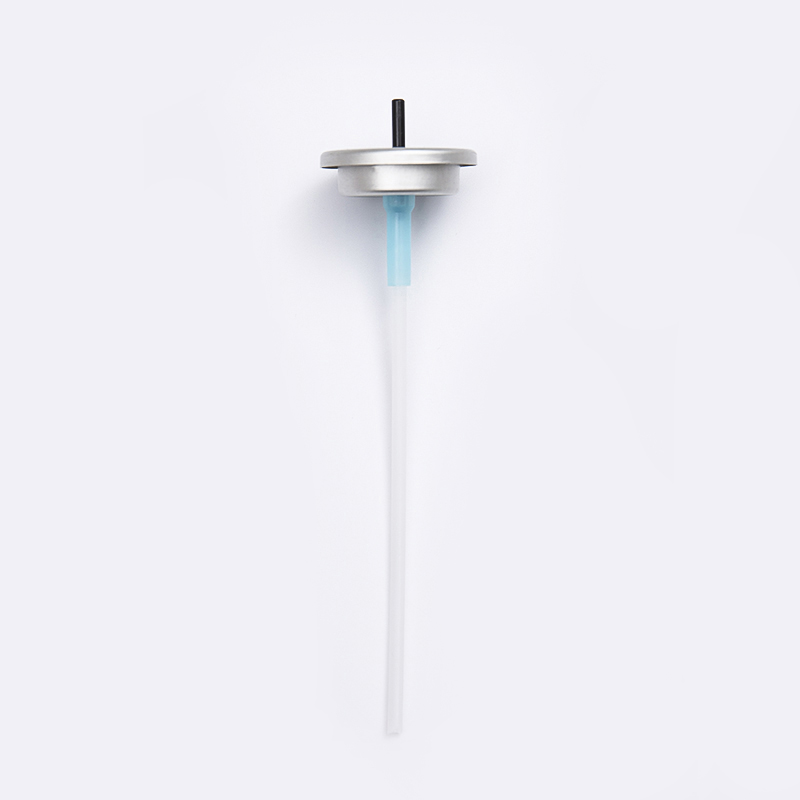
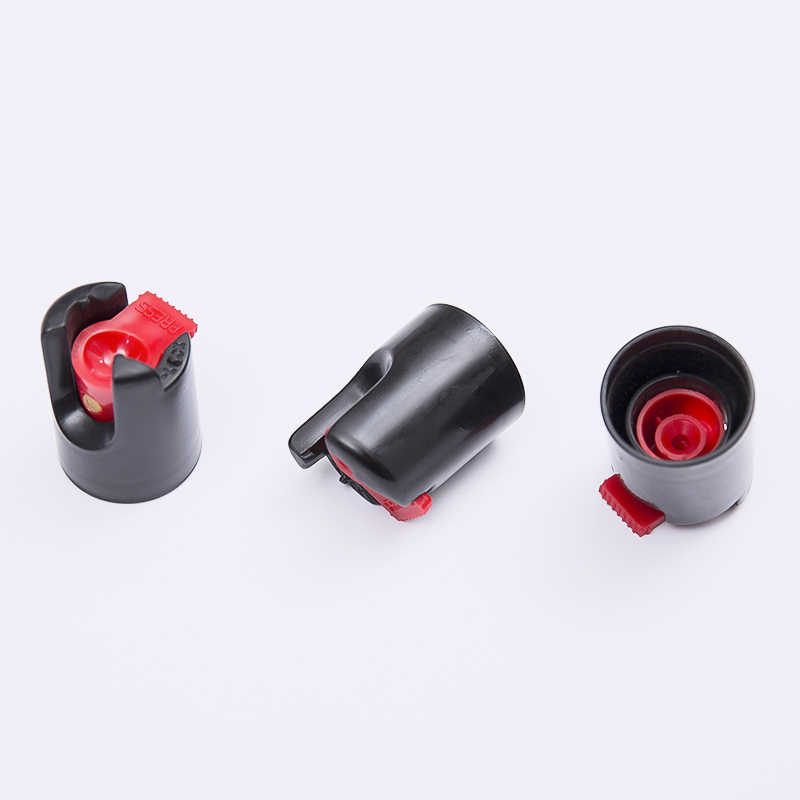
For self-defense products, a pepper spray actuator black cover provides a discrete and reliable actuation interface. The black cover hides the nozzle until the user is ready to deploy the product, and it helps maintain consistent spray geometry even after repeated use.
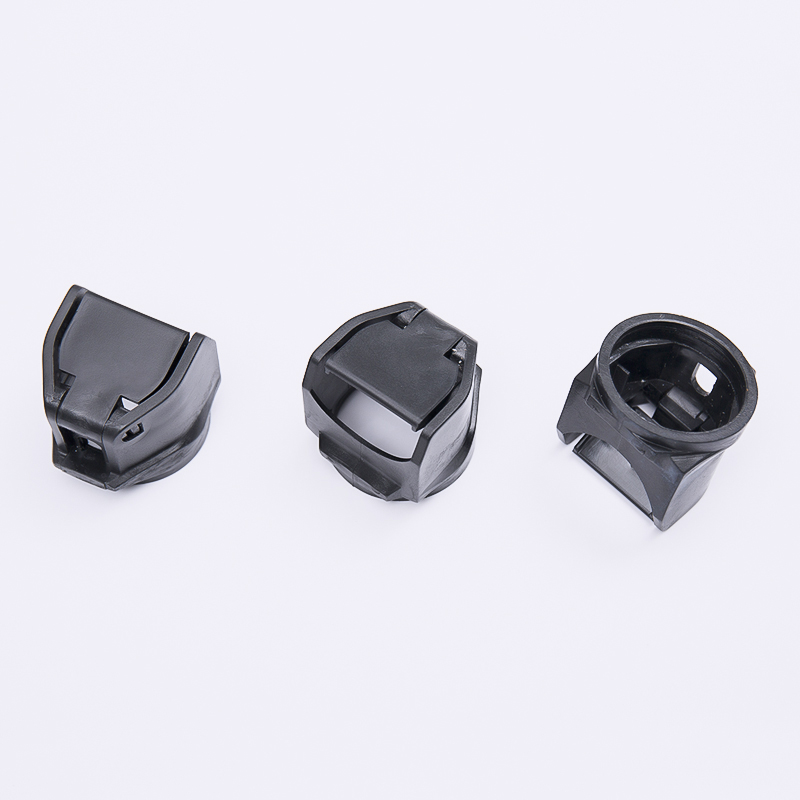 Black Actuator Cover for Pepper SprayDesigned for the ZW-2 1-inch pepper spray actuator, this black cover provides a tight seal and protects the nozzle. Its durable material resists chemicals and wear, ensuring reliable actuation and preventing accidental discharge.View Product →
How to Choose the Right Aerosol Spray Cap: Materials, Fit, and Tolerances
Choosing the right cap starts with material selection. Polypropylene (PP) and polyethylene (PE) are the two most common polymers used for aerosol caps. PP offers better chemical resistance and higher stiffness, while PE provides more flexibility and better sealing under low temperatures. The decision should be based on the propellant and solvent in your formulation. Strong solvents can stress-crack cheaper materials, so testing is mandatory before mass production.
Fit and tolerances are equally important. A cap must engage with the valve stem or actuator without excessive play. For a 1-inch valve cup, the internal diameter of the cap is typically designed to snap onto the cup with a controlled interference fit. The common tolerance range is 0.05–0.10 mm. If the gap is too large, the cap may become loose during storage; if it is too tight, the cap can crack or make the valve difficult to actuate.
For metering applications, the orifice size and internal geometry of the cap determine the spray angle, droplet size, and dose rate. A 0.5 mm orifice may produce a fine mist, while a 0.8 mm orifice produces a wider cone. You should request a spray pattern test with your actual product formulation, not just water, because viscosity and surface tension change the results.
Real-World Applications and Industry Requirements
Each end-use segment places different demands on the aerosol spray cap.
- Air fresheners and deodorants require caps that maintain a consistent spray path without clogging. The cap's interior should be free of mold flash and burrs, as these can deflect the spray and cause a wasteful or uneven mist.
- Perfumes and colognes need precise metering and a fine, even mist. Here, the cap often includes an actuator that is color-matched to the bottle, and the fit tolerance must be extremely tight to prevent fragrance loss.
- Fire extinguishers demand aerosol caps that can handle high internal pressure and aggressive chemical agents. A fire extinguisher cap must be designed with robust materials and often includes a handle that allows the user to actuate the valve quickly in an emergency.
- Self-defense sprays prioritize fast activation and accidental-discharge prevention. The cap must offer a clear tactile feedback and a reliable locking mechanism so that the user can deploy the product confidently while avoiding accidental sprays in a pocket or purse.
In regulated industries, such as pharmaceuticals or fire safety, the supplier must provide traceability and, when required, documentation for material compliance. This is not an optional extra; it is a baseline for long-term sourcing.
What to Look for in a Reliable Aerosol Spray Cap Supplier
A cap is only as good as the production line that makes it. When evaluating a supplier, start with their mold development capability. Can they adjust the cap design to fit a specific valve actuator, or do they only offer standard catalog items? The ability to modify dimensions and materials quickly is a strong indicator of engineering maturity.
Secondary processes matter too. Look for automated assembly lines that ensure consistent dimensional control, and inspect whether the factory performs regular cavity checks and cap-sorting tests. A well-run plant should have clear systems for separating good and defective parts, usually through vision-inspection stations or mechanical gauging.
Before you sign a contract, it is wise to review how to identify reliable aerosol valve manufacturers. This will help you ask the right questions about quality control, delivery performance, and after-sales support. You should also check the supplier's overall product range. A manufacturer that produces the full valve, actuator, and cap set is often better positioned to solve compatibility issues than one that only supplies one component. Our product range covers valves, actuators, and caps for a wide range of aerosol applications, so review our complete range when you are evaluating a partner.
Choosing the right aerosol spray cap requires balancing functionality, material compatibility, cost, and reliability. A cap that performs flawlessly in the lab may fail in real storage or cold-weather conditions. By focusing on the cap's fit, material, and supplier capabilities, you can avoid costly quality issues and keep your product ready for the shelf.