English
 中文简体
中文简体 Español
 عربى
عربى
Why the Aerosol Valve Is the Most Overlooked Component in Aerosol Packaging
Most procurement teams spend weeks comparing can bodies, coatings, and actuator colors, yet the single part that determines whether a product sprays consistently for its entire shelf life is often reviewed last. The aerosol valve regulates flow rate, spray pattern, and internal pressure release, and a poorly matched valve can cause clogging, inconsistent dosing, or premature can failure long before the formulation itself is at fault.
For buyers sourcing at scale, the valve is not a commodity part that can be swapped freely between suppliers. Orifice diameter, stem design, gasket material, and dip tube compatibility all interact with the propellant and product viscosity. A mismatch shows up months later as customer complaints, not as a failed incoming inspection.
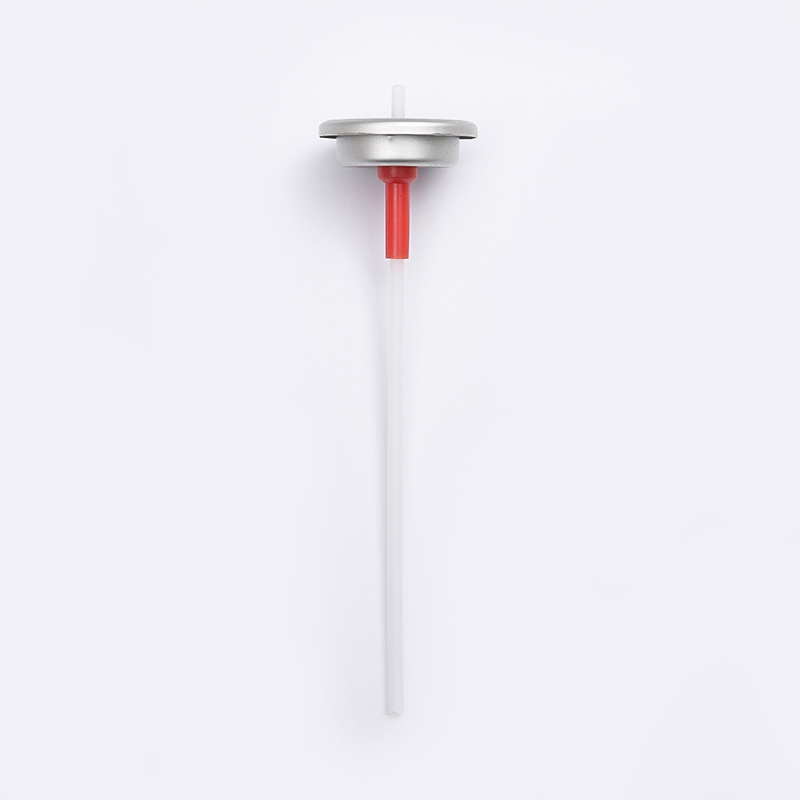
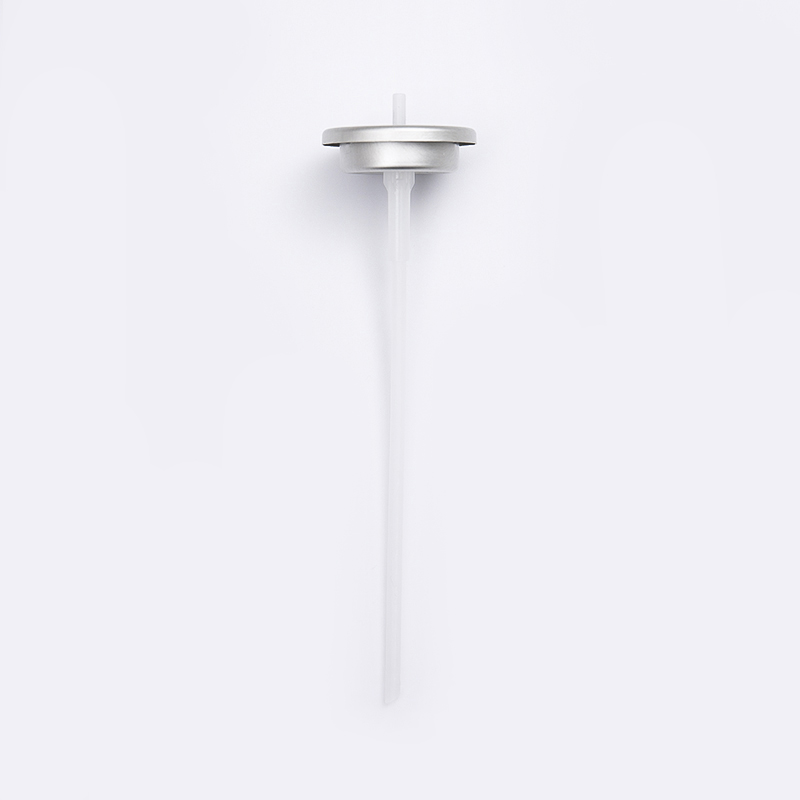
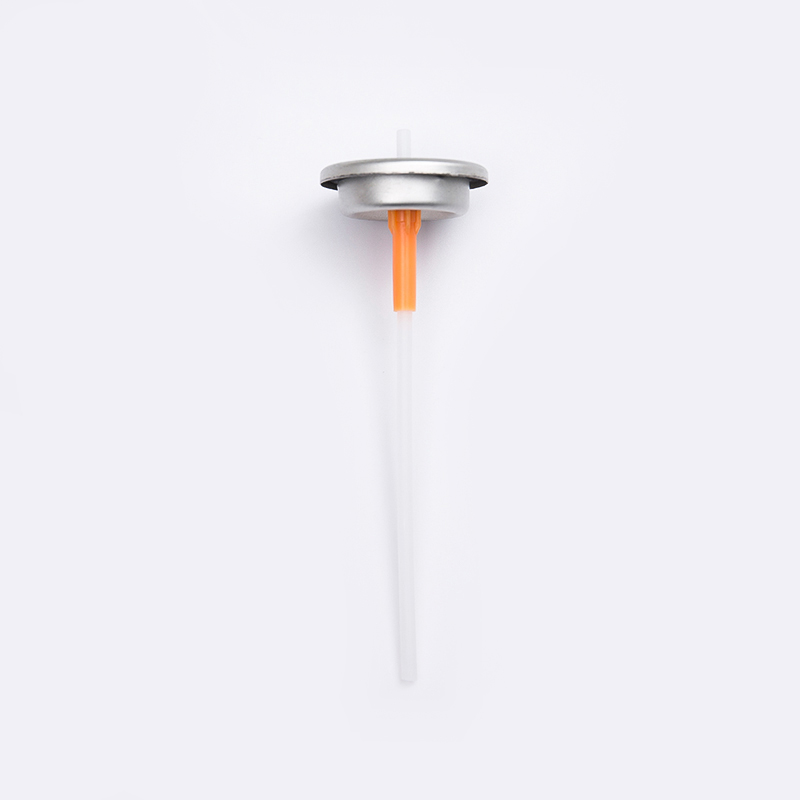
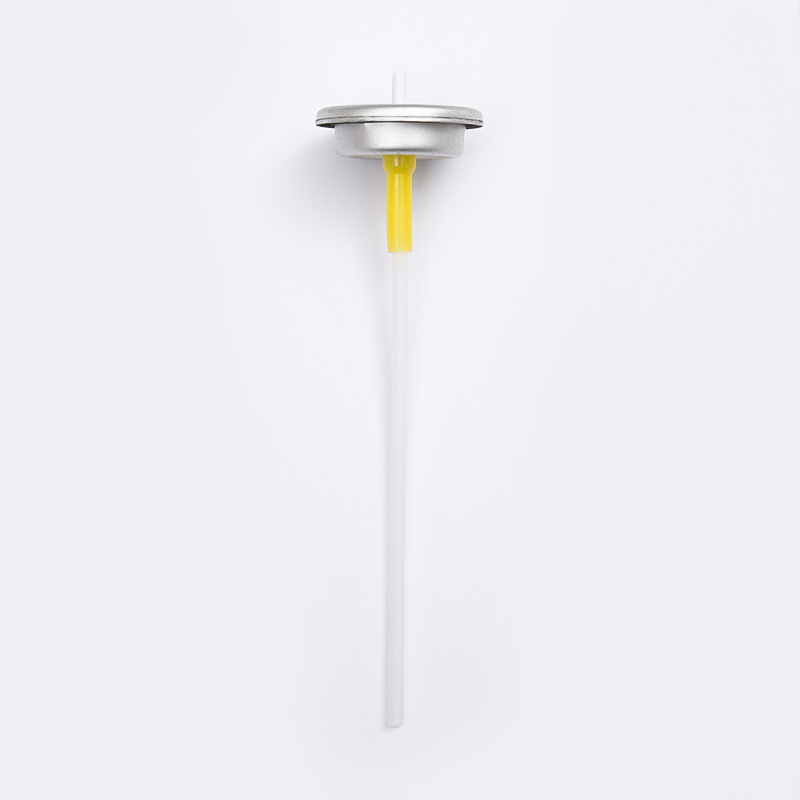
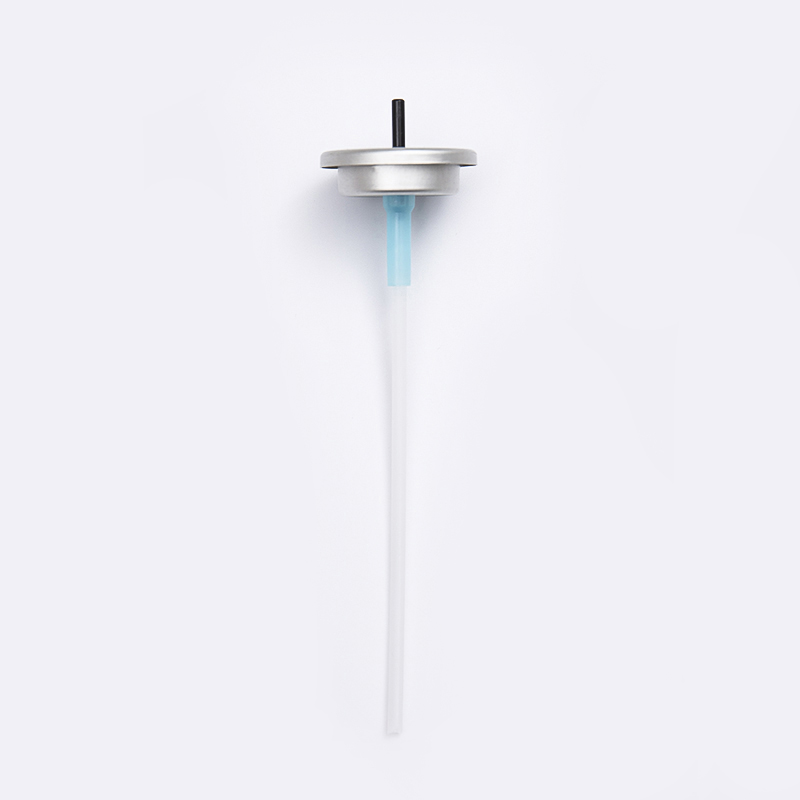
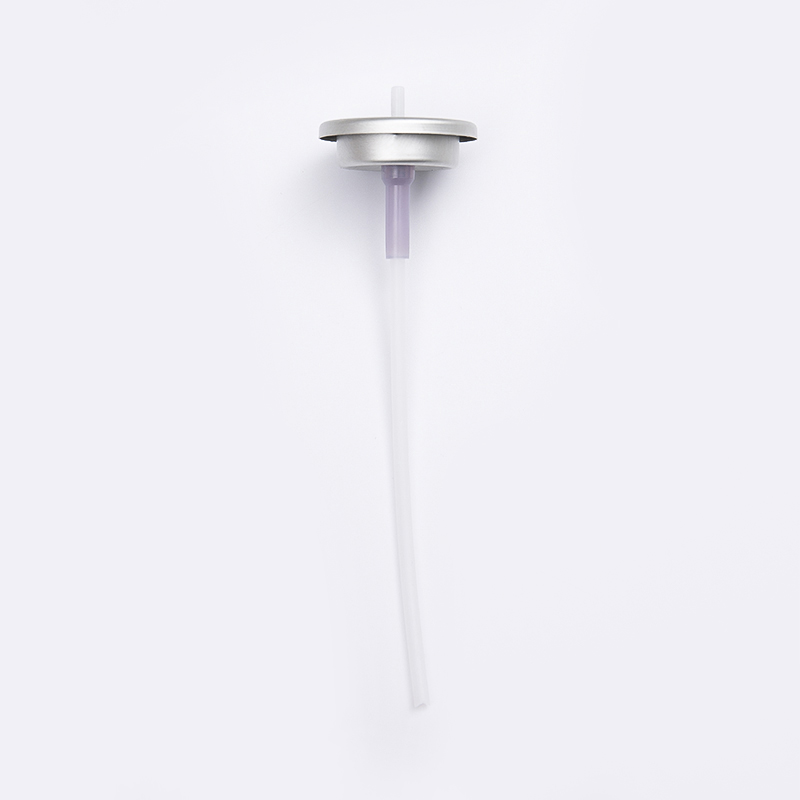
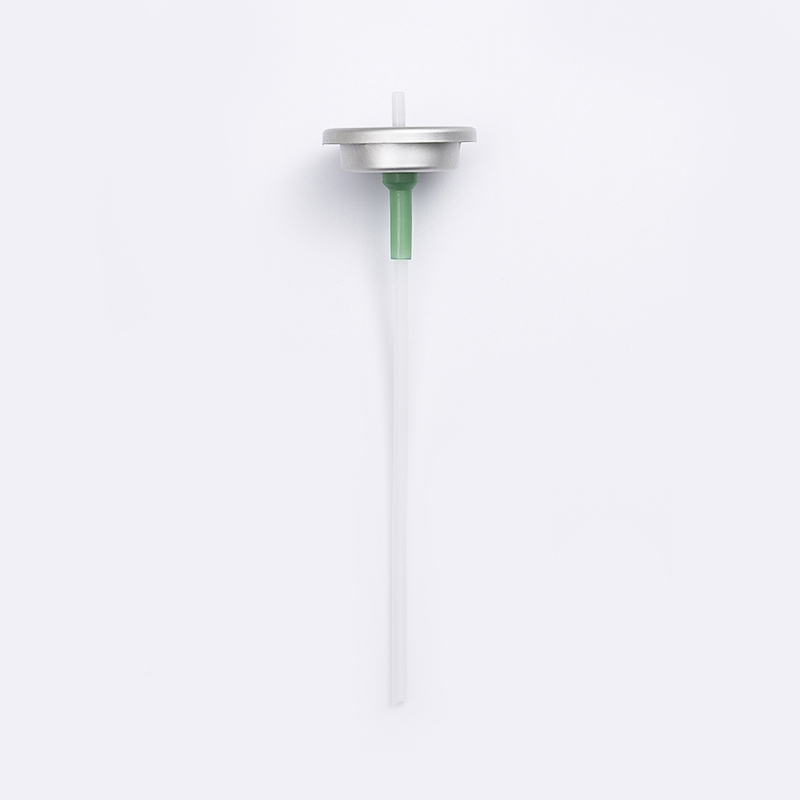
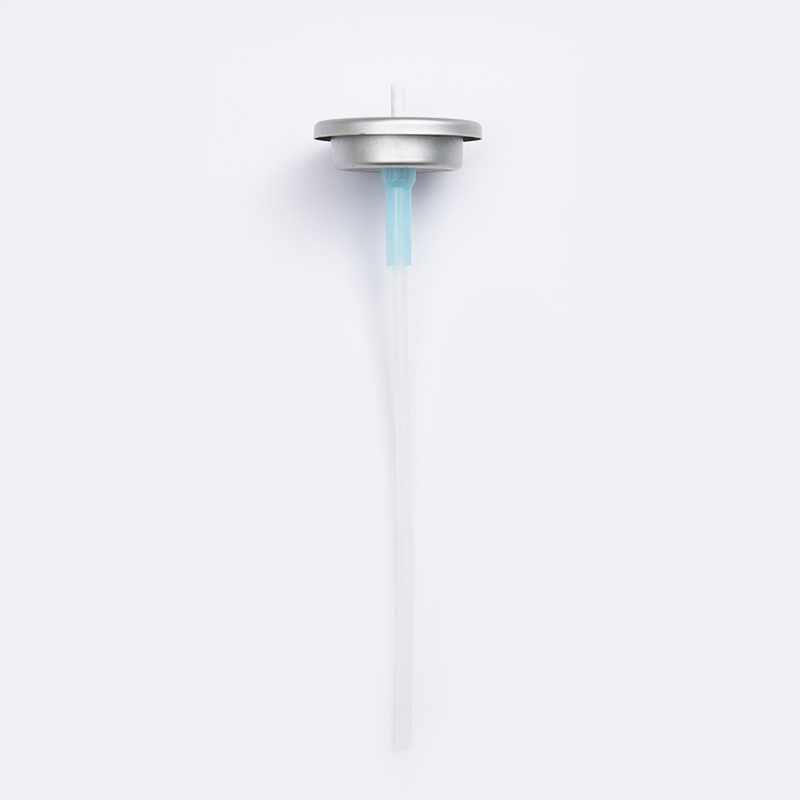
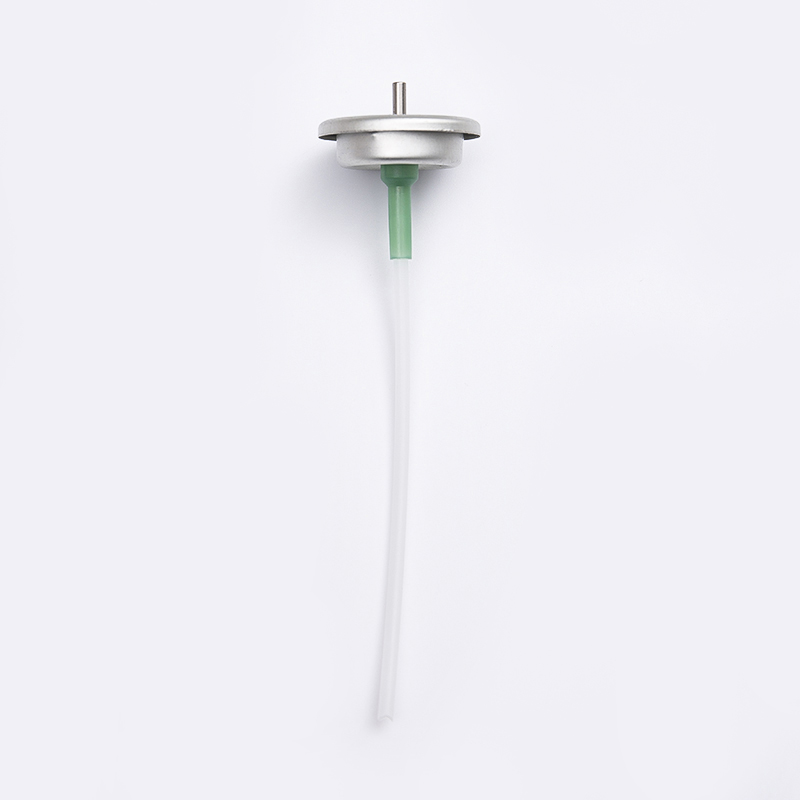
A precision aerosol valve assembly showing the stem, housing, and gasket components that regulate spray output.
This guide breaks down what separates dependable aerosol valve manufacturers from suppliers that only look reliable on a spec sheet, and how procurement teams can structure evaluation, quality control, and customization requests to avoid costly rework.
Core Components and Where the 4.60 Valve Core Series Fits
An aerosol valve assembly is typically built from five interacting parts: the mounting cup, the valve housing, the stem, the spring, and the gasket. The valve core series designation, such as the 4.60 series referenced in many technical datasheets, generally defines the stem orifice diameter and the associated flow characteristics for a given propellant-to-product ratio.
Buyers frequently request the 4.60 series when the formulation requires a moderate flow rate suited to personal care sprays, air fresheners, and light industrial coatings. Below is a general reference table summarizing how this class of valve core typically compares to adjacent series on core technical parameters.
| Parameter | 4.60 Series (Typical) | Lower Flow Series | Higher Flow Series |
|---|---|---|---|
| Orifice Diameter | Moderate | Narrow | Wide |
| Typical Application | Personal care, air care | Fine mist cosmetics | Industrial coatings |
| Flow Consistency Tolerance | Tight | Tight | Moderate |
| Common Test Method | Spray rate weighing | Spray rate weighing | Spray rate weighing |
The takeaway for procurement is that the series number alone does not guarantee compatibility. Two manufacturers can label a valve as 4.60 series while holding different internal tolerances, which is why sample testing against your own formulation remains a required step, not an optional one.
Key Criteria for Evaluating Aerosol Valve Manufacturers
When screening aerosol valve suppliers, buyers tend to weigh five factors most heavily during initial due diligence. The chart below reflects a general weighting pattern used by mid-size and large aerosol brand owners when scoring candidate manufacturers during supplier onboarding.
Quality certification consistently ranks highest because it acts as a proxy for process discipline across every other category. A manufacturer that maintains documented calibration records for spray-rate testing equipment is far less likely to ship inconsistent orifice tolerances, regardless of what their quotation promises.
Questions to Ask Before Placing a Trial Order
- What internal defect rate do you track for stem-to-housing fit, and how is it measured
- Can you provide spray rate test data for the last three production batches of a comparable valve
- What is the standard lead time from purchase order to sample shipment
- Do you maintain buffer stock for common valve core sizes or produce strictly to order
- What tooling changes are required to adjust orifice diameter, and what is the associated cost
Quality Control Benchmarks Across the Supply Chain
Reliable manufacturers do not rely on a single final inspection to catch defects. Instead, defect rates should decline in a predictable curve as the product moves through raw material intake, sub-assembly, pre-shipment inspection, and final batch release. The line chart below illustrates a typical defect rate reduction pattern reported by manufacturers with mature quality systems.
A supplier whose defect rate stays flat or increases between the sub-assembly and pre-shipment stages is usually a sign that inspection is happening too late in the process, often only at final packing. This pattern tends to correlate with higher rates of field complaints even when the final shipment technically passes inspection.
Documentation to Request During Audits
Ask for incoming raw material certificates for the polymer and metal components used in the stem and housing, spray rate test logs tied to specific production lots, and a record of corrective actions taken after any past customer complaint. Manufacturers that hesitate to share lot-level traceability documents often lack the internal systems to produce them at all.
Comparing Sourcing Models: Regional Versus Global Aerosol Valve Suppliers
Brand owners generally choose between sourcing from a nearby regional manufacturer or working with a larger global supplier that ships internationally. Neither model is universally better; the right choice depends on order volume, formulation complexity, and how much customization the product requires. The radar chart below compares the two models across five practical dimensions on a relative scale.
Regional manufacturers tend to score higher on lead time and communication ease, since time zone overlap and shorter shipping distances shorten the feedback loop for sample revisions. Global suppliers with larger production footprints often edge ahead on cost efficiency and raw production capacity, particularly for buyers ordering in the tens of millions of units annually.
Customization flexibility varies less by region and more by whether the individual manufacturer maintains in-house tooling capability. A spray can manufacturer that outsources its tooling changes to a third party will almost always add weeks to any orifice or spring tension modification, regardless of where the factory is located.
Procurement Workflow: From Request for Quote to Delivery
Buyers who skip stages in the sourcing workflow tend to discover compatibility problems only after mass production has started. A structured process, even a compressed one, catches most valve-related issues before they reach finished goods.
The sample approval stage is where most avoidable disputes originate. A sample tested only with water instead of the actual product formulation will not reveal how the gasket material reacts to solvents or how spray pattern shifts under real propellant pressure. Buyers should insist on testing samples with the actual finished formulation, or a close chemical analog, before signing off.
Typical Timeline Ranges
| Stage | Typical Duration | Common Risk |
|---|---|---|
| Technical Review | 3 to 7 days | Incomplete formulation data shared |
| Sample Production | 1 to 3 weeks | Wrong test medium used |
| Mass Production | 3 to 8 weeks | Tooling drift between batches |
| QC and Shipment | 1 to 2 weeks | Inconsistent final inspection sampling |
Common Technical Customization Requests From B2B Buyers
Not every project requires a fully custom valve, but certain adjustments come up repeatedly across personal care, household, and industrial aerosol categories. Understanding which modifications are routine versus which require new tooling helps set realistic expectations during negotiation.
Valve cup diameter and dip tube length modifications are among the most requested changes because they are directly tied to the can body dimensions and product viscosity rather than the valve mechanism itself. These adjustments typically require minimal retooling compared to changing the orifice geometry, which affects spray pattern and can require new stem molds entirely.
Practical note: Requesting a corrosion-resistant coating on internal valve components adds meaningful cost only when the formulation contains high concentrations of active ingredients known to degrade standard metal springs. For low-corrosivity formulations, the added cost rarely justifies the change.
Managing Risk in B2B Aerosol Component Sourcing
Even with a strong evaluation process, risk does not disappear once a supplier is selected. Ongoing risk management typically covers three areas: batch-to-batch consistency, supply continuity, and communication clarity during scale-up.
- Request periodic re-testing of spray rate and actuation force on production batches, not only on initial samples
- Maintain a secondary qualified supplier for high-volume valve types to avoid single-source dependency
- Set clear tolerance ranges in the purchase agreement rather than relying on verbal assurances during sampling
- Build in a buffer lead time for the first two to three production runs while the relationship stabilizes
Buyers who treat the first several production cycles as a monitoring period, rather than assuming consistency from the first successful sample, catch drift early enough to correct it without disrupting downstream filling schedules.
Frequently Asked Questions
Q1: How long does it typically take to qualify a new aerosol valve manufacturer?
A full qualification cycle, including technical review, sampling, and a pilot production run, generally takes between six and twelve weeks depending on how much customization is required and how quickly formulation data is shared.
Q2: Can the same valve core series work across different propellant types?
Not always. Flow characteristics are calibrated against a specific propellant pressure range, so switching propellant types can require a different orifice diameter even within the same nominal series designation.
Q3: What is the most common cause of valve-related field complaints?
Inconsistent spray rate between production batches is the most frequently reported issue, usually traced back to tooling wear or insufficient in-process sampling rather than a design flaw in the valve itself.
Q4: Should sample testing use the actual product formulation or a substitute?
Testing with the actual formulation, or a chemically close analog, is strongly recommended. Water-only testing can miss gasket compatibility issues and pressure behavior differences caused by the real propellant and active ingredients.
Q5: How much does customization typically extend the production timeline?
Minor adjustments such as dip tube length or cup diameter usually add one to two weeks. Orifice geometry changes that require new stem tooling can add four to eight weeks depending on the manufacturer's in-house tooling capability.