English
 中文简体
中文简体 Español
 عربى
عربى
Why Aluminum Has Become the Preferred Substrate for Cosmetic Aerosols
Formulators working with pressurized cosmetic products face a narrow set of constraints: the container must resist internal pressure, remain chemically inert against emulsions and solvents, and hold its shape through repeated actuation cycles. Aluminum meets these requirements more consistently than tinplate or coated steel in single-piece constructions, which is why it dominates the mid-to-premium tier of cosmetic dispensing formats.
A one-piece aluminum body eliminates the side seam found in three-piece steel cans, removing a common site for corrosion and leakage. This matters most with formulas containing alcohol-based carriers, propellant blends, or active ingredients with a low pH, where seam welds and internal coatings are put under continuous chemical stress.
Beyond mechanical performance, aluminum accepts a wider range of decoration methods, including direct printing, shrink sleeving, and anodized finishes, which is why it remains the default choice for personal care lines that need shelf differentiation without adding a labeling step downstream.
Understanding One-Inch Valve Compatibility with Aluminum Containers
The one-inch valve cup diameter is the most widely used mounting standard in cosmetic and personal care aerosols, but compatibility is not automatic. The curl geometry at the top of the aluminum can, the cup depth, and the gasket seating surface all need to be manufactured to matching tolerances, or the crimped seal will leak propellant slowly over the product shelf life.
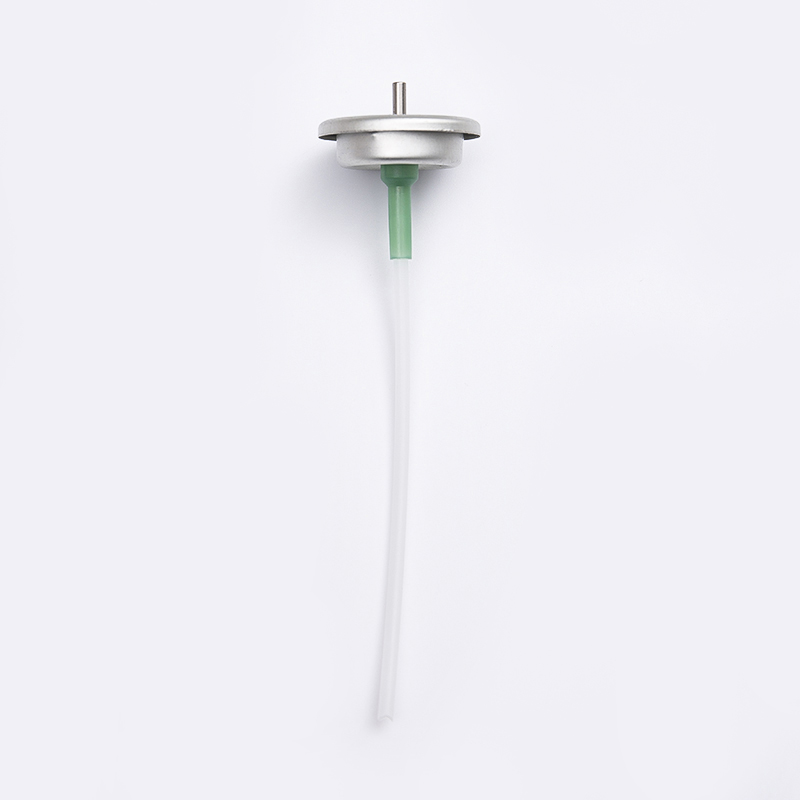
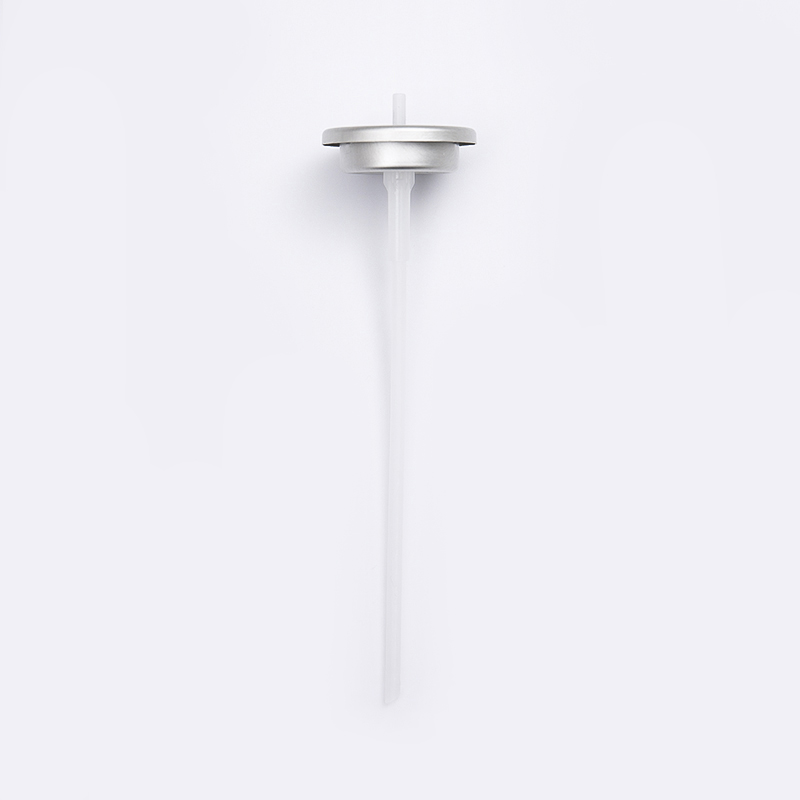
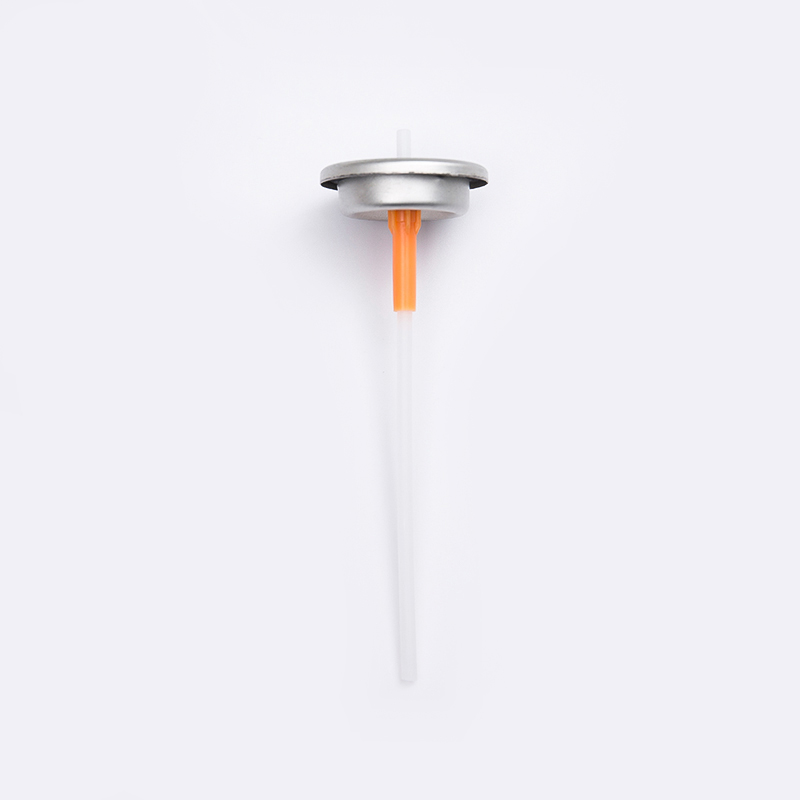
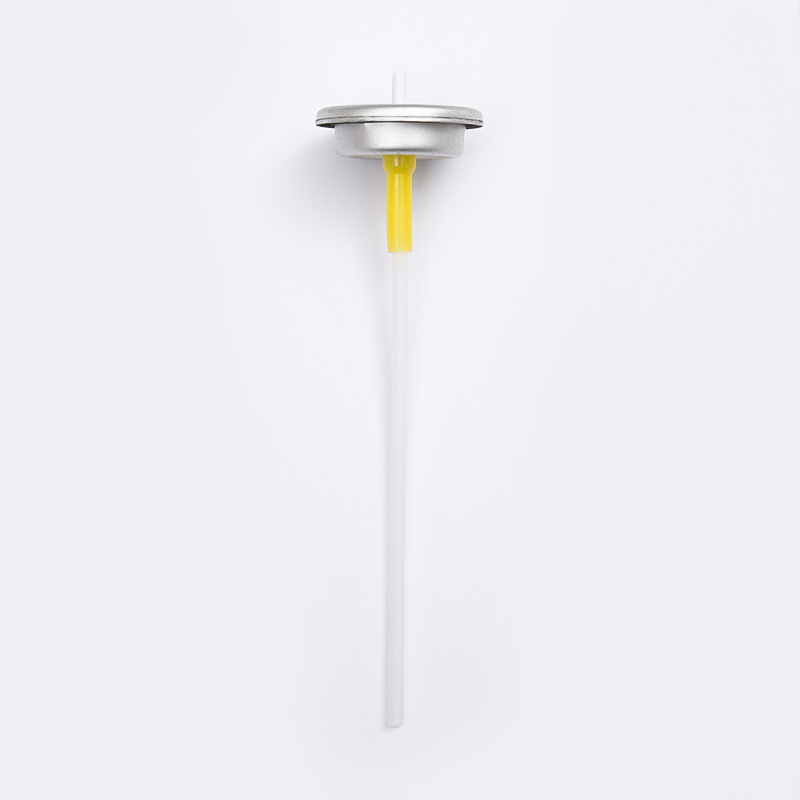
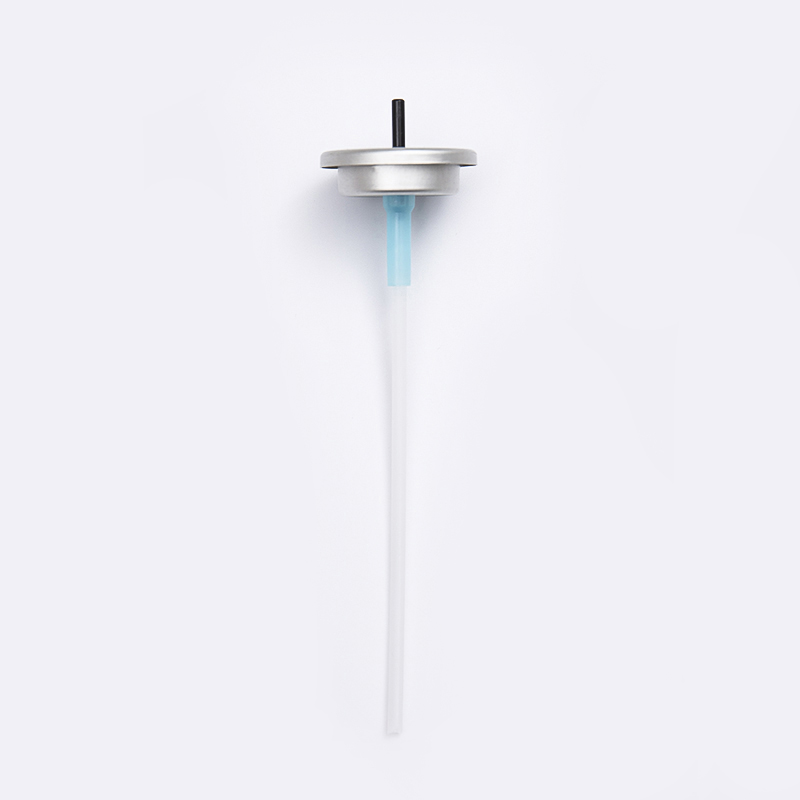
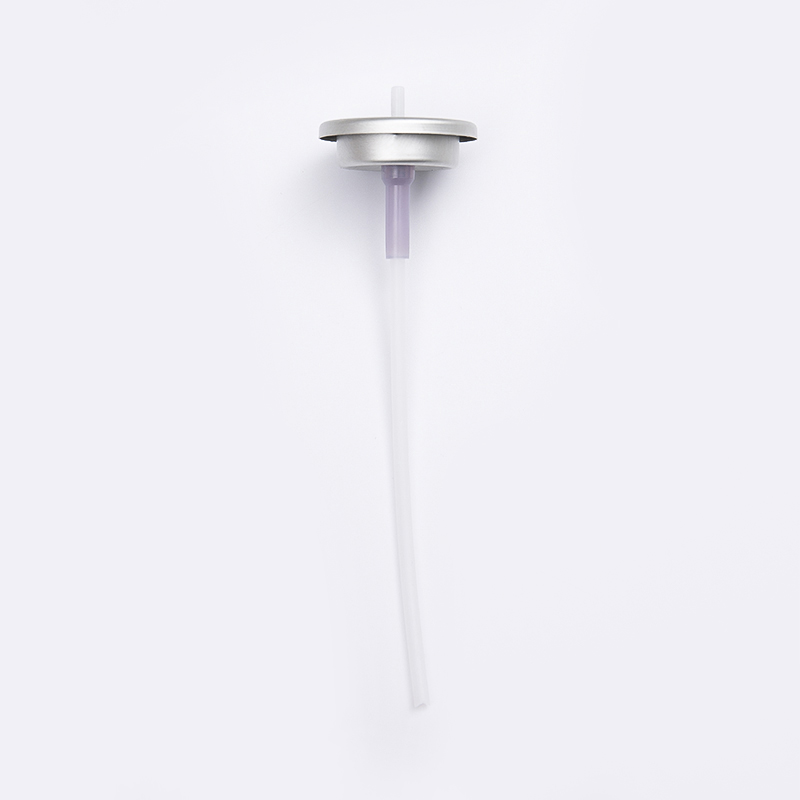
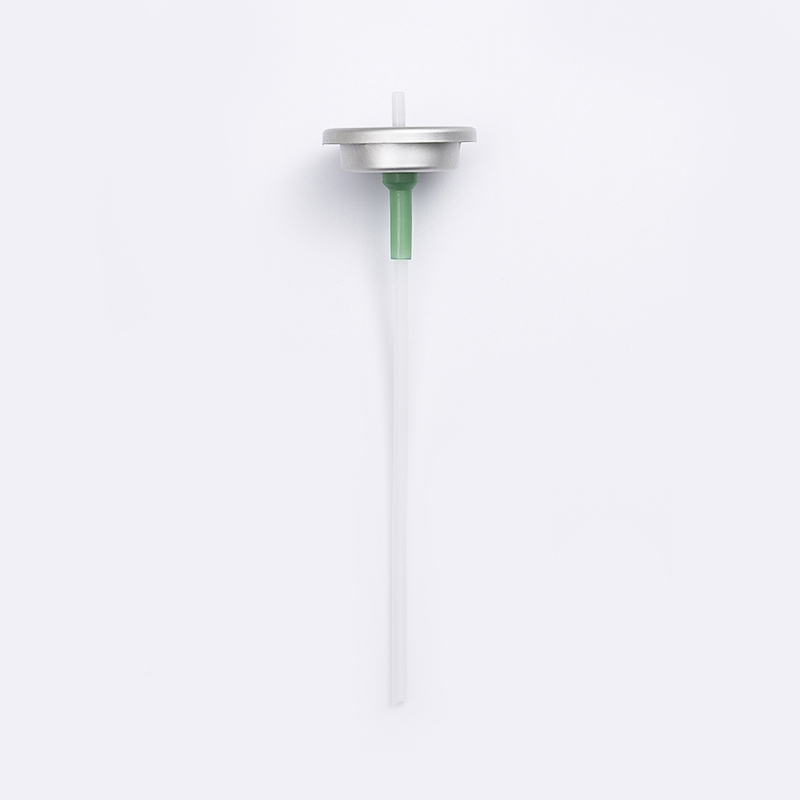
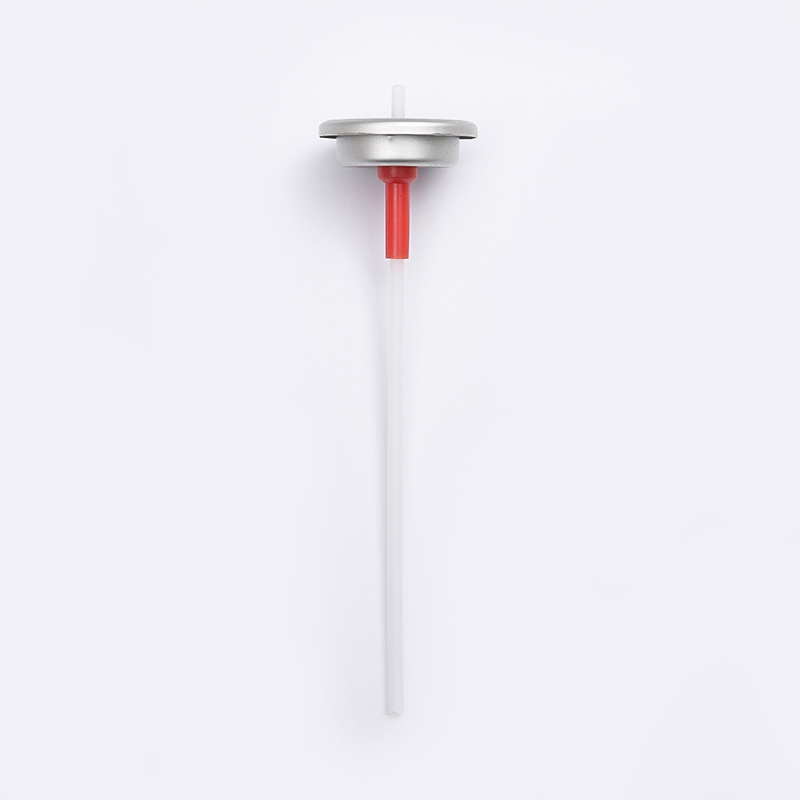
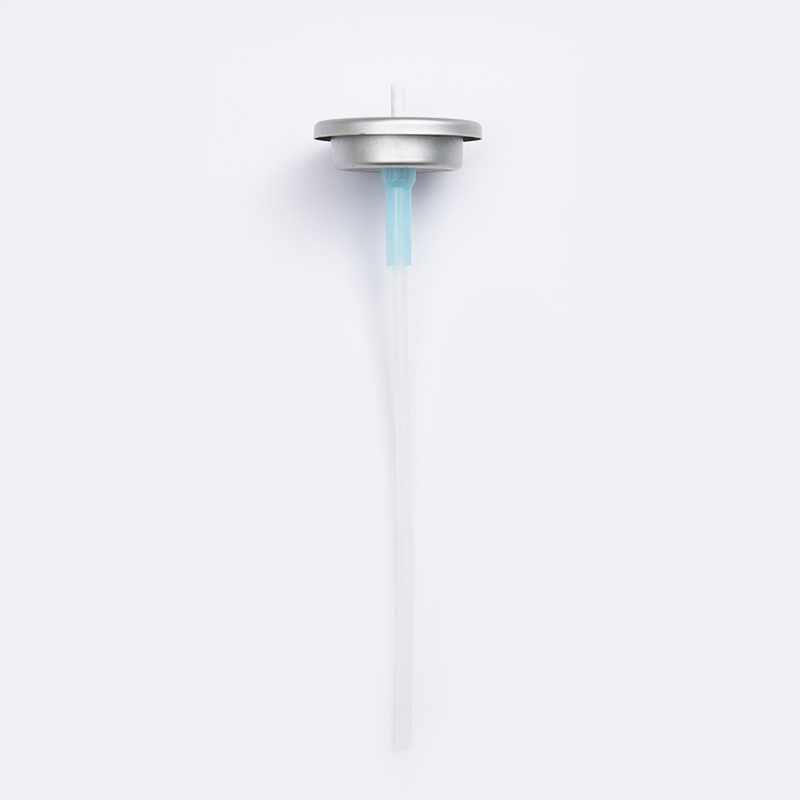
When a aerosol valve is selected for an aluminum body, three dimensional checks matter more than the valve's chemical resistance rating:
- Cup diameter and curl radius must match the can's neck profile within a tight tolerance band
- Gasket compression needs to be verified under both cold and warm fill conditions
- Crimp height must be consistent around the full circumference, not just at the check points
| Parameter | Typical Target Range | Consequence if Out of Range |
|---|---|---|
| Cup diameter | 25.4 mm nominal | Loose crimp, slow propellant loss |
| Crimp height | Within 0.1 mm of spec | Uneven seal, localized leakage |
| Gasket compression | 20 to 30 percent | Insufficient seal or gasket extrusion |
| Curl radius | Matched to valve cup | Cup rides high, incomplete seating |
Suppliers that manufacture both the can and the one-inch valve together can hold these tolerances more tightly than when the two components are sourced independently, since curl and cup dimensions can be adjusted jointly during trial runs rather than compared after the fact.
Valve Housing Materials and Their Interaction with Aluminum Cans
The valve housing sits in direct, continuous contact with both the formula and the propellant, so its material choice has a direct bearing on dispensing consistency over the product's life. Most cosmetic-grade housings use either a rigid polyester-based polymer or a polyethylene compound, chosen for dimensional stability rather than for cost alone.
Key Housing Selection Criteria
- Resistance to swelling when exposed to alcohol, silicone, or oil-based carriers
- Stable orifice geometry across a temperature range typically spanning cold storage to warm transport conditions
- Low extractable content, since housing material can migrate trace compounds into leave-on cosmetic formulas over time
A housing that swells even fractionally under solvent exposure changes the actuator's spray pattern well before any visible leak appears, which is why dispensing tests matter more than static compatibility charts alone.
Housing and stem clearances are engineered together with the aluminum can's internal headspace. In cans with a lower profile or a narrower body diameter, the dip tube length and housing depth must be recalculated, since a housing designed for a taller container will leave residual product unreachable once fill volume drops below a certain threshold.
Actuator Integration and Dispensing Performance
Actuator design determines how the formula is presented to the user, and this is where many otherwise well-engineered systems lose consistency. A mismatch between orifice size, valve stem diameter, and actuator channel geometry produces spray patterns that drift from fine mist to a wet stream as the can empties.
Foam and cream products depend on a different set of actuator variables than sprays, since the housing needs to slow the formula down rather than atomize it. Vapor-phase propellants expand faster in warm conditions, which is why actuator channel width is often adjusted seasonally in high-volume production runs rather than fixed at a single specification indefinitely.
Custom Aluminum Packaging Solutions for Brand Differentiation
Beyond functional compatibility, aluminum aerosol formats give brand teams a wide design envelope. Neck sizes, shoulder profiles, and base diameters can all be adjusted without changing the underlying valve interface, which means visual differentiation does not have to come at the cost of production complexity.
Travel-size and sample formats are one of the fastest-growing categories in this space, since a shorter body with the same one-inch valve interface allows brands to reuse existing filling line settings while offering a smaller price point. The main engineering adjustment is dip tube length, which must be shortened proportionally or the formula will be drawn down unevenly as the can empties.
Custom finishes also affect valve seating indirectly. A heavier internal lacquer coating, applied to protect against a more aggressive formula, can add measurable thickness to the neck curl, which means the curl tooling and the valve cup depth need to be validated together rather than assumed compatible from a generic aluminum can specification sheet.
Common Failure Modes and How Manufacturing Addresses Them
Most field complaints about aerosol packaging trace back to a small number of root causes, nearly all of which are preventable with tighter process control rather than material substitution.
Slow propellant loss is almost always traced to crimp height variation rather than gasket material failure. Uneven spray patterns more commonly point to actuator or orifice wear over repeated cycles than to the formula itself. Residual unusable product is typically a dip tube sizing issue, most visible in reduced-fill or travel-size formats where a standard-length tube was reused without adjustment.
Quality Control and Testing Protocols
Reliable valve and can compatibility is verified, not assumed, through a defined sequence of physical tests applied before a production run is approved for volume filling.
| Test | What It Verifies |
|---|---|
| Crimp cross-section check | Confirms gasket compression is within target range around full circumference |
| Warm and cold cycling | Confirms housing and gasket dimensions remain stable across storage conditions |
| Delivery rate testing | Confirms spray output stays consistent from first to final actuation |
| Vacuum or pressure hold test | Confirms no slow leakage occurs over an extended dwell period |
Manufacturers that run these checks jointly on the can and valve, rather than testing each component against a generic specification in isolation, catch tolerance drift earlier and reduce the number of field complaints tied to slow leakage or inconsistent spray, which remain the two most reported issues in cosmetic aerosol packaging.
Frequently Asked Questions
Q1: Why do some aluminum aerosol cans leak slowly over time rather than failing immediately?
Slow leakage is usually the result of minor crimp height variation rather than a material defect. A crimp that is fractionally out of tolerance still forms a seal at the time of filling, but the gasket relaxes over the following weeks and allows propellant to escape gradually.
Q2: Can the same valve be used across different aluminum can sizes?
The valve cup and curl interface can often be shared across can heights, but dip tube length, headspace, and actuator flow rate usually need to be reconfirmed for each new body size, since fill volume and internal geometry both change.
Q3: What causes a spray pattern to change as an aerosol can empties?
This is typically linked to propellant pressure drop combined with dip tube positioning. As liquid level falls, the dip tube may draw a mix of liquid and vapor near the end of the can's life, which changes the spray characteristics even when the valve itself is functioning correctly.
Q4: Is a heavier internal coating always better for chemical resistance?
Not necessarily. A thicker coating improves resistance to aggressive formulas but can alter neck curl dimensions slightly, which means it must be validated against the valve cup depth rather than assumed to be a straightforward upgrade.
Q5: How is dip tube length determined for reduced-fill or travel-size cans?
It is calculated from the internal height of the can body and the target residual volume, then shortened proportionally so the tube reaches the bottom of the usable fill zone without leaving a large volume of formula unreachable near the base.