English
 中文简体
中文简体 Español
 عربى
عربى
Three customers buy the same room spray. One says the mist is elegant and even, another says the nozzle spits propellant, and a third reports that the scent fades after two days. The difference is rarely the fragrance formula. More often, it is a metering valve and actuator that cannot hold a consistent dose.
Precision spray in aerosol packaging means delivering the same measured amount, in the same pattern, on every actuation. It is not about making the spray finer by chance. It is about repeatability. For a brand, that repeatability drives cost, customer satisfaction and compliance. For a manufacturer, it decides whether the valve you bought will behave the same in one million cans as it did in the first batch.
The Metering Valve Is the Heart of Precision Spray
How a Metered Dose Valve Works
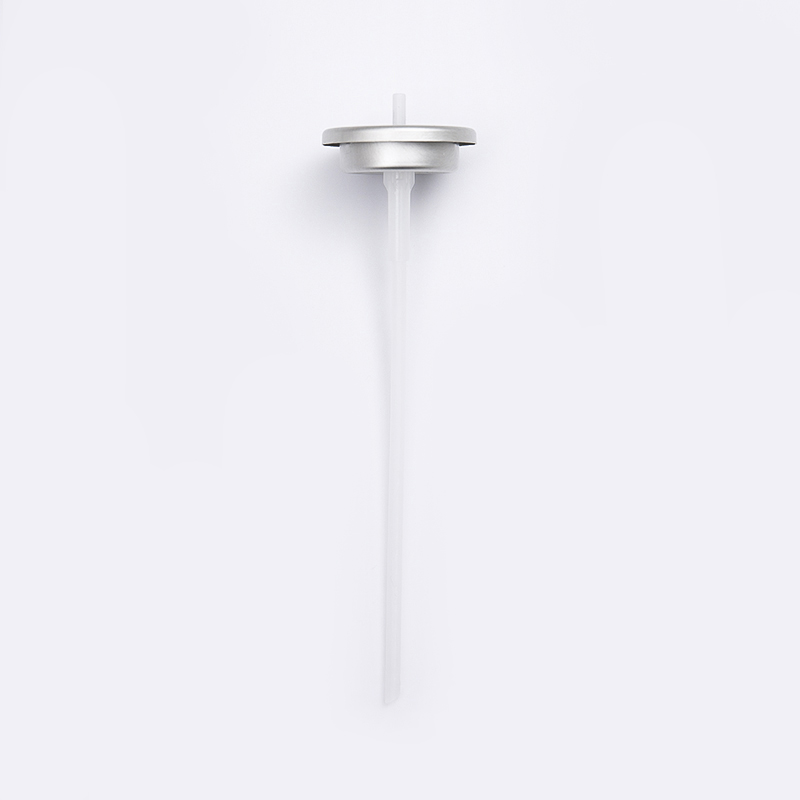
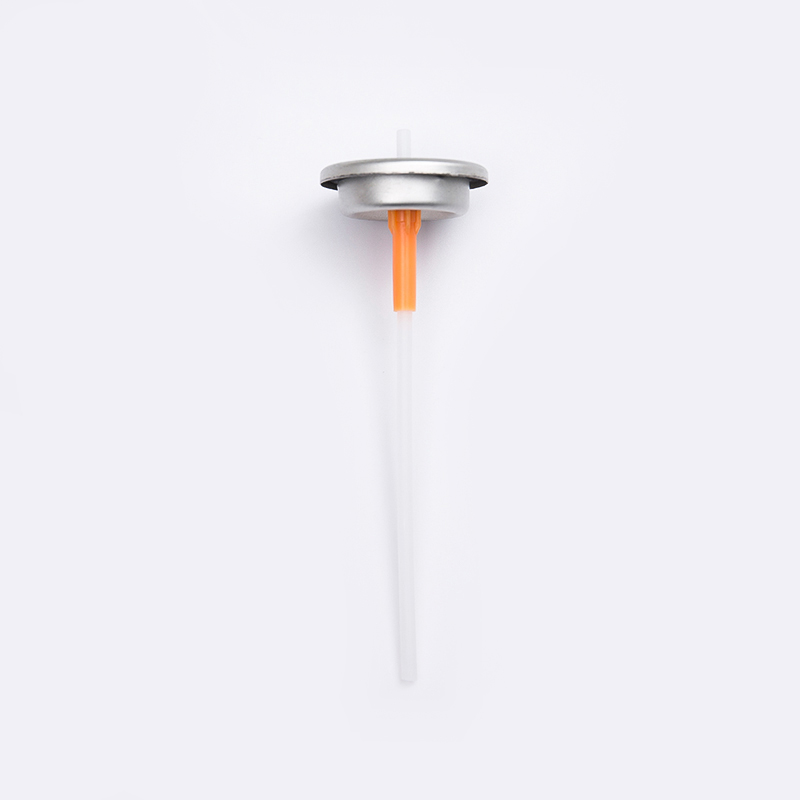
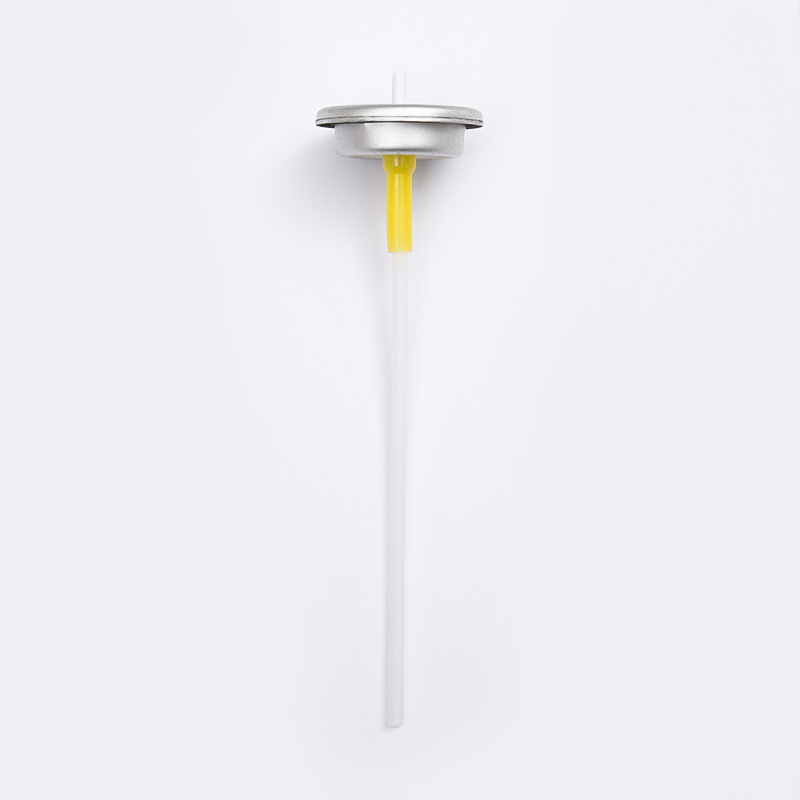
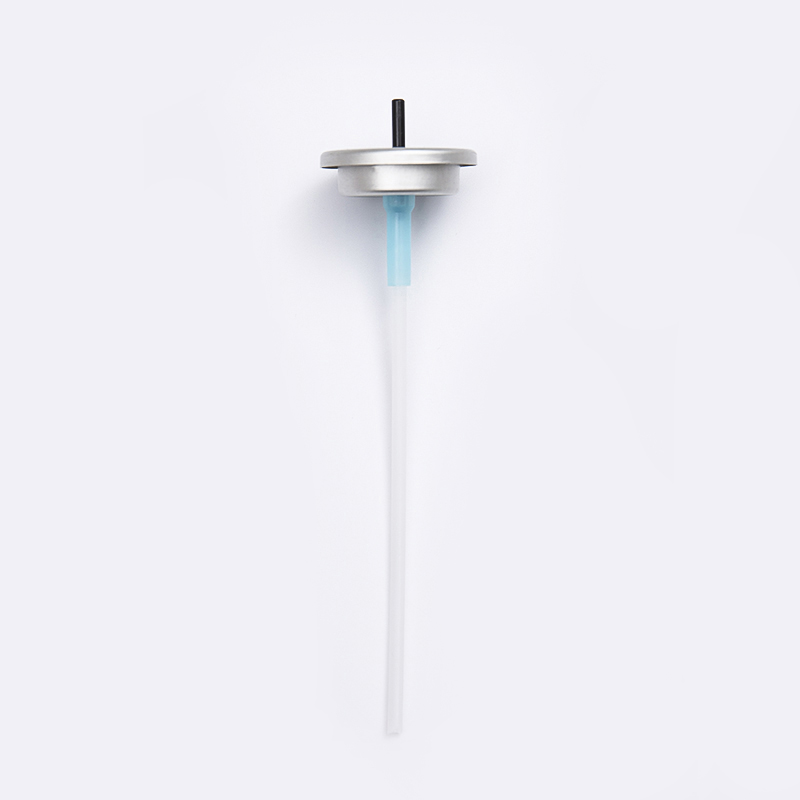
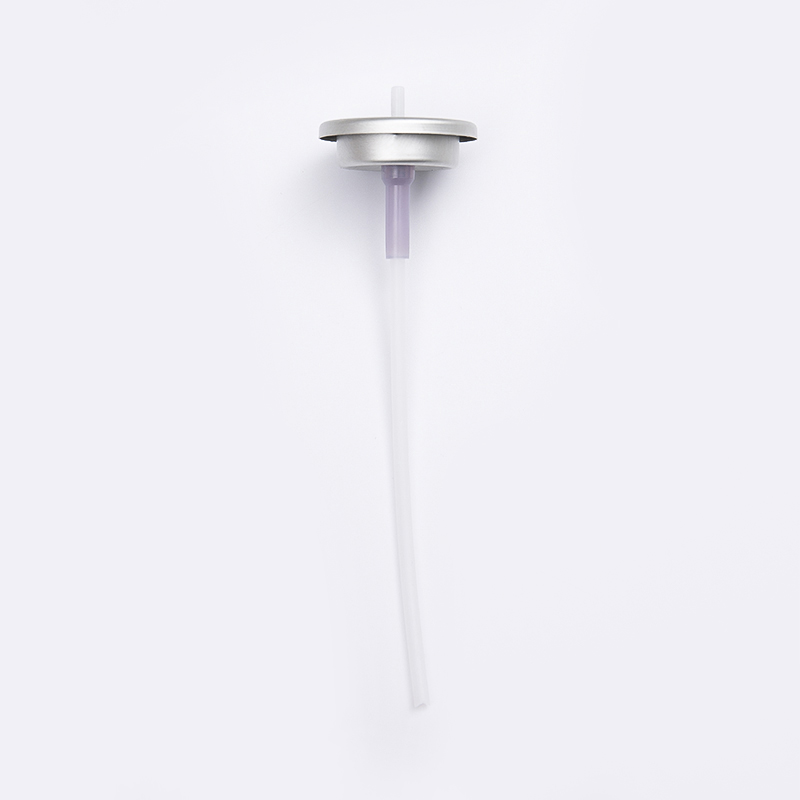
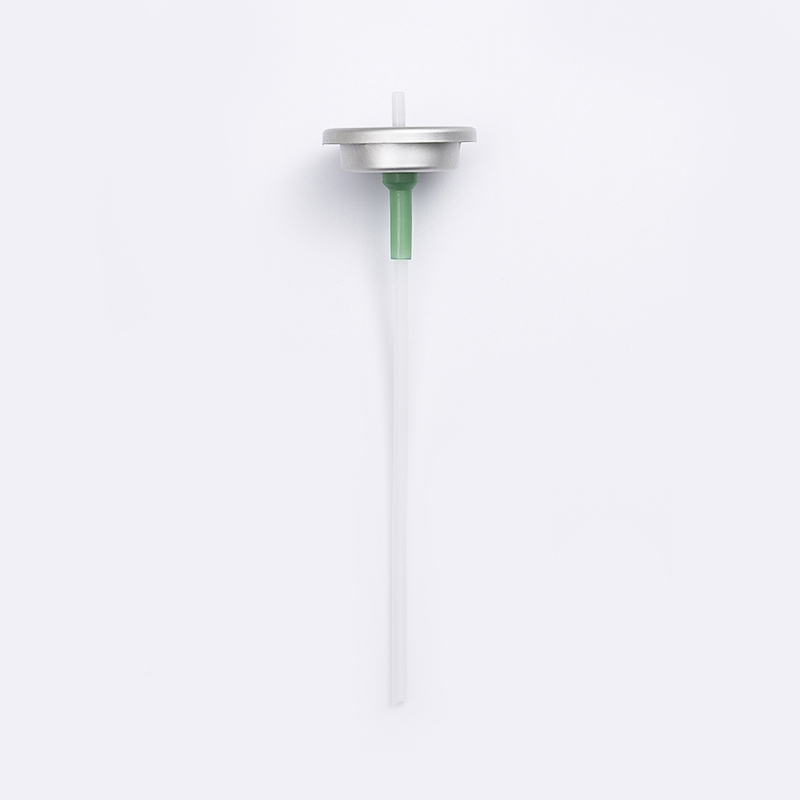
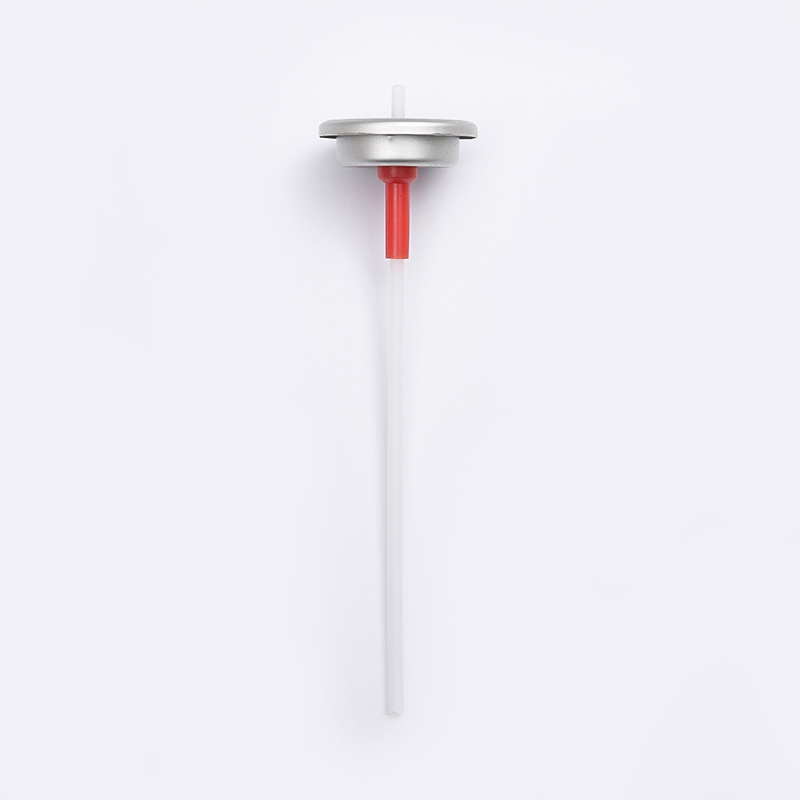
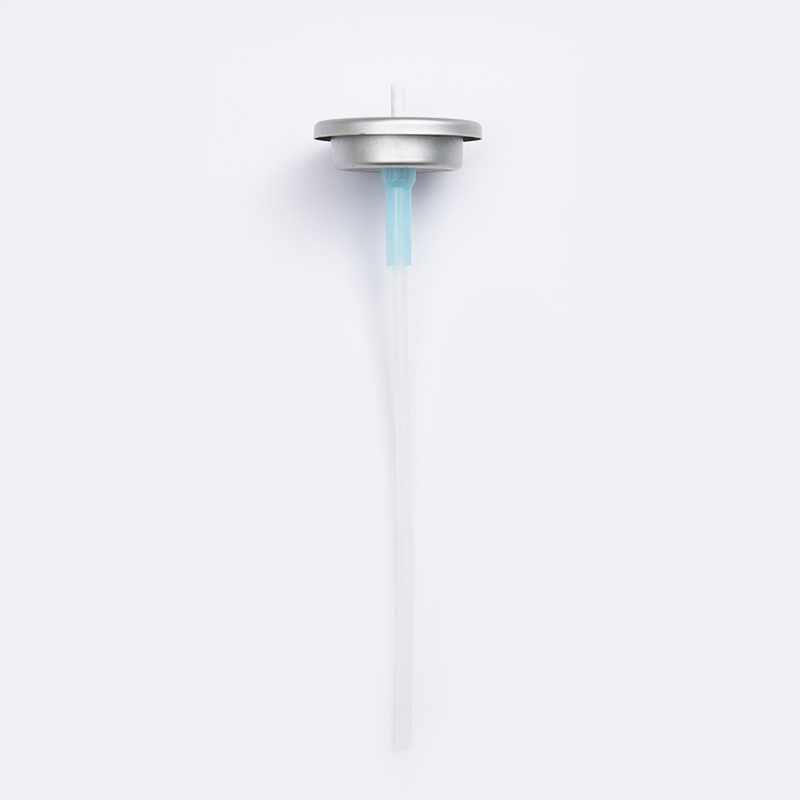
The metering valve is the component that counts out a fixed volume of product every time the actuator is pressed. The volume is governed by the metering chamber, which is formed between the valve stem and the gasket. When you press the actuator, the valve stem moves downward, sealing the metering chamber from the can's interior and opening the metering chamber to the atmosphere. The product in that chamber is flushed out by the propellant pressure, and the next time the stem returns, it is filled again with the same volume.
Dosage range: 25 mcl to 200 mcl on a 2.80mm valve stem. This is the spread most household and cosmetic aerosol products rely on.
Dose Ranges and Valve Formats
A standard 2.80mm valve stem with a 1-inch cup can be supplied in dosages from 25 mcl to 200 mcl. For an air freshener, a 75 mcl or 100 mcl valve is typical, because it matches a small, controlled burst of scent. A 150 mcl valve is more common in fragrance dispensers where a longer lasting mist is desired. For a metered inhaler, a tolerance of a few microliters can make the difference between an effective dose and an inconsistent one. This is exactly why the one-inch quantitative valve family is engineered around precise chamber dimensions. For a deeper look at how metered dose valves control flow, you can read how one-inch quantitative valves achieve precise dosage control.
The width of the valve also matters. A 1-inch valve fits standard aerosol cans, while a 20mm valve fits the neck of aluminium cans. Both are available with aluminium or tinplate cups. The cup material affects corrosion resistance and compatibility with the product.
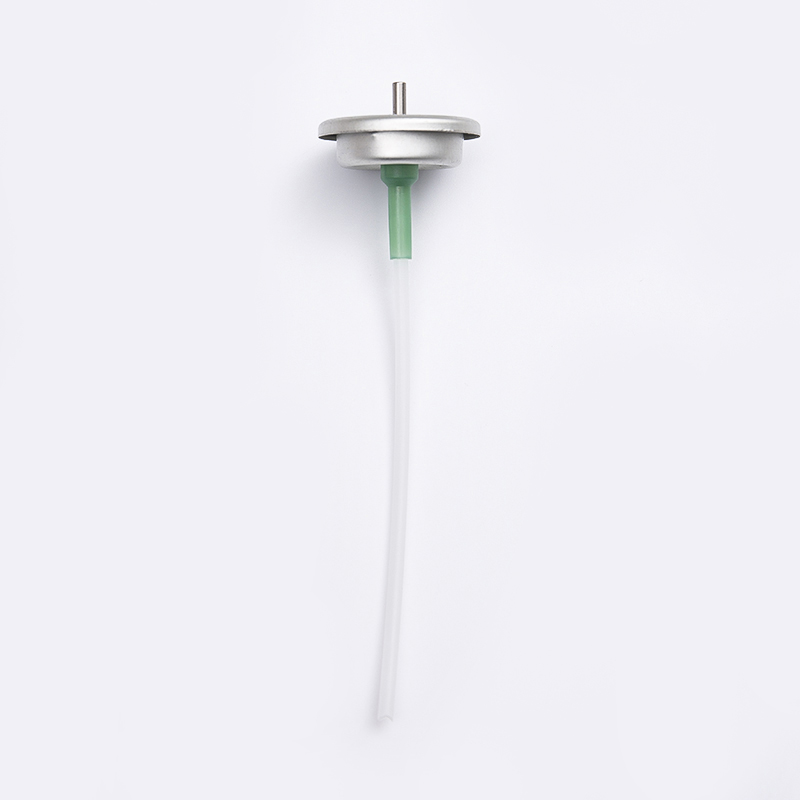
Need a metered valve for a daily air freshener? The 150 mcl air freshener aerosol valve is a proven choice for cans that need consistent release and a predictable refill cycle.
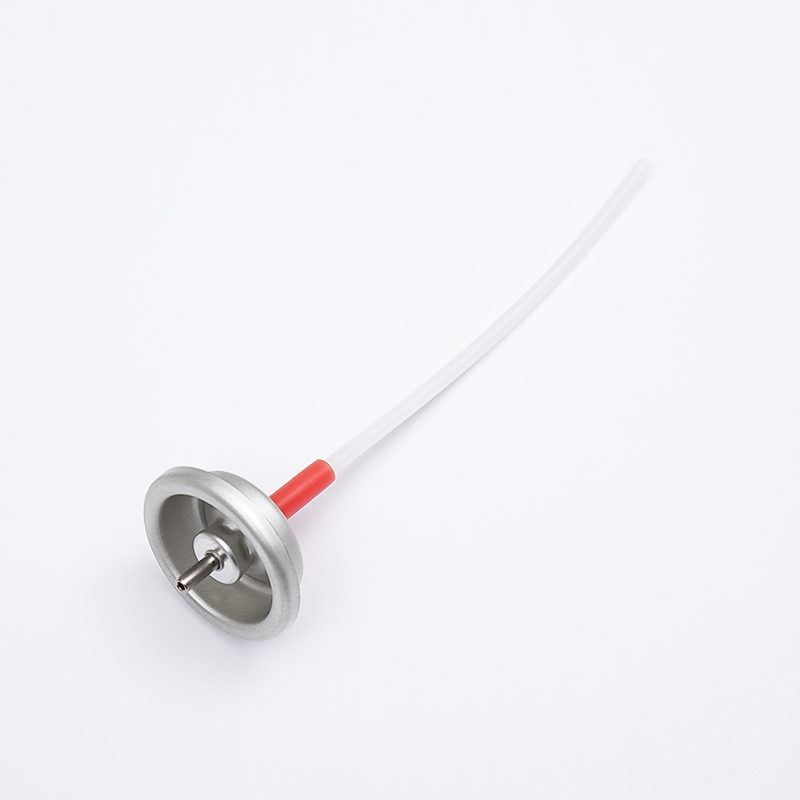 150 mcl Metered Aerosol Valve with 2.8 mm Metal Stem for Air FreshenersA precision metering valve for air freshener cans, delivering a consistent 150 mcl dose per actuation. Its 2.8 mm metal stem and one-inch cup ensure reliable performance and compatibility with standard aerosol containers.View Product →
Actuator Geometry Turns a Metered Dose into a Defined Spray
The valve doses the product; the actuator shapes it. The same 100 mcl dose can emerge as a narrow stream, a wide cone, or a wet burst depending on the nozzle geometry.
An L-shaped actuator directs the spray horizontally. It is common for air fresheners and perfumes because the can is usually held upright and the spray axis is angled toward the target. The orifice diameter and the internal swirl chamber determine the spray angle and droplet size. A smaller orifice at the same working pressure produces smaller droplets but a narrower cone. A larger orifice gives a broader, wetter spray. The relationship between orifice size and spray angle is a practical starting point when you are matching an actuator to a valve.
Circular or cylinder-shaped actuators, often used in personal care and self-defense sprays, provide a more direct or push-pull actuation. Some designs include a captive cap or a tamper-resistant push-pull mechanism to prevent accidental discharge.
For fine fragrance where leakage is a non-issue, a leakproof L-shaped metering valve spray head is designed for perfume applications that need a soft, even mist and no dripping between uses.
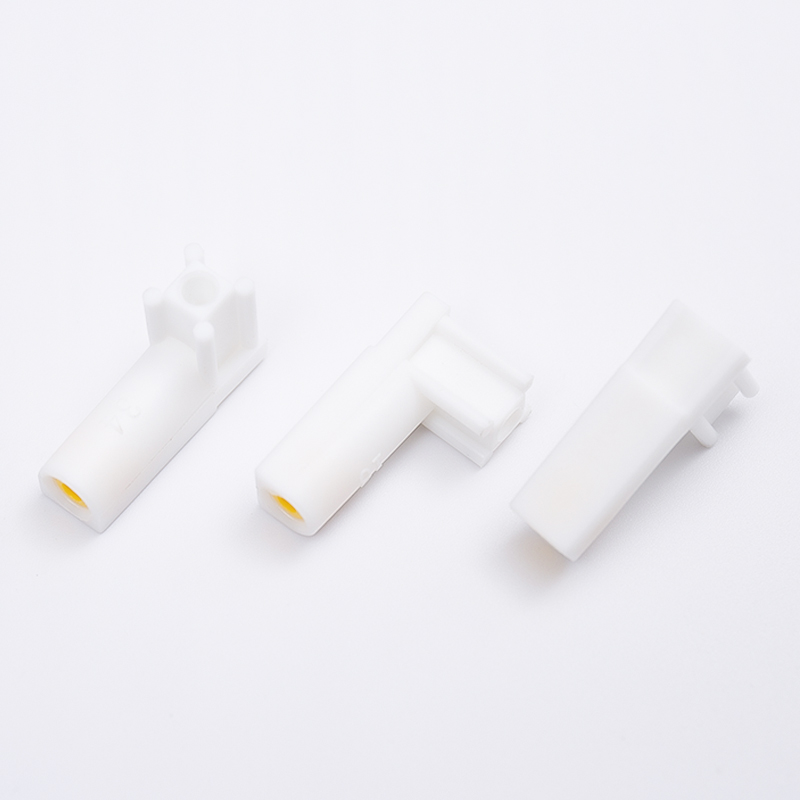 Leak-Proof L-Shaped Metering Spray Head for Perfume AerosolsDesigned for perfume applications, this L-shaped metering valve head provides accurate dosing and a soft, even mist. Its leak-proof construction prevents dripping and maintains product quality during storage and use.View Product →
Applications Where Precision Spray Is Non-Negotiable
Different applications demand different levels of precision and different valve designs.
- Air freshener refills for automatic dispensers: need a valve that delivers the exact same dose every time. If the dose is too small, the user cannot smell the fragrance. If it is too large, the bottle empties before the refill cycle ends.
- Perfume: need a valve that produces a soft, even mist without dripping or leaking. A leak-proof metered valve with a tight seal is essential for luxury packaging.
- Personal care and pharmaceutical sprays, such as nasal pumps: require directional actuation and a spray that does not irritate mucous membranes. For nasal or topical personal-care products, a precision actuator that delivers a directional spray is critical. The plastic nasal pump sprayer actuator cap nozzle
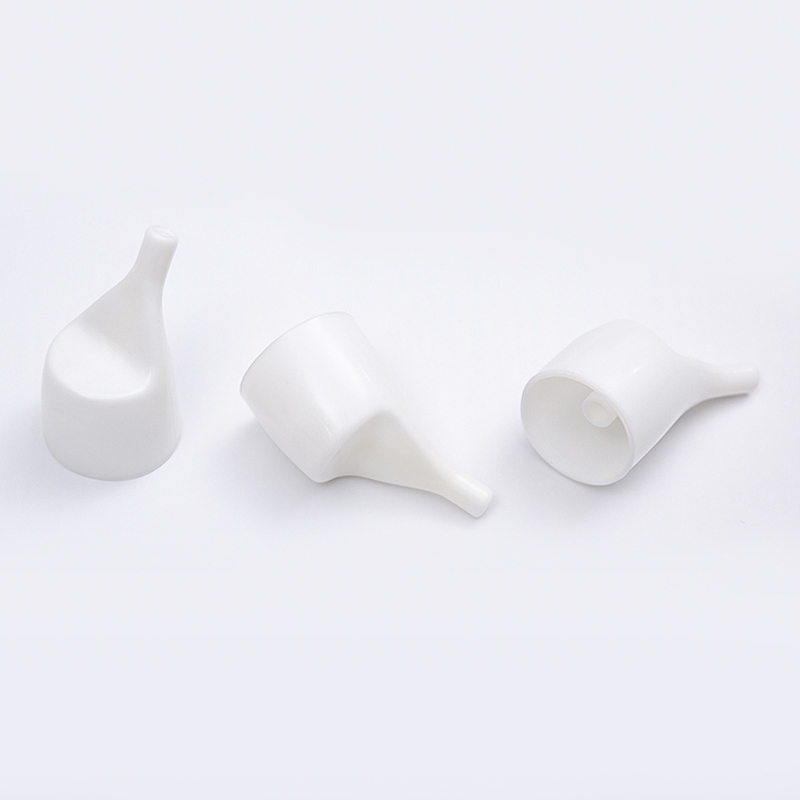 1-Inch Plastic Nasal Pump Sprayer Actuator Cap NozzleAn ergonomic 1-inch actuator nozzle for nasal sprayers, delivering fine, uniform mist for effective medication distribution. Made from durable plastic, it is easy to clean and fits most standard nasal pump sprayers.View Product → is an example of such a component.
 - Self-defense pepper spray: needs a valve that stays sealed under pressure and fires only when the user intends it. A push-pull or twist-lock actuator prevents accidental discharge.
- Fire extinguisher aerosols: the most demanding case. The valve has to release the entire content in one operation, resist clogging and maintain seal integrity over long storage periods.
Materials and Tolerances Determine Long-Term Consistency
Stem and Cup Materials
Precision is not only a geometry problem. The material chosen for the stem and cup has a direct influence on how the valve behaves over time. A plastic stem made from PP or PE is inert to many solvents and is often the default choice for household products. A metal stem, usually stainless steel, is used for stronger solvents or where the product must be protected from contact with plastics. The cup, either aluminium or tinplate, must be compatible with both the product and the can.
Why Dimensional Tolerances Matter
Tolerances also matter. The gap between stem and gasket is measured in hundredths of a millimetre. A change of one or two hundredths can alter the leak rate or the consistent dose. This is why a supplier with automatic valve lines and in-process dimensional control is usually better positioned to keep the tolerance stable from batch to batch.
| Component | Common Materials | Typical Applications | Key Concern |
|---|---|---|---|
| Stem | PP/PE plastic, stainless steel | Household, cosmetic, pharmaceutical | Solvent compatibility, seal wear |
| Cup | Aluminium, tinplate | Air freshener, perfume, fire extinguisher | Corrosion, crimping strength |
How to Choose a Precision Spray Component Supplier
When you source a metered valve or actuator, the supplier's production discipline is as important as the component's drawing. Ask about the number of automatic lines, the dimensional control on the gasket-to-stem fit, and the ability to customise a dosage or a nozzle shape.
A manufacturer with its own automatic valve lines, such as a ten-line set-up for 1-inch valves and separate 20mm lines, can offer better consistency and shorter lead times. It also means they can adapt the valve to a specific can, propellant and product without relying on third-party modifications.
Before you commit, ask the supplier how they measure dosing consistency. A good answer should mention:
- Sampling frequency and metrologically calibrated equipment
- The ability to provide documented test reports
- Traceability and quality system documentation for high-risk applications
Precision spray looks like a small detail, but it is a system-level engineering problem. Once you understand the interaction of valve, actuator and material tolerance, you can specify the right component, avoid costly field failures and build a product that feels consistent from the first can to the millionth.