English
 中文简体
中文简体 Español
 عربى
عربى
Your R&D team has just finalized a vitamin-rich facial mist formula. The formula is water-based, contains antioxidants, and cannot tolerate hydrocarbon propellants. Bag-in-can (BOV) is the right packaging choice for this product. It separates the formula from the propellant with a flexible bag inside the can, so the active ingredients remain stable from the first spray to the last. The tradeoffs are a higher unit cost and more complex filling, but for premium formulations the benefits outweigh the investment. This article explains how the technology works, where it outperforms conventional aerosols, and what to consider when selecting a BOV valve.
What Is Bag-in-Can Technology?
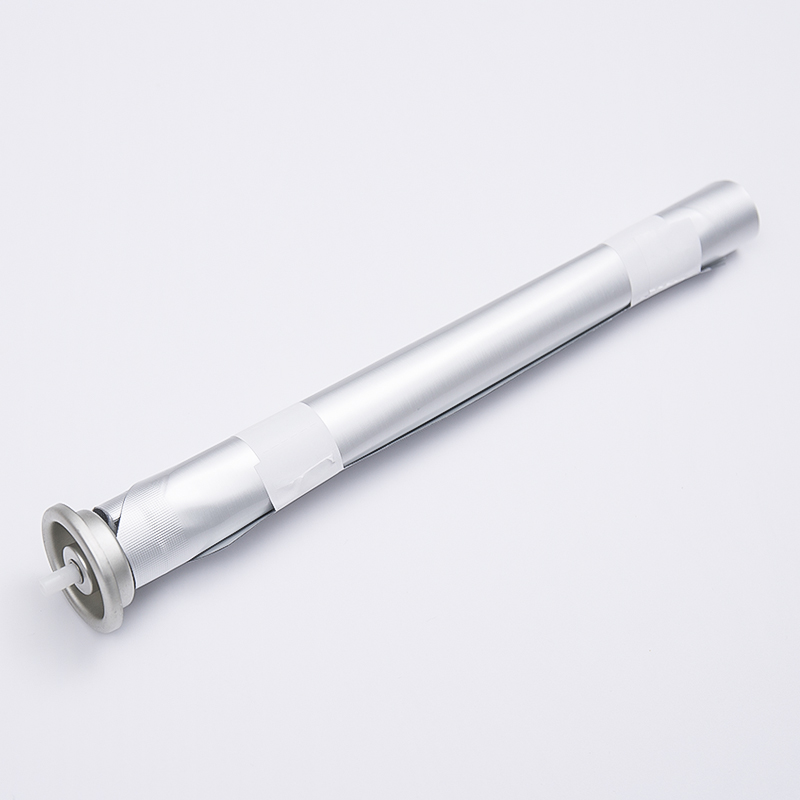
Bag-in-can, also called bag-on-valve (BOV), is a barrier packaging system in which a flexible bag sits inside a pressurized can. The bag holds the product, while the space between the bag and the can wall holds the propellant. Both elements are designed around a standard one-inch valve opening.
When the valve is actuated, the propellant applies uniform pressure to the outside of the bag, forcing the product through the valve stem and out through the actuator nozzle. Because the bag acts as an impermeable barrier, the propellant and product never mix. This separation is the defining characteristic of bag-in-can technology and the reason it is widely used in food, cosmetics, and pharmaceutical packaging.
The valve itself is a metered valve, meaning each actuation dispenses a fixed volume. In BOV systems, the metered dose is particularly reliable because the propellant pressure does not drop as the can empties. For a deeper understanding of how the valve and nozzle work together, see our technical comparison of aerosol valves and nozzles.
Bag-in-Can vs Conventional Aerosol
Comparing the two systems side by side makes it easier to see where BOV delivers measurable advantages.
| Feature | Conventional Aerosol | Bag-in-Can (BOV) |
|---|---|---|
| Product-propellant contact | Direct contact | No contact |
| Spray consistency | Decreases as pressure drops | Consistent throughout |
| Product evacuation rate | 80 to 95 percent | Over 95 percent |
| Propellant type | LPG or dimethyl ether | Compressed air or nitrogen |
| Recycling | Special handling required | Aluminum can is recyclable |
| Unit cost | Lower | Higher by 15 to 30 percent |
These differences translate into real procurement decisions. If your product requires high purity or precise dosing, the BOV system will likely be the more reliable choice despite the higher initial cost.
Why Choose Bag-in-Can Technology?
The benefits of BOV are not abstract. They appear in product quality, dispensing performance, and sustainability outcomes.
The barrier prevents oxidation, flavor transfer, and contamination. For formulations with natural actives, this is a decisive advantage. The product stays fresh and the risk of propellant contamination is eliminated.
Stable internal pressure keeps the spray rate and particle size uniform from the first pump to the last. This matters for pharmaceutical inhalers and precise skincare products where every spray should deliver the same dose.
The bag is squeezed from all sides, achieving an evacuation rate over 95 percent and minimizing residue in the can. This means less product waste per can and better value for the end user.
Compressed air or nitrogen replaces flammable hydrocarbons, making the aluminum can easier to recycle and safer to handle during filling and disposal.
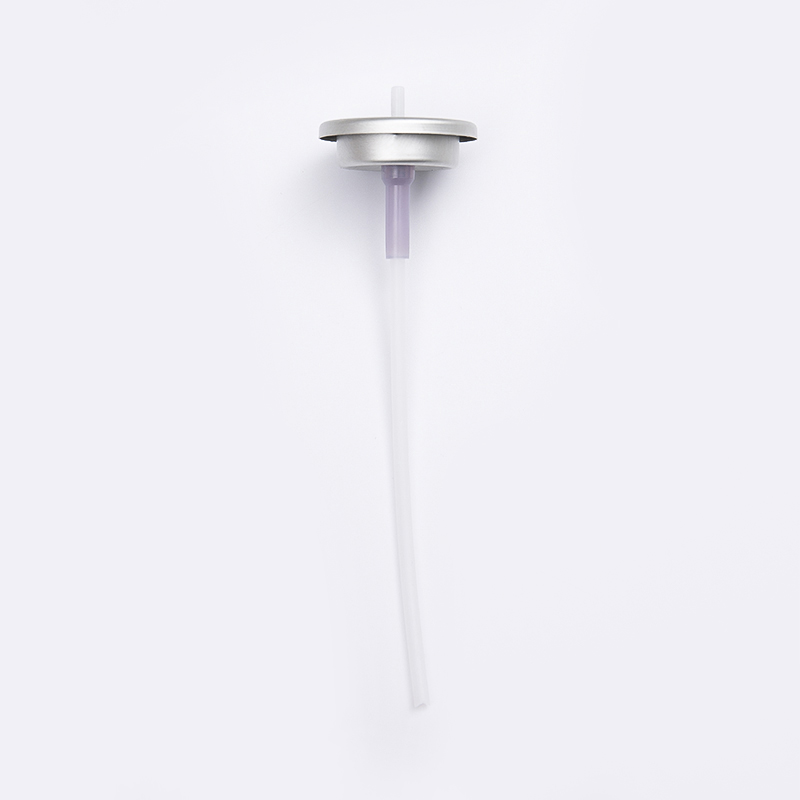
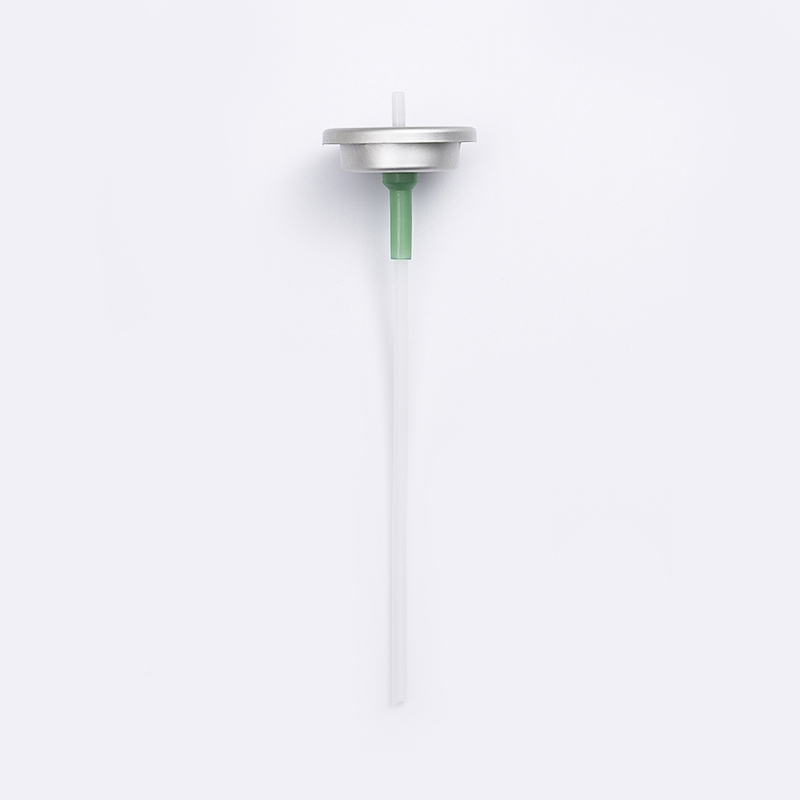
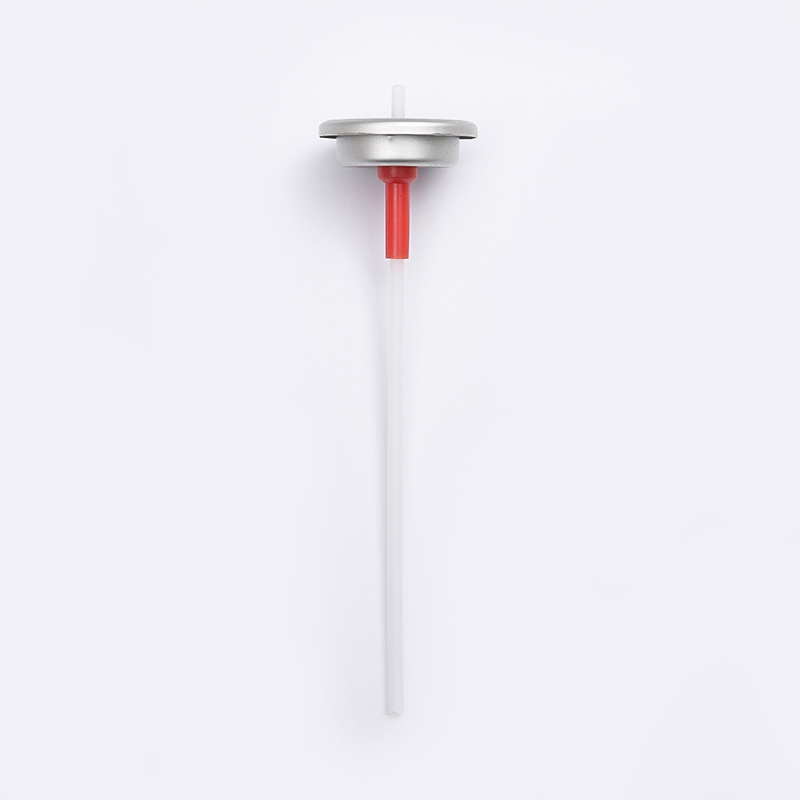
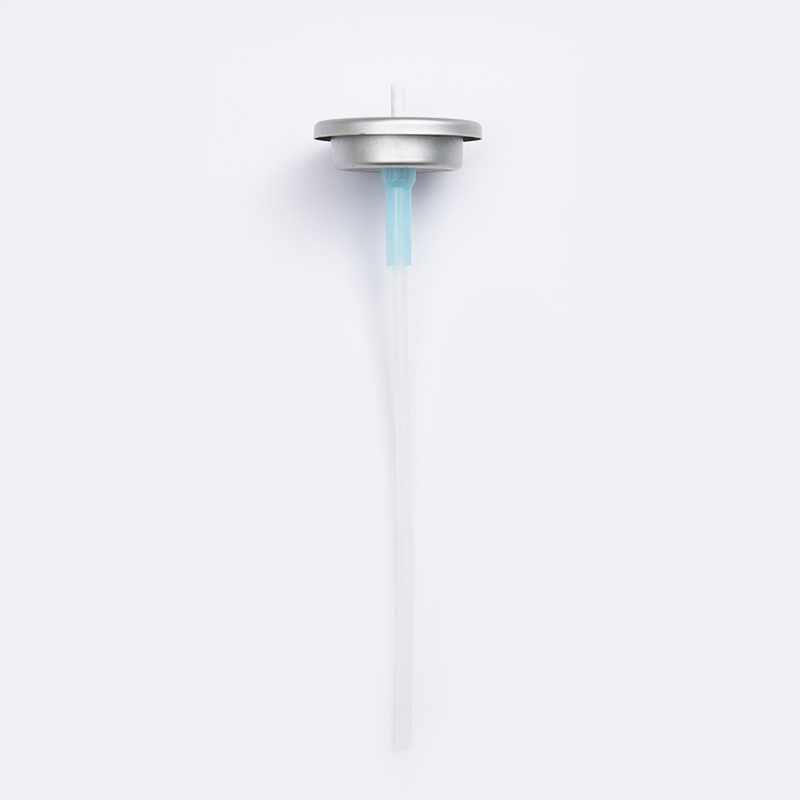
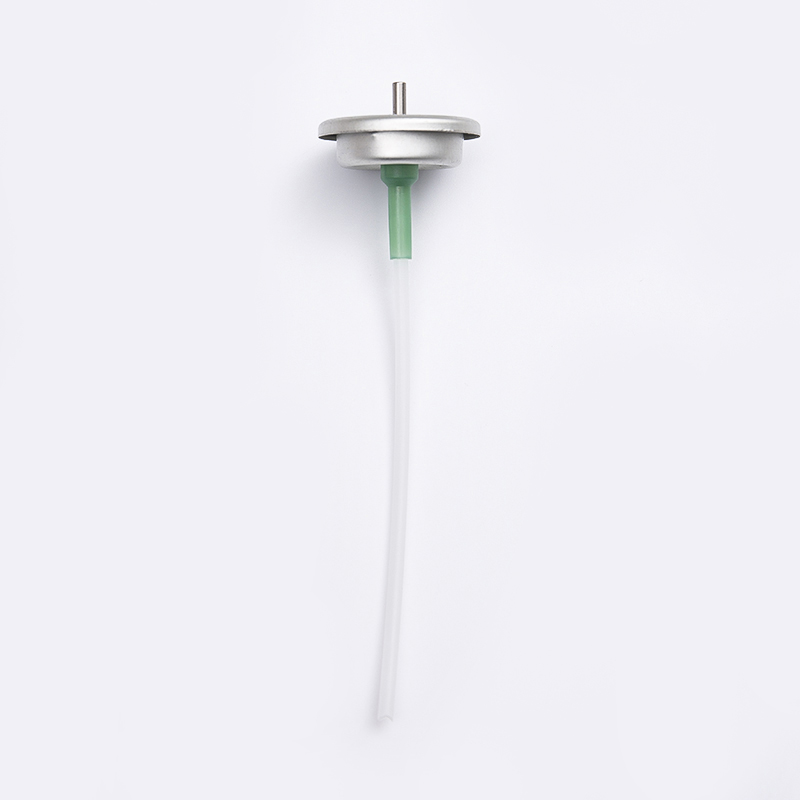
For a practical starting point on one-inch aluminum cans, consider a one-inch BOV valve with aluminum cup as the core component of your packaging configuration.
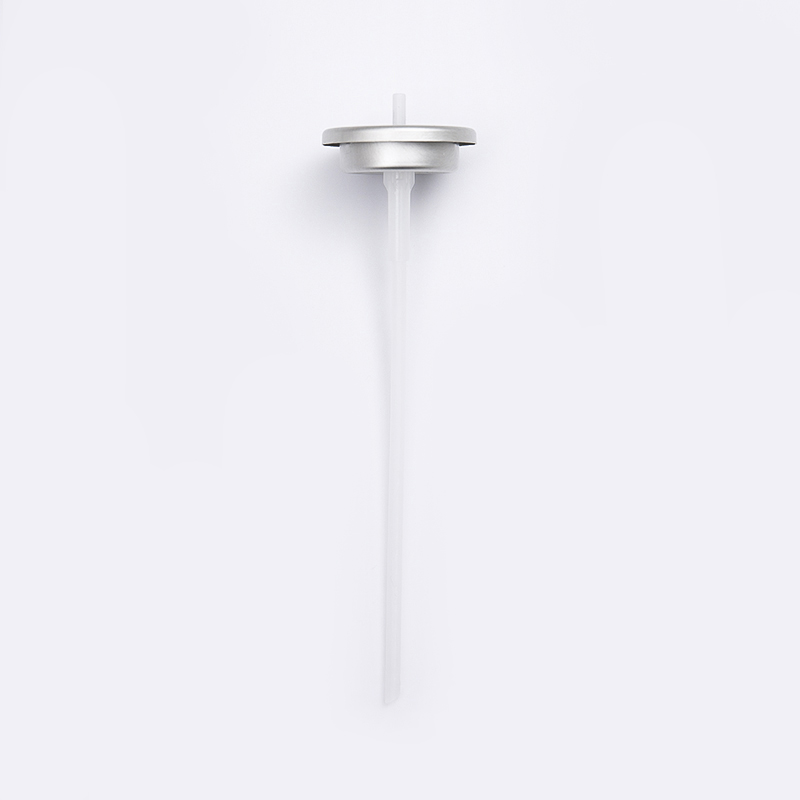
 One-Inch BOV Valve with Aluminum Cup for Aerosol SprayThis practical spray valve suits personal care, detergents, and lubricants, offering stable release and corrosion resistance. As a core component for one-inch aluminum cans, it provides a reliable sealing and durable performance.View Product →
Real-World Applications of Bag-in-Can
BOV technology has expanded far beyond air fresheners. The following categories represent the market segments where bag-in-can is now standard.
- Skincare and cosmetics: serums, moisturizers, sunscreens, and foundations that require no contact with propellants or preservatives.
- Food and beverage: edible oils, sauces, cheese spreads, and syrups that need a food-grade barrier to maintain taste and freshness. Viscous foods like mayonnaise or peanut butter can be dispensed cleanly without added preservatives.
- Pharmaceutical and wound care: saline sprays, burn gels, and nasal sprays that depend on precise metering and sterile dispensing.
- Household: air fresheners, stain removers, and furniture polishes that benefit from low-VOC formulations.
- Automotive: lubricants, degreasers, and tire inflators that call for non-flammable propulsion in workshop environments.
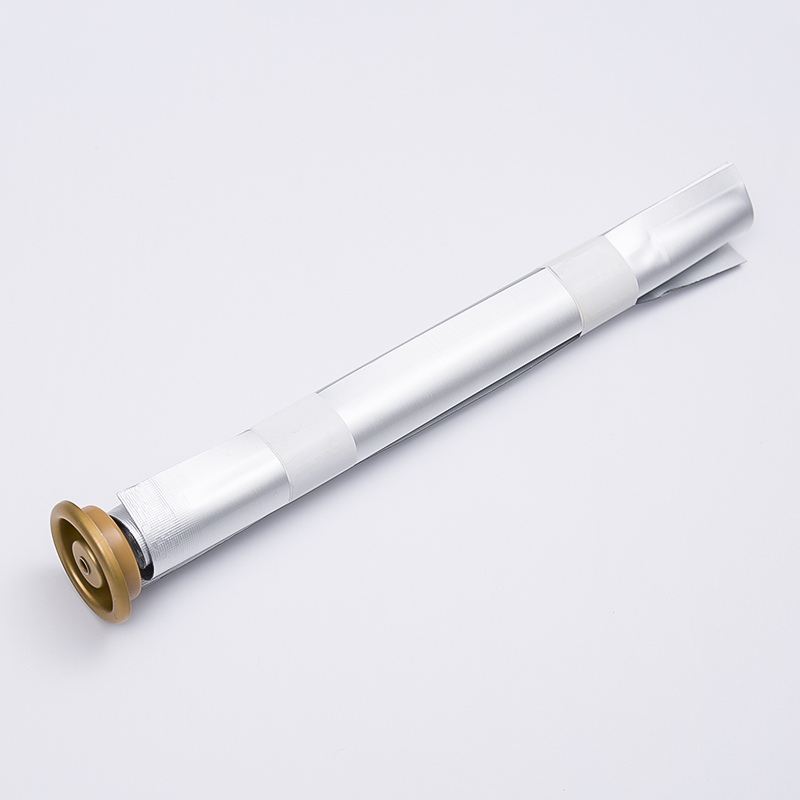
For aluminum-can applications with a standard one-inch opening, our BOV valve with tinplate cup for aluminum cans is designed to fit these product categories and support consistent filling.
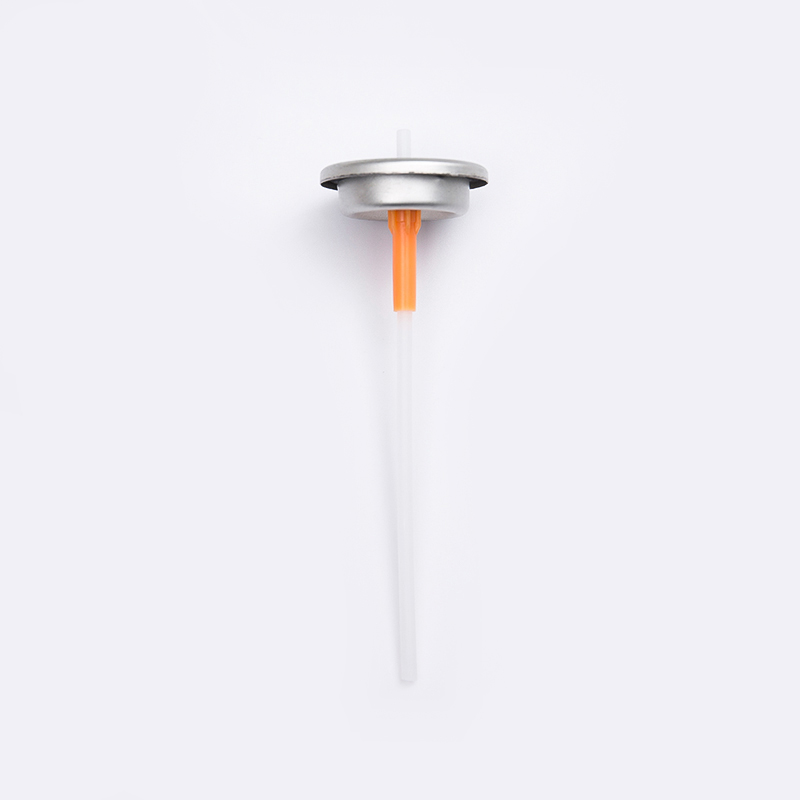
 BOV Valve with Tinplate Cup for One-Inch Aluminium CansDesigned for standard one-inch opening aluminum cans, this valve supports consistent filling with high-pressure tolerance. The tinplate cup enhances rust resistance and sealing, making it suitable for various aerosol products.View Product →
Procurement Considerations for BOV Valves
Choosing the right BOV valve involves more than checking the can diameter. The following specifications affect both product performance and supply reliability.
- Cup material: aluminum cups are lightweight and corrosion-resistant, while tinplate cups offer strength and are commonly used in food and industrial applications.
- Metered dosage: one-inch BOV valves are available with fixed discharge doses from 25mcl to 200mcl. Match the dose to your intended output per spray.
- Actuator type: L-shaped actuators direct a lower-angle spray for localized use, while circular actuators provide a broader spray pattern.
- Can compatibility: verify the crimp dimensions of your aluminum or tinplate can before selecting the valve. Most standard cans use a one-inch opening.
- Supplier capability: confirm that the manufacturer runs in-house assembly lines and provides quality documentation covering leakage, pressure, and spray rate testing.
Quality control is also important. Ask your supplier for leakage rate data, burst pressure test results, and spray rate verification. These are standard metrics that indicate whether the valve will perform consistently on your filling line.
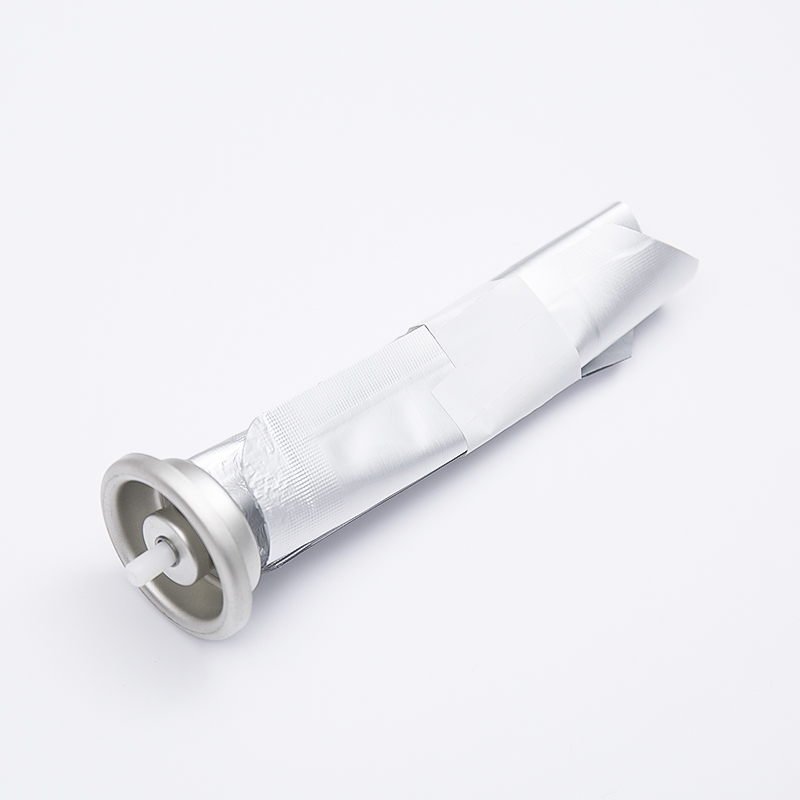
For a direct example of a metered spray valve in a BOV system, our one-inch BOV spray valve with tinplate cup offers fixed dispensing and a reliable crimp fit for standard bottles.
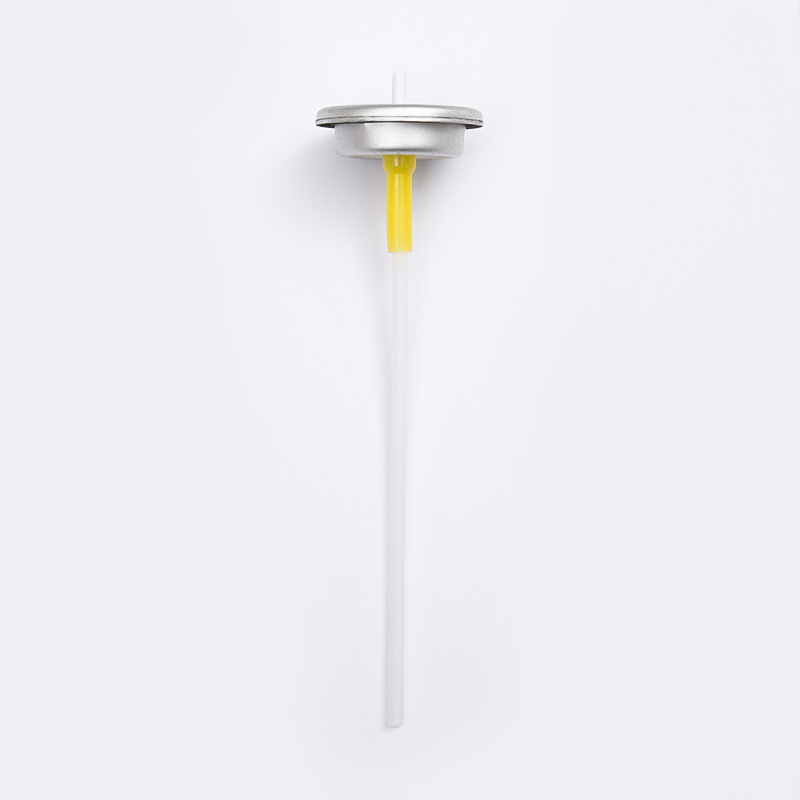
 One-Inch BOV Spray Valve with Tinplate Cup for Aerosol CansThis BOV spray valve provides fixed dispensing and a reliable crimp fit for standard aerosol cans. Its sealing performance and compatibility make it a direct example for metered spray applications in BOV systems.View Product →
To see the full range of available options, explore our one-inch BOV valve collection.
Frequently Asked Questions
Q1: Is bag-in-can the same as bag-on-valve?
Yes. The two terms describe the same packaging system. Bag-in-can emphasizes the overall can construction, while bag-on-valve refers to the way the bag is attached to the valve. Industry professionals use the terms interchangeably.
Q2: Can BOV technology be used for food products?
Yes. Food-grade laminated films are commonly used for the internal bag, and the product never contacts the propellant. Edible oils, sauces, and spreadable cheeses are typical BOV food applications.
Q3: Does bag-in-can cost more than conventional aerosol?
Typically yes. The added bag and specialized filling process raise the unit cost by roughly 15 to 30 percent. For high-value formulations, the higher product yield and premium positioning generally offset this difference.
Q4: What dosage ranges are available for one-inch BOV valves?
One-inch BOV valves support single-discharge doses from 25mcl to 200mcl. This range covers most personal care, household, and pharmaceutical applications, allowing you to match the dose to your desired spray output.
Q5: How should I evaluate a BOV valve supplier?
Look at their production lines, quality control procedures, and experience in your product category. A reliable supplier will provide leakage and pressure test data and should support OEM/ODM customization for valve stems, actuators, and cup materials.
Bag-in-can technology combines the convenience of an aerosol with the purity of a barrier system. Whether you are packaging food, cosmetics, pharmaceuticals, or household products, the decision comes down to your formula's sensitivity, your dosage accuracy requirements, and your willingness to invest in a more advanced filling setup. By evaluating the valve specifications, supplier capabilities, and cost expectations, you can make a confident choice that protects your product and your brand.