English
 中文简体
中文简体 Español
 عربى
عربى
Bag-on-valve packaging has moved past its position as a premium niche format. Cosmetic brands use it for high-purity serums, food formulators rely on it for flavour oils, and medical manufacturers choose it for barrier-grade wound care. In every case, the reason is identical: the product should never touch the propellant. But what many decision-makers overlook is that the valve is the deciding component in a BOV system. It controls how the bag is sealed, how the product flows, and whether the package holds pressure over months of storage.
What Is Bag-on-Valve Packaging?
Bag-on-valve packaging, commonly abbreviated BOV, is a barrier packaging system. It uses a standard aerosol can as the outer pressure vessel, but the product is not filled into the can. Instead, the formulation is sealed inside a flexible multilayer bag, and the space between the bag and the can wall is charged with compressed air or nitrogen.
When the actuator is pressed, the valve opens. The pressurised gas squeezes the bag from the outside, pushing the product through the valve stem and out of the nozzle. The formulation never comes into contact with the gas, and the gas never comes into contact with the product. This simple separation changes what the valve has to do compared with a conventional aerosol valve.
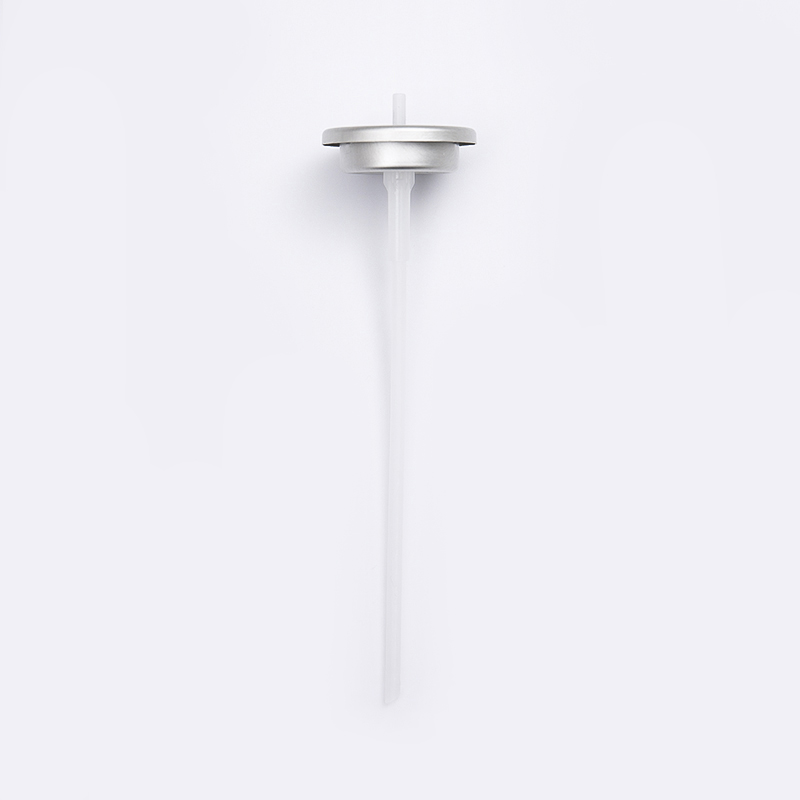
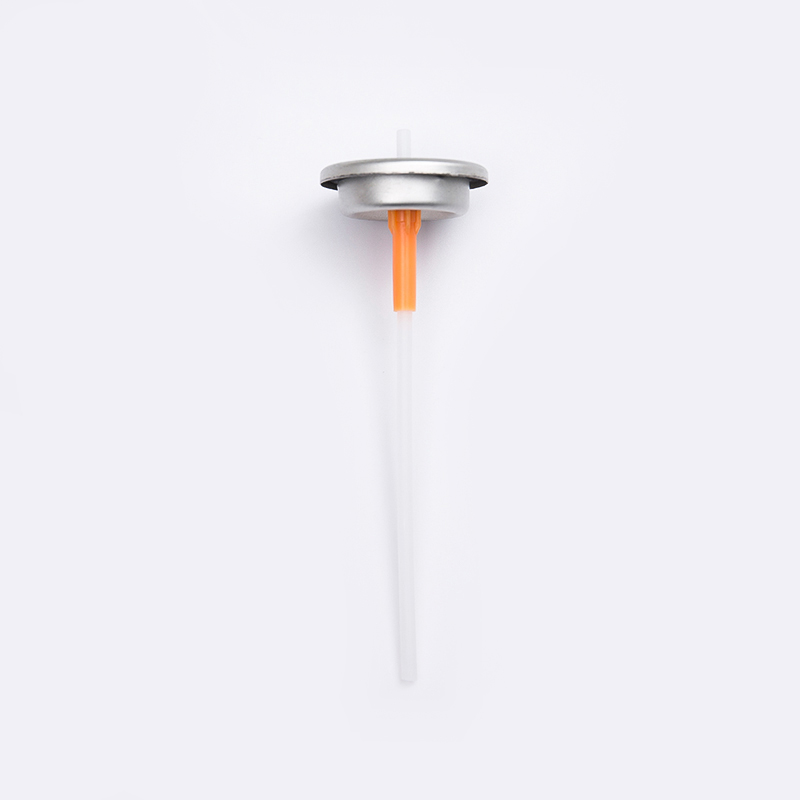
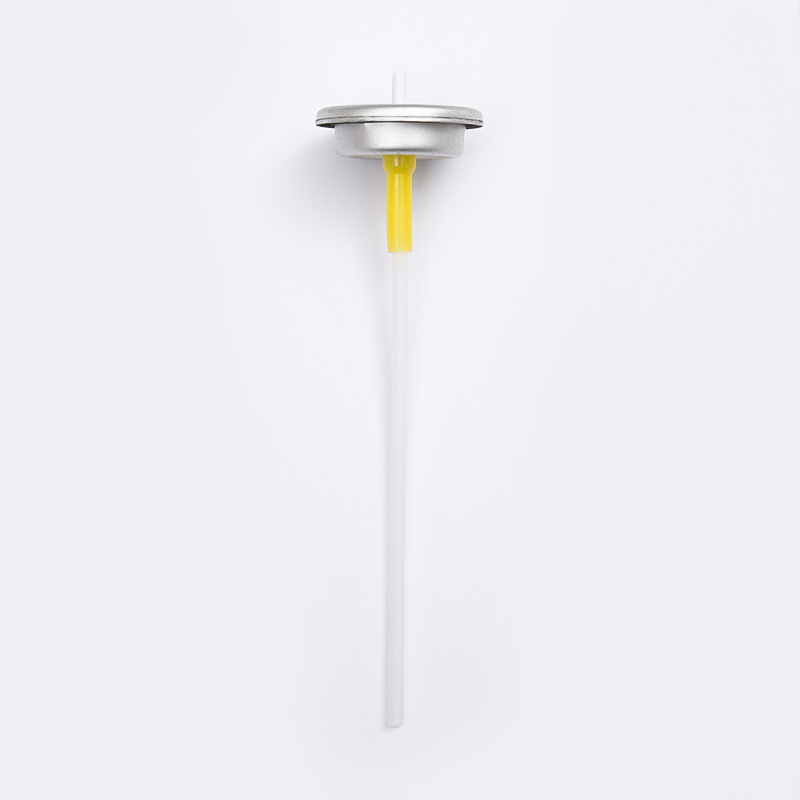
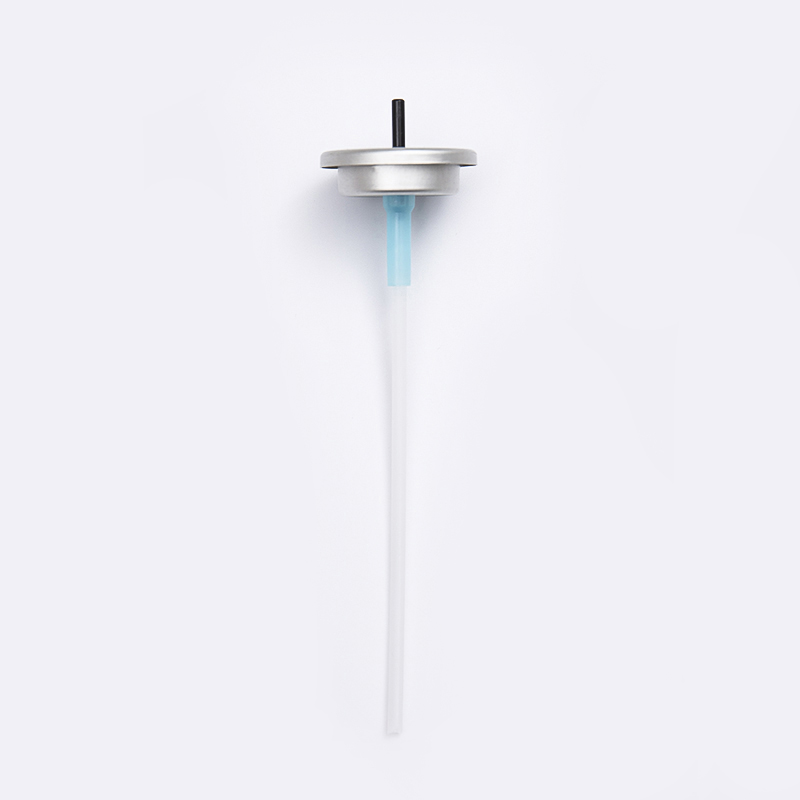
A BOV valve must seal tightly around the bag neck, withstand repeated compression cycles, maintain a smooth flow path, and work with the actuator to deliver the intended spray pattern. The cup material is part of that equation too. Tinplate cups offer strong mechanical properties and good corrosion resistance for standard aluminium cans, while aluminium cups provide a lighter weight and a cleaner recyclability profile.
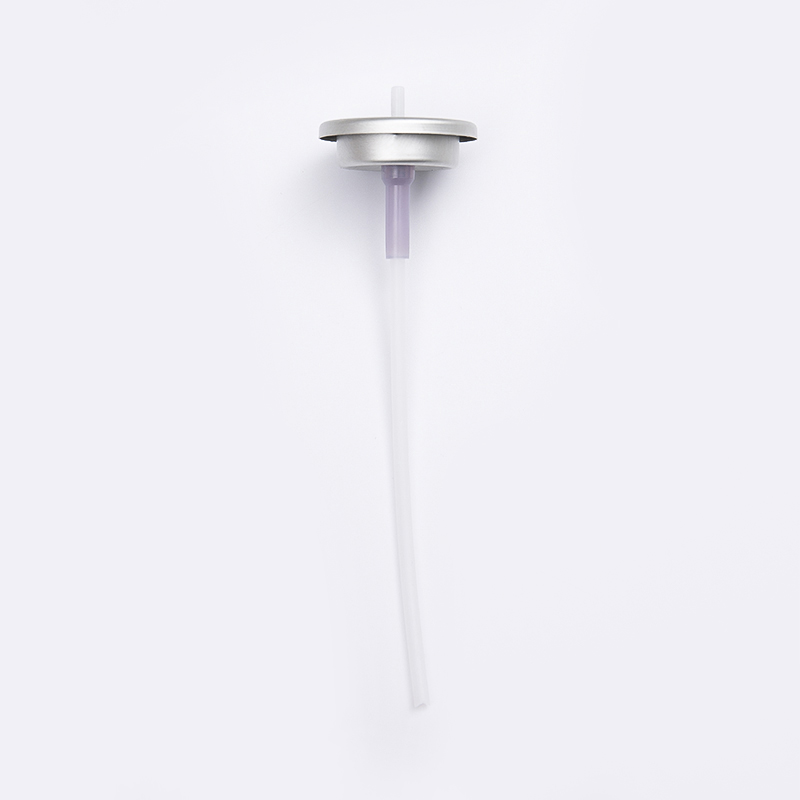
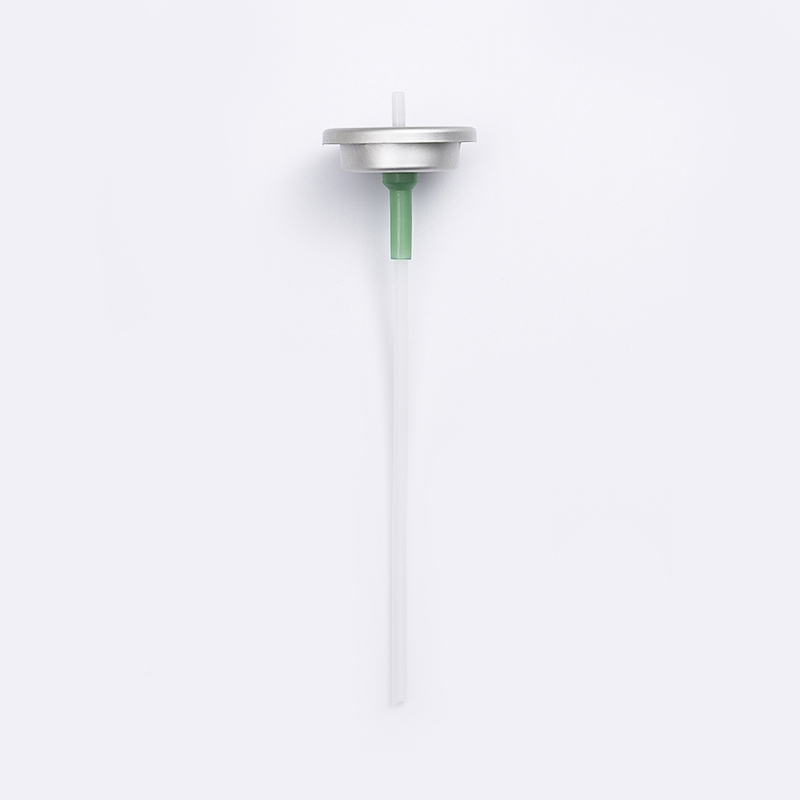
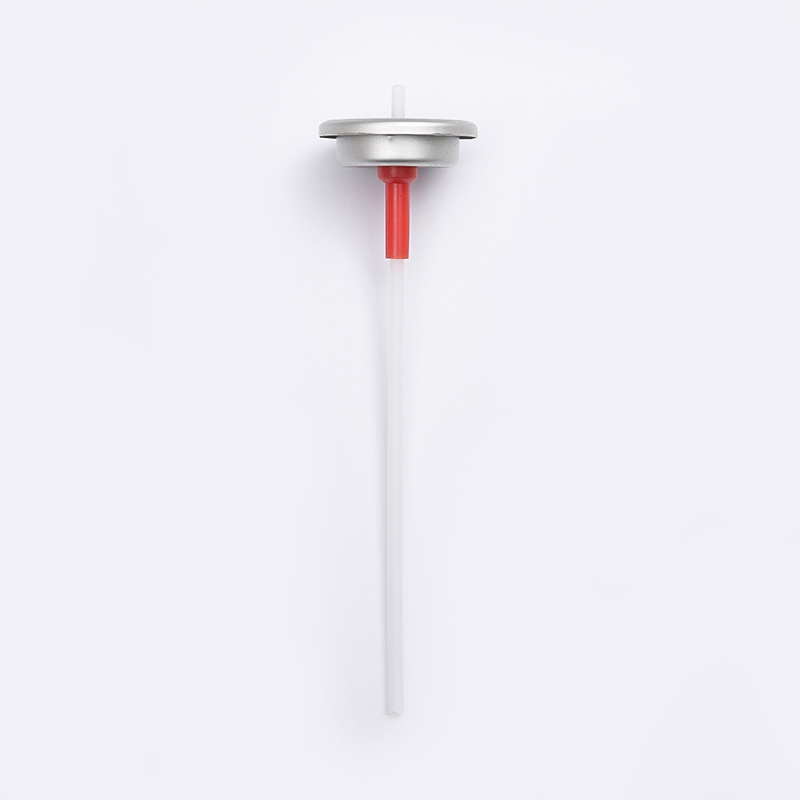
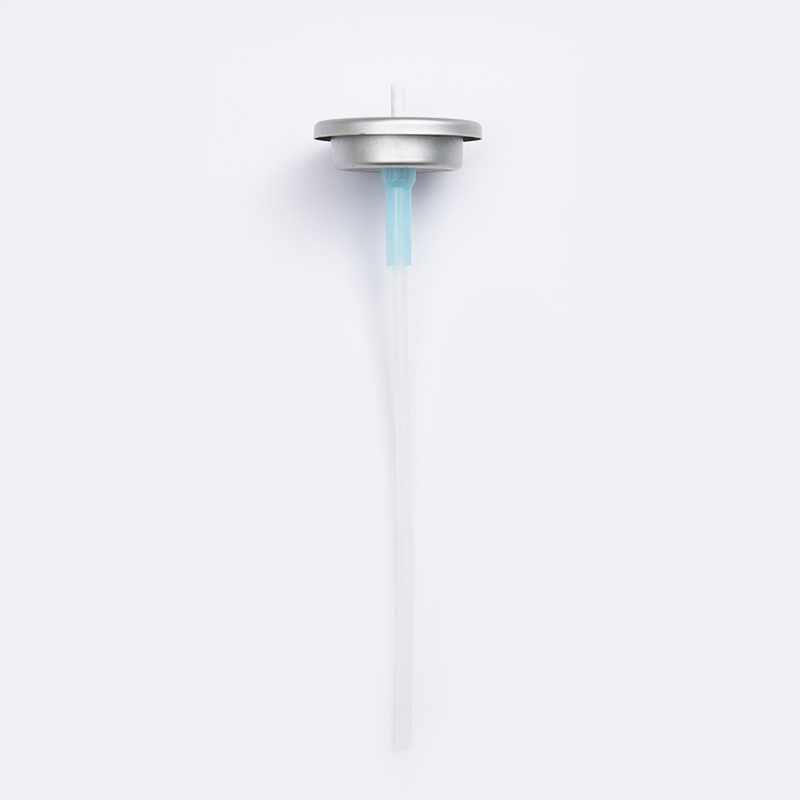
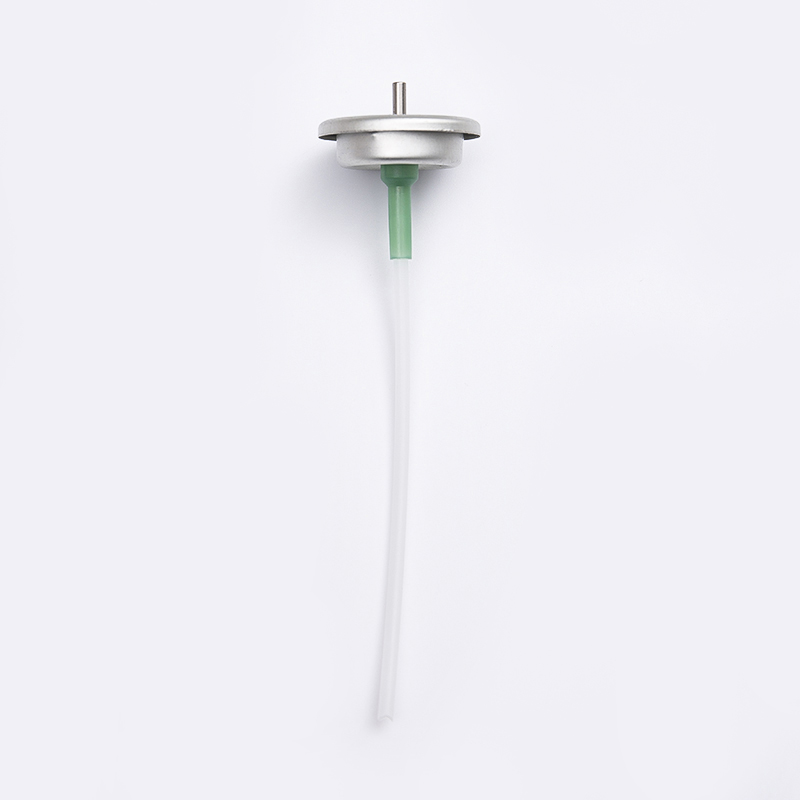
1 Inch BOV Valve with Tinplate Cup for Aluminium Cans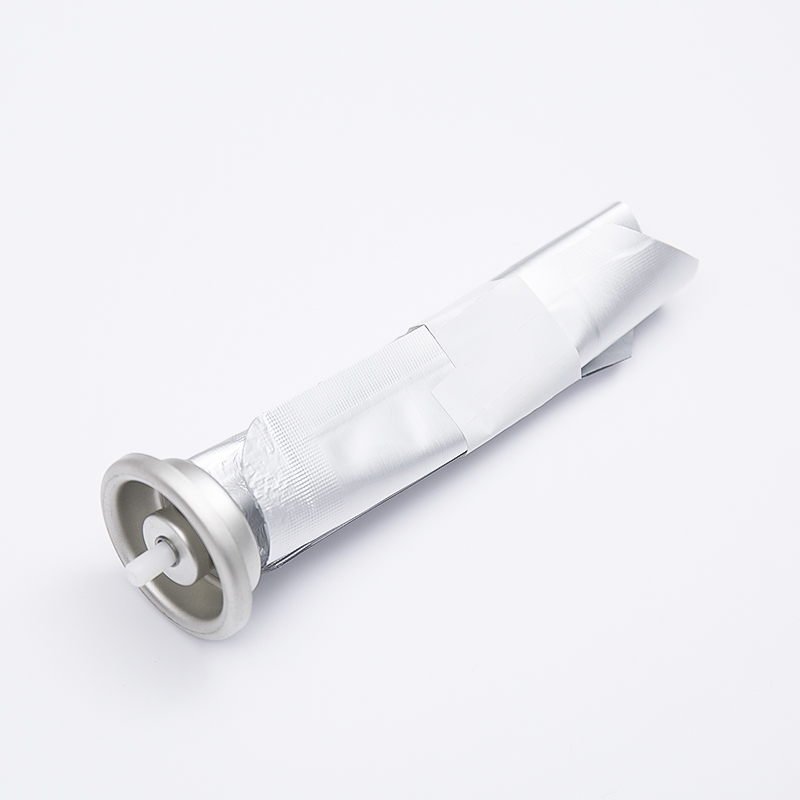 BOV-S4.00 BOV Valve Bag on Valve Aerosol Valve with tinpalte cup for aluminium canBOV-S4.00 BOV Valve Bag on Valve Aerosol Valve with tinpalte cup for aluminium can is an efficient and practical valve assembly designed for aluminium cans. The valve ...View Product →
How Does the Bag-on-Valve System Work?
The working cycle of a BOV system can be broken down into four stages:
- Charging. The product is filled into the bag, and compressed air or nitrogen is injected into the annular space between the bag and the can wall. Modern lines can do this through the valve or through a separate gas port on the can base.
- Sealing. The valve seats on the bag neck, and the gasket locks the system. A well-engineered valve keeps the bag gas-tight even after the can is dropped during handling or shipment.
- Dispensing. When the consumer presses the actuator, the valve stem moves and opens a product channel. The external gas pressure collapses the bag uniformly, pushing the formulation up through the valve and out of the nozzle.
- End of use. When the bag is fully compressed, the valve closes and stays sealed, preventing residual product from leaking. The can is then ready for disposal or recycling.
Compressed air and nitrogen are the most common BOV propellants because they are non-flammable, do not dissolve into the product, and are widely accepted under safety regulations.
One key difference from a conventional aerosol is that BOV does not use a dip tube. This removes orientation limits entirely. The product can be sprayed upside down, sideways, or at any angle. It also shortens the flow path, which matters for fragile formulations such as peptides, active skincare ingredients, or food essences that can be damaged by shear stress.
1 Inch BOV Spray Valve with Aluminum Cup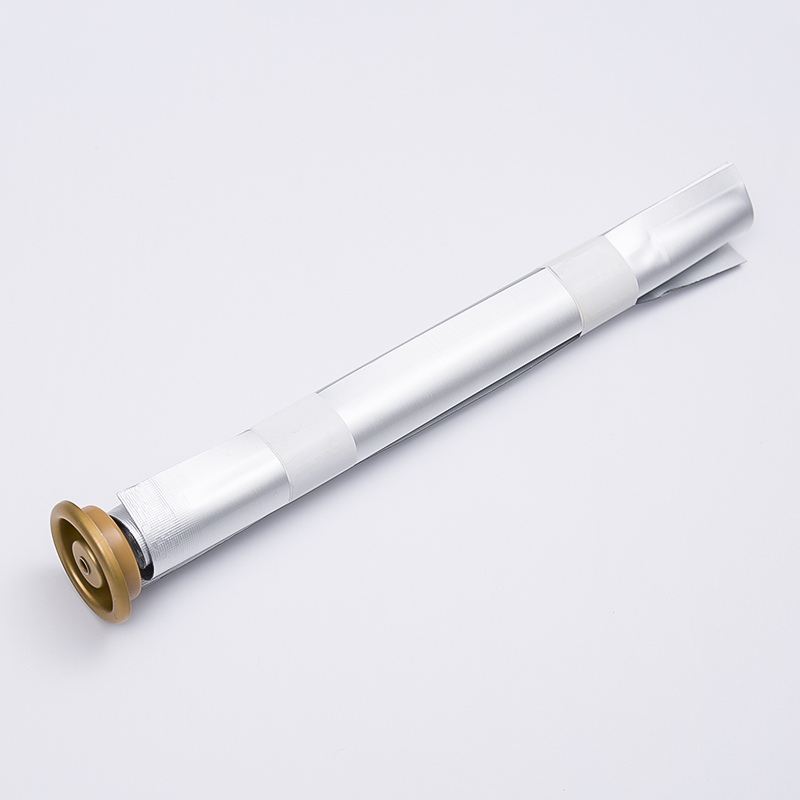 BOV-F3.60 1-Inch BOV Valve aerosol spray valve with Aluminum cupBOV-F3.60 1-Inch BOV Valve aerosol spray valve with Aluminum cup is a practical spray valve designed for aerosol products. With its excellent performance and stable op...View Product →
Key Benefits of Bag-on-Valve Packaging
The advantages of BOV are most visible when you compare how it behaves against a traditional aerosol. Four benefits stand out:
Pure Product Delivery
No propellant contact means no oxidation, no off-taste, and no chemical interaction. Food oils, active ingredients, and fragrance formulations stay true to their original profile.
Extended Shelf Life
The sealed bag environment slows moisture loss and prevents gas dissolution. Many BOV-packaged products remain usable for significantly longer than equivalent conventional aerosols.
All-Angle Dispensing
Since there is no dip tube, BOV cans can be used in any orientation. This is essential for applications like car care, medical wound sprays, and compact packaging that must work reliably in any position.
Lower Environmental Footprint
Compressed air and nitrogen are not hazardous propellants. BOV cans release only product, not flammable gas, and disposal is simpler because no special gas venting is required.
Bag-on-Valve vs. Conventional Aerosol
If you are assessing whether BOV is worth the additional unit cost, the table below shows the practical differences that affect formulation, filling, and consumer experience.
| Feature | Conventional Aerosol | Bag-on-Valve |
|---|---|---|
| Product-propellant contact | Yes | No |
| Spray orientation | Upright only | Any angle |
| Shelf life | Moderate | Extended |
| Propellant type | LPG, DME, HFC | Compressed air or nitrogen |
| Typical applications | Air freshener, hair spray | Pharma, food, sensitive personal care |
Applications of Bag-on-Valve Packaging
BOV systems are already used across a wide range of categories. The common thread is that the formulation needs to remain stable and be dispensed precisely, often in an orientation where a conventional aerosol would fail.
- Personal care - sunscreens, body lotions, hair serums
- Beauty - dry shampoo, setting mist, foundation
- Medical and pharma - wound care, nasal mist, burn treatment
- Food - cooking oil, flavour enhancer, food-grade spray
- Household - air care, fabric refresh, pet products
- Industrial - mold release, precision lubricant, cleaning spray
For each category, the valve and actuator must be matched to the viscosity and spray profile of the product. A fine-mist actuator that works for dry shampoo would clog and produce an uneven pattern with a thick sunscreen lotion. This is exactly why BOV packaging design is not just a can-specification exercise - it is a formulation and valve engineering exercise.
Selecting the Right BOV Valve
Once you decide to move forward with BOV, the valve is the first component to specify. Here are the five factors that matter most:
- Cup material and compatibility. Tinplate cups are durable and widely used for aluminium cans. Aluminum cups are lighter and easier to recycle. The cup must also match the can dome diameter and the sealing gasket.
- Valve stem diameter and flow capacity. Low-viscosity products benefit from a narrower stem that produces a fine mist. Viscous products require a wider flow channel to avoid clogging and shear damage.
- Actuator selection. The actuator defines the spray angle, the pattern, and the dose per stroke. For BOV, L-shaped and circular actuators are both common, and the correct choice depends on the intended use of the finished product.
- Pressure rating and safety. BOV cans are pressurised with gas, and the valve must be rated for the maximum expected pressure. It must not leak at high temperatures, during transport, or after multiple depressions.
- Manufacturing consistency. Small variations in gasket tension or spring rate cause inconsistent dosage. Ask the supplier how they control this, and what their acceptance criteria are before production runs.
These are the same questions that matter when you are choosing the right aerosol valve and actuator manufacturer for any aerosol project. In BOV specifically, the valve is not a commodity - it is a functional part of the product experience.
1 Inch Tinplate Cup BOV Spray Valve for Aerosol Cans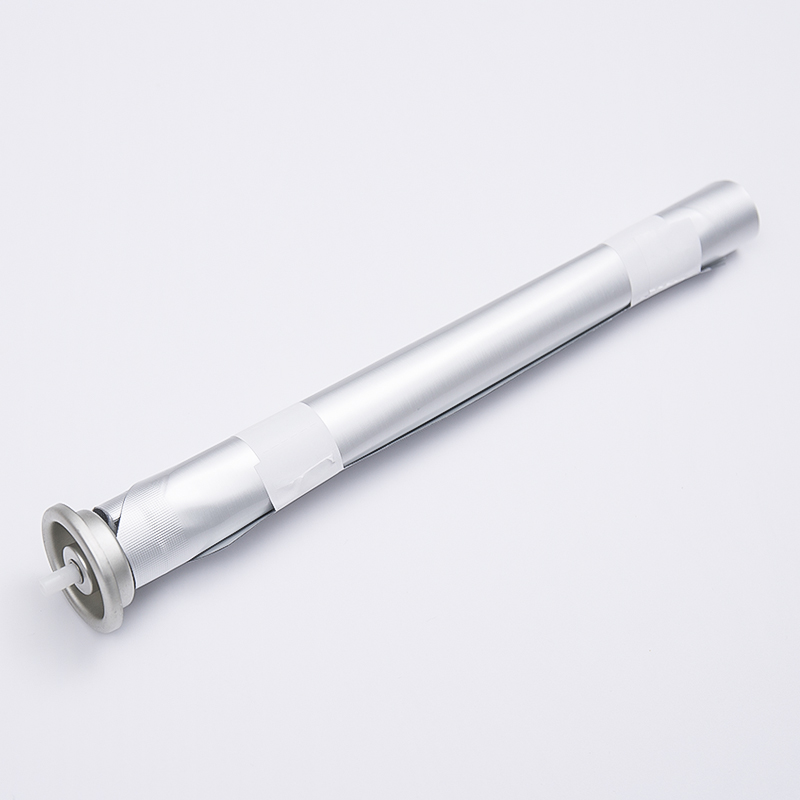 BOV-S4.60 BOV Spray Bag on Valve One Inch tinpalte cup Valve for Aerosol CanBOV-S4.60 BOV Spray Bag on Valve One Inch tinpalte cup Valve is an efficient and practical accessory designed for aerosol cans. Made of high-quality materials, the pro...View Product →
Common Questions About Bag-on-Valve Packaging
Q1: Is bag-on-valve packaging classified as an aerosol?
It depends on the regulation, but BOV is often treated as a non-aerosol system because it uses compressed gas instead of a flammable liquefied propellant. It is still a pressurised package and falls under pressure equipment rules.
Q2: Can BOV handle viscous products?
Yes. Gels, creams, and high-viscosity liquids can be dispensed from BOV when the valve diameter, actuator, and bag are selected for that formulation. Viscosity directly affects the recommended stem size and orifice diameter.
Q3: What is the pressure inside a BOV can?
Typical fill pressures range from 4 to 8 bar, depending on the can wall strength, product viscosity, and desired flow rate. The valve must be qualified to withstand the maximum pressure without leakage.
Q4: Does BOV work upside down?
Yes. Because there is no dip tube, the external gas presses against the bag from all sides, so the product flows out regardless of how the can is held. That is why BOV is used in car care and medical spray applications.
Q5: Why is BOV more expensive than a conventional aerosol?
The bag, the specialised valve, and the filling process are all more complex. But the extra cost is often recovered through reduced product loss, longer shelf life, lower propellant costs, and a stronger brand story that consumers notice.
Bag-on-valve packaging ultimately depends on one engineering truth: the valve defines whether the package performs. A poorly sealed valve will collapse the bag too early, produce an inconsistent spray, or fail under temperature swings. The strongest BOV products are developed by teams that understand both the formulation and the mechanical behaviour of the valve - and that is why working with a supplier who can identify reliable aerosol valve manufacturers before you sign is essential for a successful launch.