English
 中文简体
 Español
 عربى

A valve order can pass incoming inspection, run cleanly through assembly, and still fail on a shelf eighteen months later — because one gasket lot swelled in an ethanol-rich formula and the can quietly lost nine grams of propellant.
That is the gap aerosol valve production quality control is built to close. It is not one end-of-line inspection. It is a chain of checks that starts with the gasket compound and the spring wire, moves through stem molding and cup assembly, and ends with a signed batch release. Remove one link and the failure appears at the filling line, inside a stability chamber, or in a customer complaint — rarely in the QC report itself.
Here is what a metered valve line actually measures, which tolerances carry real weight, and what to ask before you approve a supplier.
What Aerosol Valve Production Quality Control Actually Covers
Quality control on a valve line reduces to five variables, checked in a fixed order and recorded against a batch number.
- Metering volume — how many microlitres leave the valve per actuation, and how far that number drifts across the batch.
- Seal integrity — gasket compression, cup crimp dimensions, and the leak rate that follows from both.
- Mechanical function — spring force, stem travel, actuation force and the valve's ability to re-seat after every press.
- Material compatibility — how gasket, stem and cup behave in the real concentrate, not in a generic solvent.
- Traceability — which lots of gasket, spring, stem and cup went into which batch, and who released it.
Everything else on a QC plan — the gauges, the charting, the retention samples — exists to measure one of those five.
The figures above describe common industry practice for metered aerosol valves, not a specification for any single product.
The Six Parameters That Get Measured on Every Line
Most valve defects trace back to a small group of measurable values. If a supplier's QC plan does not name them explicitly, the plan is a promise rather than a process.
| QC parameter | What it protects | Typical method | Common control level |
|---|---|---|---|
| Metering chamber volume | Dose delivered per actuation | Gravimetric dose test on filled or simulated samples | Within ±10% of nominal, tighter for pharmaceutical use |
| Stem diameter and finish | Actuator fit and seal quality | Go and no-go gauges, optical inspection | Per drawing, for example 2.80 mm nominal |
| Cup crimp height and diameter | Gasket compression and long-term seal | Crimp gauge at high sampling frequency | Both dimensions read together against the crimp spec |
| Spring force | Reliable re-seating after every press | Load test on sample springs | Inside the specified force window |
| Leak rate | Propellant retention over shelf life | Inline pressure or vacuum decay, hot water bath, weight-loss test | No visible leakage; weight loss inside product limits |
| Actuation force and stroke | Consistent user feel and spray quality | Force gauge and travel measurement | Inside the specified window across the batch |
Crimp height and crimp diameter are the pair most often mishandled. A correct diameter with a low crimp height produces the same propellant loss as an out-of-round cup.
Five Checkpoints That Decide Whether a Batch Ships
A workable sequence, in the order a batch moves through the plant.
1. Incoming Material and Gasket Verification
Gaskets arrive with a certificate of analysis, and a certificate is not evidence. A serious plan pulls a retention sample from every gasket lot, checks hardness, and soaks the material in the actual concentrate for a defined period. Nitrile, EPDM and fluorocarbon compounds behave very differently in ethanol, DME and hydrocarbon propellants, and an unannounced material substitution is a frequent root cause of leak complaints.
2. In-Process Dimensional and Dose Control
On a running line, dose is verified by weight: dispensed mass is converted back to volume using concentrate density. Sampling usually runs every 30 to 60 minutes on an X-bar and R chart, so a slow drift in chamber volume shows up as a trend long before it becomes a rejected batch. In the same interval, stem diameter, crimp height and crimp diameter are checked against the drawing — and the gauges themselves are re-verified.
3. One Hundred Percent Leak and Pressure Screening
Every assembled valve passes an inline leak test, normally pressure decay or vacuum decay, before it reaches a can. After filling, cans run through a hot water bath, commonly around 55 °C, which expands the contents and exposes any seal that would fail in a warm warehouse or a delivery truck. Laboratory weight-loss testing then runs for weeks at elevated temperature to confirm retention for the declared shelf life.
4. Functional and Endurance Testing
Dose accuracy means little if the valve sticks on the fortieth press. Endurance runs take samples through 1,000 to 2,000 actuations while recording actuation force, spray rate in grams per second, spray pattern and the point where output falls off. Actuators from the same batch go through a prime and deprime check, because an L-shaped actuator that primes in four presses on one valve and twelve on another creates complaints that have nothing to do with the valve.
5. Final Sampling and Batch Release
Release sampling is where statistics replace heroics. AQL-based plans such as ISO 2859-1 define how many units to pull, which defects count as critical, major or minor, and the acceptance number for each class. The batch record then ties the result to gasket lot, spring lot, stem lot, line and date.
Dose Accuracy: The Number Buyers Check First
Ask ten buyers what they check first and eight will say the dose. A metered valve holds a fixed chamber, and each press releases that chamber, which is why nominal values run in familiar steps of 25, 50, 75, 100, 120, 150 and 200 mcl. The real question is not whether the first valve delivers 100 mcl. It is whether the ten-thousandth valve from the same batch, filled on a different shift, still delivers it.
The mechanics behind that repeatability are explained in this guide to how metered aerosol valves achieve precise quantitative dosing.
Three factors move the number: chamber volume control during molding, the gasket's ability to re-seal after each stroke, and concentrate viscosity, which shifts with temperature. A valve validated at 20 °C with a thin alcohol formula can deliver noticeably more at 40 °C in a thicker emulsion. Dose verification therefore belongs at both ends of the temperature range the product will actually meet, not only in a 23 °C laboratory.
For inhalation and nasal applications the tolerance tightens further, and the valve is usually a 1 inch metered dose design with a 2.80 mm stem, an aluminum cup and full batch documentation.
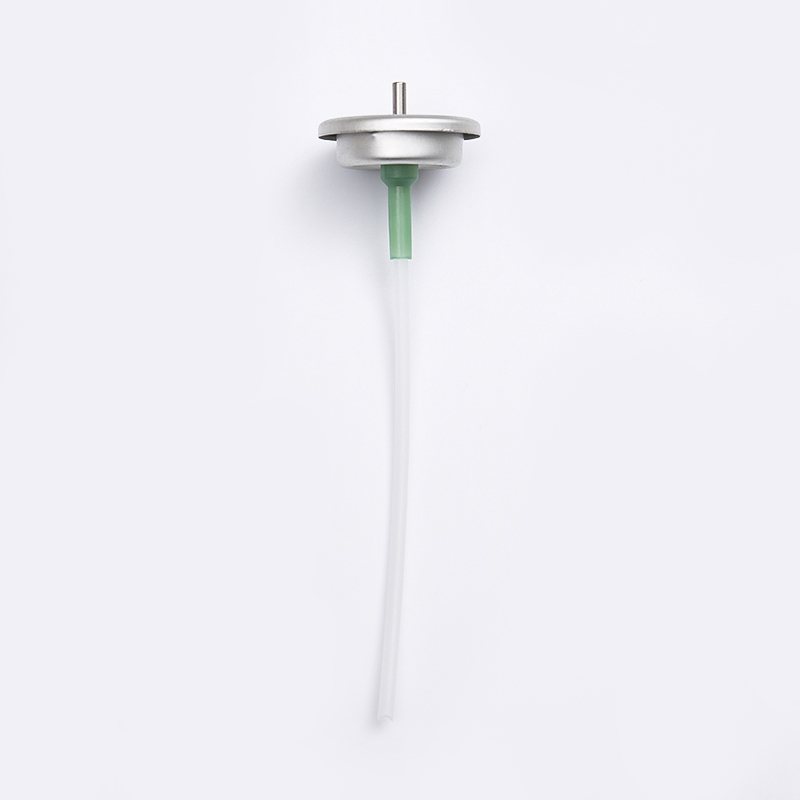
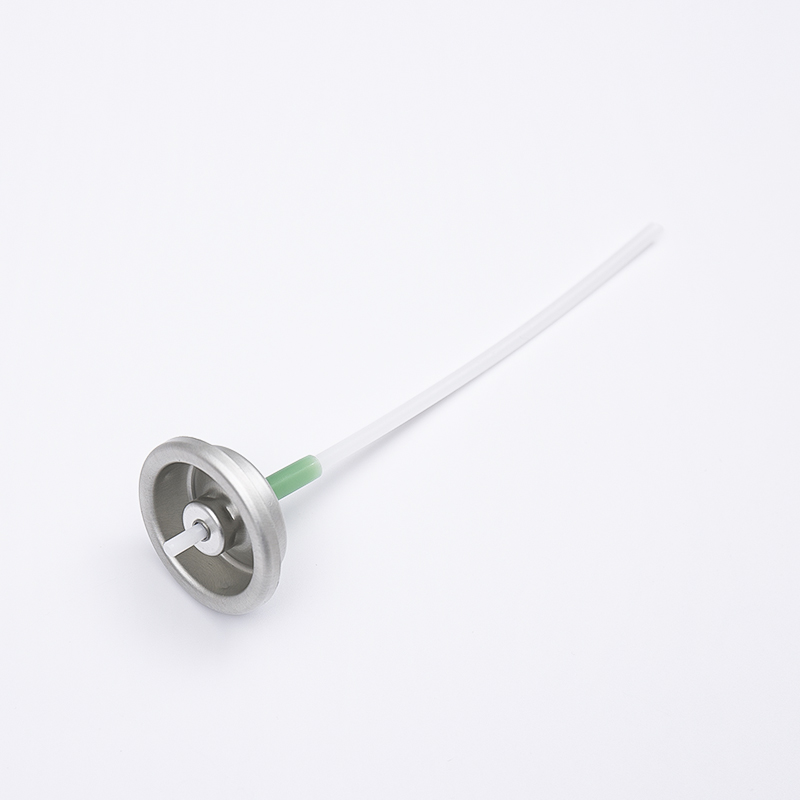 D1S2.8 One-Inch Metered Dose Inhaler ValveA one-inch metered dose valve with metal stem, aluminum cup, and 150 mcl output for inhalation and pharmaceutical dosing.View Product →
Where the Requirements Tighten: Air Care, Inhalation and Fire
Air fresheners and deodorants are the volume application, and the quality risk sits in the actuator as much as in the valve. A 20 mm metered valve paired with the wrong nozzle orifice will meter perfectly and still spray a wet stream instead of a fine mist, so dose testing and spray pattern testing belong in the same protocol.
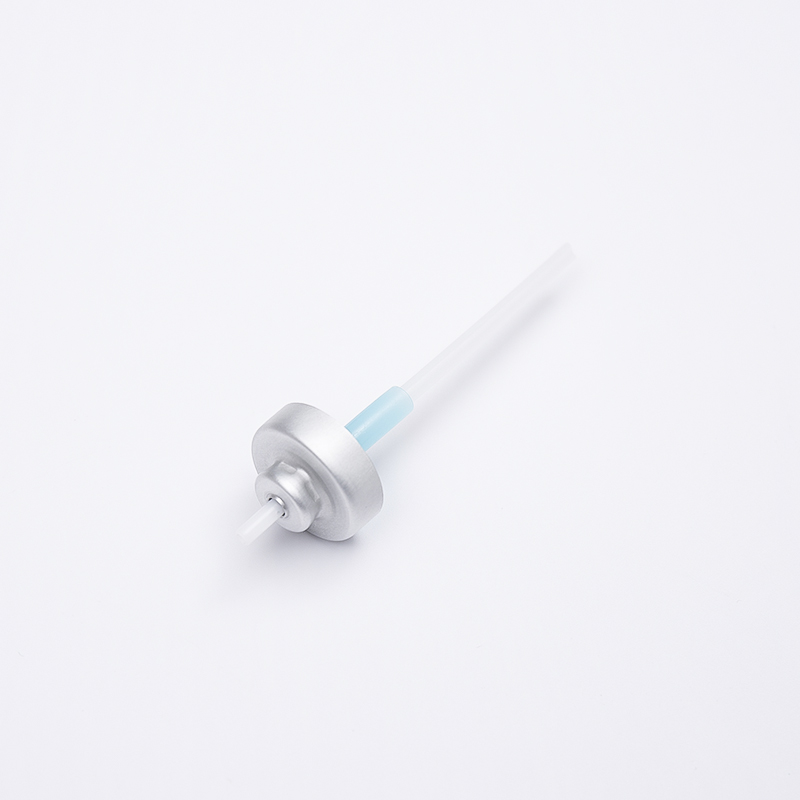 D20S2.8 20 mm Metering Aerosol Valve with Plastic StemA 20 mm metering valve with 100 mcl dose and plastic stem for detergents, lubricants, and cosmetics requiring precise release.View Product →
Fire extinguisher valves and cassette gas valves sit at the other end of the range. Acceptance criteria there are pressure retention, discharge rate and cycle life rather than microlitres, and the cost of a marginal seal is measured in safety rather than in satisfaction scores.
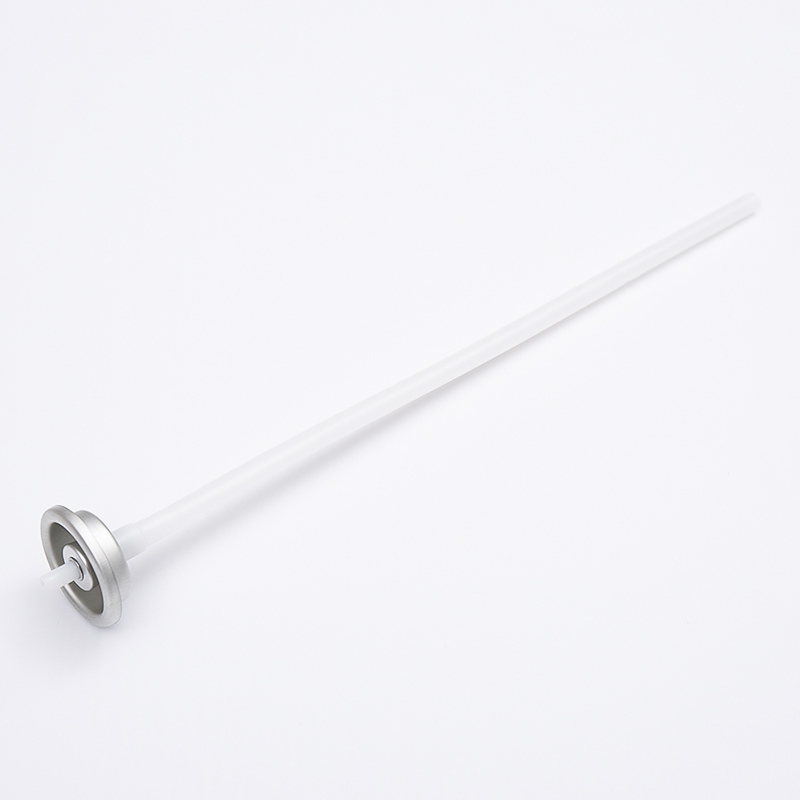 M-S4.60 One-Inch Tinplate Cup Fire Extinguisher ValveA one-inch tinplate cup valve for dry powder and liquid aerosol extinguishing agents, designed for reliable discharge and leakage prevention.View Product →
Documentation, Traceability and Audit Readiness
Quality that cannot be demonstrated is quality that cannot be sold into regulated markets. A valve batch should be reconstructable from paperwork: gasket compound and lot, spring lot, stem molding parameters, assembly line and shift, inline leak test records, sampling results, and the name of the person who released it.
Retention samples matter more than most buyers expect. Keeping sealed samples from each batch for the shelf life of the finished product turns a field complaint into a laboratory comparison. When a customer reports a weak spray two years after delivery, the fastest answer is a retained valve tested beside the returned one.
How to Check a Supplier's QC Before You Place the Order
Brochures describe capability; audits describe control. These checks take a day and prevent months of trouble.
- Ask for the process flow with every inspection point marked, and count how many are 100 percent checks rather than sampling.
- Request the crimp specification and the calibration records for the gauges used to verify it.
- Ask what happens to a batch that fails inline leak testing — rework, scrap, or repeat testing until it passes.
- Ask for one sample batch record with the customer name removed.
- Ask which soak test protocol would be used for your specific formula, and how retention samples are stored.
- Confirm who signs the release, and whether that person can stop a line.
A plant running ten automatic 1 inch valve lines and four 20 mm lines has to build these checks into the machine cycle; there is no practical way to hand-inspect that volume after the fact. If the answers you receive are vague, a structured supplier review is the next step: how to identify reliable aerosol valve manufacturers before you sign.
Frequently Asked Questions
Q1: What is the single most important check on an aerosol valve?
Leak tightness comes first, because a valve that loses propellant fails regardless of how accurate its dose is. One hundred percent inline screening plus a hot water bath after filling covers most of that risk.
Q2: What dose tolerance is normal for a metered valve?
Around ±10% of nominal is a common commercial target. Inhalation and nasal products are usually specified tighter, with additional requirements on dose uniformity and particle size.
Q3: Why is a hot water bath used on filled cans?
Heating to roughly 55 °C raises internal pressure and reveals seals that would fail in a warm warehouse or delivery vehicle. It is a fast, whole-batch pressure test rather than a statistical sample.
Q4: How long should propellant retention be tested?
Elevated-temperature weight-loss testing typically runs for several weeks to months, and the results are correlated with the declared shelf life. Retention samples from production batches are what make that correlation defensible later.
Next Step: Test the Valve, Not the Brochure
Quality control is only convincing when it is specific: a named parameter, a gauge with a calibration date, a batch record you can read. Ask for those three things and most supplier conversations become much shorter.
Send your specification for a QC-matched valve sample. Include dose in mcl, cup material, gasket requirement, concentrate type and annual volume. Our team will confirm the inspection points that apply to your product, the sampling plan behind them, and the lead time for your first batch.