English
 中文简体
中文简体 Español
 عربى
عربى
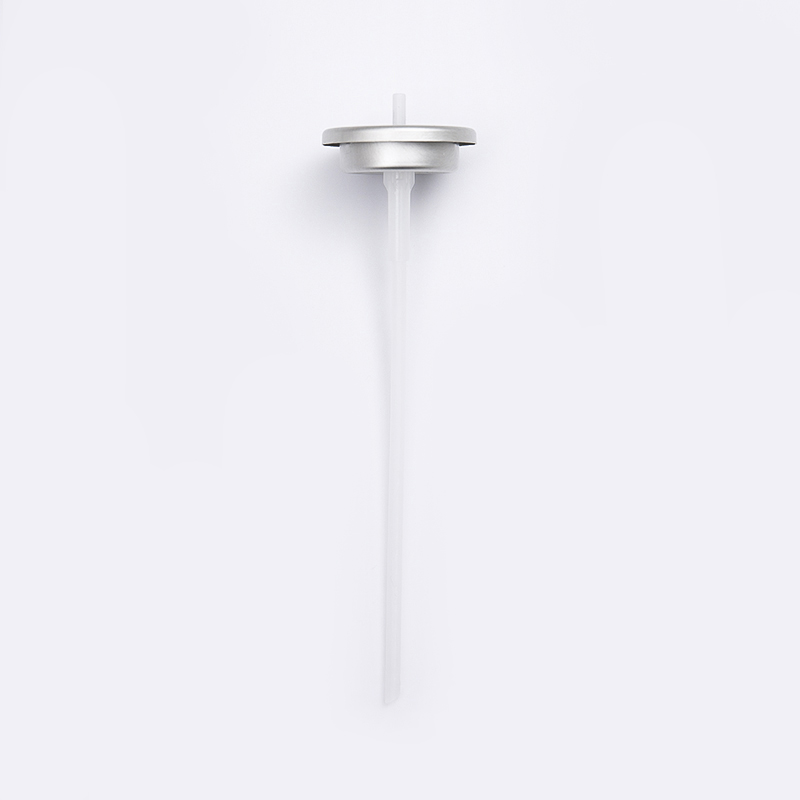
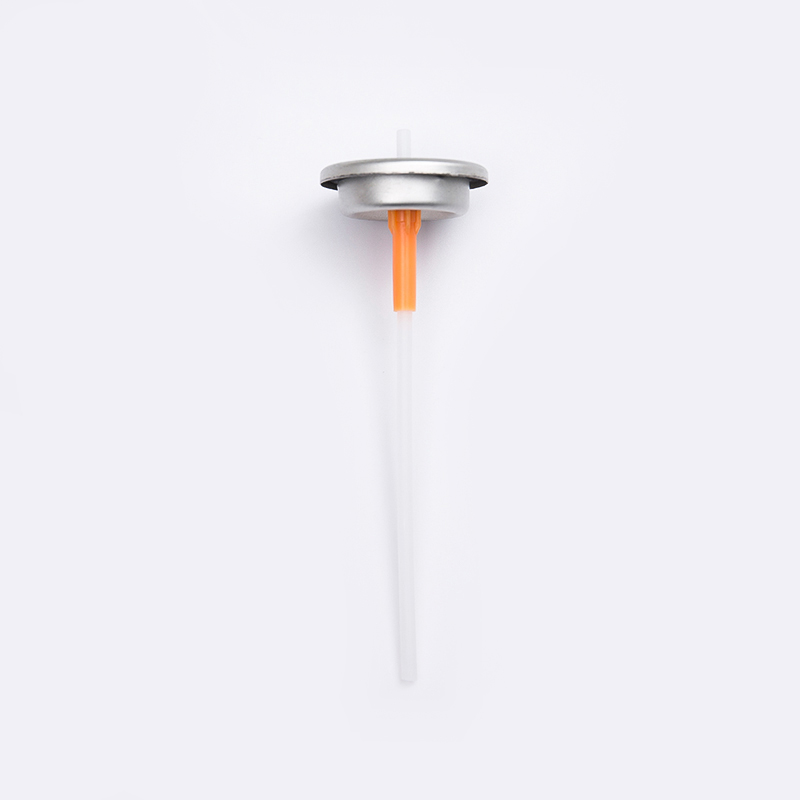
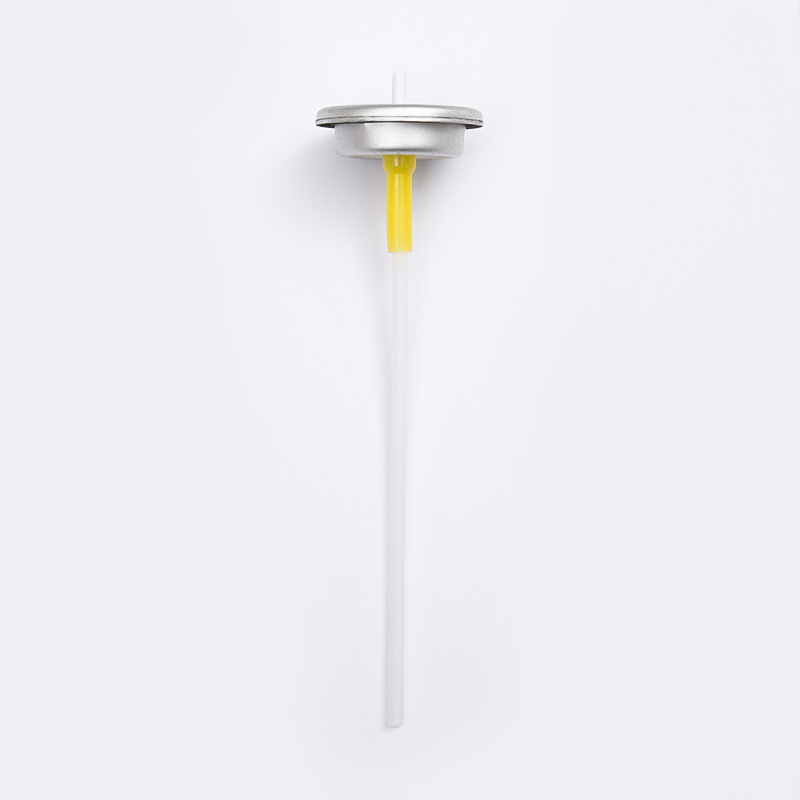
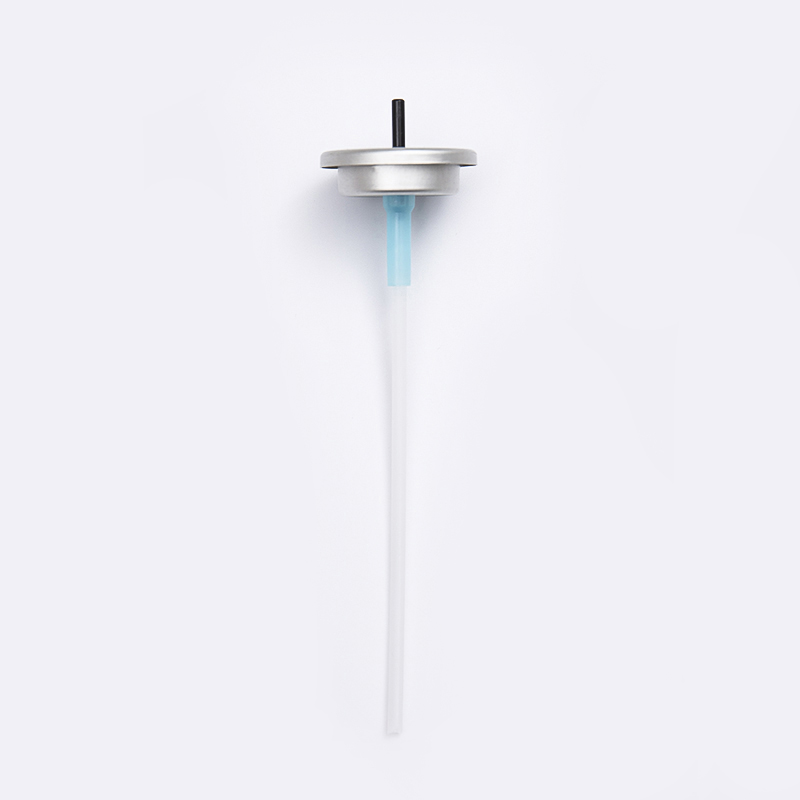
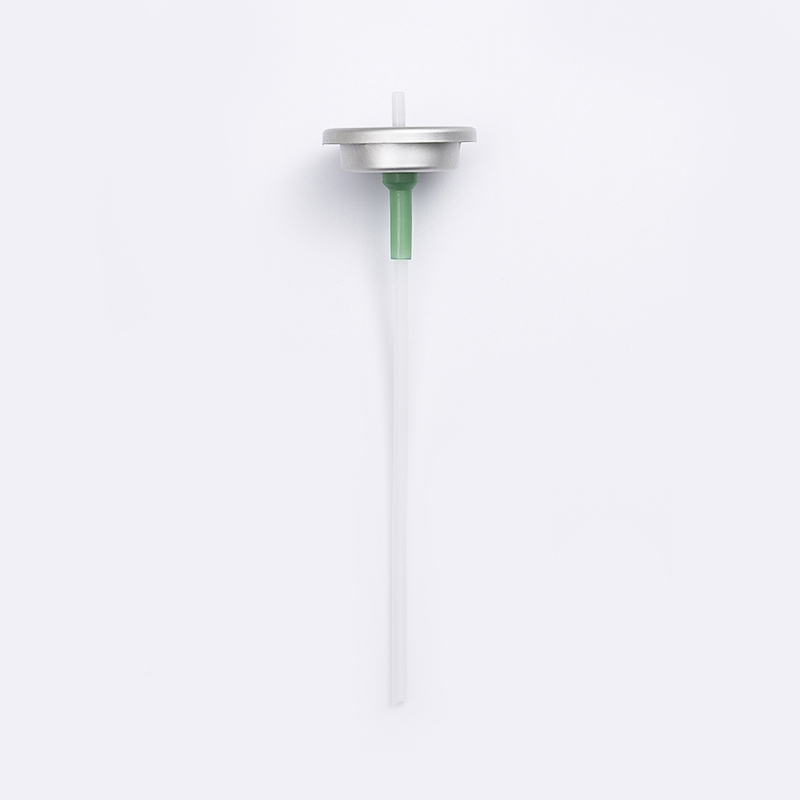
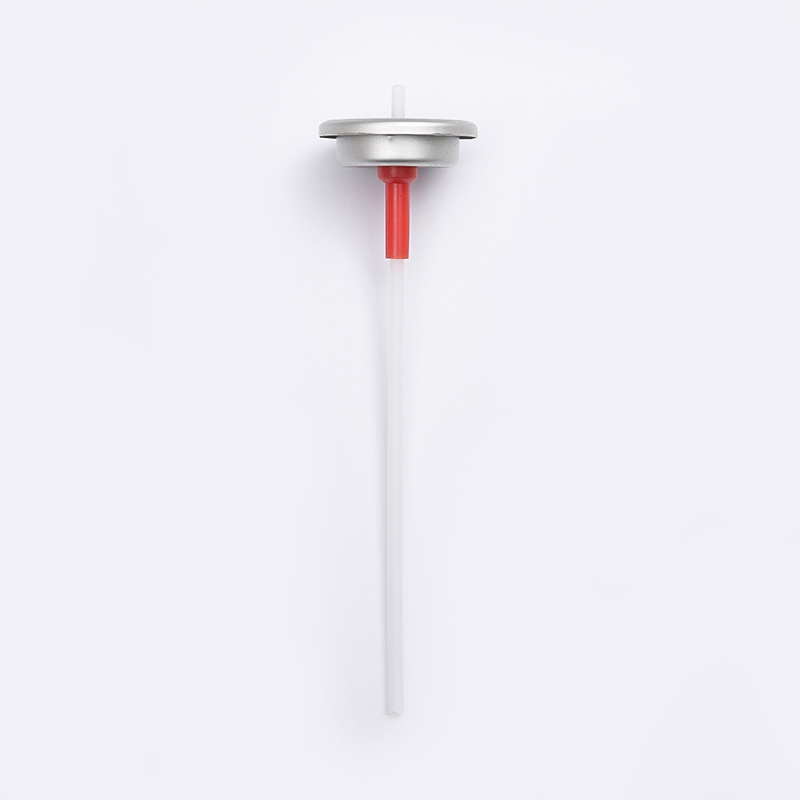
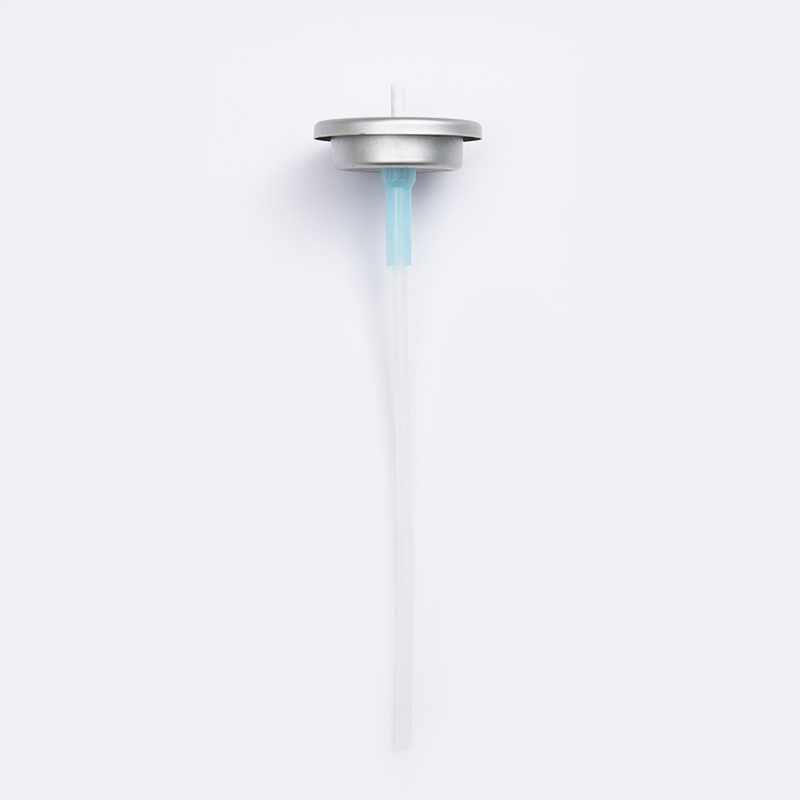
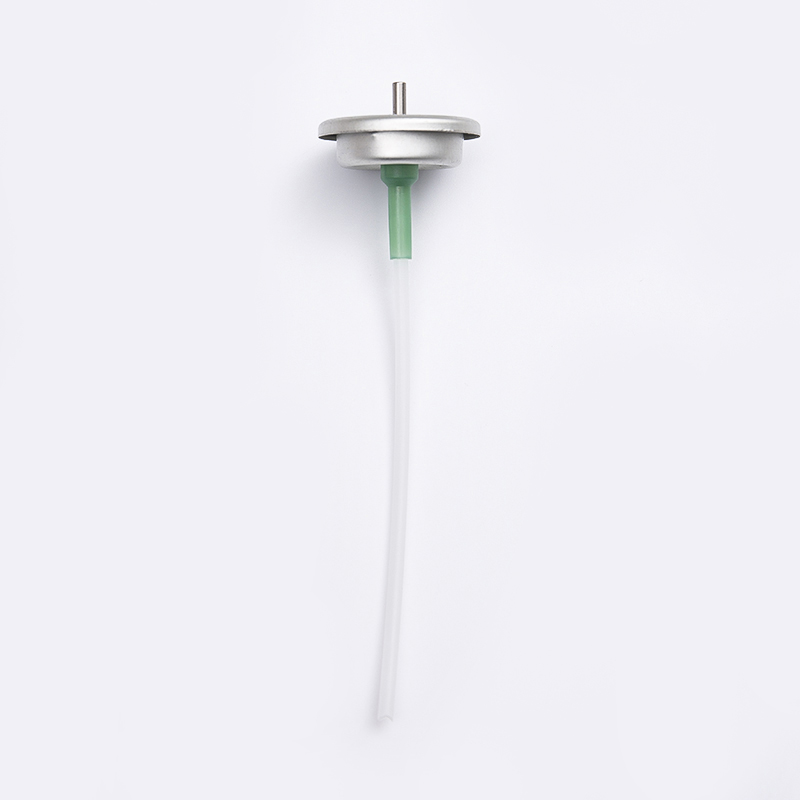
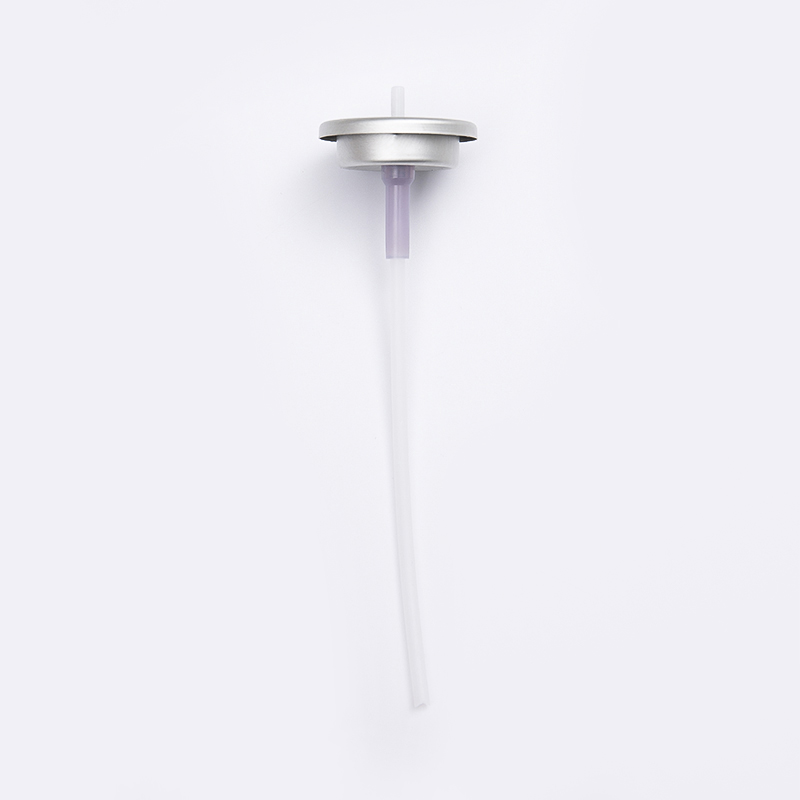
Understanding the mechanics, tolerances, and material science behind one inch quantitative valve systems, the 4.60 valve core series (plastic), and the 2.80 valve stem families.
1. Stroke-Volume Distribution Across Valve Families
Quantitative aerosol dispensing relies on the repeatable relationship between stem travel and delivered volume. The following horizontal bar chart compares nominal fill volumes for the three core component families under identical crimping and actuator conditions.
2. Actuation Consistency: Fill Volume Drift Over 10k Cycles
Long-term precision is critical for pharmaceutical and industrial applications. The line chart below tracks average delivered dose deviation for the three core platforms over 10,000 actuations.
3. Dosing Precision Metrics (Relative Standard Deviation)
Lower RSD indicates higher shot‑to‑shot reproducibility. The following column chart summarises RSD values for each valve configuration under controlled temperature and propellant pressure.
4. Multi‑Attribute Performance Radar
Comparing five key performance indicators – metering repeatability, pressure stability, stem durability, chemical compatibility, and volumetric linearity – across the three platforms.
5. Metered Dose Cycle: From Crimp to Actuation
The metered valve operates via a vacuum‑assisted filling principle. The flowchart below visualises the five critical phases that ensure quantitative aerosol dispensing.
6. Dimensional Tolerances and Flow Control
The 2.80 valve stem geometry directly influences the metered dose aerosol valve performance, particularly in the critical seal area. The table below compares key dimensional limits.
These tolerances directly affect the vacuum metering valve refill rate and the consistency of the aerosol valve spray pattern, especially when using high‑viscosity formulations.
7. Material Selection and Chemical Compatibility
Plastic vs. metal stem choices influence corrosion resistance and dimensional stability. The 4.60 valve core series (plastic) uses acetal copolymer, while the 2.80 stem is offered in both plastic and stainless steel variants. Each material exhibits distinct swelling coefficients in polar solvents.
- Acetal (POM) – low moisture absorption, excellent creep resistance, suitable for most hydrocarbon and HFA propellants.
- Stainless steel 316L – superior for aggressive solvents, high‑temperature stability, and ozone‑degrading formulations.
- NBR / EPDM seals – paired with the valve core to ensure leak‑tight metering over 5+ years of shelf life.
In accelerated aging tests (55°C, 75% RH), acetal stems showed ≤0.2% dimensional change after 6 months, whereas metal stems remained within 0.05%.
8. Practical Tuning for Target Dose Accuracy
Adjusting the precision aerosol valve core stroke and spring pre‑load allows fine‑tuning of the delivered volume. Typical adjustments include:
- Varying stem travel length (0.8 – 1.4 mm) changes chamber fill volume.
- Modifying the dip tube ID affects refill rate, particularly for high‑viscosity products.
- Using a smaller orifice in the actuator insert increases spray velocity and reduces particle size.
For example, reducing the stem travel by 0.1 mm lowers the metered volume by approximately 3‑4 µL, enabling precise calibration without changing the core geometry.
Measured spray valve technology leverages these adjustments to achieve dose accuracies within ±1.5% over the entire product life, as verified by cascade impactor and gravimetric analysis.
9. Quality Assurance and In‑Process Controls
For high‑volume production, statistical process control (SPC) is applied to every crimping and filling station. Key checkpoints include:
- Fill weight check – 5 samples every 15 minutes, tolerance ±1%.
- Leak test – vacuum decay method, <0.05 mbar/s threshold.
- Actuation force – monitored via load cell, 15‑25 N range.
Using these controls, the reject rate for dose inaccuracy can be kept below 0.3% across the one inch quantitative valve family.
10. Frequently Asked Questions
Q1: What is the difference between a metered valve and a continuous spray valve?
A metered valve delivers a pre‑measured, fixed dose per actuation, while a continuous spray valve releases product as long as the actuator is pressed. The metered version uses a closed chamber that fills and discharges a specific volume.
Q2: How does the 4.60 valve core series achieve higher dosing volume than the 2.80 stem?
The 4.60 core has a larger internal chamber diameter and longer stroke, allowing it to capture up to 68 µL per actuation, compared to 38 µL for the 2.80 stem. The geometry also optimises the vacuum refill path.
Q3: Can plastic valve components be used with aggressive solvents?
Acetal and PBT materials are compatible with most aliphatic hydrocarbons, alcohols, and HFA propellants. However, for ketones, esters, or strong acids, metal‑stem variants or specially coated cores are recommended.
Q4: What is the typical service life of a quantitative aerosol valve?
Under normal use (20‑25°C, 40‑60% RH), the valve can exceed 50,000 actuations with less than 2% drift in delivered volume, provided the crimping force and spring integrity are maintained.
Q5: How is the metering chamber refilled after each spray?
Refilling relies on the vacuum created when the stem returns to its resting position; the pressure differential between the chamber and the can interior draws the next dose from the product concentrate.