English
 中文简体
中文简体 Español
 عربى
عربى
How to Select the Right Aerosol Valve Actuator and Spray Nozzle
Choosing the correct Nozzle, C-Series Nozzle, L Series Nozzle, or Aerosol Valve directly impacts spray performance, user satisfaction, and material efficiency. This guide delivers data-driven insights into actuator types, spray characterisation, and selection workflows — without fluff or brand bias.
Defining Actuator Families
- aerosol valve actuator – the complete top-assembly that dispenses product.
- foam actuator – incorporates a mesh or porous insert to aerate the formulation.
- spray actuators – generic term for any non-foam, non-stream discharge.
- actuator in aerosol – the critical interface between valve and user.
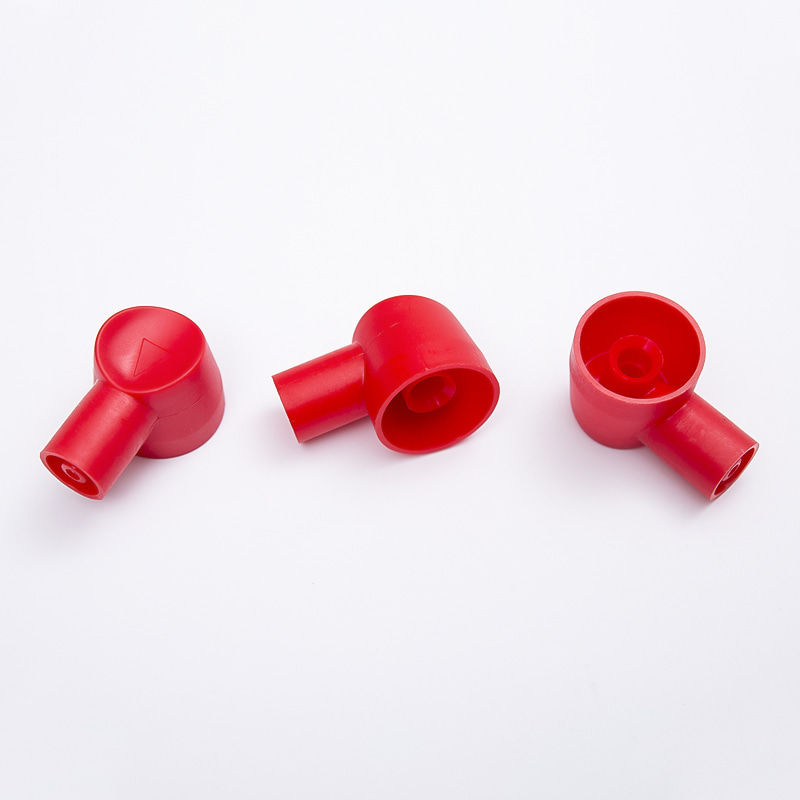
C-Series Nozzle – circular spray pattern, ideal for directional fine mist
Spray Nozzle Types: Performance Metrics
Selecting among aerosol spray nozzle types requires balancing droplet size, spray angle, and flow rate. The table below compares typical values for three common architectures.
| Nozzle Type | Droplet Size (µm) | Spray Angle (°) | Flow Rate (g/s) |
|---|---|---|---|
| Fine Mist | 30–60 | 55–65 | 0.8–1.2 |
| Foam | N/A (bubble) | 40–50 | 1.5–2.5 |
| Directional Stream | 150–300 | 15–25 | 2.0–3.5 |
C-Series vs. L-Series: When to Choose Which
The C-Series Nozzle delivers a symmetric, circular spray pattern, while the L Series Nozzle uses an L-shaped flow path for precise directional application. Choose C‑Series for broad surface coverage; choose L‑Series for targeted, low-drift applications.
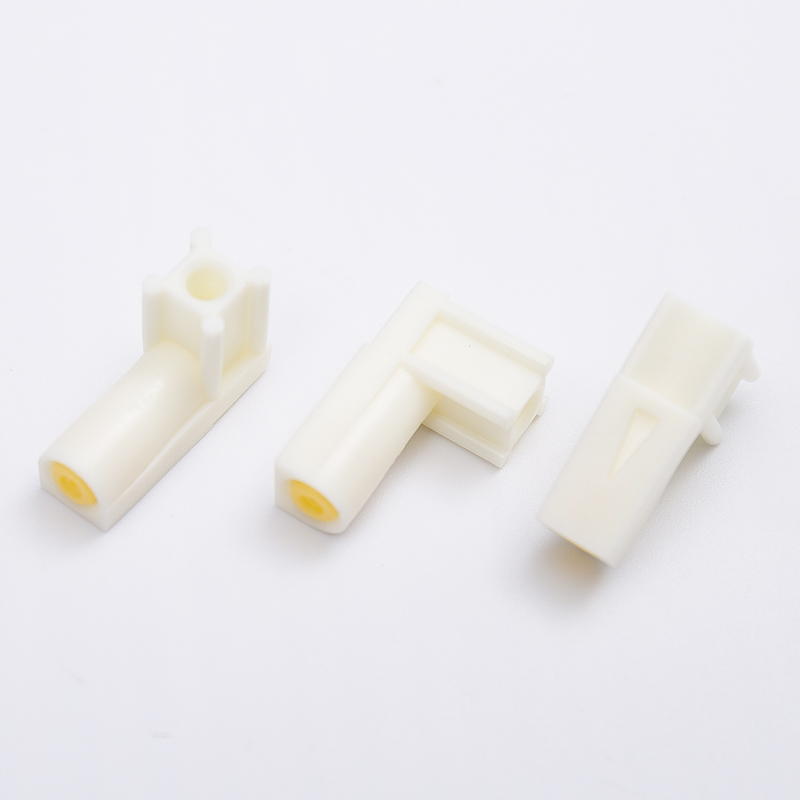
L Series Nozzle – L-shaped flow for precise directional spray
Actuator Material & Mechanical Design
Plastic aerosol nozzles are predominantly made from POM, PP, or PA. Material choice affects chemical compatibility, creep resistance, and tactile feel. A well-designed actuator spray should maintain consistent stroke force over 500+ cycles.
Selection Workflow: From Concept to Production
Follow this decision flowchart to match your product requirements with the right aerosol can actuator and nozzle.
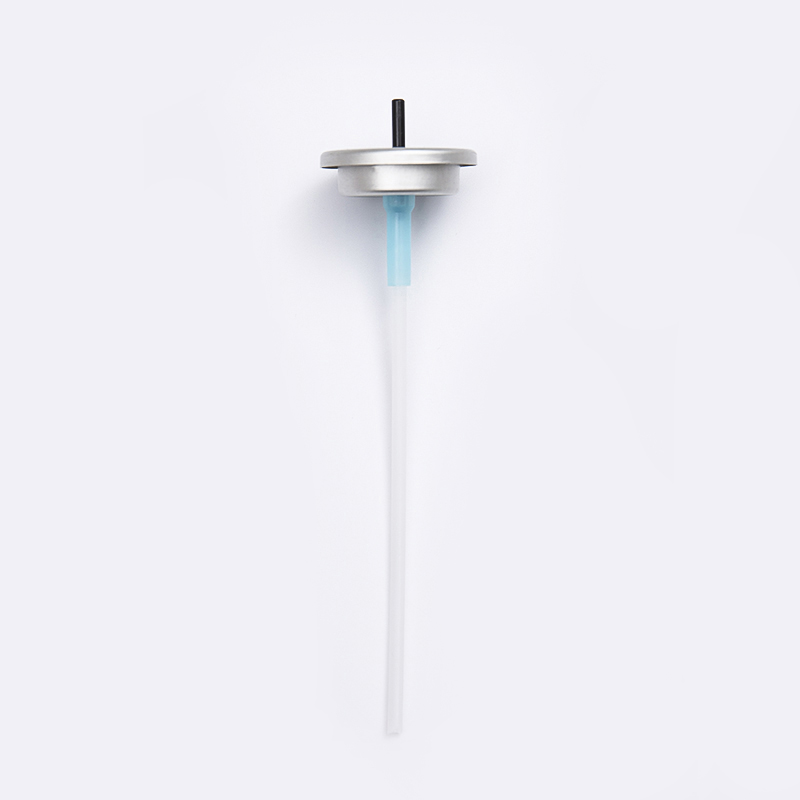
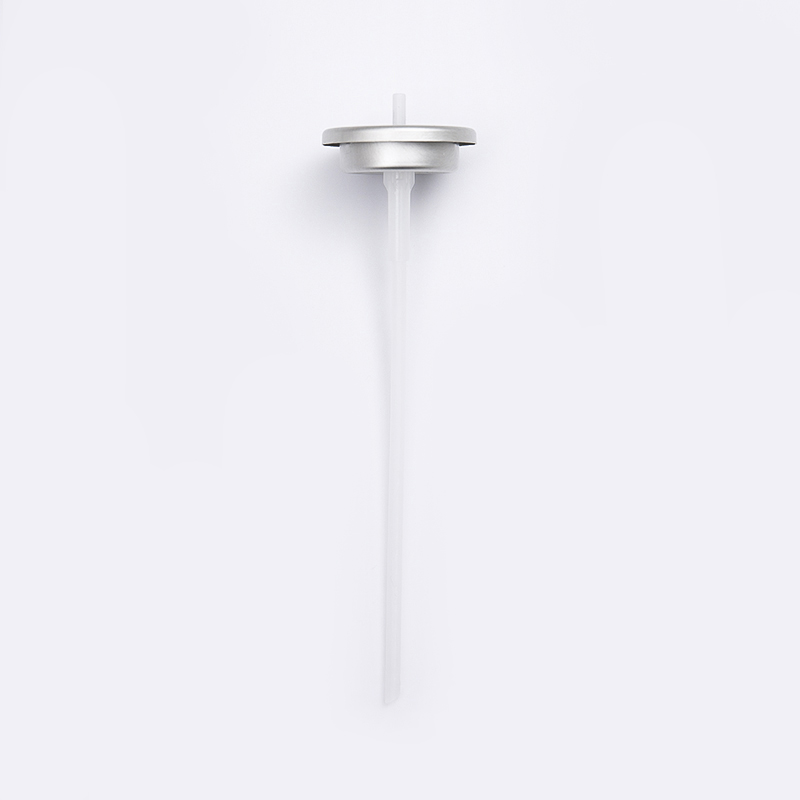
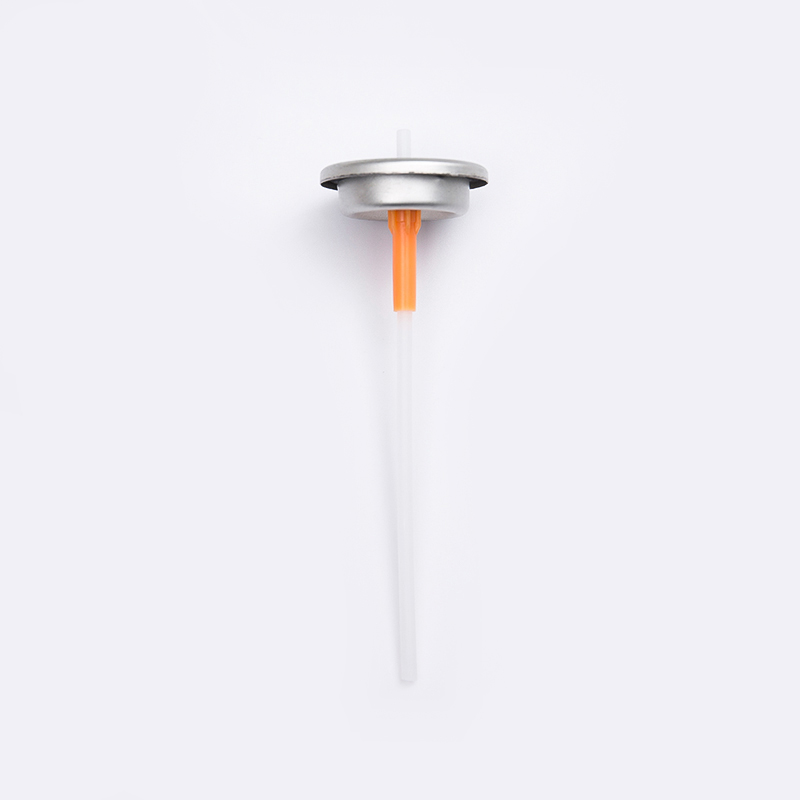
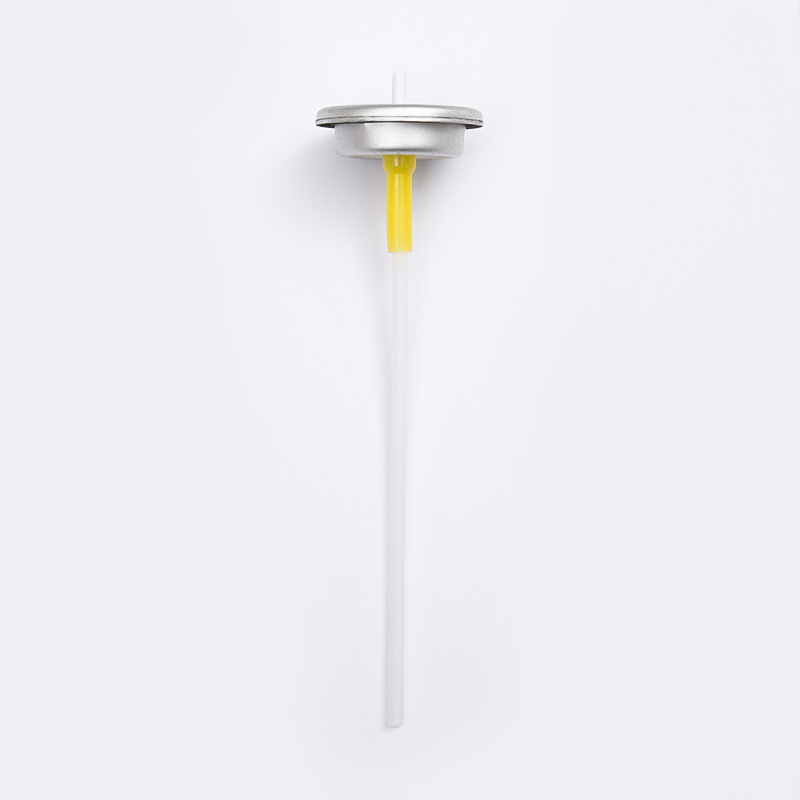
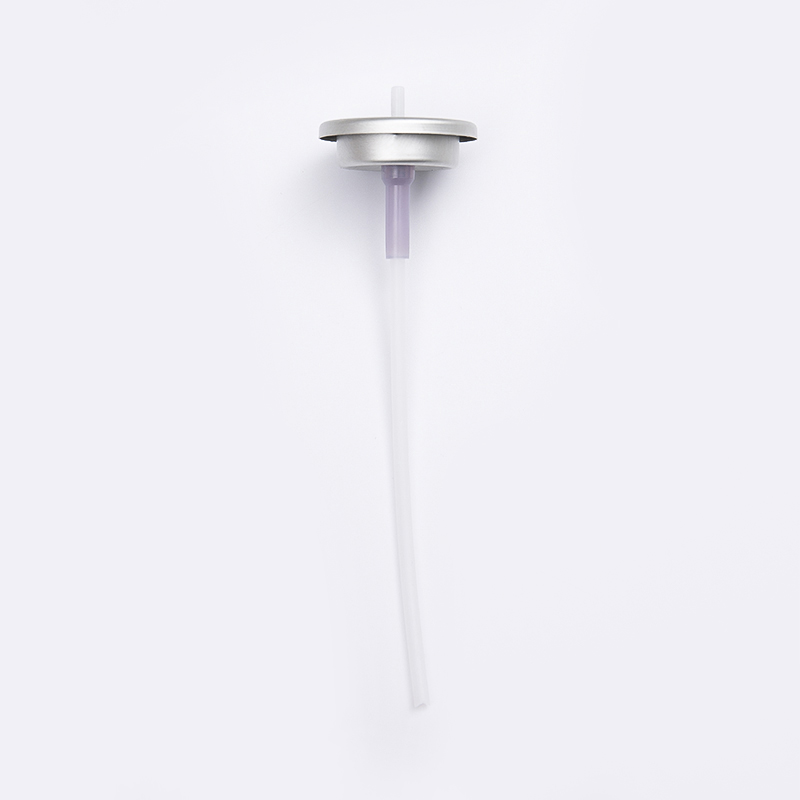
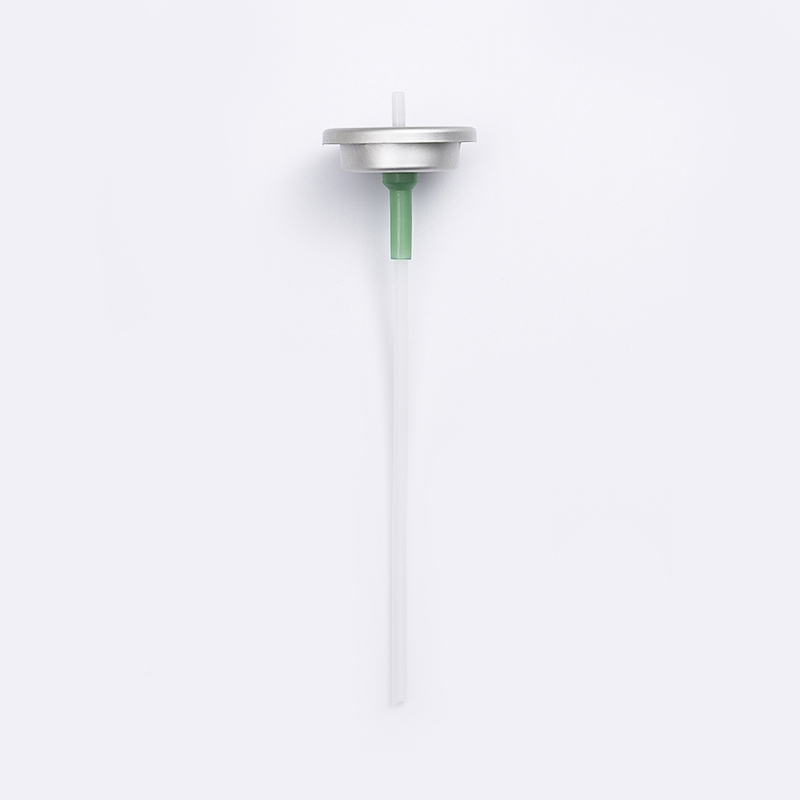
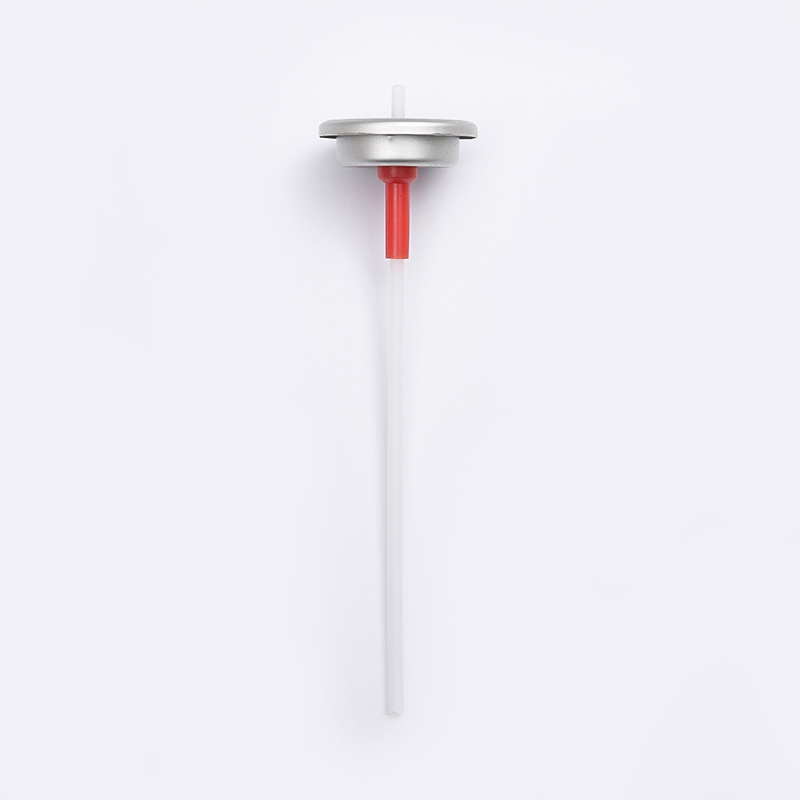
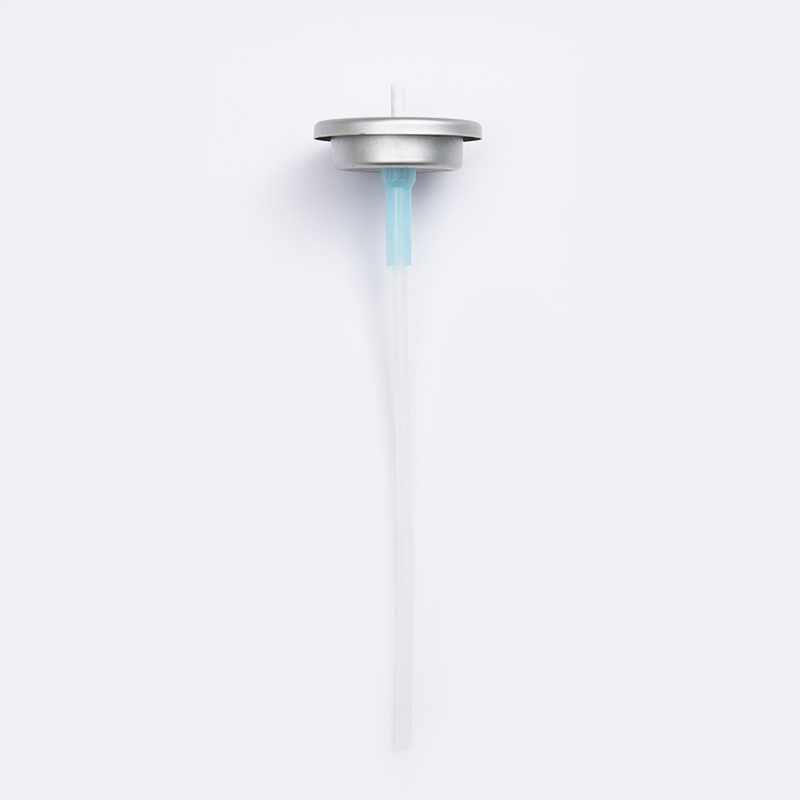
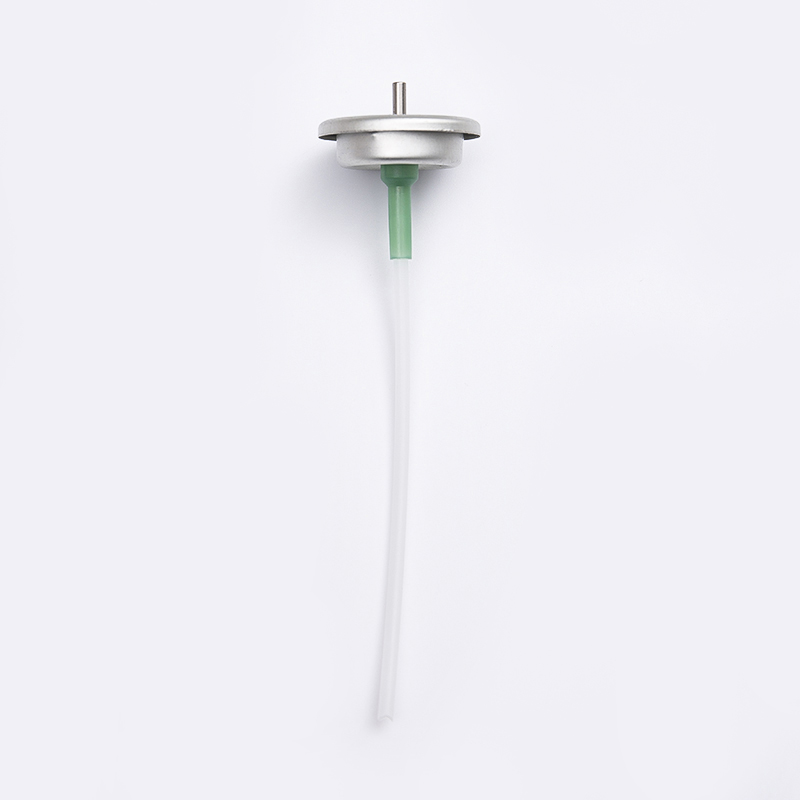
Aerosol Valve – the heart of the dispensing system
Fine Mist vs Directional Spray Actuators
Fine mist aerosol actuators are preferred for personal care and pharmaceuticals, where droplet size below 50 µm ensures even deposition. Directional spray actuators excel in industrial and automotive applications where target accuracy matters.
- Fine mist: low pressure drop, swirl chamber design, narrow droplet distribution.
- Directional: longer orifice, higher velocity, reduced overspray.
FAQ: Aerosol Actuator Selection
Q1: What is the difference between a spray actuator and a foam actuator?
A spray actuator typically uses a swirl or impingement principle to break liquid into droplets, while a foam actuator incorporates a porous element or mesh that mixes air with the liquid to create a stable, aerated foam.
Q2: How do I choose between C-Series and L-Series nozzles?
Choose C-Series for broad, uniform coverage (e.g., surface disinfection or hairspray). Choose L-Series when you need precise directional control, such as lubricant application or spot cleaning.
Q3: What does "actuator in aerosol" mean?
It refers to the entire top assembly that the user presses to release the product. It includes the button, insert, and sometimes a stem, and it is the critical interface between the valve and the external environment.
Q4: Can I use the same actuator for different aerosol valve sizes?
Not directly. Actuator geometry must match the valve stem diameter and stroke length. Using a mismatched actuator can lead to leakage, poor spray performance, or valve damage.
Q5: What materials are best for plastic aerosol nozzles?
POM (acetal) offers excellent creep resistance and dimensional stability. PP is more cost-effective for non-aggressive formulations. PA (nylon) provides superior chemical resistance but may absorb moisture.