English
 中文简体
中文简体 Español
 عربى
عربى
The Aerosol Packaging Ecosystem: Key Components and Sourcing Challenges
Sourcing aerosol packaging requires a deep understanding of interdependent components: the container, the valve system, and the actuator. Unlike ordinary rigid packaging, aerosol systems must maintain consistent internal pressure, resist chemical corrosion, and deliver precise dosage or spray patterns. For procurement managers and engineers, the challenge lies in balancing cost, performance, and supply chain reliability across multiple suppliers.
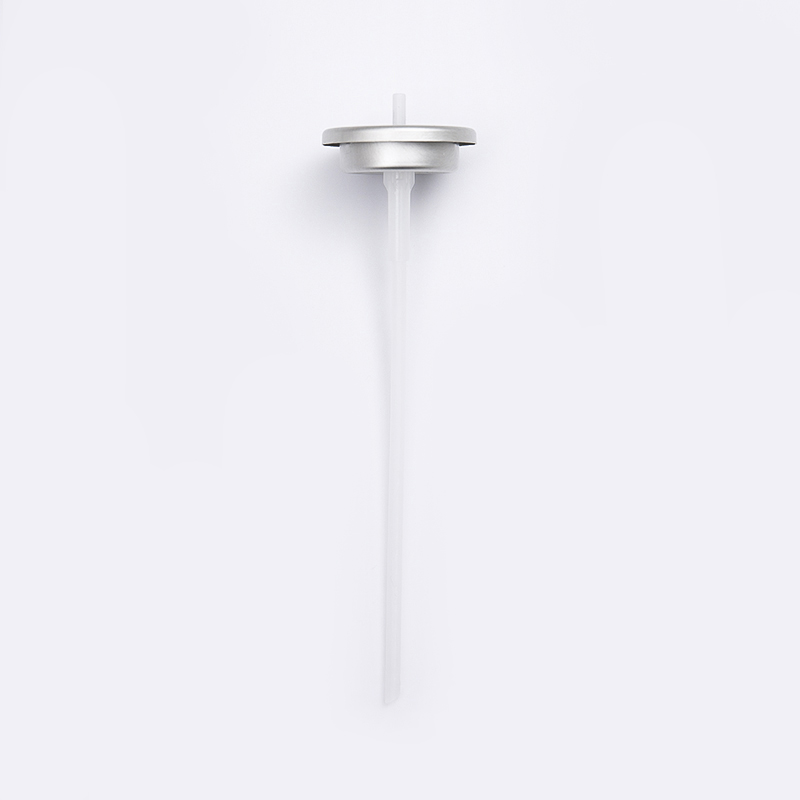
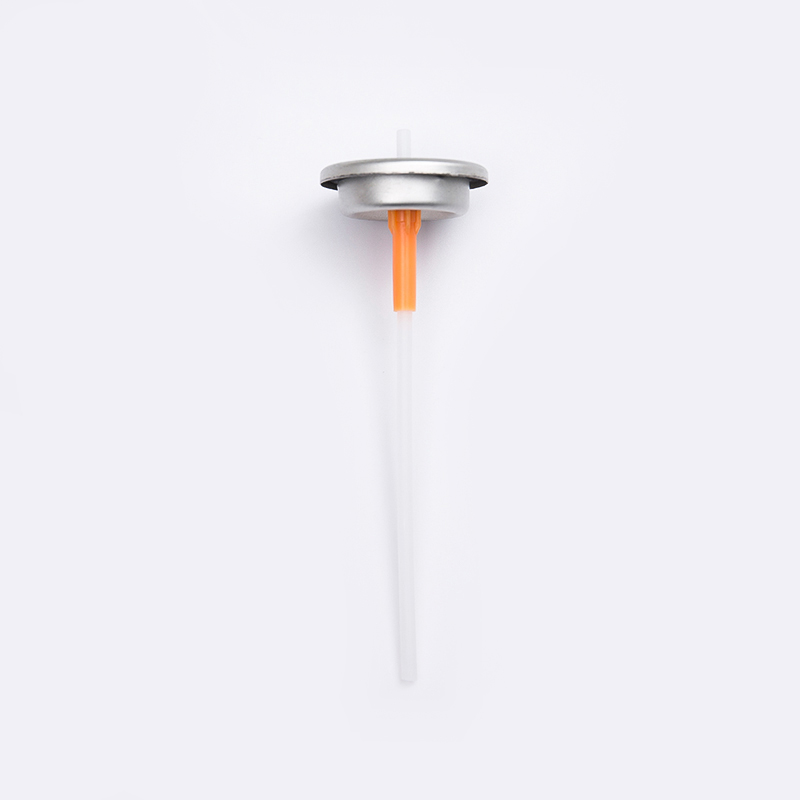
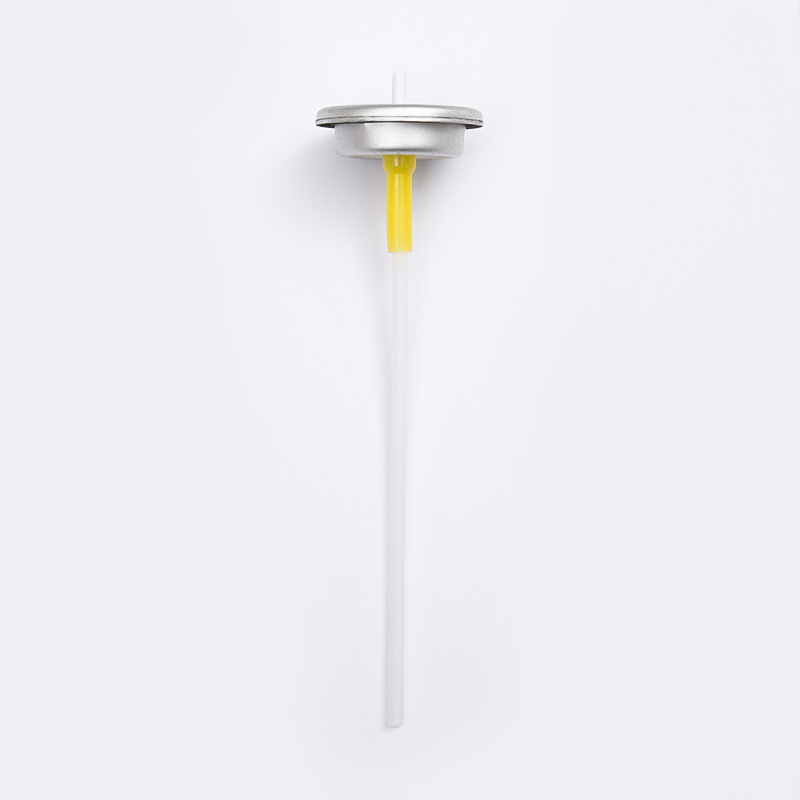
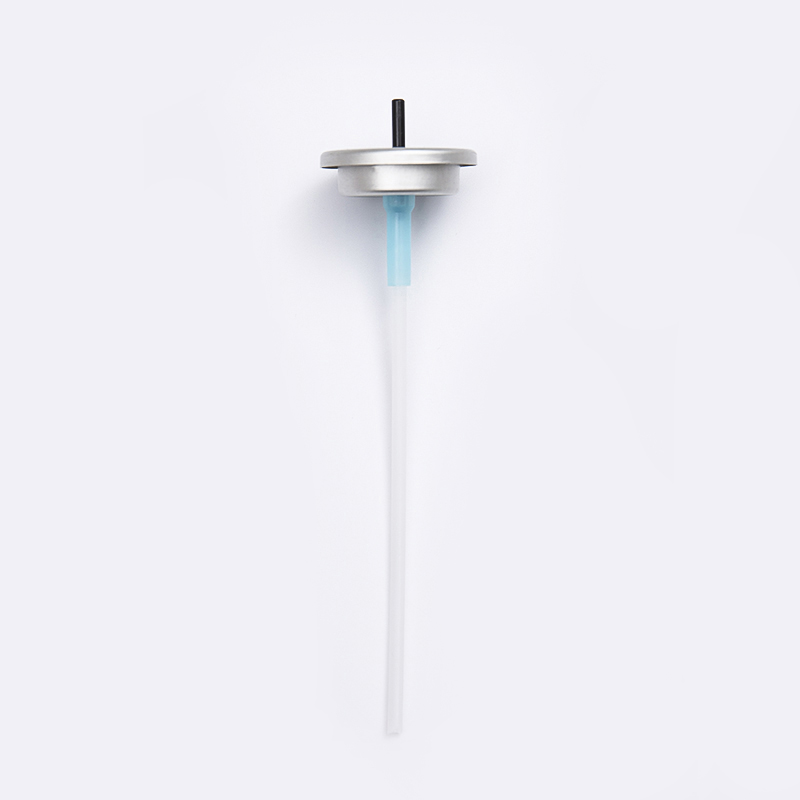
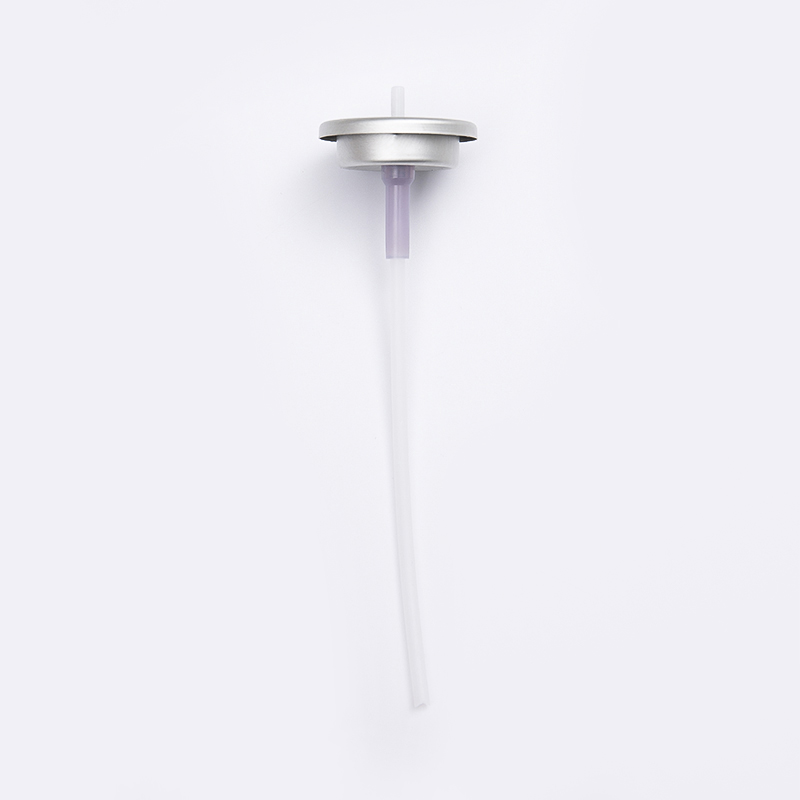
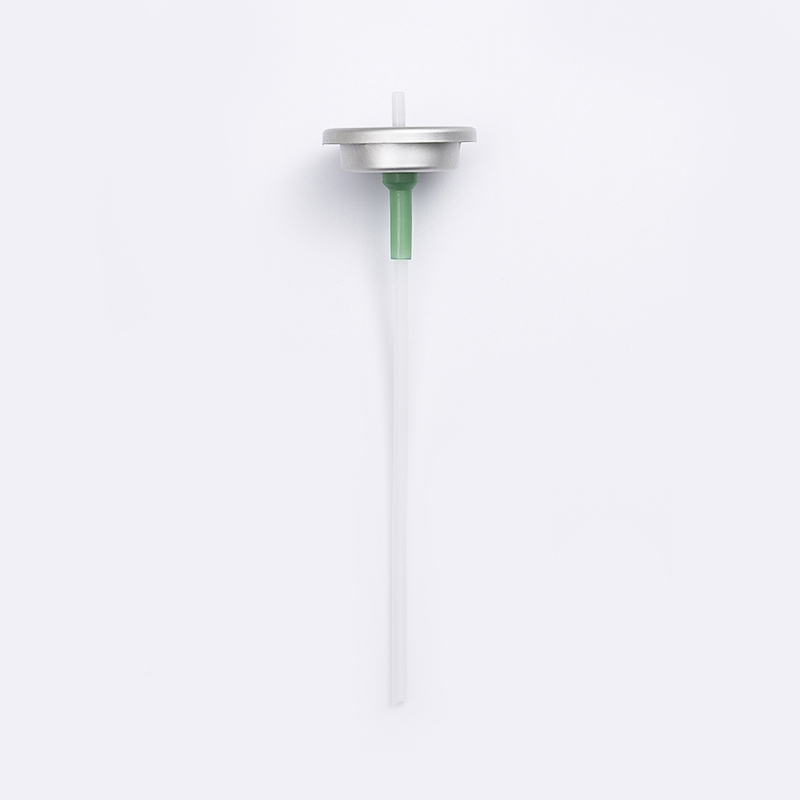
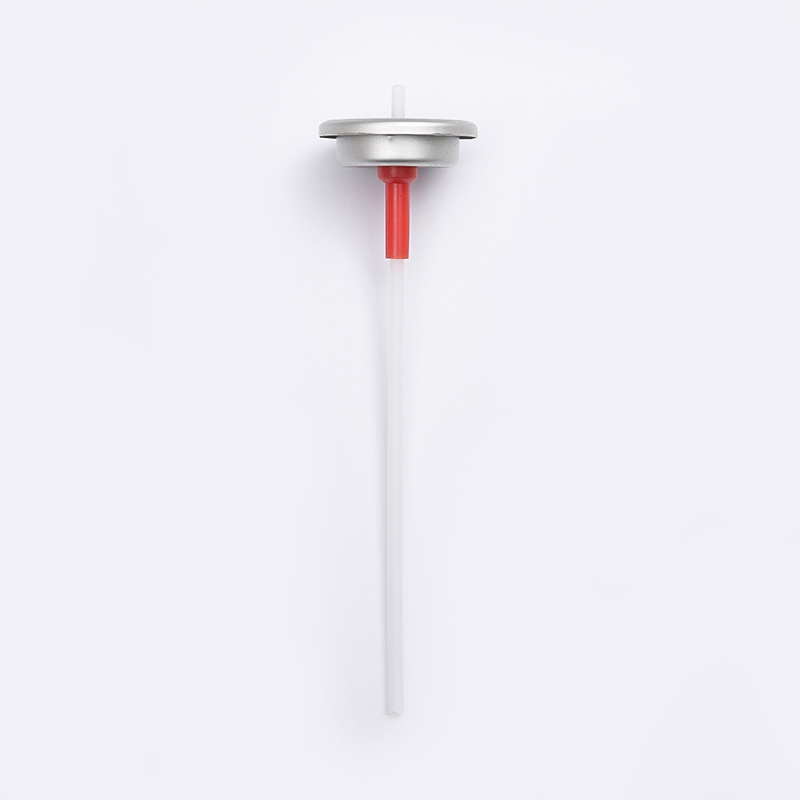
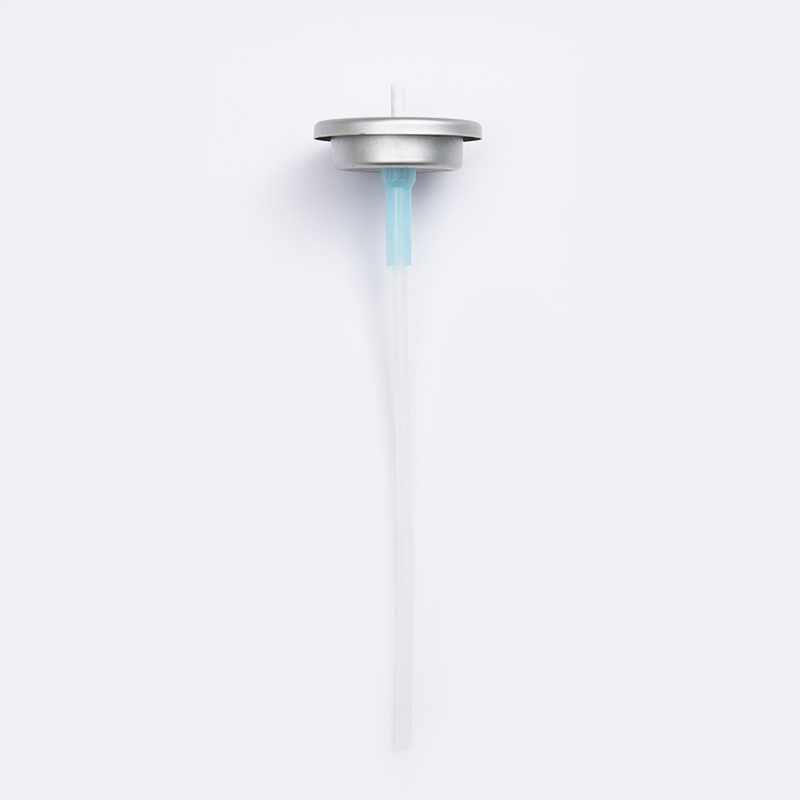
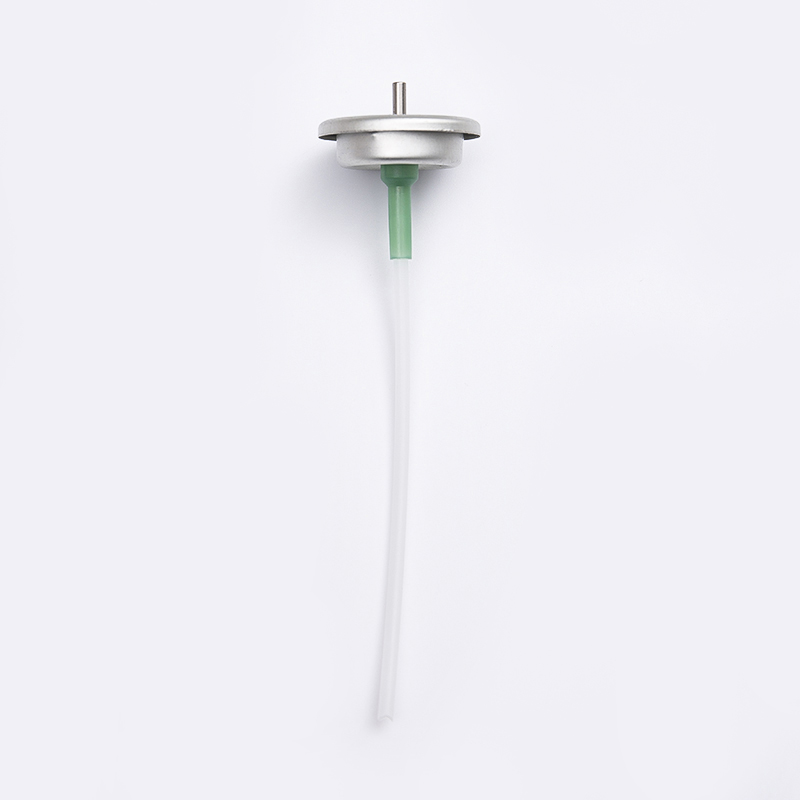
A typical aerosol package consists of a container (metal, glass, or plastic), a dip tube, an aerosol valve, a mounting cup, and an actuator. The valve, often considered the heart of the system, controls product release and influences spray characteristics. Among specialized valves, the one inch binary valve has gained traction for bag-on-valve (BOV) designs and high-viscosity formulations. Sourcing these components from a competent aerosol container manufacturer or a full-system supplier requires evaluating material compatibility, crimping consistency, and regulatory compliance.
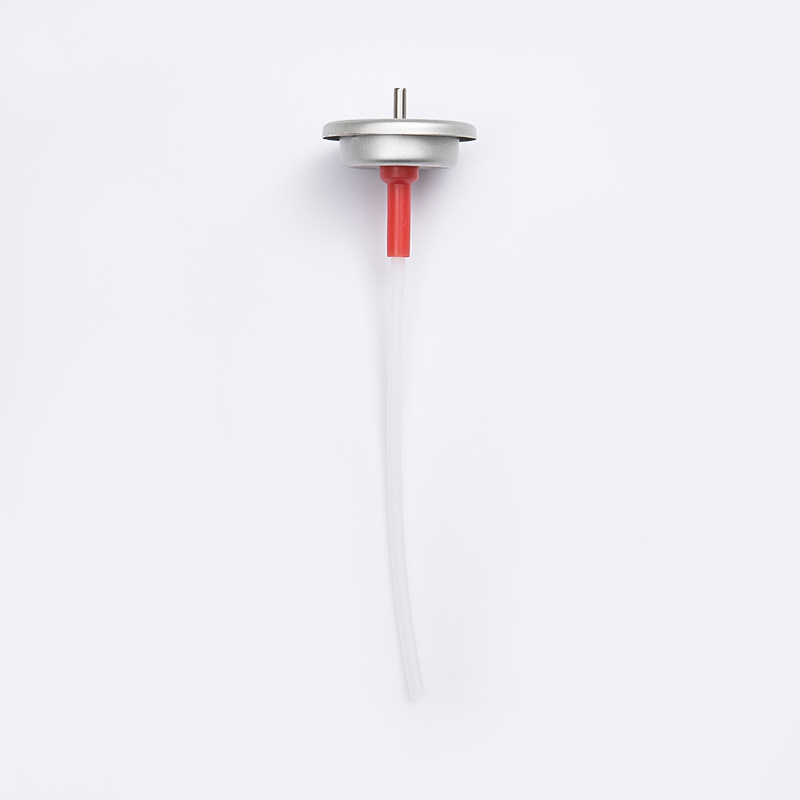
Typical aerosol valve assembly: stem, gasket, spring, and dip tube interface.
Selecting the Right Aerosol Container: Materials, Dimensions, and Supplier Criteria
The aerosol container is not merely a pressure vessel – it must withstand internal pressures up to 140-160 psi at 50°C while providing barrier properties against the formulation. Three primary materials dominate the market: tinplate steel, aluminum, and polyethylene terephthalate (PET). Each offers distinct advantages and limitations for sourcing professionals.
Tinplate vs. Aluminum vs. Glass vs. PET
Steel containers offer superior strength and are cost-effective for large volumes, but they require internal coatings for water-based or corrosive products. Aluminum provides seamless construction, better decoration quality, and lighter weight, making it ideal for personal care and pharmaceutical aerosols. Glass aerosol bottles deliver excellent chemical inertness and premium aesthetics, though they require over-sleeves for safety. Plastic PET containers, while gaining popularity for lower-pressure applications (e.g., airless or bag-on-valve), face limitations with hydrocarbon propellants.
| Container Material | Pressure Limit (psi) | Typical Coating | Best For |
|---|---|---|---|
| Tinplate Steel | 160 | Epoxy-phenolic | Industrial, household |
| Aluminum | 180 | Organic or epoxy | Personal care, pharma |
| Glass (coated) | 100 | External sleeve | Luxury, oxygen-sensitive |
| PET | 80 | None | BOV, low-pressure systems |
When evaluating an aerosol container manufacturer, request documentation on neck finish dimensions (standard 1-inch or 20mm), burst test results, and dimensional tolerances. For high-volume production, consistency in flange geometry directly affects crimping quality – any deviation exceeding 0.1mm can lead to valve leakage or pressure loss. Also consider the aerosol bottle orientation: one-piece aluminum bottles allow 360-degree decoration, while three-piece tinplate cans are suitable for wraparound labels.
Understanding Aerosol Valves: Standard, One Inch Binary Valve, and Specialties
The aerosol valve governs three critical functions: sealing, flow control, and compatibility. Most standard valves use a 1-inch mounting cup (the industry norm) and include a stem, gasket, spring, housing, and dip tube. However, for products requiring high gas retention (like pharmaceutical MDIs) or separation between propellant and product, the one inch binary valve offers a superior solution. Unlike conventional valves where propellant mixes with the concentrate, binary valves maintain complete separation, enabling pure product dispensing and extended shelf life.
How the One Inch Binary Valve Improves Formulation Stability
In a binary valve system, a flexible bag or piston separates the product from the propellant. The 1-inch dimension refers to the standard cup size, allowing retrofitting on existing aerosol can assembly line equipment without major changes. The binary design reduces propellant permeation, prevents corrosion, and delivers high product evacuation rates (over 98%). This is particularly valuable for agrochemicals, food products, and oxygen-sensitive formulations. Data from independent testing indicates binary valve systems can extend product shelf life by up to 24 months compared to traditional two-phase systems.
Key Advantages of One Inch Binary Valve
- Complete product-propellant separation eliminates interaction risks.
- Consistent spray pattern even at low remaining fill levels.
- Suitable for high-viscosity fluids (up to 50,000 cPs).
- Compatible with compressed gases (nitrogen, compressed air).
When sourcing binary valves, pay attention to bag material (EVOH, aluminum laminate, or polyamide) and valve actuation force. Wholesale buyers often combine valve orders with bag assemblies to reduce assembly defects.
Beyond Standard Valves: BOV Technology and Assembly Line Integration
Bag-on-Valve (BOV) technology represents a subset of binary systems where the valve is attached to a laminated bag that is crimped to the container. BOV (Bag on Valve) manufacturing requires precise welding, bag folding, and vacuum crimping. Unlike conventional aerosol filling, BOV assembly lines must incorporate an additional station for bag insertion and evacuation before product filling.
Assembly Line Considerations for BOV Systems
Integrating BOV into an existing aerosol can assembly line involves modifications: gassing machines must handle both compressed gases and traditional propellants; crimpers need adjustable sealing parameters for bag integration; and leak testers must detect bag perforations. A typical BOV line runs at 40-60 cans per minute, slower than conventional lines (80-120 cpm), but offers better product yield and reduced volatile organic compound emissions.
The above schematic illustrates key stations in a BOV-capable assembly line. One critical difference: BOV lines often integrate a pre-crimping vacuum station to remove air from the bag before product filling, ensuring product integrity and preventing oxidation.
Sourcing Strategies: Evaluating B2B Suppliers and Wholesale Aerosol Valves
Finding reliable B2B aerosol components supplier requires moving beyond price comparison to technical audit capabilities. Start by mapping your formulation’s chemical profile (pH, solvent type, viscosity) and required discharge rate (grams per second). Different elastomers – Buna-N, neoprene, butyl, or Viton – respond uniquely to aggressive solvents or high temperatures. A competent supplier will provide compatibility test data or offer customized gaskets.
Wholesale Aerosol Valves – Batch Consistency and Lead Times
When ordering wholesale aerosol valves in volumes exceeding 500,000 units, request statistical process control (SPC) charts for critical parameters: stem travel (0.2-0.8mm), spring force (8-12 N), and dip tube pull-out force. Low-cost suppliers often skip dynamic flow testing, leading to batch-to-batch variability. Real-world data from a mid-sized contract filler showed that switching to a supplier with in-line laser measurement reduced valve rejection rates from 3.4% to 0.7% within six months.
- Request material certificates (REACH, RoHS, FDA if applicable).
- Audit crimping trial – use your actual containers for 200-unit sample run.
- Evaluate logistic reliability: minimum order quantities (MOQ), warehousing terms, and consignment stock options.
Quality Assurance and Regulatory Considerations for Aerosol Packaging
Regardless of container or valve type, final aerosol products must pass rigorous testing: pressure resistance, leak integrity, valve function, and spray pattern. The aerosol can assembly line should include automated in-line check weighers, crimp depth sensors, and water bath leak testers (for flammable propellants). For export, ensure the aerosol container manufacturer provides UN-certification for transport (e.g., UN 1950 for aerosols).
| Test Parameter | Standard Method | Acceptance Criteria |
|---|---|---|
| Crimp diameter | Vernier / optical sensor | ±0.15mm tolerance |
| Leak rate | Water bath at 50°C | No bubbles for 3 min |
| Spray uniformity | Patternation / weight shot | CV ≤ 8% |
For products using a one inch binary valve, additional tests include bag integrity (vacuum decay method) and residual air volume inside the bag. Some international buyers require third-party audits per ISO 9001:2015 for aerosol component manufacturing.
Future Trends: Eco-Design and Lightweighting in Aerosol Sourcing
Regulatory pressure and retailer sustainability goals are reshaping aerosol packaging. Aluminum containers are now manufactured with up to 40% recycled content while maintaining burst strength. Bag-on-valve systems using all-polyethylene bags (without aluminum laminates) improve recyclability. Sourcing professionals should ask suppliers for product carbon footprint data and closed-loop recycling options for production scrap.
Innovations include water-based coatings for steel containers that replace solvent-borne lacquers, and valves with reduced metal content (stainless steel springs replaced by engineered polymers). Early adopters of these designs have reported up to 18% lower packaging weight per unit, which directly reduces transportation emissions and material costs.
Frequently Asked Questions (FAQ)
Q1: What is the difference between a standard aerosol valve and a one inch binary valve?
A standard aerosol valve mixes propellant with the product concentrate, while the one inch binary valve uses a bag or piston to keep them separate. The binary design is ideal for oxygen-sensitive formulations, high-viscosity products, and achieving high product evacuation rates.
Q2: How to choose between aluminum and tinplate aerosol containers?
Aluminum offers seamless construction, better printing quality and lighter weight – best for personal care and premium products. Tinplate is more cost-effective for large-volume industrial or household aerosols where decoration complexity is low. Always consider internal coating compatibility with your formulation.
Q3: Can I retrofit my existing aerosol can assembly line for BOV manufacturing?
Yes, but modifications are needed: a bag inserter, vacuum station, and crimper with bag-friendly parameters. The line speed will typically decrease by 20-30% compared to conventional aerosol filling. Consult with a BOV equipment specialist to assess your conveyor system and indexing capabilities.
Q4: What certifications should I request from a B2B aerosol components supplier?
At minimum: ISO 9001, material compliance (REACH, RoHS, California Prop 65 if shipping to US), and specific container certifications (UN 1950, DOT 2P/2Q). For pharmaceutical or food-grade applications, ask for cGMP or IFS HPC documentation.
Q5: Why is the 1-inch valve platform so common in the industry?
The 1-inch mounting cup has been standardized globally for decades, ensuring cross-compatibility with most aerosol containers and filling equipment. One inch binary valves leverage this standard to allow easy adoption without changing can neck dimensions or major tooling.