English
 中文简体
中文简体 Español
 عربى
عربى
Understanding Self Defense Spray Component Architecture
The effectiveness of any self-defense spray device depends fundamentally on the precision engineering of its individual components. From the actuator mechanism to the nozzle assembly, each element plays a critical role in ensuring reliable performance during high-stress situations.
Self-defense spray systems represent a carefully engineered combination of mechanical and aerosol technologies. Understanding these components helps consumers, safety professionals, and manufacturers recognize quality standards and make informed decisions about personal defense equipment.
Core Components of Self Defense Spray Systems
The Actuator Mechanism
The actuator serves as the primary interface between the user and the spray mechanism. This component must balance ease of operation with safety, preventing accidental discharge while remaining responsive during emergency situations.
A high-quality self defense pepper spray actuator incorporates multiple design considerations: tactile feedback that confirms engagement, consistent trigger force within optimal ranges, and durability that withstands repeated use and environmental exposure.
Spray Head Assembly
The spray head, or nozzle assembly, directly impacts the dispersion pattern and coverage area of the defense agent. The design determines whether the spray emerges as a concentrated stream, a broad fog, or an intermediate pattern optimized for personal defense.
Quality spray heads must deliver consistent performance across varying temperatures and storage durations. Manufacturing precision ensures that orifice diameters remain consistent, preventing flow rate variations that could compromise effectiveness.
Valve Technology
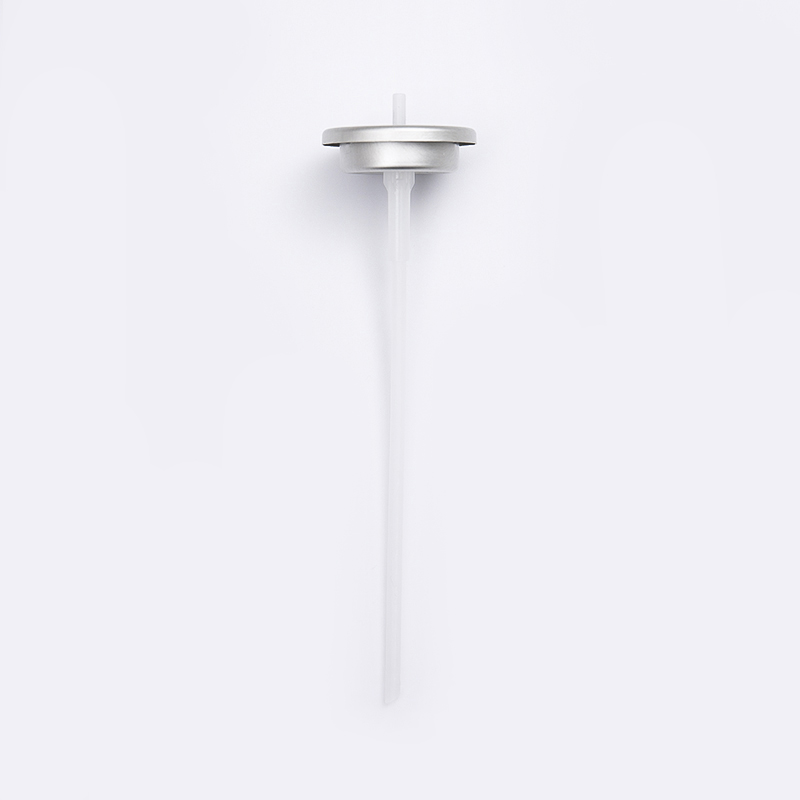
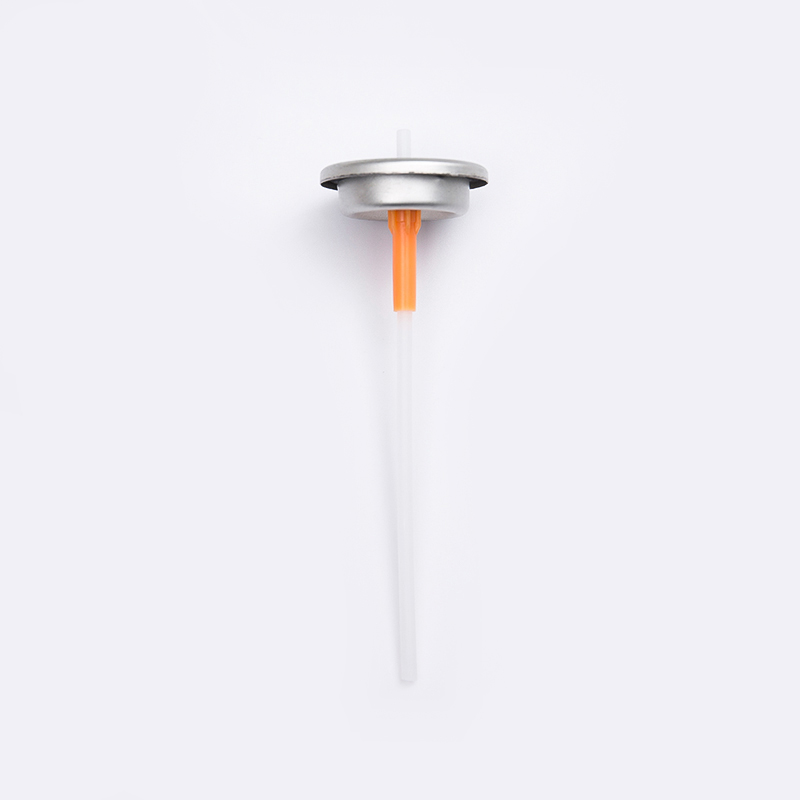
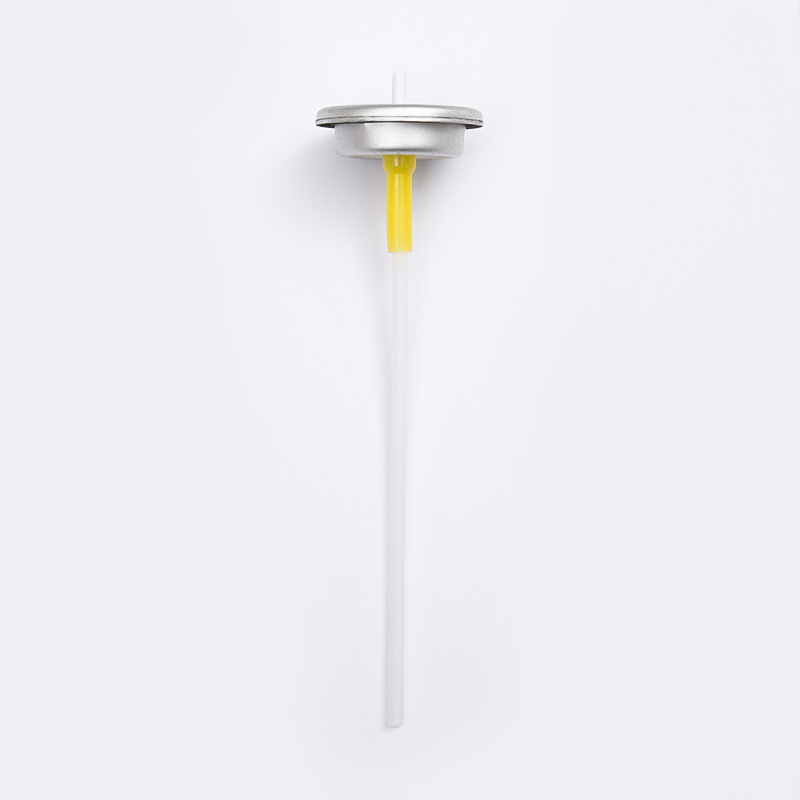
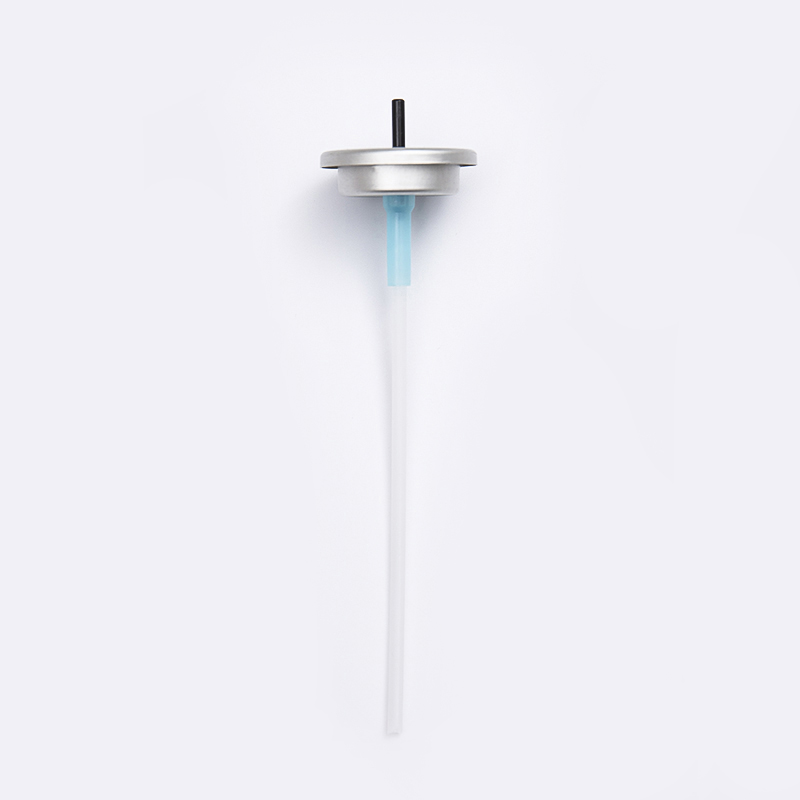
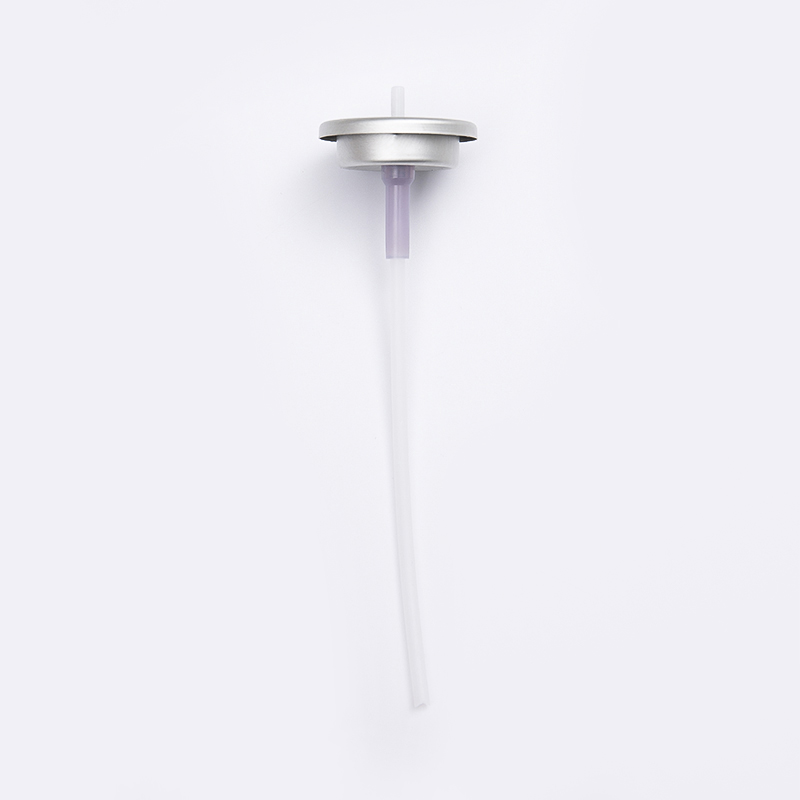
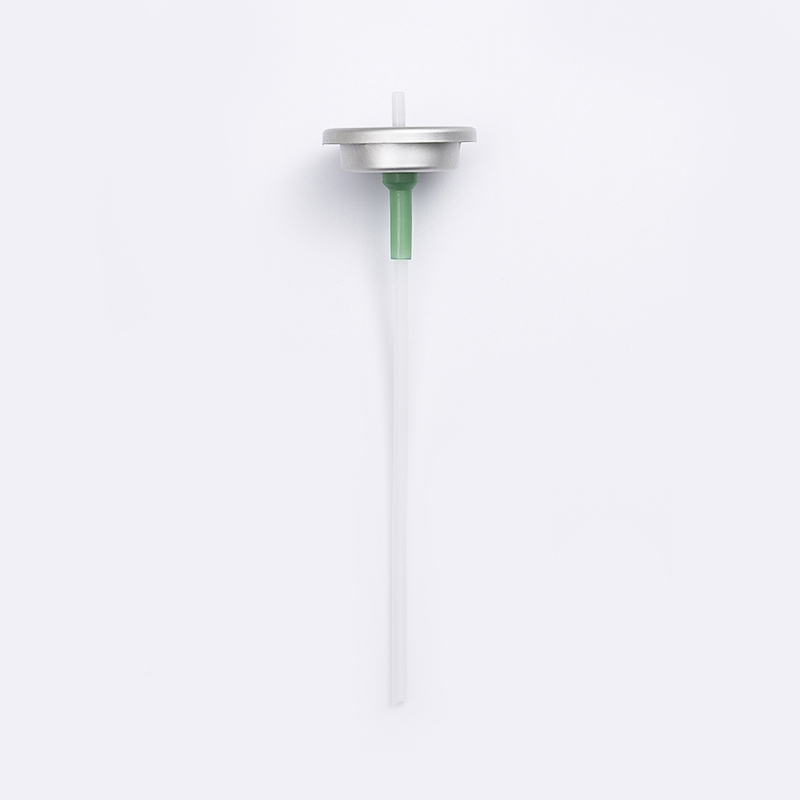
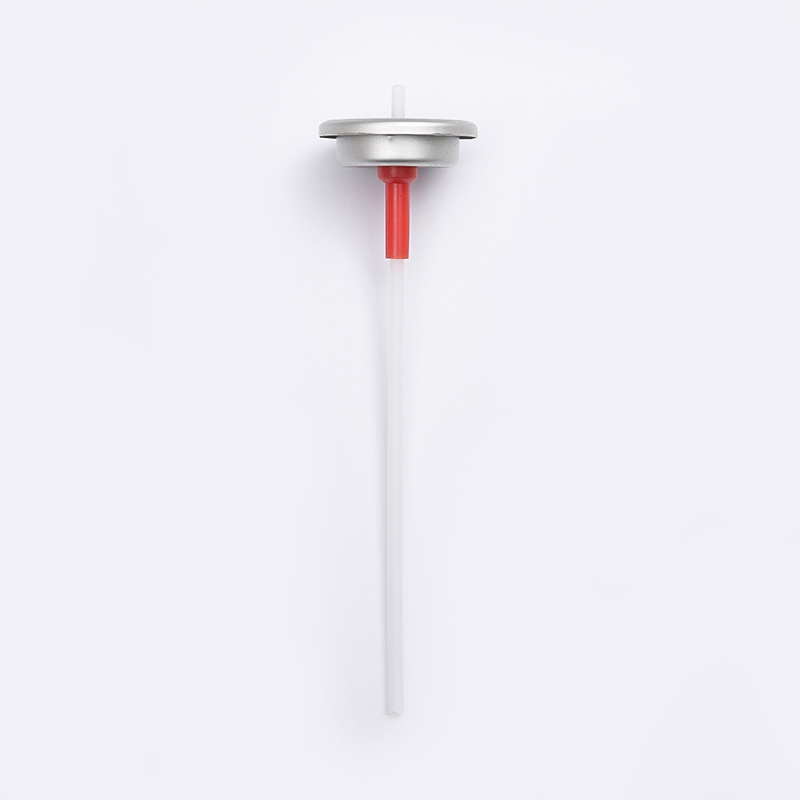
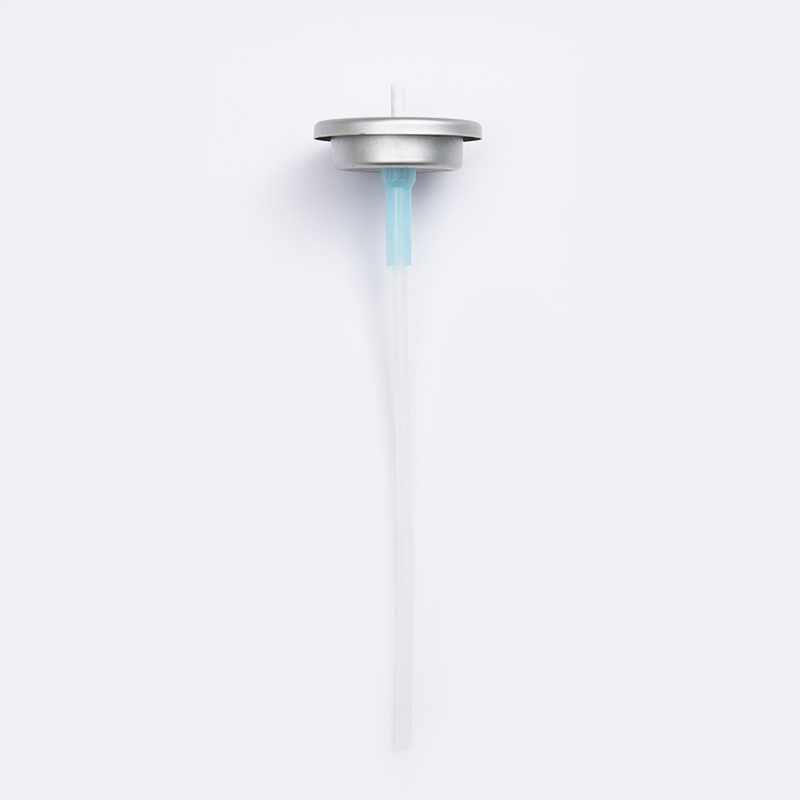
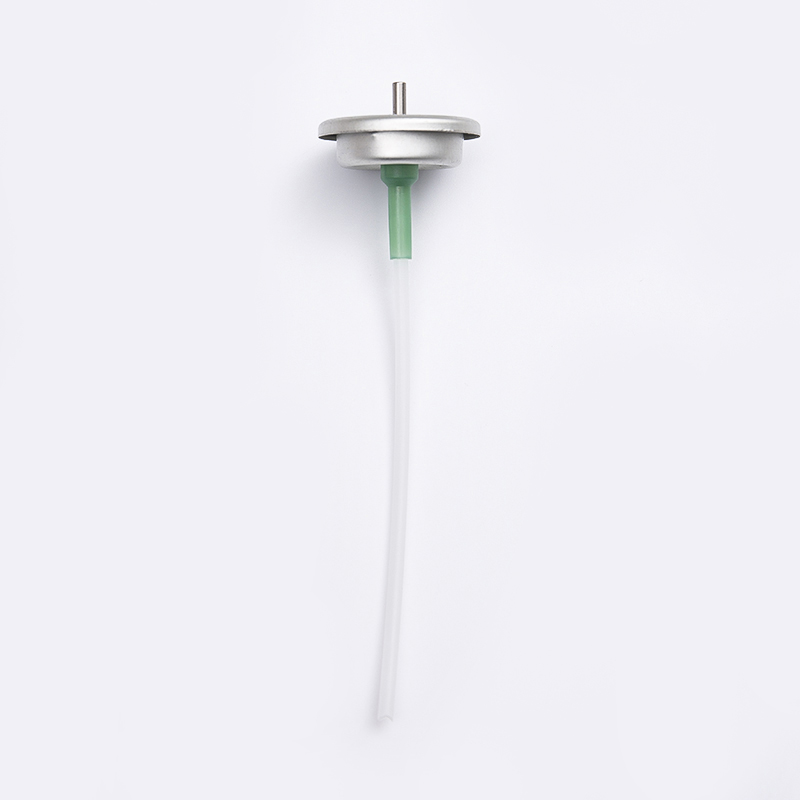
The aerosol valve represents the interface between the pressurized container and the actuator system. This precision engineering component must maintain integrity under pressure while responding immediately to user activation.
Modern precision aerosol valves for tear gas applications incorporate multiple quality checkpoints: pressure integrity testing, actuation response verification, and chemical compatibility assessment with the specific defense agent being dispensed.
Quality Control Standards and Testing Protocols
Pressure Testing Requirements
All self-defense spray containers undergo rigorous pressure testing to ensure structural integrity. These tests verify that containers maintain seal integrity across temperature variations and cannot rupture under normal use or storage conditions.
- Hydrostatic pressure testing at 150 percent of maximum operating pressure
- Thermal cycling tests from -40 degrees to 140 degrees Fahrenheit
- Vibration resistance testing to simulate transport conditions
- Accelerated aging protocols to predict long-term performance
Actuator Performance Verification
Quality actuators must meet strict performance parameters. Testing protocols verify activation force, reset capability, and spray pattern consistency across thousands of test cycles.
| Performance Parameter | Standard Range | Test Method |
|---|---|---|
| Actuator Force | 8-15 pounds | Load cell measurement |
| Spray Pattern Width | 6-12 feet | Dispersion mapping at 10 feet |
| Activation Response Time | Less than 100 milliseconds | High-speed camera analysis |
| Cycle Durability | 10,000+ cycles | Mechanical cycling equipment |
Safety Mechanism Testing
Safety features prevent accidental discharge, a critical concern for personal defense devices intended for immediate accessibility. Quality pepper spray safety lock mechanisms undergo comprehensive testing to verify that they reliably prevent unwanted activation while remaining easy for authorized users to disengage.
- Accidental discharge resistance during normal handling and transportation
- Intentional activation verification to confirm safety mechanisms disengage properly
- Tactile feedback confirmation that safety status is recognizable to users
- Re-engagement capability after discharge to prevent continuous spraying
Design Variations and Specialized Applications
Flip Top Actuator Designs
Flip top mechanisms represent a popular design approach that combines accessibility with safety. These actuators feature a pivoting cover that must be moved aside before the trigger can be activated.
Quality flip top pepper spray actuators incorporate smooth mechanical action, reliable spring return mechanisms, and sufficient tactile differentiation to prevent confusion between the flip cover and the trigger itself. The design must prevent accidental disengagement of the cover during normal carrying conditions.
High-Flow Nozzle Systems
Some personal defense applications require rapid agent delivery across larger coverage areas. High-flow pepper spray nozzles deliver increased volume while maintaining consistent dispersion patterns.
These specialized components undergo additional testing to verify that increased flow rates do not compromise spray pattern uniformity or create uncontrolled jets that could prove dangerous to bystanders.
Customized Aerosol Solutions
Custom aerosol actuators for defense sprays address specific deployment scenarios and user preferences. Manufacturers work with custom aerosol actuators to create specialized solutions for unique operational requirements while maintaining all quality standards.
Manufacturing Standards and Quality Assurance
Material Selection and Compatibility
Every component material must be compatible with the specific defense agent being dispensed. Incompatible materials can corrode, degrade, or react chemically, compromising device integrity and safety.
- Stainless steel and aluminum for pressure-bearing components
- Elastomer seals specifically formulated for chemical compatibility
- Plastic housings engineered to resist chemical degradation
- Metal coatings providing corrosion resistance and durability
Precision Manufacturing Tolerances
Self-defense spray components require extremely tight manufacturing tolerances. Variations of just thousandths of an inch can impact spray pattern consistency, actuator force, and seal integrity.
Advanced manufacturing facilities employ computer-controlled equipment and in-process testing to verify that each component meets specifications. Statistical process control methods ensure that manufacturing consistency remains within acceptable parameters.
Batch Testing and Documentation
Reputable manufacturers test representative samples from each production batch. This approach identifies potential manufacturing issues before defective components reach consumers. Complete documentation tracks testing results, enabling traceability if issues arise.
Component Manufacturing and Quality Control Flow
Industry Standards and Regulatory Compliance
International Quality Standards
Self-defense spray manufacturers increasingly adopt internationally recognized quality management standards. These frameworks establish consistent procedures for manufacturing, testing, documentation, and continuous improvement.
Standards compliance addresses multiple dimensions of product quality: material sourcing procedures, manufacturing process controls, inspection and testing protocols, personnel training requirements, and documentation systems that ensure traceability throughout the supply chain.
Safety and Performance Specifications
Various regulatory jurisdictions maintain specific requirements for personal defense spray devices. These regulations typically address actuator safety mechanisms, container integrity, spray pattern characteristics, and labeling requirements.
Responsible manufacturers design their products to meet the most stringent applicable standards across their intended markets, ensuring that performance characteristics remain consistent regardless of where devices are distributed.
Environmental and Material Standards
Growing emphasis on environmental responsibility has influenced component design and manufacturing. Manufacturers increasingly utilize materials and processes that minimize environmental impact while maintaining product performance and durability.
Common Quality Issues and Prevention Strategies
Spray Pattern Inconsistency
Variations in spray pattern can result from manufacturing tolerance deviations in nozzle orifices or inconsistent valve performance. Prevention requires precise manufacturing controls and rigorous dimensional inspection of every nozzle component.
Actuator Force Variations
User confusion or difficulty in activating a device can result from actuator force that deviates from optimal ranges. Tight manufacturing tolerances and mechanical testing of every actuator mechanism prevent this issue.
Container Corrosion or Leakage
Improper material selection or inadequate surface treatments can permit corrosion, especially when containers are stored in humid environments. Comprehensive material compatibility testing and protective coatings prevent these failure modes.
Safety Mechanism Failure
Malfunctioning safety locks can result in either unintended activation or difficulty in intentional activation during emergencies. Extensive mechanical testing and cycles verification ensure reliable safety mechanism performance.
Supply Chain and Component Sourcing
Wholesale Pepper Spray Spray Heads
Manufacturers and distributors source spray heads through established supply chains that prioritize quality and consistency. Wholesale pepper spray spray heads must meet identical specifications regardless of production batch or source.
Supply chain quality assurance includes supplier qualification procedures, incoming inspection protocols, and periodic audits to ensure that component quality remains consistent over time.
Replacement Components and Aftermarket Availability
Replacement pepper spray caps and other components allow users to maintain their devices. Aftermarket component availability extends product lifespan and ensures continued reliability.
Quality replacement components must match original specifications exactly. Manufacturers maintain detailed documentation enabling users and service providers to identify correct replacement parts and verify compatibility.
Component Standardization
Industry movement toward component standardization facilitates supply chain efficiency while maintaining quality. Standardized interfaces between components ensure compatibility and enable competitive sourcing without sacrificing performance or safety.
Storage, Maintenance, and Longevity
Environmental Factors Affecting Component Performance
Temperature extremes, humidity, and chemical exposure can degrade component materials and compromise seal integrity over time. High-quality components resist these environmental stressors, maintaining performance throughout extended storage periods.
- Temperature resistance from -40 degrees to 140 degrees Fahrenheit
- Humidity resistance without seal degradation or corrosion
- UV resistance for components exposed to sunlight
- Vibration resistance without mechanical loosening or fatigue
Maintenance and Inspection Procedures
Regular inspection of self-defense spray devices identifies potential issues before they compromise functionality. Visual inspection for corrosion, seal condition, and mechanical integrity represents basic maintenance that extends component lifespan.
Operational Lifespan and Replacement Timing
Well-manufactured components typically maintain integrity for five to ten years when stored properly. Manufacturers provide guidance on replacement timing and testing procedures to verify continued performance.
User Education and Proper Component Selection
Understanding Component Specifications
Informed consumers understand how to evaluate component quality and select devices appropriate for their specific needs. Comprehensive product information enables users to assess actuator force, spray pattern, safety mechanism type, and container materials.
Proper Device Handling
User education regarding proper handling and storage maximizes component longevity and ensures reliable performance when needed. Awareness of environmental factors affecting performance, proper storage location selection, and periodic inspection procedures helps maintain device readiness.
Recognizing Quality Indicators
Quality indicators help users distinguish superior products from inferior alternatives. Professional manufacturing, comprehensive documentation, testing certifications, and manufacturer guarantees all indicate commitment to quality standards.
- Clear and complete product documentation
- Manufacturer identification and contact information
- Specification sheets detailing component materials and performance
- Testing or certification documentation
- Warranty coverage and customer support
Future Developments in Self Defense Spray Component Technology
Advanced Materials and Coatings
Emerging materials science offers opportunities for improved component performance. Advanced protective coatings, specialty polymers, and engineered alloys continue to enhance durability, safety, and environmental resistance.
Enhanced Safety Features
Ongoing innovation in safety mechanisms addresses the challenge of balancing accessibility with accident prevention. Biometric locks, electronic safety mechanisms, and improved mechanical designs represent future possibilities that maintain current reliability while offering enhanced features.
Improved Spray Pattern Technology
Advances in nozzle design and aerosol valve technology continue to improve spray pattern consistency and coverage area. Computational fluid dynamics modeling enables optimization of spray characteristics without relying solely on physical testing.
Sustainability and Environmental Considerations
Future component development emphasizes reduced environmental impact through material selection, manufacturing process improvements, and end-of-life recycling capabilities. Sustainable practices increasingly influence design decisions while maintaining product performance.
Frequently Asked Questions
Q1: What is the most critical quality factor in self-defense spray components?
Reliability represents the most critical quality factor. During high-stress emergency situations, users depend on their self-defense devices functioning exactly as expected. Rigorous testing protocols, tight manufacturing tolerances, and comprehensive quality assurance ensure this reliability. Every component must meet performance specifications consistently, regardless of environmental conditions or storage duration.
Q2: How can consumers verify that a self-defense spray device meets quality standards?
Consumers should look for manufacturers who provide detailed specification sheets, testing documentation, and clear identification of component materials. Reputable manufacturers include comprehensive product information covering actuator force specifications, spray pattern characteristics, safety mechanism operation, and container materials. Third-party certifications or compliance with recognized standards also indicate commitment to quality.
Q3: How long do self-defense spray components typically remain effective?
Well-manufactured components maintain performance for five to ten years when stored properly. Storage location matters significantly: devices stored in cool, dry environments away from direct sunlight remain functional longer than those exposed to temperature extremes or humid conditions. Periodic inspection and manufacturer guidance help determine when replacement becomes necessary.
Q4: What causes spray pattern inconsistency in self-defense devices?
Spray pattern inconsistency typically results from manufacturing variations in nozzle orifices, valve performance deviations, or inadequate quality control. Premium manufacturers maintain extremely tight manufacturing tolerances and test every nozzle component to verify dimensional accuracy. This precision ensures consistent spray patterns across production batches.
Q5: Are replacement components compatible across different device brands?
Replacement components generally remain brand-specific due to different design specifications. However, industry movement toward standardized component interfaces is increasing cross-compatibility. Users should consult manufacturer documentation or customer service to identify compatible replacement components. Generic replacement components may not meet original specifications.
Q6: How do temperature extremes affect self-defense spray component performance?
Temperature extremes can affect both container pressure and component material properties. High temperatures increase internal pressure, while extreme cold can reduce spray force and pattern consistency. Quality components are engineered to maintain performance across standard environmental ranges. Manufacturers provide temperature operating ranges to help users understand limitations.
Q7: What testing procedures verify actuator durability?
Durability testing involves mechanical cycling equipment that repeatedly activates and deactivates the actuator thousands of times while monitoring performance. Tests verify that mechanical components maintain proper function, springs return reliably, and safety mechanisms engage and disengage consistently throughout the testing cycle. Performance degradation indicates potential quality issues requiring design modification.
Q8: Why do self-defense spray components require such tight manufacturing tolerances?
Tight manufacturing tolerances ensure consistent spray pattern, reliable actuator function, and seal integrity. Even small variations in nozzle orifice diameter can significantly affect spray characteristics. Precision manufacturing eliminates performance variations that could reduce effectiveness or create safety hazards. Computerized manufacturing equipment and in-process testing maintain these precise specifications throughout production.