English
 中文简体
中文简体 Español
 عربى
عربى
The Most Important Precautions at a Glance
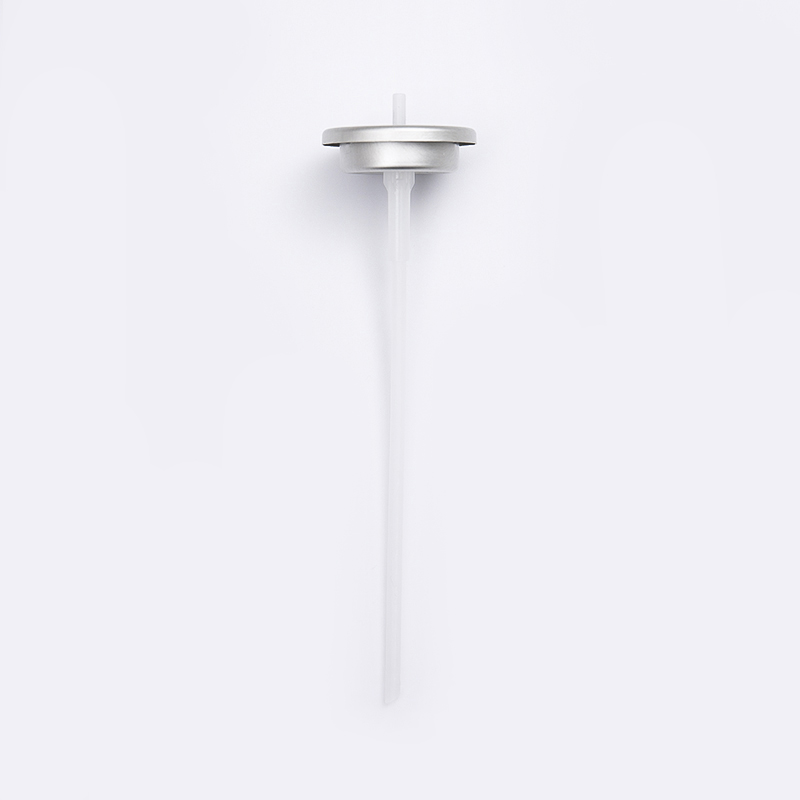
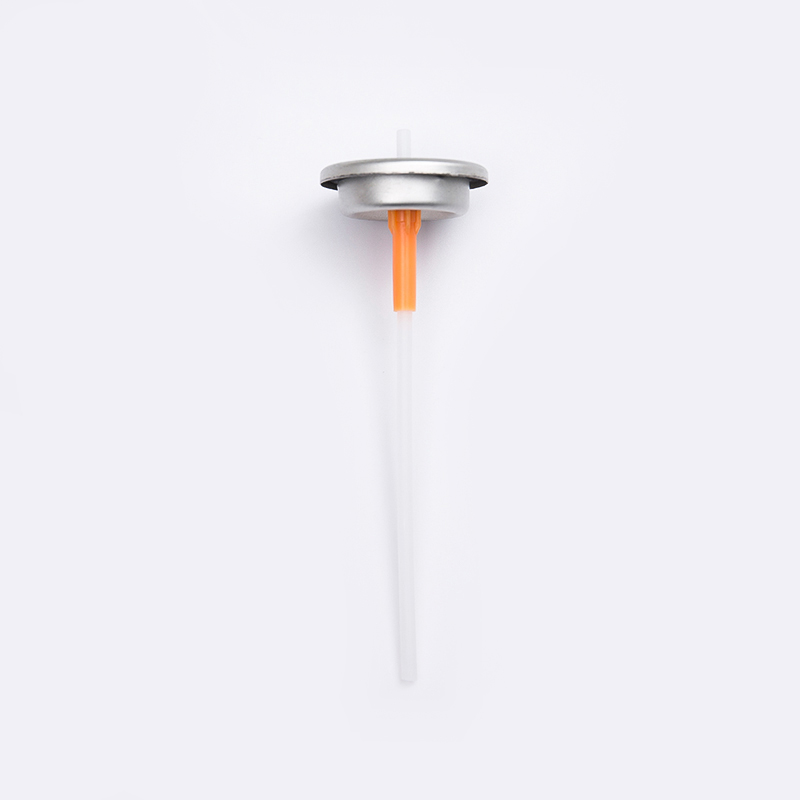
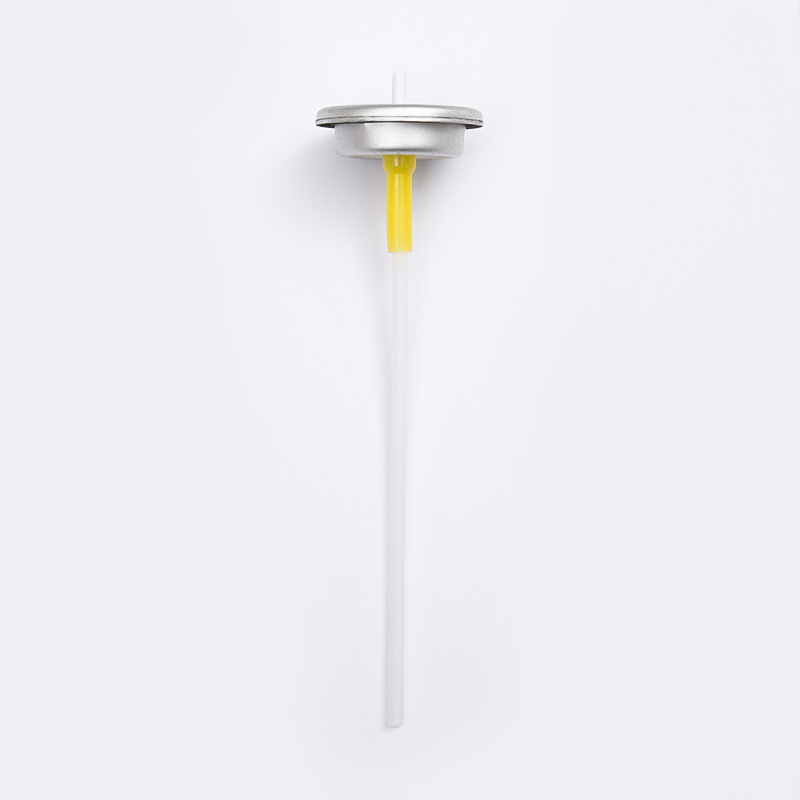
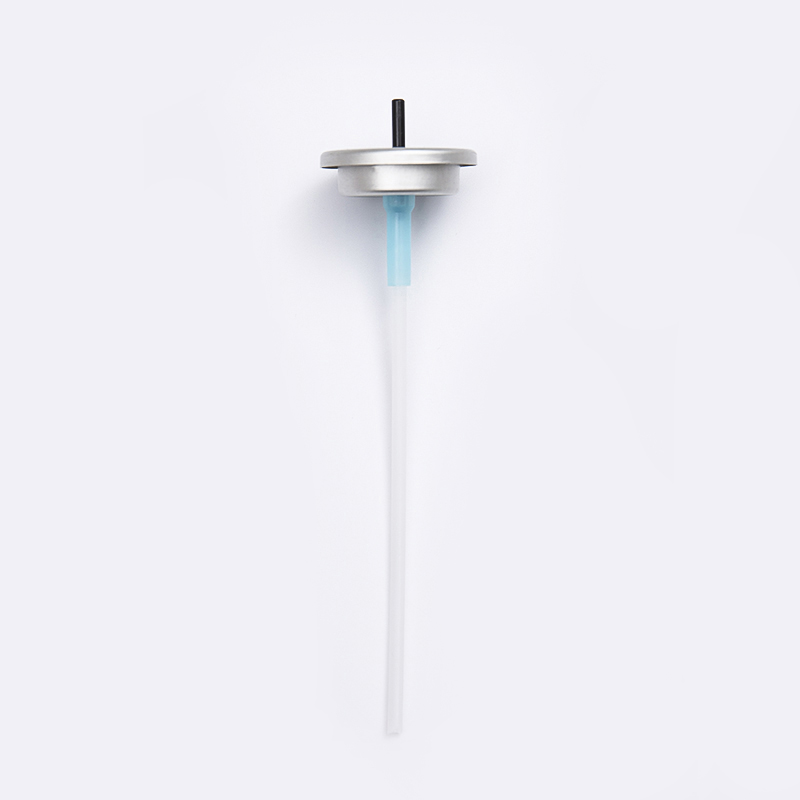
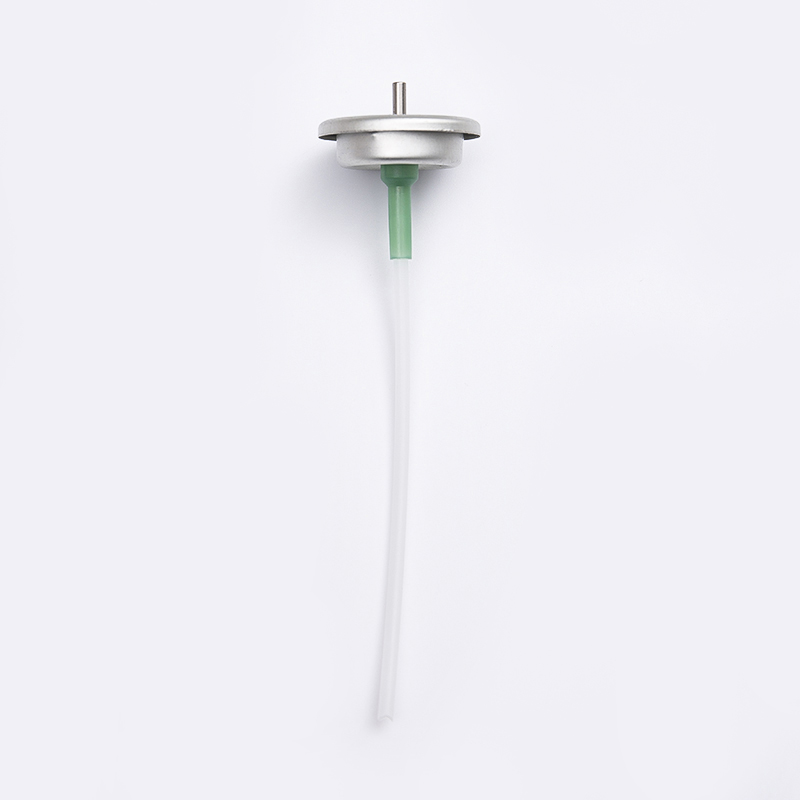
When using pepper spray for self-defense, the single most critical rule is to never deploy it without understanding how your specific device works — especially the actuator mechanism. A fumbled or accidental discharge can render you vulnerable at the worst moment. Before anything else, familiarize yourself with your Self Defense Pepper Spray Actuator, practice the draw motion, and always keep the safety engaged until the moment you need it.
Below are the essential precautions broken down by category: before use, during use, after use, storage, and legal considerations.
Know Your Device Before You Need It
Pepper spray is only effective if you can deploy it quickly and accurately under stress. Studies on self-defense readiness suggest that muscle memory formed through repeated dry-practice drills significantly improves reaction time in real situations.
- Read the manufacturer's instructions fully before carrying the device.
- Understand the safety mechanism — twist, flip, or slide — and practice disengaging it smoothly.
- Know the spray pattern of your unit: stream, cone, fog, or gel each behaves differently in wind and at varying distances.
- Check the effective range. Most consumer units are effective between 3 to 15 feet (roughly 1 to 4.5 meters); deploying outside that range wastes spray and time.
- Perform a short test burst in a safe, outdoor area to confirm the unit is functional and to experience the spray direction firsthand.
Pre-Deployment Safety Habits
Good habits before a situation arises can prevent accidents and maximize effectiveness. These precautions apply every time you carry your device.
Always Engage the Safety Lock When Not in Use
Accidental discharge inside a bag or pocket is one of the most common pepper spray incidents. Never carry a device with the safety disengaged. Even minor pressure against the actuator can trigger a burst. Check the safety every time you place the device in a bag or holster.
Position for Quick Access
Carry the device in a consistent, easily accessible location — a dedicated belt clip, side pocket, or keychain attachment. Fumbling during an emergency dramatically reduces its effectiveness. Practice drawing the device from your carry position at least 20–30 times so the motion becomes automatic.
Check Expiration Dates Regularly
Most pepper spray formulations degrade over time. The active compound, oleoresin capsicum (OC), can lose potency, and the propellant pressure drops. Replace your device every 2 to 3 years, or according to the manufacturer's stated shelf life, whichever comes first.
During Use: How to Deploy Pepper Spray Correctly
In a real self-defense scenario, correct technique is what separates effective use from a dangerous misfire. Follow these guidelines if you ever need to deploy your device.
- Maintain a distance of at least 3 feet from the threat to allow the spray to reach full dispersion before contact.
- Aim for the face — specifically the eyes and nose — for maximum effect on the attacker's sensory system.
- Use short, controlled bursts of 1 to 2 seconds each rather than one continuous discharge; this conserves spray and allows you to adjust aim.
- Be aware of wind direction before spraying outdoors. Deploying into the wind can cause blowback onto yourself.
- After deploying, move away immediately — do not wait to observe the effect. Create distance and escape.
Never use pepper spray in an enclosed vehicle or small room unless absolutely necessary, as the concentrated fumes will affect everyone inside, including you.
Wind Conditions and Spray Pattern Comparison
Choosing the right spray pattern for your environment is a key precaution that is often overlooked. The table below summarizes how different patterns perform under various conditions.
| Spray Type | Effective Range | Wind Sensitivity | Best Environment |
| Stream | Up to 15 ft (4.5 m) | Low | Outdoors, windy areas |
| Cone / Mist | 6–10 ft (1.8–3 m) | High | Indoors, calm conditions |
| Fog | 8–12 ft (2.4–3.6 m) | Very High | Crowd control, wide threats |
| Gel | Up to 18 ft (5.5 m) | Very Low | Outdoors, windy areas, enclosed spaces |
After Use: Decontamination and Recovery
Exposure to pepper spray — even partial blowback — requires proper decontamination. Improper washing can make symptoms significantly worse.
For Yourself (Accidental Exposure)
- Do not rub the affected area — rubbing spreads the capsaicin and intensifies burning.
- Move to fresh air immediately and blink rapidly to encourage tear production.
- Flush the eyes and skin with large amounts of cool, running water for at least 15 minutes.
- Wash skin with soap and cool water; avoid hot water, which opens pores and increases absorption.
- Remove and bag contaminated clothing to avoid secondary exposure.
For a Contaminated Area
- Ventilate the space immediately by opening windows and doors.
- Wipe surfaces with a diluted bleach solution or dish soap; plain water alone is not sufficient to break down OC oil.
- Avoid using fans that blow air toward uncontaminated areas.
Proper Storage to Prevent Accidents
Improper storage is a leading cause of both accidental discharge and premature degradation of pepper spray. Follow these guidelines to keep the device safe and functional.
- Store at room temperature (60–80°F / 15–27°C). Extreme heat can increase internal pressure and risk canister rupture; extreme cold reduces propellant effectiveness.
- Never leave the device in a parked car during summer — interior temperatures can exceed 130°F (54°C).
- Keep out of reach of children at all times. Store in a locked drawer or high cabinet when at home.
- Do not store near open flames or high-heat appliances; the propellant is flammable.
- Inspect the nozzle and actuator periodically for clogging or corrosion.
Legal Precautions: Know the Rules in Your Region
Pepper spray laws vary significantly by country, state, and even city. Using or carrying pepper spray where it is prohibited can result in criminal charges — regardless of intent.
Key legal considerations include:
- Age restrictions: Many jurisdictions require users to be at least 18 years old; some set the minimum at 21.
- Concentration limits: Some regions cap the maximum OC concentration at 2% or 10%, while others restrict canister size (e.g., no more than 4 oz / 118 ml).
- Prohibited locations: Schools, government buildings, airports, and public transportation systems commonly ban pepper spray, even where it is otherwise legal.
- Justified use: Pepper spray must generally only be used in genuine self-defense situations. Using it offensively or as a prank can result in assault charges.
- Cross-border travel: Do not assume legality transfers across state or national borders. Research regulations for every jurisdiction you travel through.
Always verify current laws with local legal authorities or official government sources before purchasing or carrying any self-defense spray device.
Frequently Asked Questions
Q1: Can pepper spray be used indoors safely?
Only as an absolute last resort. Indoor use will contaminate the entire space, affecting everyone present including the user. Gel-type sprays cause less airborne dispersion and are comparatively safer in enclosed areas.
Q2: How long does the effect of pepper spray last on an attacker?
Typically 30 to 45 minutes, though this varies based on the OC concentration, the individual's tolerance, and exposure level. Effects include intense burning of the eyes, skin, and respiratory tract.
Q3: What should I do if I accidentally spray myself?
Do not rub the area. Move to fresh air, flush with cool running water for at least 15 minutes, and wash with soap. Symptoms usually subside within 30 to 60 minutes.
Q4: Is pepper spray effective against someone under the influence of drugs or alcohol?
It may be less effective. Individuals in altered states can have a higher pain tolerance. In such cases, create distance and escape rather than relying solely on the spray.
Q5: How do I safely dispose of an expired pepper spray canister?
Do not puncture or incinerate the canister. Check with your local hazardous waste disposal facility. Many municipalities have designated collection days for pressurized aerosol products.
Q6: Does the actuator design affect how safely I can deploy pepper spray?
Yes. The actuator design directly determines how quickly and accurately you can deploy the spray under stress. A well-designed actuator with a reliable safety lock and ergonomic trigger reduces the risk of misfire and improves response speed.