English
 中文简体
中文简体 Español
 عربى
عربى
Key Components of an Aerosol Valve at a Glance
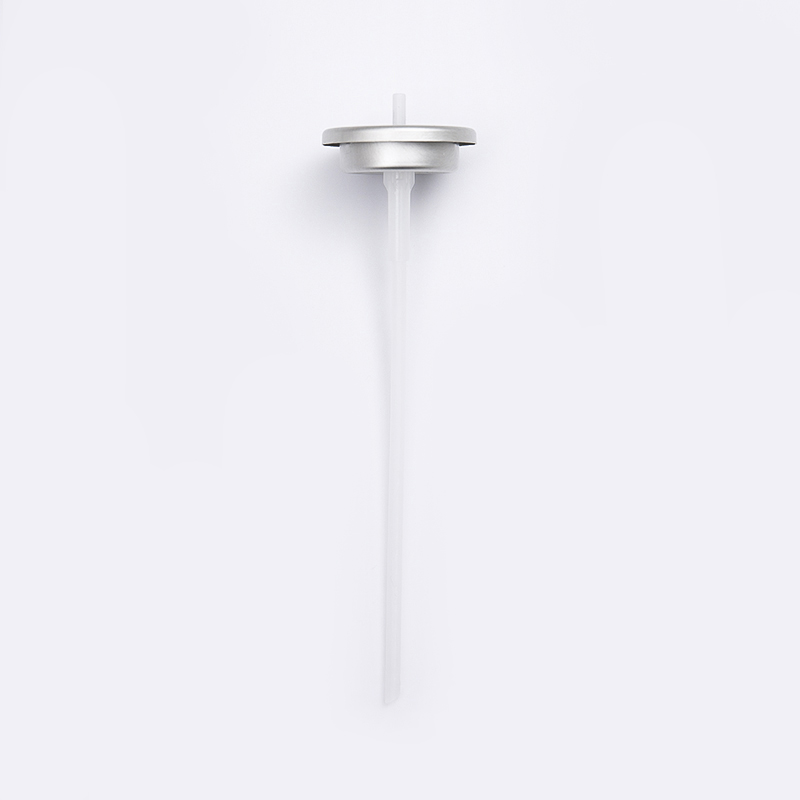
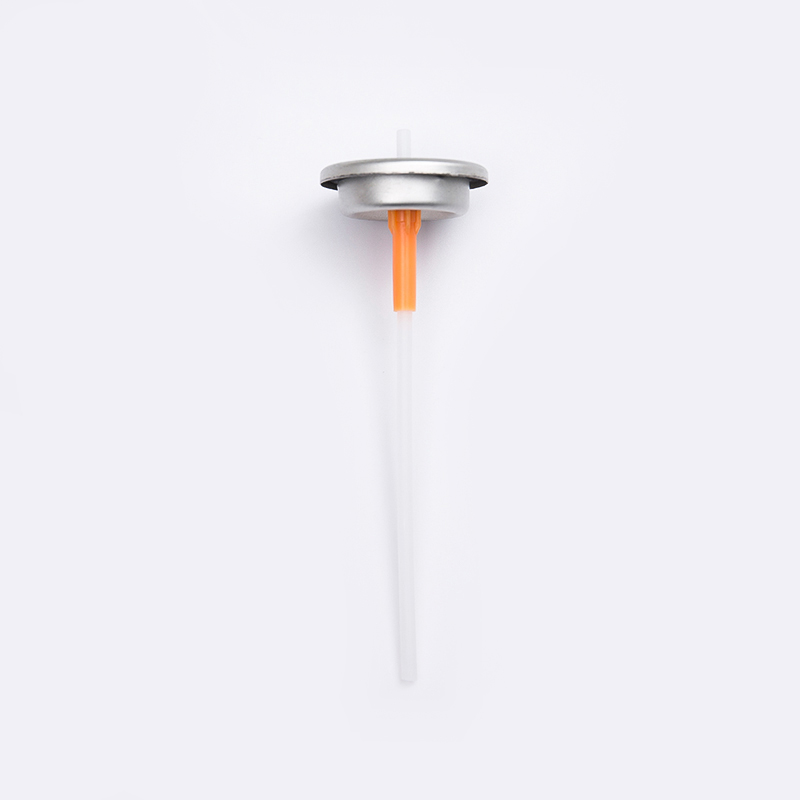
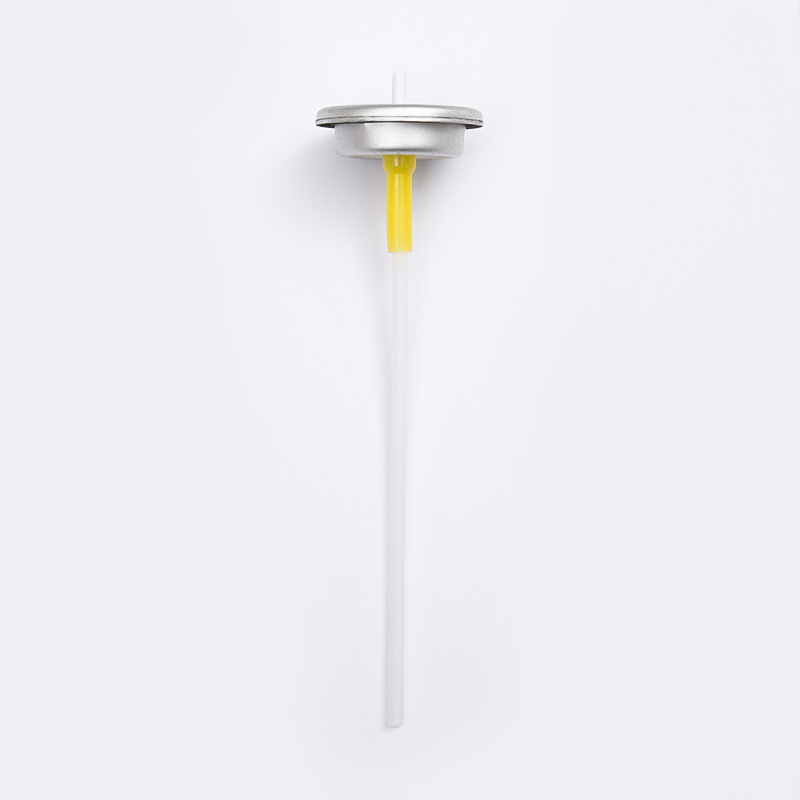
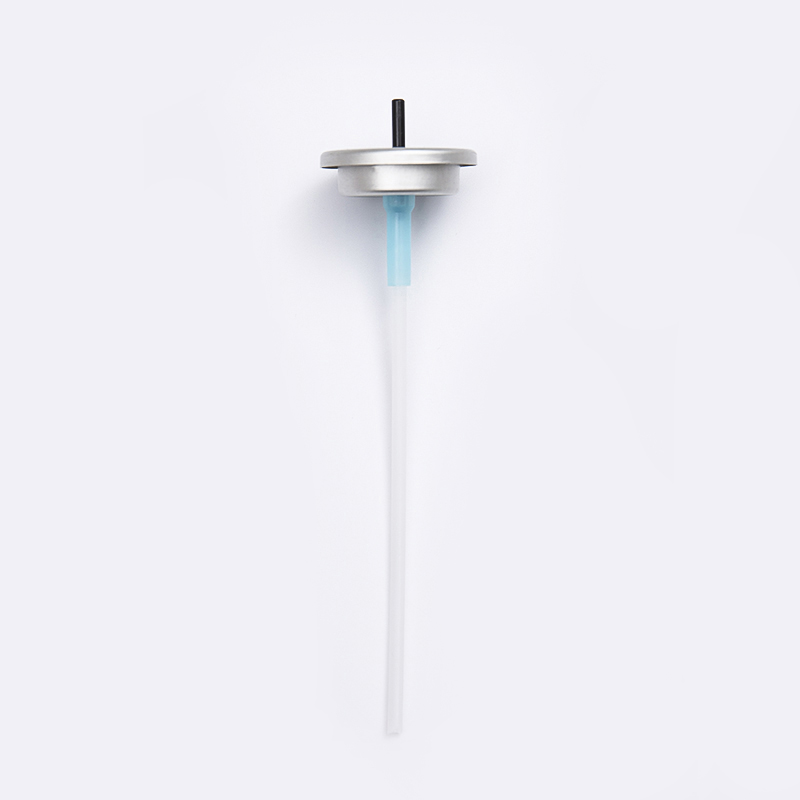
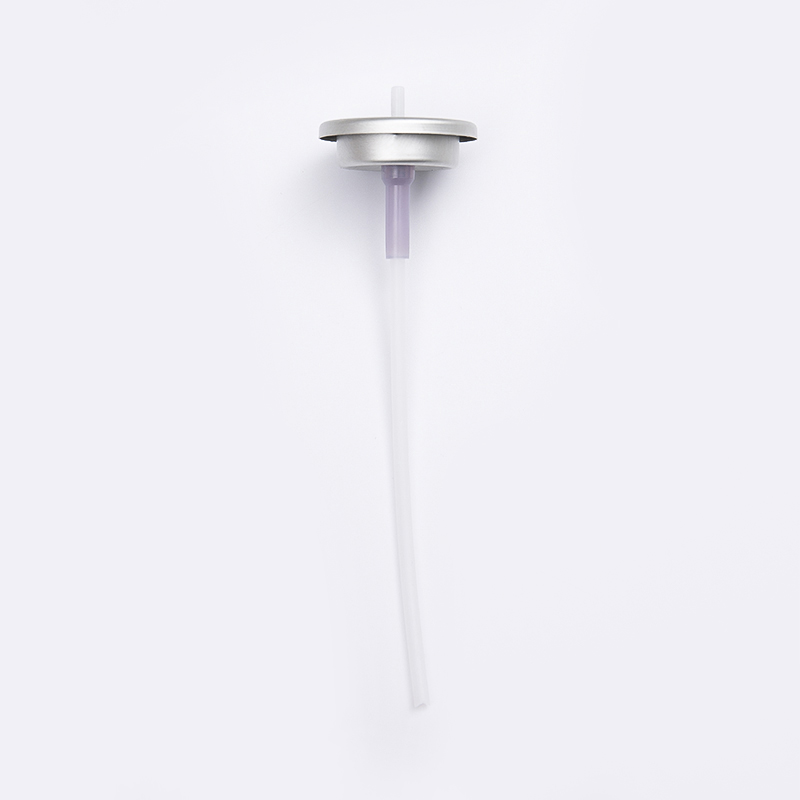
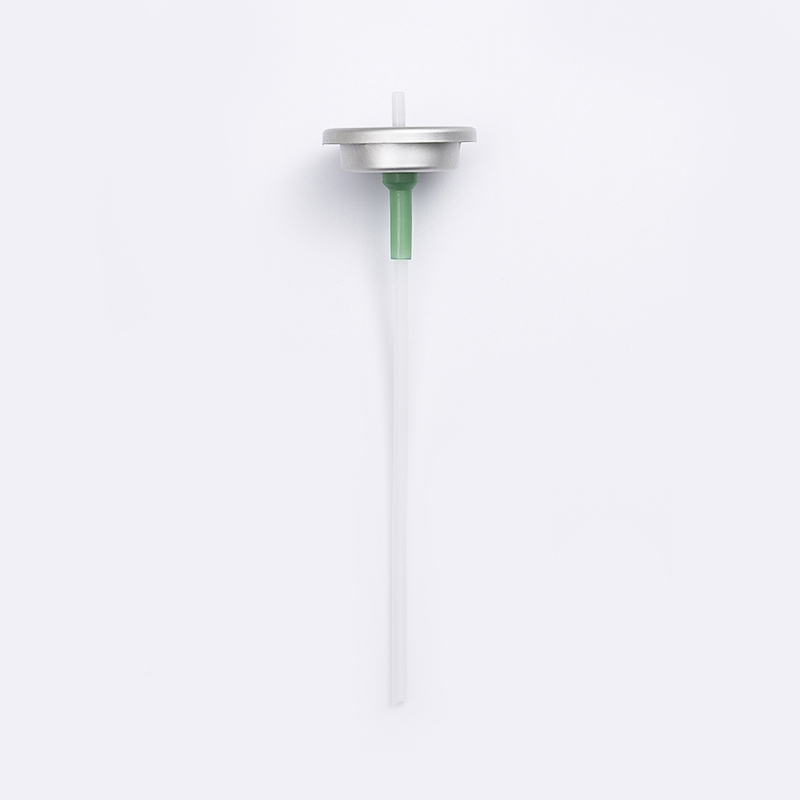
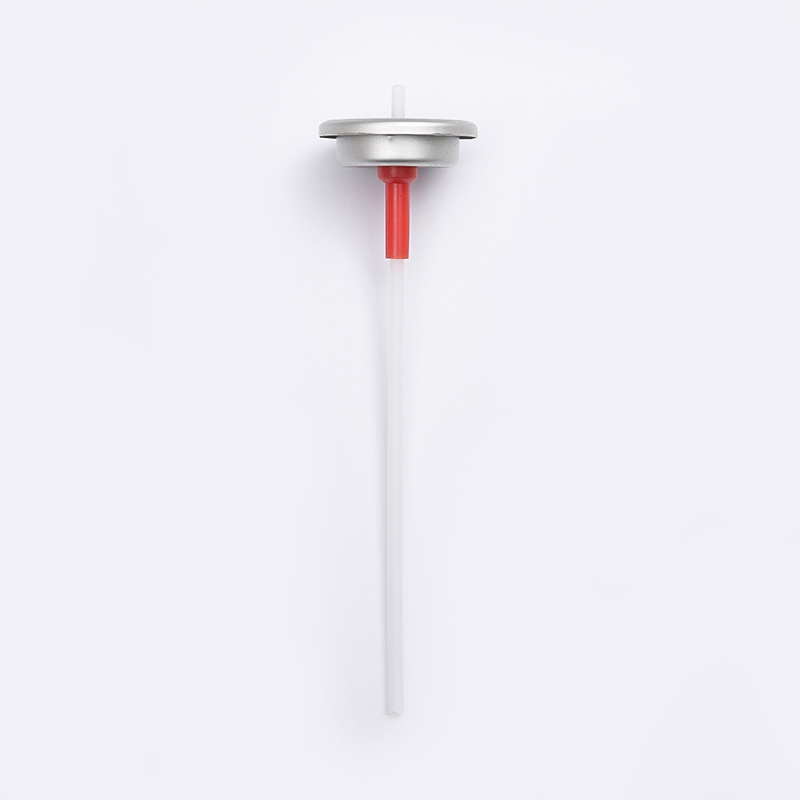
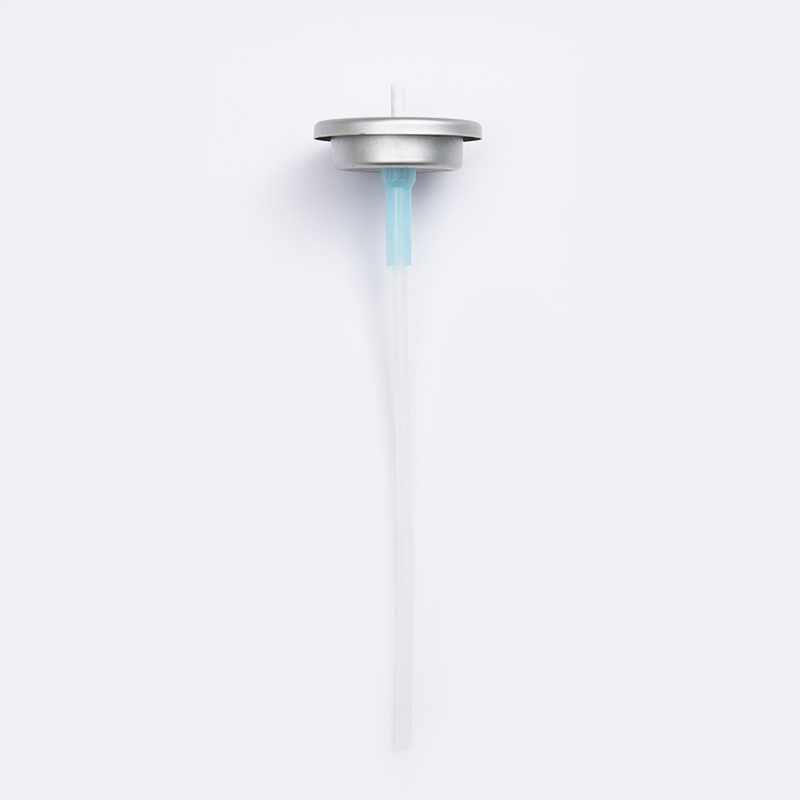
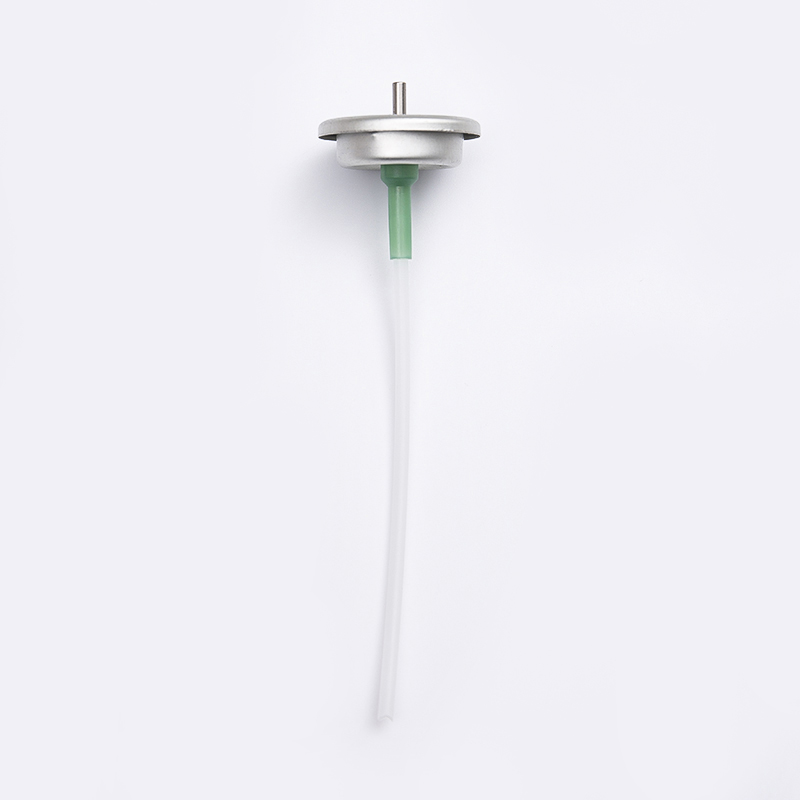
A spray aerosol valve is made up of six core components: the mounting cup, valve body (housing), stem, gasket, spring, and dip tube. Each part plays a precise mechanical role — together they control the pressurized release of product from the container. Understanding these components helps manufacturers, formulators, and buyers select the right valve for their application.
| Component | Primary Function | Common Material |
|---|---|---|
| Mounting Cup | Seals valve to container | Tinplate, aluminum |
| Valve Body (Housing) | Houses internal parts | Nylon, acetal (POM) |
| Stem | Actuates product release | Nylon, acetal |
| Gasket | Seals and controls flow | Buna-N, EPDM, neoprene |
| Spring | Returns stem to closed position | Stainless steel |
| Dip Tube | Draws product from container | Polyethylene (PE) |
Mounting Cup
The mounting cup is the outermost part of the aerosol valve assembly. It is crimped or fitted onto the top of the aerosol can and forms a pressure-tight seal between the valve and the container. Typically made from tinplate or aluminum, it must withstand internal pressures that can range from 40 psi to over 160 psi depending on the propellant system used.
The mounting cup also features a small orifice at its center where the valve stem protrudes. The cup diameter must match the can opening precisely — standard sizes include 1 inch (25.4 mm) for most consumer aerosols. Irregular or poorly fitted cups are one of the leading causes of valve leakage in production.
Valve Body (Housing)
The valve body, sometimes called the valve housing, is a small plastic chamber that holds all the internal valve components together. It sits within the mounting cup and connects to the dip tube below. Most valve bodies are injection-molded from nylon or acetal (POM) due to their chemical resistance and dimensional stability.
Inside the valve body, there is a precisely engineered orifice — typically between 0.013 inches and 0.080 inches (0.33–2.03 mm) in diameter. This orifice size directly determines the spray rate and output volume. A wider orifice delivers higher flow for products like industrial sprays, while a narrower orifice is used for fine mist applications such as perfumes or nasal sprays.
Valve Stem
The stem is the movable part of the valve that users interact with — either directly or through an actuator (button). When depressed, it opens the internal flow path and allows pressurized product to travel from the container through the stem orifice and out of the nozzle. When released, the spring pushes it back up to seal the valve.
Stem Orifice and Tail
The stem contains its own orifice, which works in combination with the valve body orifice to regulate spray output. The stem tail extends into the valve body and controls how the gasket seal is interrupted during actuation. Stem inner diameter typically ranges from 0.013 to 0.050 inches, and even a variation of 0.005 inches can noticeably change spray characteristics.
Tilt vs. Vertical Stems
Some stem designs are activated by tilting rather than pressing straight down. Tilt-action stems are common in hair care and certain industrial aerosols where directional spraying is needed. Vertical stems are the standard for most household and personal care products.
Gasket
The gasket is a small rubber or elastomeric seal seated at the top of the valve body. It is one of the most critical components for maintaining a leak-proof valve. When the stem is in the closed position, the gasket presses tightly against the stem to block any flow. When the stem is pressed, it moves away from the gasket, creating a gap through which product flows.
Material selection for the gasket is closely tied to the formulation. Common materials include:
- Buna-N (Nitrile): Suitable for hydrocarbon propellants and oils
- EPDM: Recommended for water-based products and aggressive chemicals
- Neoprene: Balanced performance for general-purpose aerosols
- Buna-S (SBR): Low-cost option for non-reactive formulations
Using an incompatible gasket material can cause the rubber to swell, degrade, or harden — resulting in valve failure, product leakage, or changes in spray performance. Gasket compatibility testing is mandatory before production scale-up.
Spring
The spring is positioned inside the valve body beneath the stem. Its function is simple but essential: it keeps the stem in the upright, closed position when no pressure is applied. When the user presses the actuator, the stem compresses the spring; once released, the spring pushes the stem back up to re-seal the gasket.
Aerosol valve springs are almost universally made from stainless steel to resist corrosion from propellants and formulation ingredients. Spring tension — typically measured in grams of force required for actuation — affects user experience significantly. Consumer products generally require an actuation force of 15 to 35 Newtons, balancing ease of use with resistance to accidental discharge.
Dip Tube
The dip tube is a long, thin plastic tube that extends from the bottom of the valve body down to the base of the aerosol container. Its role is to draw the liquid product up from the bottom of the can and deliver it to the valve for discharge. Without the dip tube, only propellant (gas phase) near the top of the can would be expelled.
Dip tubes are usually made from polyethylene (PE) and are cut to a length just short of the container bottom — typically leaving a gap of 1–3 mm to prevent blockage. For products that must be dispensed upside-down (such as some industrial lubricants), a special short dip tube or a vapor-tap valve is used instead. Dip tube diameter is matched to the expected viscosity of the product — thicker formulas require wider tubes.
Actuator (Button/Nozzle)
While sometimes considered a separate accessory rather than a core valve component, the actuator — commonly called the button or cap — directly influences the final spray output. It fits onto the valve stem and contains the spray nozzle orifice that determines the spray pattern: fine mist, foam, stream, or fan spray.
Actuator orifice sizes and internal channel geometry are engineered to match the valve's output. A mismatch between actuator design and valve specification can result in sputtering, inconsistent spray patterns, or complete blockage. In many aerosol systems, the actuator is considered part of the "valve and actuator assembly" and is specified together with the valve body and stem.
How the Components Work Together
When a user presses the actuator, the following sequence occurs in milliseconds:
- The stem is pushed downward, compressing the spring.
- The stem separates from the gasket, opening the internal flow channel.
- Propellant pressure forces the product up through the dip tube.
- Product travels through the valve body orifice and the stem orifice.
- The product exits through the actuator nozzle and is atomized into a spray.
- Upon release, the spring returns the stem upward, and the gasket reseals.
The precision of this mechanism depends on all six components being correctly specified and compatible. Even a 0.1 mm deviation in stem orifice diameter or a gasket material mismatch can alter spray rate by 20–30% or cause premature valve failure.
Factors That Affect Valve Component Selection
Choosing the right aerosol valve configuration requires evaluating several variables:
- Formulation type: Water-based, solvent-based, or oil-based products each require compatible gasket and housing materials.
- Propellant system: Hydrocarbon, HFA, CO₂, and compressed air propellants exert different pressures and have varying chemical interactions with valve materials.
- Desired spray rate: Orifice sizes across the stem and body are calibrated to deliver a specific grams-per-second output.
- Product viscosity: High-viscosity products may require larger dip tube diameters and higher spring tensions.
- Dispensing orientation: Standard valves are designed for upright use; inverted or multi-position dispensing requires modified dip tube or vapor-tap configurations.
- Regulatory requirements: Pharmaceutical aerosols (MDIs) and food-grade sprays are subject to strict material certification and dimensional tolerance standards.
FAQ
Q1: What is the most important component of a spray aerosol valve?
All six components are interdependent, but the gasket is often the most failure-prone. Its material compatibility with the product formulation is critical — a wrong gasket choice leads to leaks or spray failure.
Q2: Can aerosol valves be reused or refilled?
Most standard aerosol valves are designed for single-use containers. However, certain refillable aerosol systems use reinforced valve assemblies rated for multiple pressure cycles. These are common in industrial applications.
Q3: What does valve orifice size affect?
Orifice size controls the spray rate (g/sec) and particle size. A larger orifice increases output volume but produces coarser droplets; a smaller orifice produces finer mist but slower delivery.
Q4: Why do some aerosols not use a dip tube?
Aerosols intended to dispense foam, gel, or products in an inverted position may use a vapor-tap valve without a conventional dip tube, allowing propellant to push product from above.
Q5: What materials are aerosol valve bodies made from?
Valve bodies are most commonly made from nylon or acetal (POM) due to their chemical resistance, dimensional stability, and suitability for precision injection molding.
Q6: How is spray pattern controlled in an aerosol valve?
Spray pattern is primarily controlled by the actuator nozzle geometry and the internal channel design, rather than the valve body itself. The valve controls flow rate; the actuator shapes the spray.