English
 中文简体
中文简体 Español
 عربى
عربى
Introduction: From Component Selection to System Integration
In fire protection systems, valves are often perceived as discrete mechanical components. However, from an original equipment manufacturer (OEM) and system integrator perspective, a fire extinguisher valve is not an isolated part. It is a functional interface between pressure containment, agent discharge control, safety compliance, and long-term serviceability.
As regulatory requirements evolve and maintenance expectations increase, the criteria for selecting fire extinguisher valves have shifted. OEM integration now requires a broader systems-engineering view that considers mechanical compatibility, material behavior, inspection cycles, lifecycle cost, compliance alignment, and manufacturing consistency.
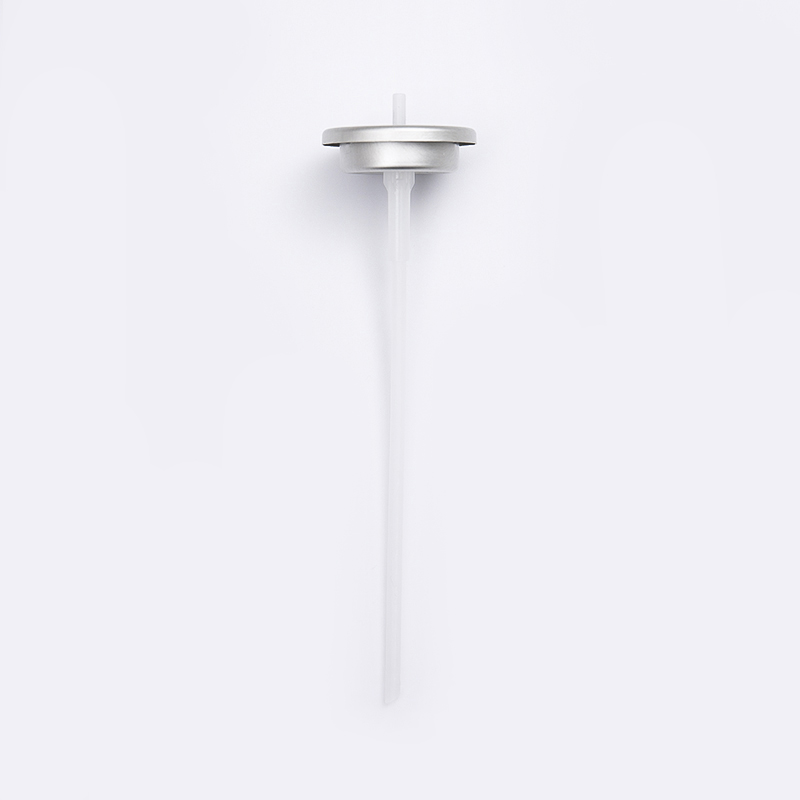
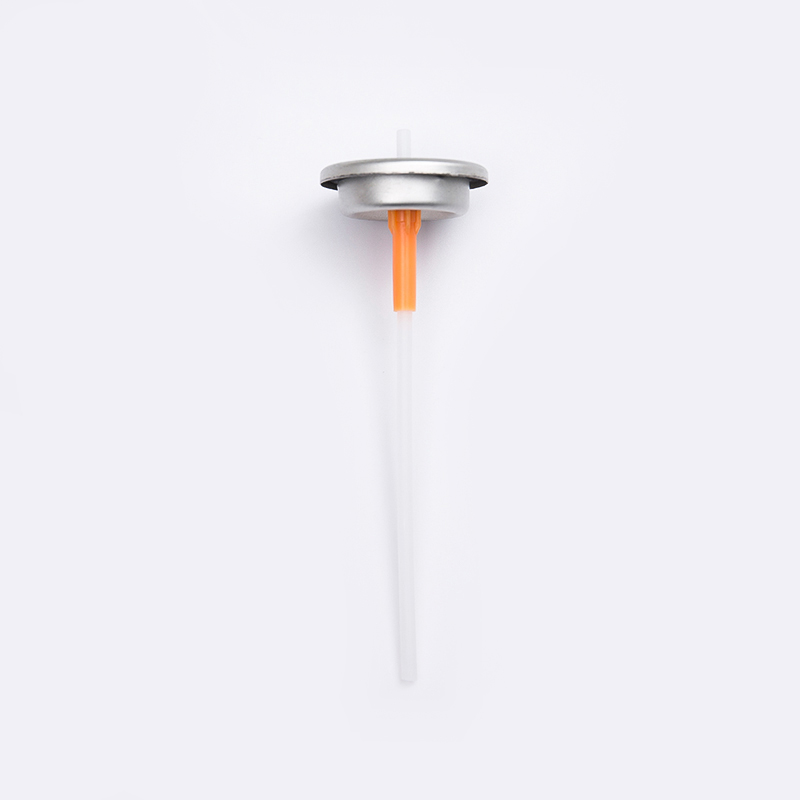
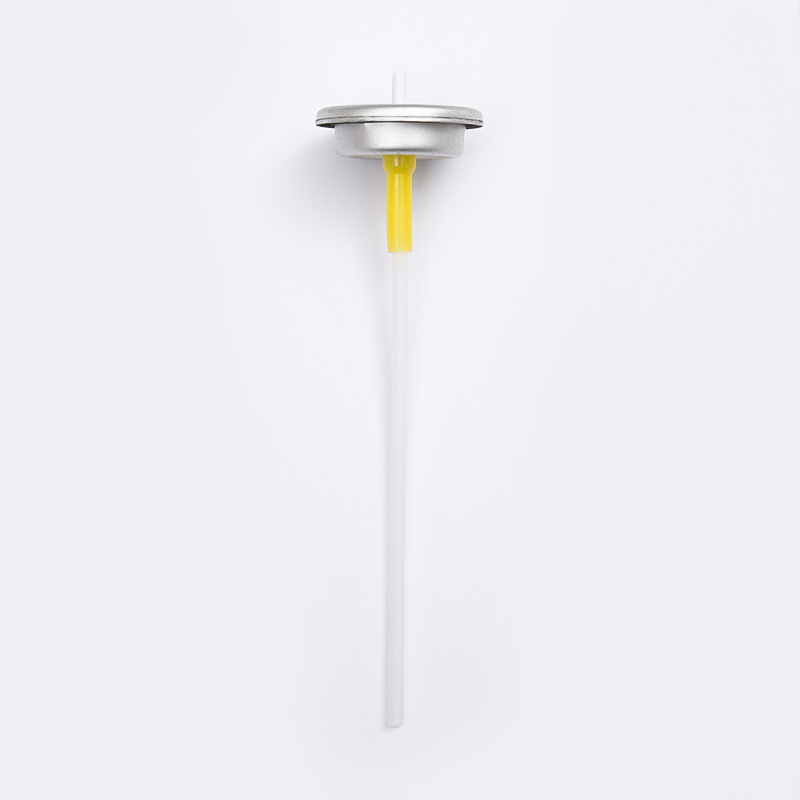
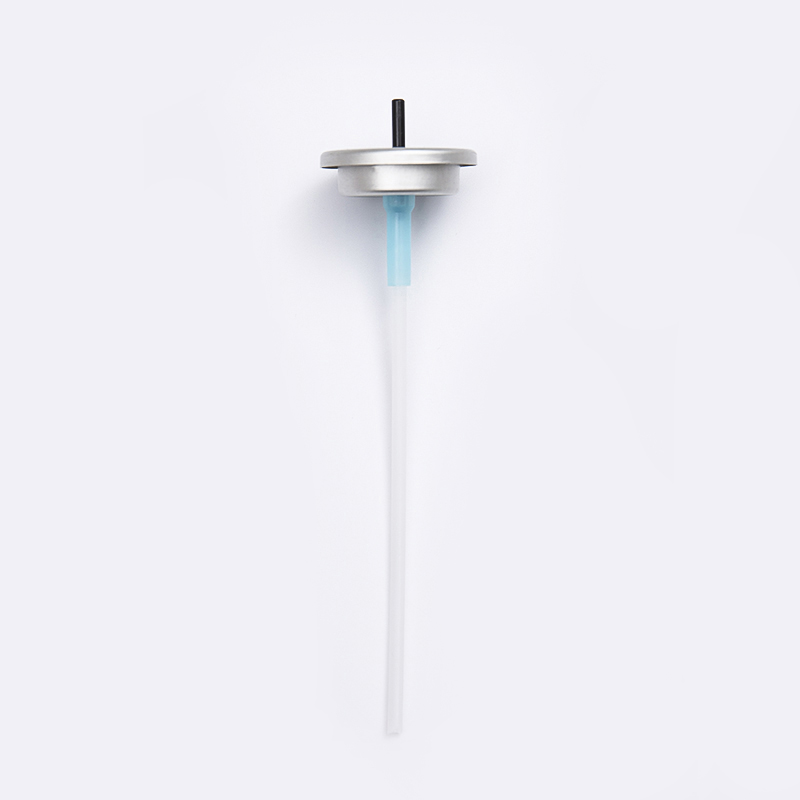
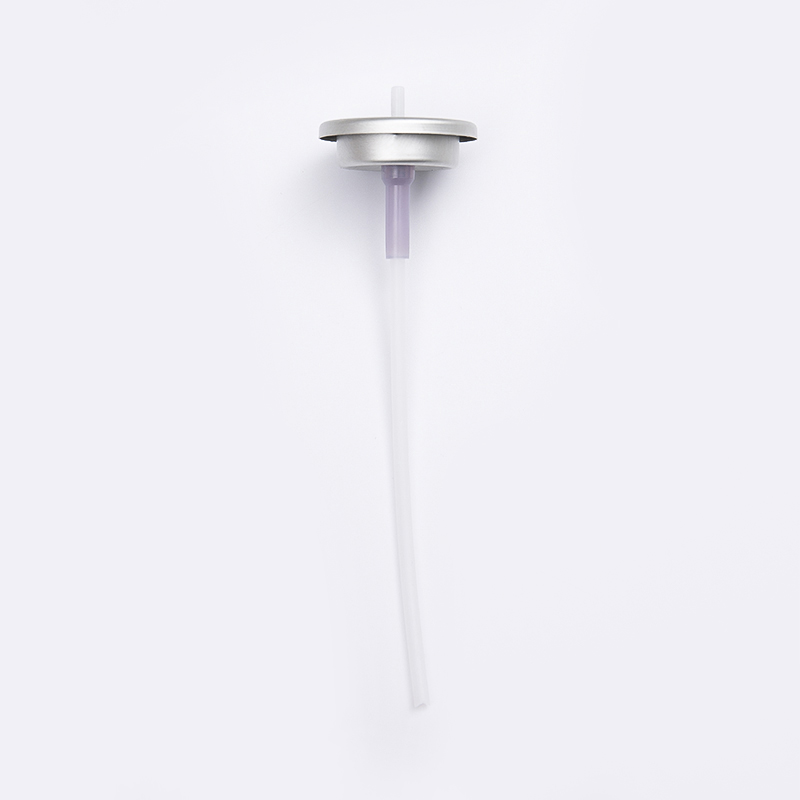
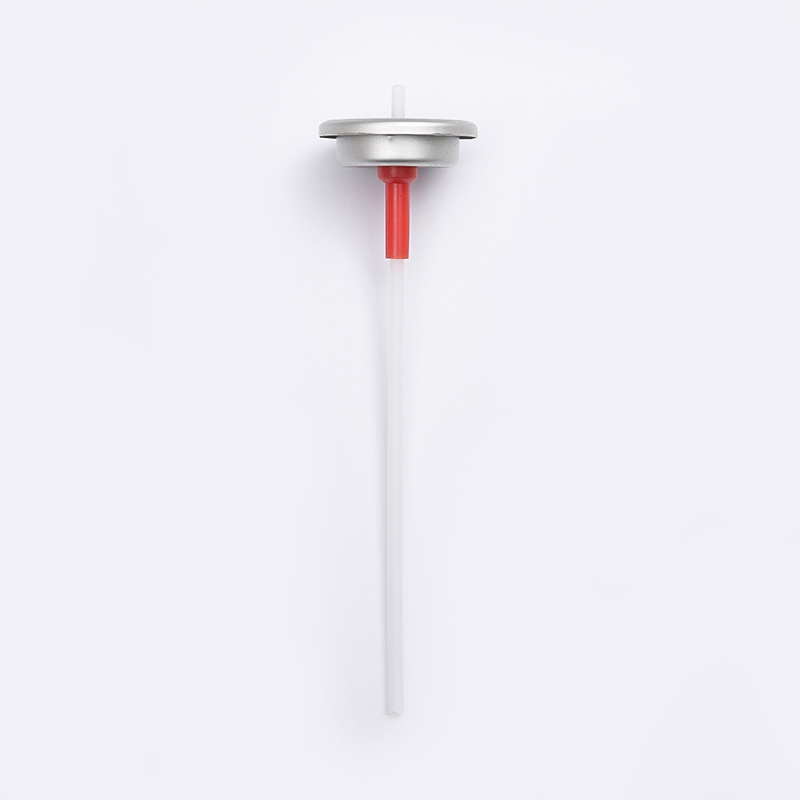
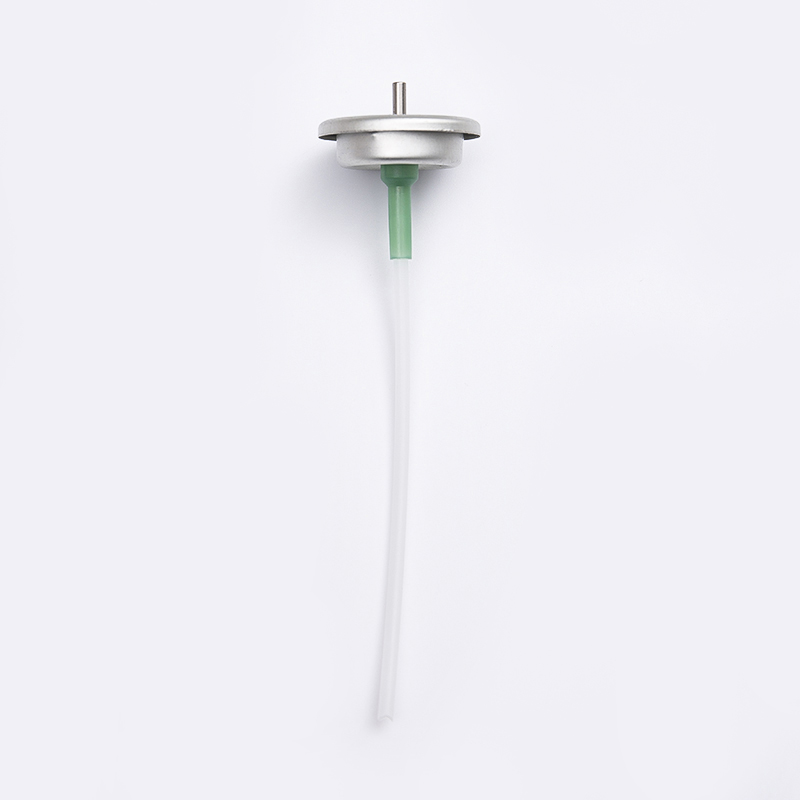
For aluminum-based valve assemblies such as those used in one-inch fire extinguisher and fire control applications, including designs similar to m-f3.60 aluminum cup one-inch fire extinguish valves fire control valves, suitability for OEM integration depends on more than basic pressure handling. It requires engineering-level alignment with the complete fire protection ecosystem, from manufacturing to field maintenance.
1. OEM Integration as a System Engineering Challenge
1.1 Beyond Component-Level Specifications
In OEM fire protection equipment, valves serve as system-critical nodes. They must interface with:
- Cylinders and pressure vessels
- Discharge tubing and hose assemblies
- Actuation mechanisms (manual, automatic, or hybrid)
- Sealing systems and pressure-retention elements
- Inspection and servicing tools
- Regulatory labeling and traceability processes
From a systems engineering perspective, the valve must support functional, regulatory, and operational compatibility simultaneously.
Key system-level considerations include:
- Geometric and thread interface compatibility
- Pressure and flow performance stability
- Maintenance and requalification support
- Compatibility with fire suppression agents
- Traceability and compliance documentation
An aluminum cup valve design used in one-inch fire extinguisher systems is therefore not evaluated only by pressure rating. It is evaluated by its integration performance across the full equipment lifecycle.
1.2 OEM Integration Lifecycle Stages
OEM integration can be divided into multiple technical stages:
| Lifecycle Stage | Valve Integration Focus |
|---|---|
| Design & Engineering | Interface geometry, material selection, sealing concept |
| Manufacturing | Tolerance control, repeatability, assembly stability |
| Certification | Compliance alignment, documentation, labeling |
| System Assembly | Fit-up, torque control, leak testing |
| Field Deployment | Environmental resistance, operational reliability |
| Inspection & Maintenance | Disassembly, resealing, component replacement |
| End-of-Life | Recycling, material recovery, disposal compatibility |
A valve suitable for OEM integration must perform reliably at every stage, not only during initial installation.
2. Mechanical Interface and Dimensional Compatibility
2.1 Standardized Interface Geometry
One of the most critical OEM requirements is dimensional repeatability. In one-inch fire extinguisher valve systems, interface geometry affects:
- Cylinder neck fit
- Thread engagement depth
- Sealing face contact
- Alignment with discharge assemblies
For aluminum cup one-inch fire extinguisher valve assemblies, dimensional stability is essential to:
- Avoid thread galling
- Ensure consistent torque performance.
- Maintain sealing reliability over multiple service cycles.
From a system engineering view, interface geometry is a risk control parameter. Small variations can lead to field failures, leakage, or incompatibility with service tools.
2.2 Tolerance Control and Assembly Repeatability
OEM environments demand large-volume production and predictable assembly outcomes. Valves must be designed to support:
- Controlled thread tolerances
- Flatness and concentricity of sealing surfaces
- Repeatable torque response
- Alignment with actuation and discharge components
For systems using m-f3.60 aluminum cup, one-inch fire extinguish valves, fire control valves, or equivalent configurations, tolerance consistency directly impacts:
- Leak test pass rates
- Assembly time
- Field serviceability
- Long-term sealing integrity
Poor tolerance control introduces systemic risk, increasing warranty exposure and field failure probability.
3. Material Selection and Aluminum Cup Design Considerations
3.1 Why Aluminum Is Increasingly Used
Aluminum alloys are widely used in modern fire extinguisher valve housings due to several system-level advantages:
- Lower mass for portable systems
- Improved corrosion resistance in many environments
- Easier machining and forming
- Compatibility with recycling and sustainability objectives
In an aluminum cup with a one-inch fire extinguisher valve design, the material choice affects:
- Structural stability
- Thread durability
- Long-term sealing surface behavior
- Resistance to chemical exposure from fire suppression agents
3.2 Aluminum Cup Structural Behavior
From a systems perspective, aluminum cup geometry plays a role in:
- Load distribution under pressure
- Thread engagement behavior
- Resistance to deformation during installation and service
Designers must account for aluminum’s mechanical characteristics, including:
- Lower hardness compared to steel
- Potential for thread wear
- Sensitivity to surface damage
Therefore, aluminum cup valve designs intended for OEM integration often incorporate:
- Reinforced thread geometry
- Optimized wall thickness
- Controlled surface finishes
- Protective coatings or treatments
These design measures help maintain functional stability across repeated inspection and servicing cycles.
4. Sealing Architecture and Leak Integrity
4.1 Role of Sealing Systems in OEM Reliability
Sealing performance is a core requirement in fire extinguisher valve systems. A valve suitable for OEM integration must support:
- Initial pressure retention
- Long-term pressure stability
- Re-sealing after maintenance
- Compatibility with inspection intervals
Sealing failure is not only a component issue. It becomes a system-level failure, affecting safety, compliance, and operational readiness.
4.2 Sealing Surface Design
From a systems engineering standpoint, sealing surfaces must support:
- Repeatable compression
- Minimal surface damage during disassembly
- Resistance to corrosion and contamination
- Stability under temperature variation
In aluminum-based one-inch fire extinguisher valves, sealing surface integrity is particularly important due to:
- Aluminum’s softer surface
- Potential for micro-scratching
- Deformation under excessive torque
OEM-suitable valve designs address these risks through engineered sealing interfaces.
5. Compatibility with Fire Suppression Agents
5.1 Agent-Driven Material and Seal Selection
Fire extinguisher systems may use various agents, including:
- Dry chemical powders
- Clean agents
- Carbon dioxide
- Specialized suppression compounds
From a systems integration perspective, valve materials and seals must be compatible with:
- Chemical exposure
- Moisture absorption
- Particulate interaction
- Long-term storage conditions
Aluminum cup valve designs must be evaluated for:
- Chemical resistance
- Internal surface stability
- Interaction with particulate-laden agents
Agent compatibility is a system-level qualification requirement, not just a component material decision.
5.2 Internal Flow Path Considerations
Flow path geometry affects:
- Agent discharge efficiency
- Particle accumulation risk
- Internal erosion
- Long-term reliability
For one-inch fire extinguisher valve assemblies, internal design must support:
- Smooth flow transitions
- Minimal dead zones
- Reduced accumulation of powder residues
These factors influence long-term performance and serviceability.
6. Compliance, Certification, and Documentation Alignment
6.1 Regulatory Integration Requirements
OEM equipment must comply with applicable fire protection standards and inspection frameworks. While specific certifications vary by market and jurisdiction, system integrators typically require valves that support:
- Standardized inspection procedures
- Defined service intervals
- Traceability and documentation
- Clear marking and identification
A valve suitable for OEM integration must be designed to fit into regulatory inspection and maintenance workflows.
6.2 Traceability and Batch Control
Traceability is increasingly important in OEM fire protection systems. Valves must support:
- Batch identification
- Manufacturing records
- Service history tracking
For aluminum cup one-inch fire extinguisher valve assemblies, traceability helps:
- Support recalls if required.
- Document compliance
- Improve long-term quality management.
From a systems perspective, traceability is part of risk management and lifecycle governance.
7. Inspection, Maintenance, and Serviceability
7.1 Maintenance as a System Design Requirement
Modern fire protection standards emphasize regular inspection and periodic internal servicing. Valves must support:
- Repeated disassembly and reassembly
- Replacement of sealing elements
- Cleaning and internal inspection
- Requalification testing
Valves designed for OEM integration must therefore be service-friendly, not only pressure-capable.
7.2 Service Cycle Impact on Valve Design
Repeated servicing introduces mechanical and surface wear. OEM-suitable valve designs account for:
- Thread durability over multiple cycles
- Resistance to galling
- Preservation of sealing surfaces
- Tolerance stability after reassembly
In aluminum cup valve systems, serviceability design directly impacts:
- Maintenance time
- Field reliability
- Total cost of ownership
8. Manufacturing Consistency and Supply Chain Integration
8.1 Repeatability as an OEM Requirement
OEM environments require:
- Consistent dimensions across production lots
- Stable material properties
- Controlled surface finish
- Predictable sealing behavior
A valve design suitable for OEM integration must be manufacturable at scale with minimal variation.
8.2 Supply Chain and Quality System Alignment
From a systems integration perspective, supplier processes affect:
- Assembly yield
- Field performance
- Warranty exposure
- Compliance documentation
OEM integrators typically evaluate valve designs for:
- Process capability
- Quality system maturity
- Documentation practices
- Change control procedures
These factors are as important as the valve’s physical design.
9. Environmental and Operating Condition Compatibility
9.1 Environmental Exposure
Fire extinguisher systems may be installed in:
- Industrial environments
- Outdoor installations
- High-humidity areas
- Temperature-variable spaces
Aluminum cup one-inch fire extinguisher valve assemblies must support:
- Corrosion resistance
- Surface stability
- Seal material compatibility
- Structural stability under temperature changes
9.2 Mechanical Stress and Handling
During transportation, installation, and service, valves are exposed to:
- Mechanical shock
- Tool-induced stress
- Misalignment forces
OEM-suitable designs incorporate mechanical robustness to reduce damage risk during handling.
10. System-Level Performance Comparison
The table below illustrates how system-level integration factors influence valve suitability for OEM use:
| System Factor | OEM Integration Impact | Engineering Focus |
|---|---|---|
| Interface Geometry | Assembly compatibility | Thread and sealing design |
| Material Selection | Corrosion and durability | Aluminum alloy optimization |
| Sealing Architecture | Leak prevention | Surface and seal engineering |
| Agent Compatibility | Long-term reliability | Internal material and flow path |
| Maintenance Cycles | Serviceability | Reassembly durability |
| Traceability | Compliance management | Batch and marking systems |
| Manufacturing Repeatability | Quality consistency | Process control |
| Environmental Resistance | Field reliability | Coatings and finishes |
This illustrates that OEM suitability is multidimensional, not defined by a single specification.
11. Role of Keywords in OEM System Context
Within system documentation and engineering communication, component identification is critical. Descriptions such as m-f3.60 aluminum cup, one-inch fire extinguish valves, and fire control valves are used to:
- Identify interface standards
- Communicate configuration
- Support internal documentation
- Enable procurement alignment
From a system engineering standpoint, consistent terminology reduces misinterpretation and integration errors.
Conclusion
A fire extinguisher valve suitable for OEM integration is not defined solely by pressure rating or basic fit. It is defined by its ability to perform as a reliable, compliant, serviceable, and repeatable system interface throughout the equipment lifecycle.
Key characteristics include:
- Dimensional and interface consistency
- Appropriate aluminum cup structural design
- Robust sealing architecture
- Compatibility with suppression agents
- Support for inspection and maintenance cycles
- Traceability and documentation alignment
- Manufacturing repeatability and supply chain stability
From a systems engineering perspective, valves used in one-inch fire extinguishers and fire control applications must be evaluated as part of the complete fire protection ecosystem. Only through this integrated view can OEMs ensure long-term reliability, compliance, and operational readiness.
FAQ
Q1: Why is aluminum commonly used in fire extinguisher valve housings?
Aluminum is used due to its favorable balance of weight, corrosion resistance, machinability, and recyclability. From a systems perspective, aluminum cup designs support portable equipment requirements while maintaining structural performance.
Q2: How does serviceability affect OEM valve selection?
Serviceability affects long-term reliability and maintenance cost. Valves must support repeated disassembly and resealing without degrading threads or sealing surfaces.
Q3: Why is traceability important for fire extinguisher valves?
Traceability supports compliance documentation, quality management, and recall management. It is part of system-level risk control and lifecycle governance.
Q4: How do sealing surface designs influence long-term reliability?
Sealing surface design affects leak prevention, reassembly performance, and resistance to surface damage. Proper surface engineering is essential for multi-cycle maintenance environments.
Q5: What role does agent compatibility play in valve design?
Different suppression agents interact differently with materials and internal surfaces. Valve designs must support chemical and particulate compatibility to maintain long-term performance.
References
- Fire protection system engineering principles and lifecycle management frameworks
- Industry guidelines for portable fire extinguisher inspection and maintenance
- Engineering best practices for pressure-retaining aluminum components in safety systems