English
 中文简体
中文简体 Español
 عربى
عربى
Introduction: Why Valve Design Matters in Aerosol Systems
In pressurized aerosol delivery systems, valve design is one of the most influential determinants of spray pattern and particle size distribution. While propellant selection, formulation rheology, and actuator geometry all contribute to final aerosol performance, the metering valve functions as the primary mechanical interface that governs how liquid is metered, accelerated, atomized, and released.
For engineering teams, technical managers, and B2B procurement specialists, understanding valve design is not simply a matter of selecting a component. It is a systems-level integration challenge that affects:
- Does accuracy and repeatability
- Spray plume geometry and spatial distribution.
- Droplet and particle size consistency
- Long-term stability and wear behavior
- Compatibility with formulation and propellant systems
- Regulatory and validation requirements
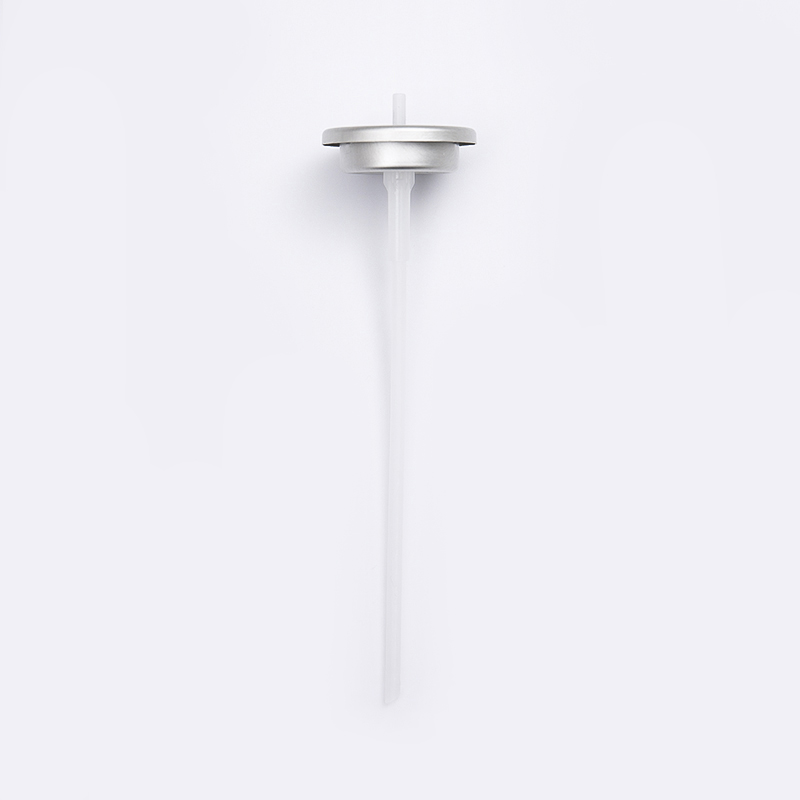
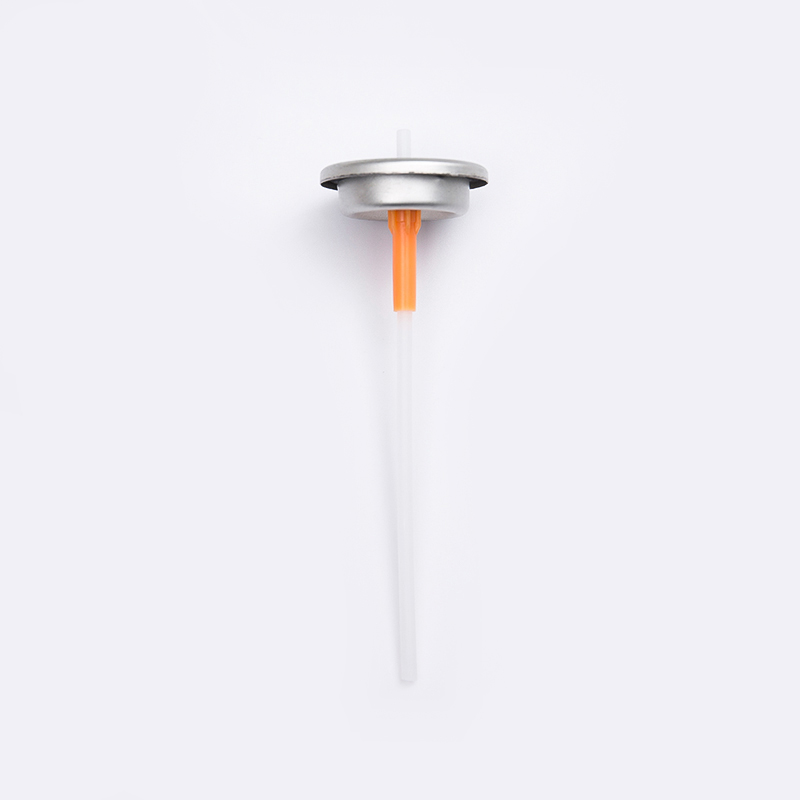
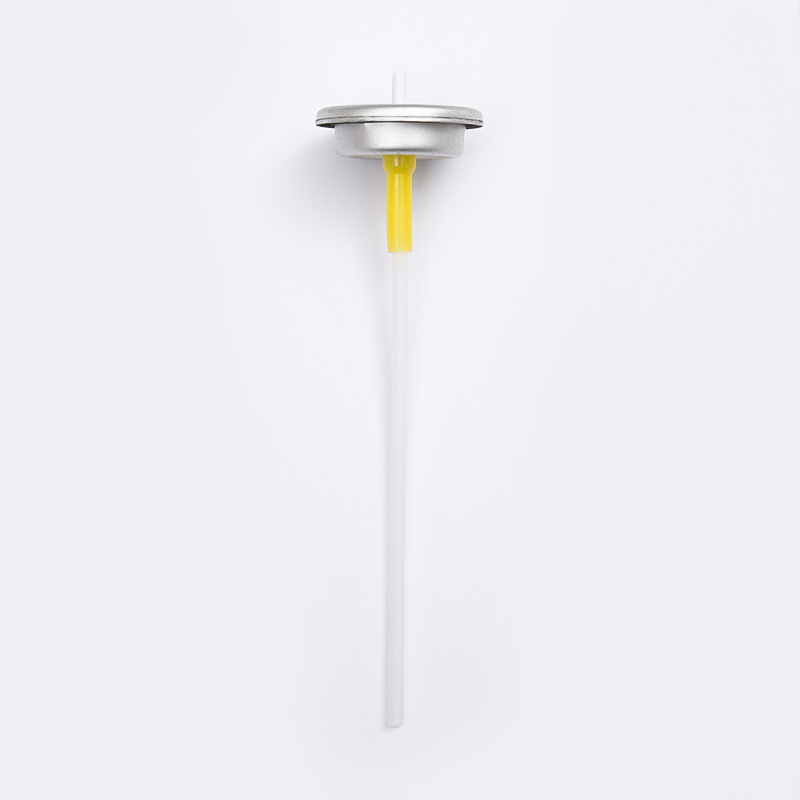
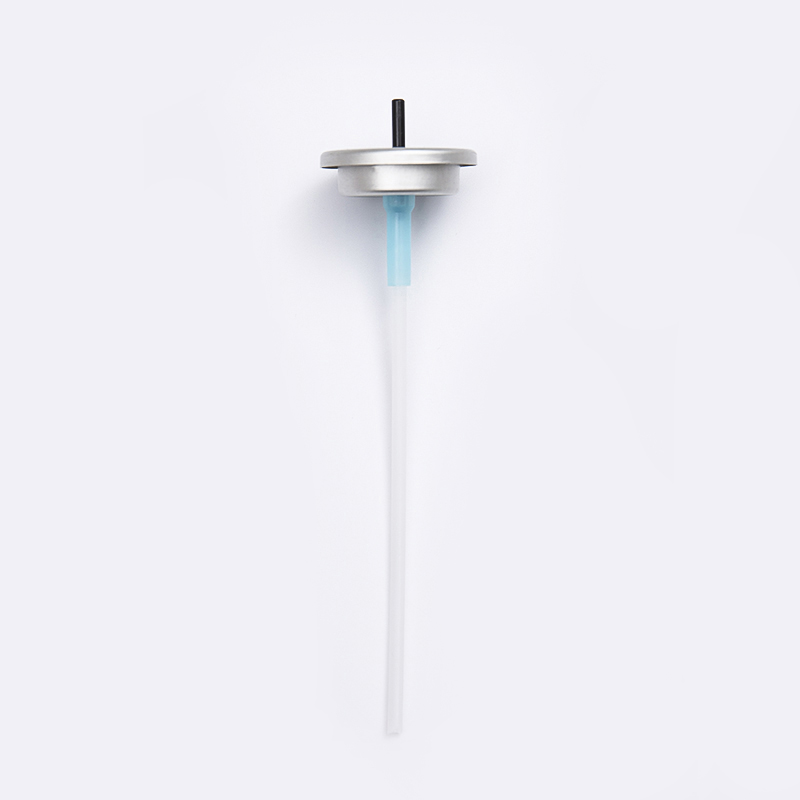
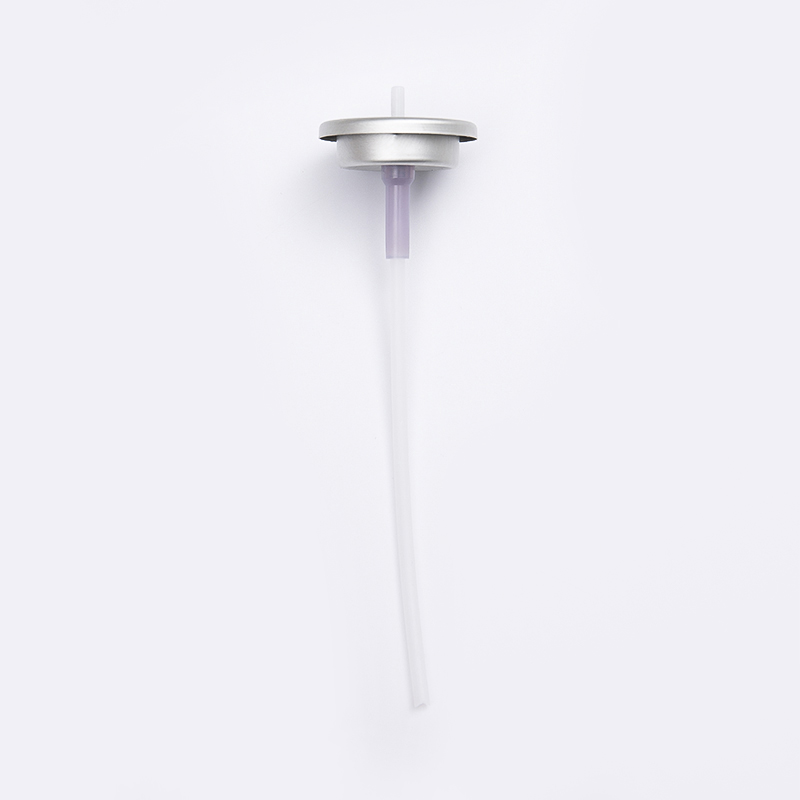
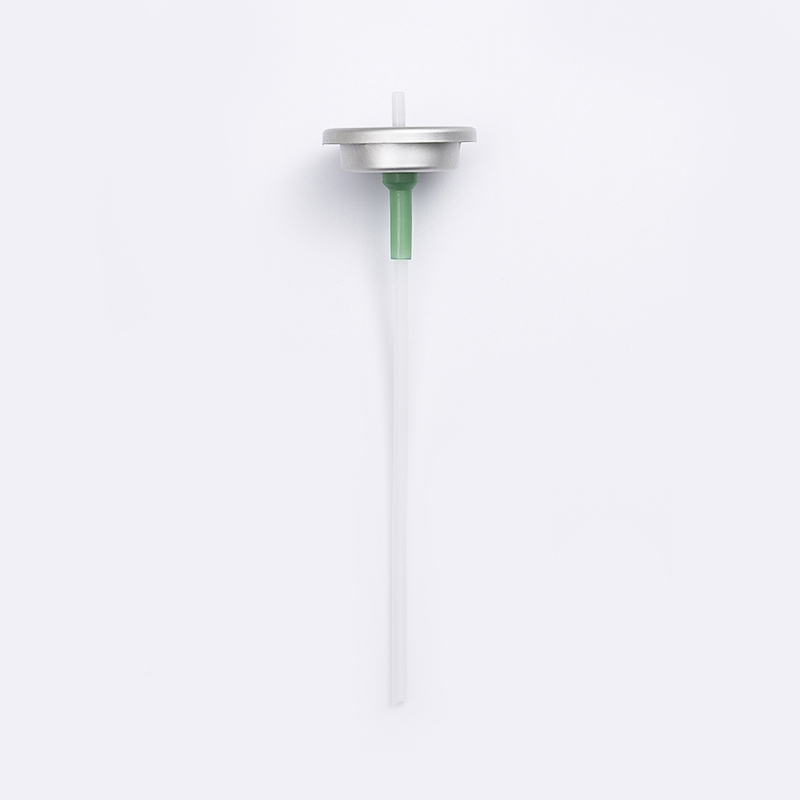
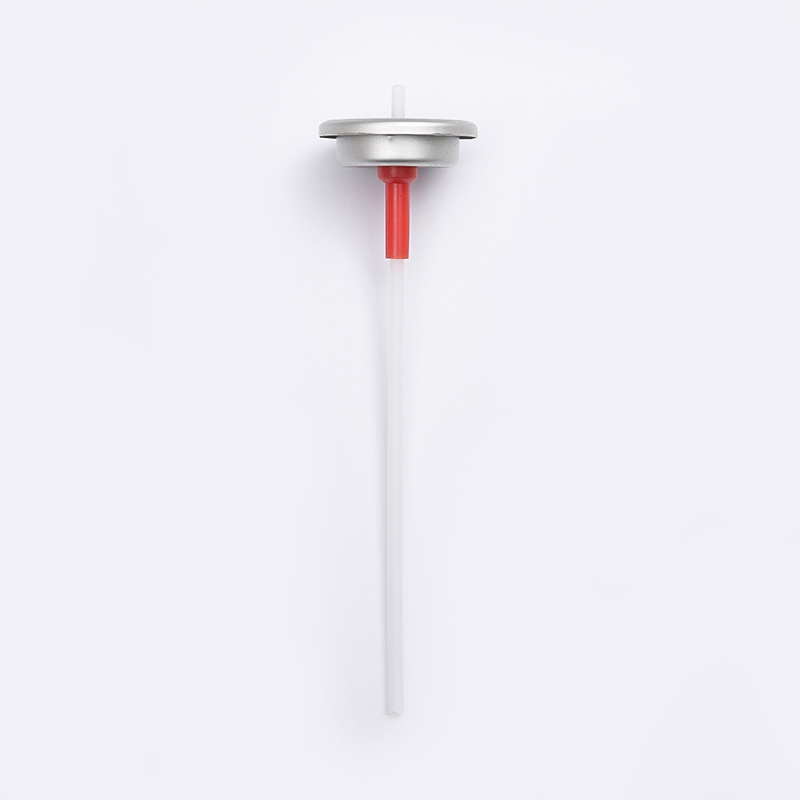
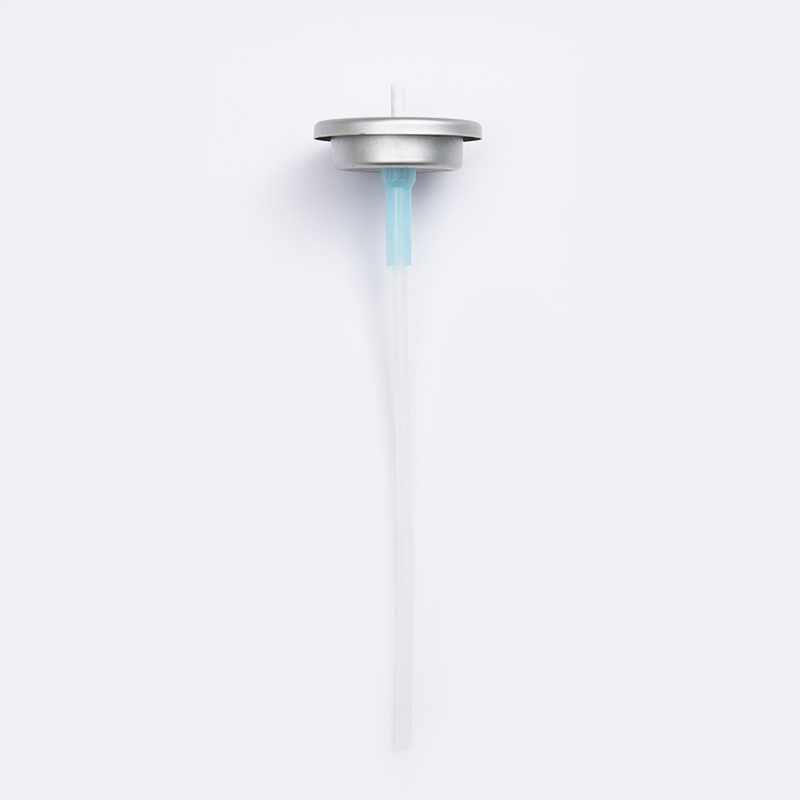
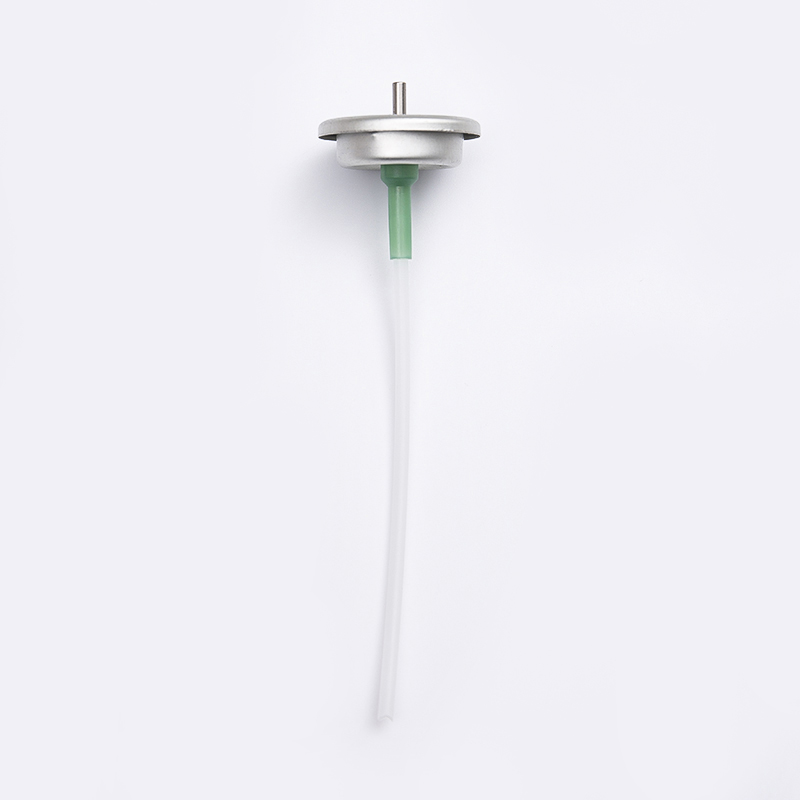
Within this context, designs such as d1s2.8e 100mcl dosage tinplate aerosol metering valves, one-inch valve configurations are typically evaluated not as isolated products, but as part of a broader aerosol delivery architecture. Engineers must assess how internal valve structures, materials, sealing mechanisms, and tolerances interact with actuators, containers, and the formulations they contain.
1. System-Level View of Aerosol Atomization
1.1 The Aerosol Delivery Chain
A single component does not govern aerosol atomization. Instead, it is the result of coordinated interactions among:
- Container and internal pressure behavior
- Metering valve internal geometry
- Elastomeric and metallic sealing interfaces
- Actuator orifice and nozzle shape
- Formulation properties (viscosity, surface behavior, phase behavior)
- Propellant characteristics and vaporization dynamics
From a systems engineering standpoint, the valve acts as a controlled restriction and metering device that defines:
- The metered volume
- The flow regime into the actuator
- The initial liquid jet or film conditions before final breakup
Any change in valve internal architecture can shift atomization behavior even if actuator geometry remains unchanged.
2. Core Valve Design Elements Affecting Spray and Particle Size
2.1 Metering Chamber Volume and Geometry
The metering chamber defines the nominal dose volume (for example, 100 microliters). However, geometry is as important as volume. Key design aspects include:
- Chamber length-to-diameter ratio
- Internal surface finish
- Transition zones at the inlet and outlet
Engineering impact:
- Long, narrow chambers tend to promote more laminar filling behavior but can increase sensitivity to formulation viscosity.
- Short, wide chambers may reduce filling time variability but can introduce turbulence at the outlet, affecting initial jet stability.
For systems using d1s2.8e 100mcl dosage tinplate aerosol metering valves one-inch valve formats, the chamber is typically designed to balance consistent filling with predictable discharge characteristics.
2.2 Stem and Orifice Geometry
The valve stem and its internal orifice define the primary flow restriction prior to actuator entry. Design parameters include:
- Orifice diameter and edge sharpness
- Orifice length and entrance geometry
- Surface roughness
Engineering impact:
- Smaller orifices increase flow resistance and can promote finer initial liquid streams, influencing downstream atomization.
- Orifice edge condition affects jet coherence; rounded edges may stabilize flow, while sharper edges can promote earlier breakup.
This directly influences spray cone development and droplet size distribution once the fluid reaches the actuator nozzle.
2.3 Sealing Mechanisms and Elastomer Interfaces
Seals control both leakage and pressure retention, but they also influence:
- Valve opening dynamics
- Initial transient flow behavior
- Micro-scale flow disturbances
Key seal design variables include:
- Elastomer hardness and recovery behavior
- Seal lip geometry
- Contact pressure distribution
Engineering impact:
- Stiffer seals may increase opening force and alter transient flow, which can affect the first fraction of a spray event.
- Softer seals may improve sealing but introduce variability due to compression set over time.
Transient effects can influence spray front uniformity and early droplet formation.
3. Materials and Their Role in Spray Performance
3.1 Tinplate Components in Valve Assemblies
Tinplate is commonly used for structural valve components due to:
- Mechanical strength
- Formability
- Corrosion resistance with appropriate coatings
- Compatibility with recycling streams
From a spray performance standpoint, tinplate contributes indirectly by maintaining dimensional stability and consistent internal geometry over time.
Engineering considerations:
- Coating integrity affects surface energy and wettability inside the valve.
- Corrosion or coating degradation can alter surface roughness, which can affect micro-scale flow behavior.
3.2 Elastomers and Polymer Interfaces
Elastomeric materials influence:
- Chemical compatibility with formulation
- Seal compression behavior
- Long-term dimensional stability
Changes in elastomer properties over time can influence valve opening dynamics, which may alter spray repeatability and droplet size trends across product shelf life.
4. One-Inch Valve Architecture and System Integration
4.1 Interface with Actuators
One-inch valve standards define how the valve interfaces with actuators and containers. This interface affects:
- Alignment accuracy
- Actuator seating consistency
- Flow transition from valve to nozzle
Misalignment or tolerance stacking can cause asymmetric flow, which directly affects spray plume shape and particle distribution.
4.2 Tolerance Stack-Up Effects
In a systems context, dimensional tolerances from:
- Valve stem
- Housing
- Actuator bore
- Container neck finish
can combine to create:
- Off-axis jets
- Uneven pressure distribution
- Variable spray cone angles
Tolerance management is therefore a primary engineering control variable for spray pattern consistency.
5. Transient vs. Steady-State Spray Behavior
5.1 Initial Spray Transients
The first milliseconds of valve actuation are influenced by:
- Seal breakaway force
- Initial pressure equalization
- Liquid acceleration into the stem
These transients can generate:
- Larger initial droplets
- Temporary plume instability
- Variations in spray front shape
From a quality and validation perspective, repeatability of transient behavior is as important as steady-state performance, especially in dose-critical applications.
5.2 Steady-State Flow Regime
Once the valve reaches steady-state:
- Flow rate stabilizes
- Pressure drop across the valve becomes consistent.
- Actuator nozzle behavior dominates final atomization.
However, the valve still defines:
- Inlet pressure to the actuator
- Liquid stream characteristics entering the nozzle.
Valve design therefore, continues to influence particle size even during steady-state spraying.
6. Interaction Between Valve Design and Formulation Properties
6.1 Viscosity and Flow Behavior
Formulations with higher viscosity:
- Fill metering chambers more slowly.
- Experience higher pressure drops through small orifices.
- May be more sensitive to chamber geometry
Valve designs must be matched to formulation rheology to maintain consistent dose delivery and spray quality.
6.2 Suspension and Emulsion Systems
For suspensions:
- Particle settling can affect chamber filling.
- Valve internal dead zones may trap solids.
For emulsions:
- Phase separation can influence local viscosity.
- Valve surfaces may affect droplet coalescence.
Valve internal design must minimize:
- Stagnant regions
- Sharp corners that trap material
- Surface conditions that promote adhesion
These factors directly influence spray uniformity and particle size consistency.
7. Particle Size Distribution: Engineering Controls
7.1 Valve Contribution to Primary Atomization
Primary atomization refers to the initial breakup of the liquid stream before it enters the actuator nozzle flow field. Valve design influences:
- Jet diameter
- Jet velocity profile
- Flow turbulence level
Smaller, more stable jets typically lead to narrower particle size distributions downstream, assuming actuator geometry is constant.
7.2 Indirect Effects on Secondary Atomization
Secondary atomization occurs in the actuator nozzle and plume region. However, valve design affects:
- Inlet pressure stability
- Flow uniformity into the nozzle
Instabilities upstream can lead to:
- Broader particle size distributions
- Asymmetric spray patterns
- Increased droplet coalescence
8. Spray Pattern Geometry and Plume Formation
8.1 Spray Cone Angle Control
While actuator nozzles define nominal cone angle, valve-related factors can shift effective plume shape:
- Off-axis flow from misalignment
- Pressure variation at the nozzle inlet
- Pulsation due to seal dynamics
These can result in:
- Elliptical plumes
- Skewed spray patterns
- Spatial dose non-uniformity
8.2 Spatial Distribution and Deposition
From an application standpoint, spray pattern influences:
- Target coverage
- Deposition efficiency
- Overspray behavior
Valve design indirectly affects:
- Initial momentum of the spray
- Plume symmetry
- Droplet trajectory stability
9. Durability, Wear, and Long-Term Spray Consistency
9.1 Mechanical Wear
Repeated actuation leads to:
- Seal wear
- Stem surface changes
- Potential orifice edge degradation
Over time, this can cause:
- Changes in opening force
- Altered flow resistance
- Shifts in spray pattern and particle size
9.2 Chemical and Environmental Aging
Exposure to formulation components and environmental conditions can:
- Change elastomer hardness
- Affect coating integrity on tinplate.
- Modify the surface energy of internal parts.
Long-term aging studies are therefore essential to ensure that initial spray performance is maintained across the product lifecycle.
10. Validation and Quality Control from a Systems Perspective
10.1 Incoming Component Qualification
For valve systems, qualification typically includes:
- Dimensional inspection
- Functional flow testing
- Leak and seal integrity testing
However, from a spray performance standpoint, functional qualification should include plume and particle characterization.
10.2 In-Process and End-of-Line Controls
Quality systems may monitor:
- Actuation force ranges
- Dose weight variability
- Visual plume symmetry
These indicators serve as indirect proxies for spray and particle size stability, especially in high-volume production.
11. Comparative Design Factors and Their Effects
The following table summarizes key valve design factors and their qualitative influence on spray pattern and particle size.
| Metering chamber geometry | Filling consistency, transient stability | Indirect via jet stability |
|---|---|---|
| Stem orifice diameter | Flow resistance, jet diameter | Smaller orifice tends to reduce droplet size |
| Seal stiffness | Opening dynamics, transient flow | Can affect early spray droplet size |
| Internal surface finish | Flow uniformity | Roughness can broaden size distribution |
| Tinplate coating integrity | Long-term geometry stability | Indirect via surface condition |
| Alignment tolerances | Plume symmetry | Indirect via flow uniformity |
12. Application Context for 100 mcl Metered Systems
In systems using configurations equivalent to d1s2.8e 100mcl dosage tinplate aerosol metering valves, one-inch valve, typical engineering goals include:
- High dose repeatability across actuation cycles
- Stable plume geometry for predictable deposition
- Controlled particle size ranges suitable for application requirements.
- Long-term durability under repeated use
From a systems viewpoint, these goals are achieved not by a single design feature, but by co-optimization of valve internals, actuator geometry, materials, and tolerances.
13. Design Trade-Offs and Engineering Decision Framework
13.1 Flow Restriction vs. Actuation Force
Reducing orifice size can improve droplet size control, but may:
- Increase actuation force
- Increase sensitivity to viscosity variation.
Engineering teams must balance:
- User or system actuation limits
- Spray performance requirements
13.2 Durability vs. Seal Compliance
Harder seals improve durability, but may:
- Increase transient variability
- Affect early spray behavior.
Softer seals improve sealing but may:
- Degrade faster
- Change behavior over time.
These trade-offs must be evaluated over full lifecycle testing, not only at initial qualification.
14. Integration with Manufacturing and Supply Chain Controls
Valve design must also align with:
- Manufacturing capability and repeatability
- Statistical process control limits
- Supplier quality systems
Small design changes can have large system-level effects on spray and particle size, especially when scaled to high-volume production.
Summary
Valve design plays a central and system-critical role in determining spray pattern and particle size in aerosol delivery systems. While actuators and formulations often receive significant attention, the metering valve defines the upstream conditions that shape atomization behavior.
Key conclusions include:
- Metering chamber geometry and stem orifice design directly influence initial jet characteristics, which affect downstream droplet formation.
- Seal behavior and materials affect transient spray performance, influencing early plume shape and droplet size.
- Tinplate structural components contribute to long-term dimensional stability, indirectly supporting consistent spray behavior.
- Tolerance management and alignment are critical to maintaining symmetric spray patterns.
- Lifecycle durability and aging effects must be evaluated to ensure stable particle size and spray geometry over time.
From a systems engineering perspective, configurations such as d1s2.8e 100mcl dosage tinplate aerosol metering valves, one-inch valve should be evaluated as part of an integrated aerosol architecture rather than as isolated components.
FAQ
Q1: Does the valve or the actuator have a greater influence on particle size?
Both are critical. The actuator primarily defines final atomization geometry, but the valve defines inlet flow conditions, which strongly influence the resulting particle size distribution.
Q2: How does valve aging affect the spray pattern?
Seal wear and surface changes can alter opening dynamics and flow resistance, leading to gradual shifts in plume symmetry and droplet size over time.
Q3: Why is tolerance stack-up important for spray symmetry?
Misalignment between valve and actuator can cause off-axis flow, resulting in asymmetric spray patterns and uneven spatial distribution.
Q4: Can tinplate material selection influence particle size directly?
Not directly. However, coating condition and corrosion resistance affect internal surface stability, which can indirectly influence flow behavior and consistency.
Q5: How should valve design be validated for spray performance?
Validation should include plume geometry characterization, particle size trend monitoring, and lifecycle durability testing, in addition to standard dimensional and leak tests.
References
- General aerosol valve engineering principles and industrial best practices in pressurized dispensing systems.
- Technical literature on spray atomization and plume formation in pressurized liquid delivery.
- Industry guidance on lifecycle testing and validation of metered aerosol delivery components.