English
 中文简体
中文简体 Español
 عربى
عربى
Choosing the right L shape actuator for Dosage sprayed valve is a critical step in ensuring reliable operation, precise dosage control, and overall system efficiency in a variety of industrial applications. These actuators are increasingly utilized in dosing systems, spray coating lines, and other automation processes where accurate fluid handling is essential. Selecting an inappropriate actuator can lead to operational inefficiencies, inconsistent product quality, or increased maintenance requirements.
Understanding L shape actuator for Dosage sprayed valve
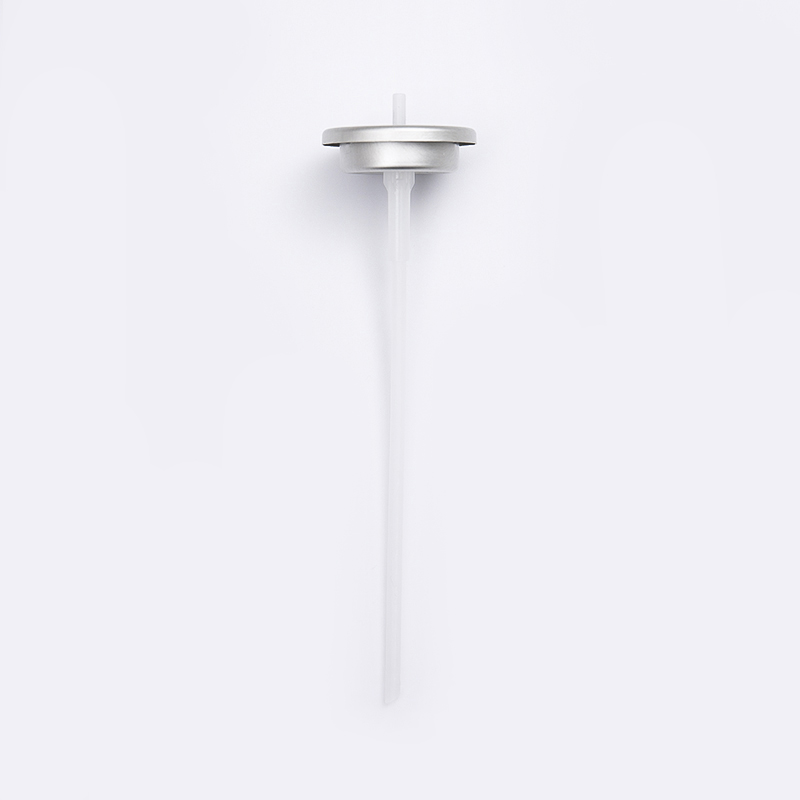
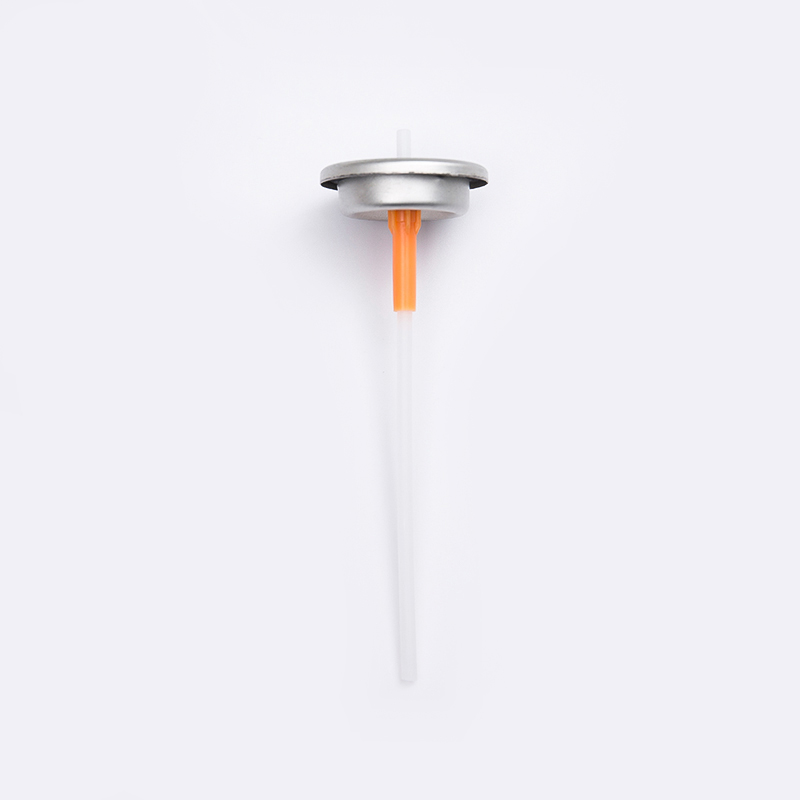
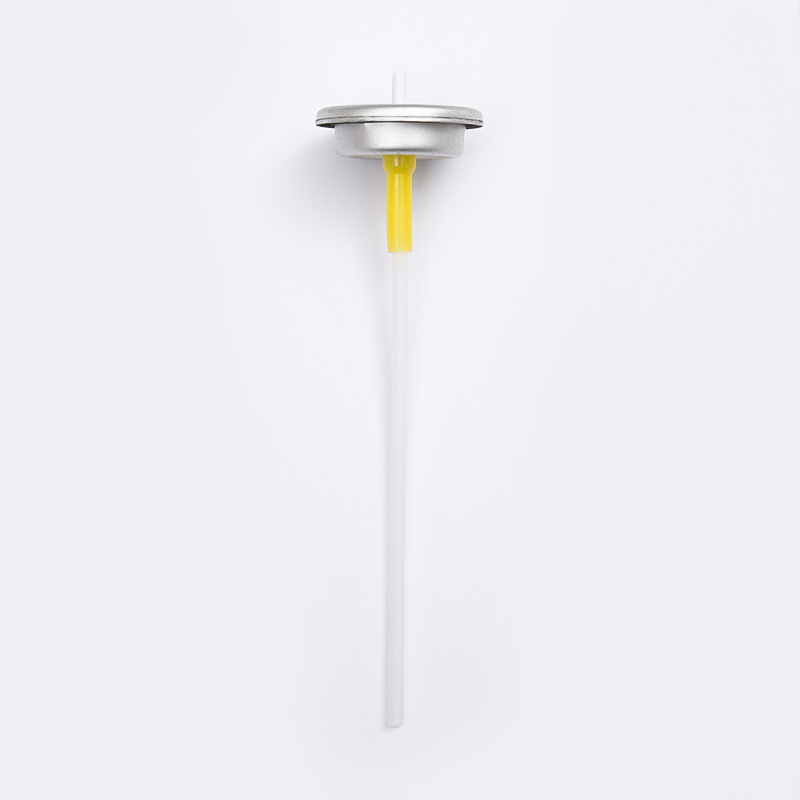
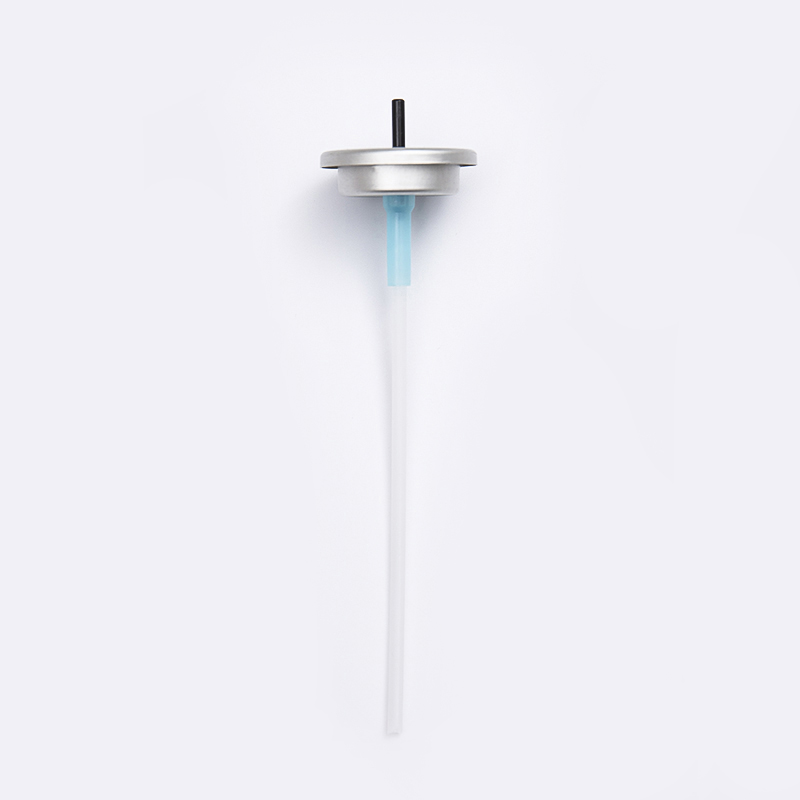
An L shape actuator for Dosage sprayed valve is a mechanical or electromechanical device designed to control the opening and closing of a valve that dispenses a defined amount of fluid. Its unique L-shaped design allows it to fit into compact installations while providing a high degree of motion precision. These actuators are compatible with a variety of valve types, including pneumatic valves, electrically controlled valves, and manual override systems.
The primary purpose of an L shape actuator for Dosage sprayed valve is to achieve accurate fluid dosing, minimize waste, and improve production consistency. Understanding the actuator’s functional principles, including torque generation, stroke control, and response time, is essential before making a selection.
Key performance factors
When selecting an L shape actuator for Dosage sprayed valve, several performance-related factors must be carefully evaluated:
- Torque requirement: The actuator must provide sufficient torque to operate the valve under all expected conditions. Insufficient torque can result in incomplete valve opening, leading to inaccurate dosing.
- Stroke length: The actuator stroke should match the valve’s operational range to ensure full functionality.
- Operating speed: Depending on the application, fast response may be required to synchronize with production lines, while slower actuators may suffice for batch processes.
- Duty cycle: The actuator should be rated for continuous operation if used in high-frequency dosing applications.
- Environmental resistance: Exposure to chemicals, temperature variations, or moisture requires actuators with suitable corrosion-resistant materials and sealing mechanisms.
Table 1 illustrates a comparison of performance parameters for commonly used actuator types in dosage applications.
| Parameter | Low Torque Actuator | Medium Torque Actuator | High Torque Actuator |
|---|---|---|---|
| Maximum Torque (Nm) | 5 | 15 | 30 |
| Stroke Length (mm) | 20 | 30 | 40 |
| Response Time (s) | 0.5 | 0.3 | 0.2 |
| Duty Cycle (%) | 50 | 70 | 100 |
| Environmental Protection | IP54 | IP65 | IP67 |
Material selection and compatibility
Material compatibility is a critical consideration for L shape actuator for Dosage sprayed valve, especially when handling aggressive chemicals, viscous liquids, or food-grade products. Commonly used materials include stainless steel, aluminum alloys, and engineering plastics. The selection of materials must ensure resistance to corrosion, wear, and chemical degradation.
Additionally, seals and gaskets play a significant role in maintaining system integrity. Materials such as PTFE, EPDM, and Viton are widely used for their chemical resistance and temperature stability. Matching the actuator materials with the valve body and fluid properties ensures long-term performance and reduces maintenance frequency.
Integration with control systems
Modern dosing systems often rely on automated control for precise fluid delivery. When choosing an L shape actuator for Dosage sprayed valve, compatibility with control systems such as PLC (Programmable Logic Controller), SCADA, or industrial IoT platforms should be considered. Actuators equipped with position sensors, feedback signals, or digital communication interfaces allow for real-time monitoring and adjustment, improving dosing accuracy and reducing operational errors.
Installation considerations
Proper installation is crucial to maximize the performance of an L shape actuator for Dosage sprayed valve. Key factors include:
- Mounting orientation: Ensure the actuator’s L-shaped design aligns with the valve geometry.
- Alignment and coupling: Misalignment between the actuator and valve shaft can lead to premature wear.
- Accessibility for maintenance: Consider ease of access for inspection and replacement.
- Electrical and pneumatic connections: Follow manufacturer recommendations to prevent leaks and ensure proper signal transmission.
Performance testing and validation
Before deploying the actuator in production, performance testing is recommended. Common tests include:
- Torque verification under operational load.
- Stroke validation to ensure full valve opening and closing.
- Response time measurement to verify synchronization with production systems.
- Leakage checks to confirm sealing integrity.
These tests help confirm that the chosen L shape actuator for Dosage sprayed valve meets application requirements and reduces the risk of operational failures.
Selecting based on application requirements
Different industrial environments require specific actuator characteristics. Key application factors include:
- Viscosity of fluids: Higher viscosity fluids require actuators with higher torque and slower stroke rates.
- Frequency of dosing cycles: High-frequency applications demand robust actuators with longer duty cycles.
- Temperature range: Extreme temperatures necessitate materials and seals rated for thermal resistance.
- Chemical compatibility: Ensure all wetted parts are resistant to the chemical composition of the fluid.
Table 2 summarizes actuator selection guidelines for different application scenarios.
| Application Scenario | Recommended Torque | Material Recommendation | Special Features |
|---|---|---|---|
| Food and beverage dosing | Medium | Stainless steel, PTFE | Hygienic design, easy cleaning |
| Chemical processing | High | Stainless steel, Viton | Corrosion resistance, sealed |
| Industrial spray coating | Medium | Aluminum, EPDM | Fast response, position feedback |
| Laboratory precise dosing | Low | Stainless steel, PTFE | High accuracy, digital interface |
Maintenance and troubleshooting
Maintaining an L shape actuator for Dosage sprayed valve ensures longevity and consistent performance. Routine tasks include:
- Lubrication of moving parts according to manufacturer guidelines.
- Inspection of seals and gaskets for wear or chemical degradation.
- Cleaning to prevent buildup of residues that may obstruct operation.
- Functional testing to detect early signs of performance degradation.
Common issues that may arise include actuator sticking, incomplete valve movement, or feedback signal errors. Systematic troubleshooting can often resolve these issues without requiring full replacement.
Cost considerations and lifecycle
While the initial cost of an L shape actuator for Dosage sprayed valve is important, evaluating total lifecycle cost is more relevant for industrial applications. Factors affecting lifecycle cost include:
- Durability and expected maintenance intervals.
- Energy efficiency of actuator operation.
- Replacement parts availability.
- Downtime implications in production processes.
Choosing an actuator that balances performance, reliability, and maintenance requirements ensures optimal operational efficiency and reduces long-term expenditure.
Emerging trends
Recent advancements in L shape actuator for Dosage sprayed valve technology include integration with smart sensors, predictive maintenance, and wireless control. These features allow operators to monitor actuator performance in real-time, predict maintenance needs, and adjust dosing parameters dynamically, further enhancing efficiency and reliability.
Conclusion
Selecting the right L shape actuator for Dosage sprayed valve involves careful consideration of performance requirements, material compatibility, integration capabilities, and application-specific factors. Proper installation, routine maintenance, and periodic testing ensure that the actuator operates reliably, maintains dosing accuracy, and supports overall process efficiency. By understanding the technical characteristics and operational constraints, industrial users can make informed decisions that optimize both performance and cost-effectiveness.
Frequently Asked Questions (FAQ)
Q1: Can an L shape actuator for Dosage sprayed valve handle corrosive fluids?
A1: Yes, provided the actuator is constructed from corrosion-resistant materials such as stainless steel and equipped with compatible seals like Viton.
Q2: How often should maintenance be performed on an L shape actuator for Dosage sprayed valve?
A2: Routine maintenance is recommended every 3–6 months, including inspection of seals, lubrication, and functional testing.
Q3: Are L shape actuators suitable for high-frequency dosing operations?
A3: Yes, actuators with a high duty cycle and robust construction are designed to handle continuous or frequent operations.
Q4: Can these actuators be integrated with automated control systems?
A4: Yes, actuators with position sensors and digital communication interfaces can seamlessly integrate with PLC, SCADA, or other automation platforms.
Q5: What are common signs of actuator failure?
A5: Common signs include sticking motion, incomplete valve opening, leaks, or inconsistent dosing results.
References
- Smith, J. Industrial Dosing Systems Handbook. 2022.
- Brown, L. Automation in Fluid Control. 2021.
- Wilson, R. Valve Actuation Technologies for Modern Industry. 2023.