English
 中文简体
中文简体 Español
 عربى
عربى
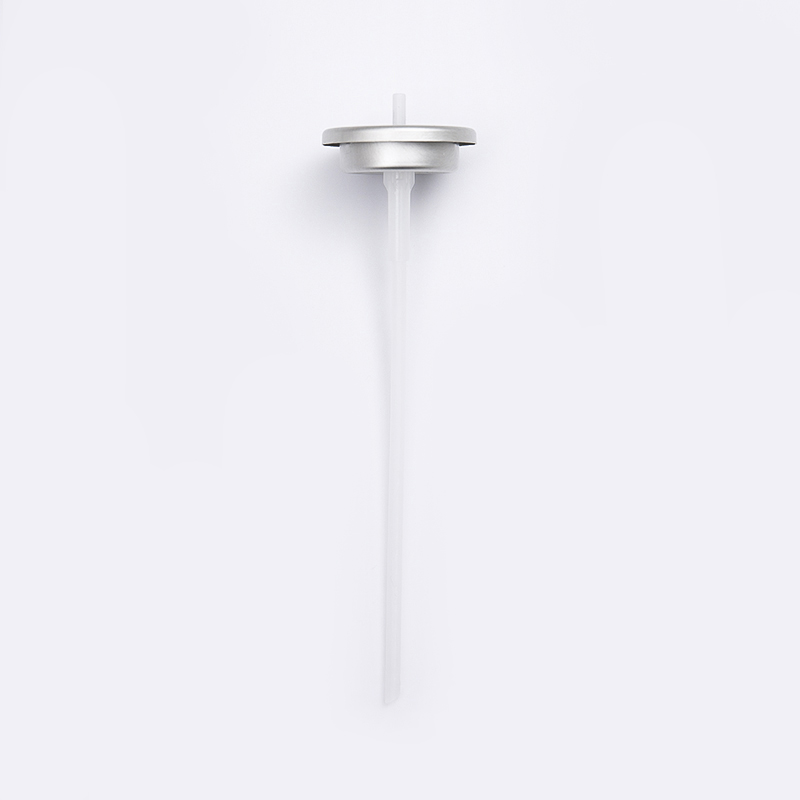
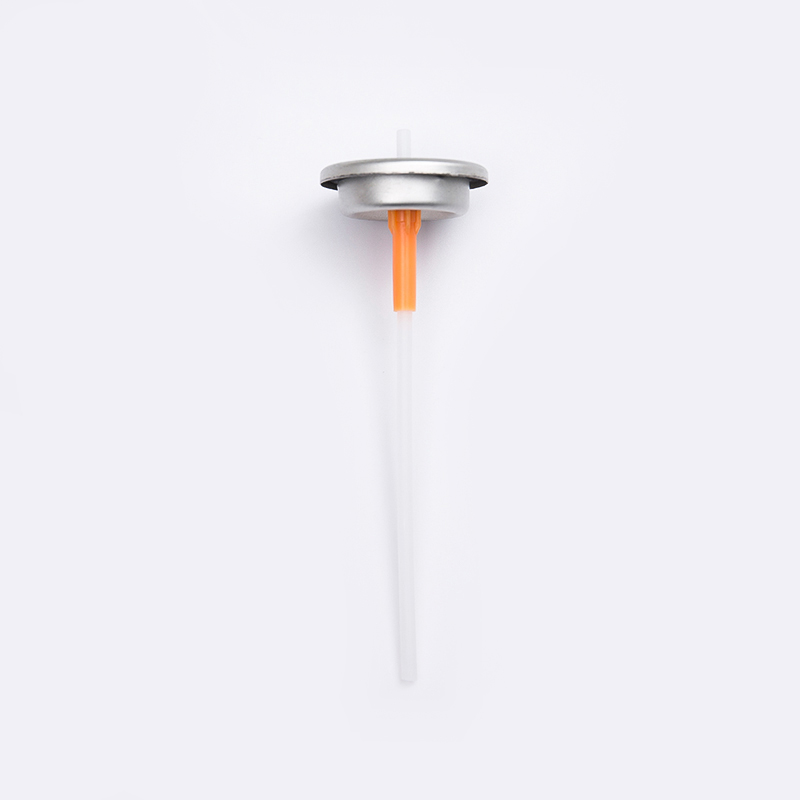
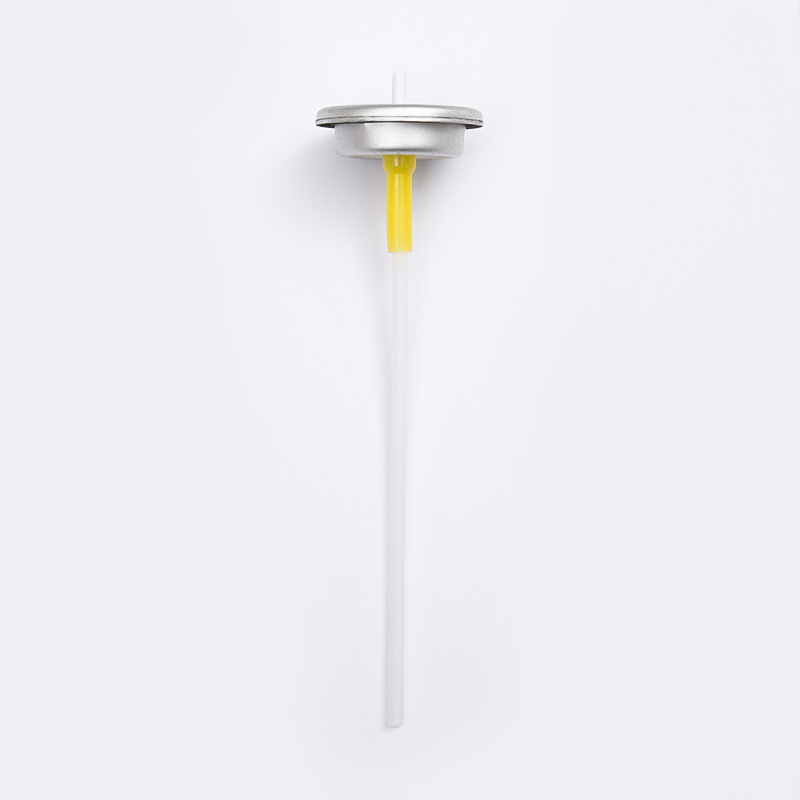
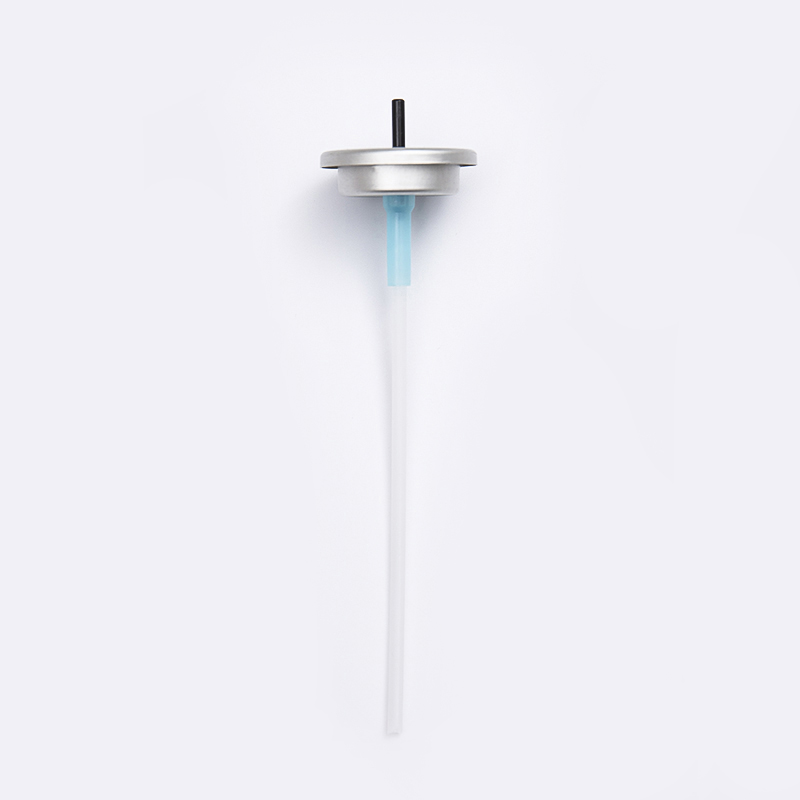
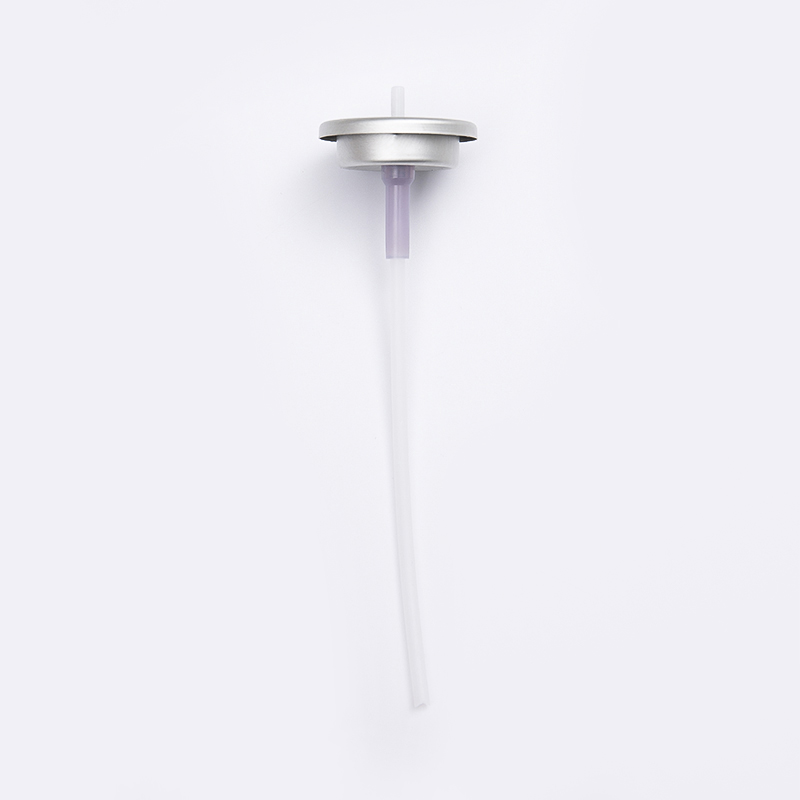
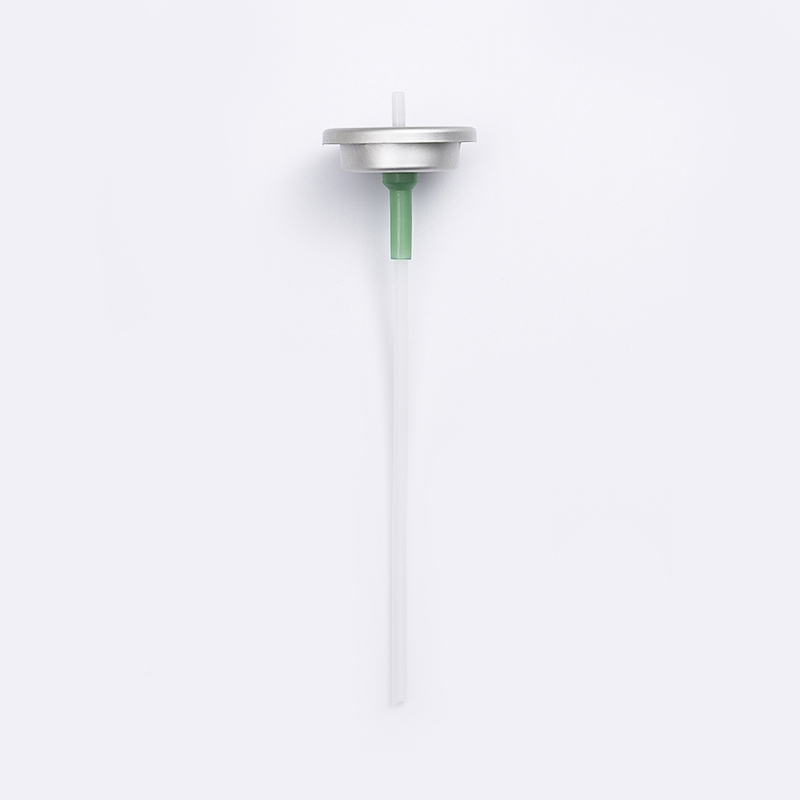
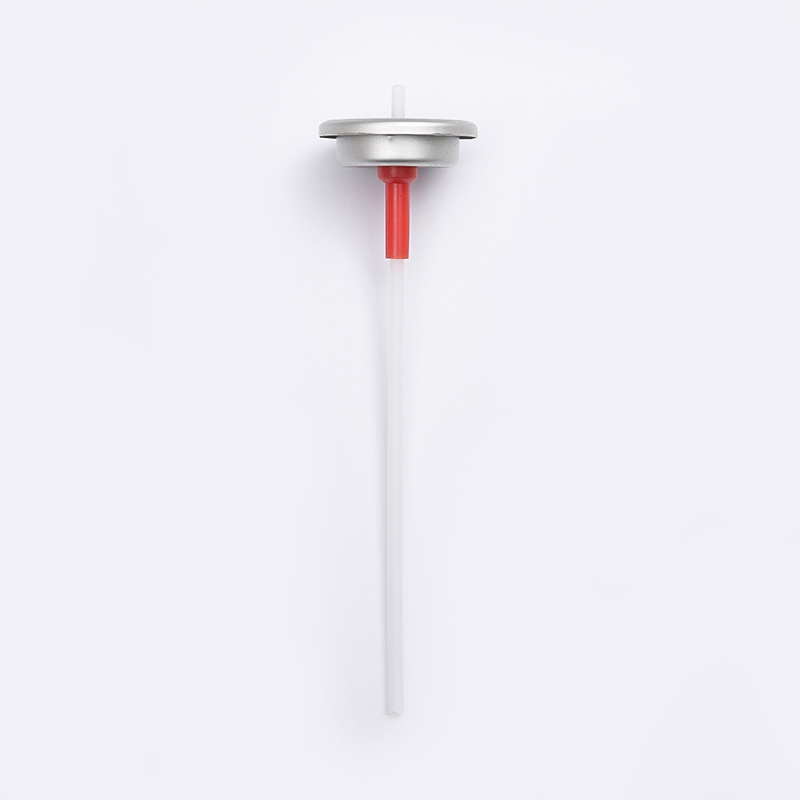
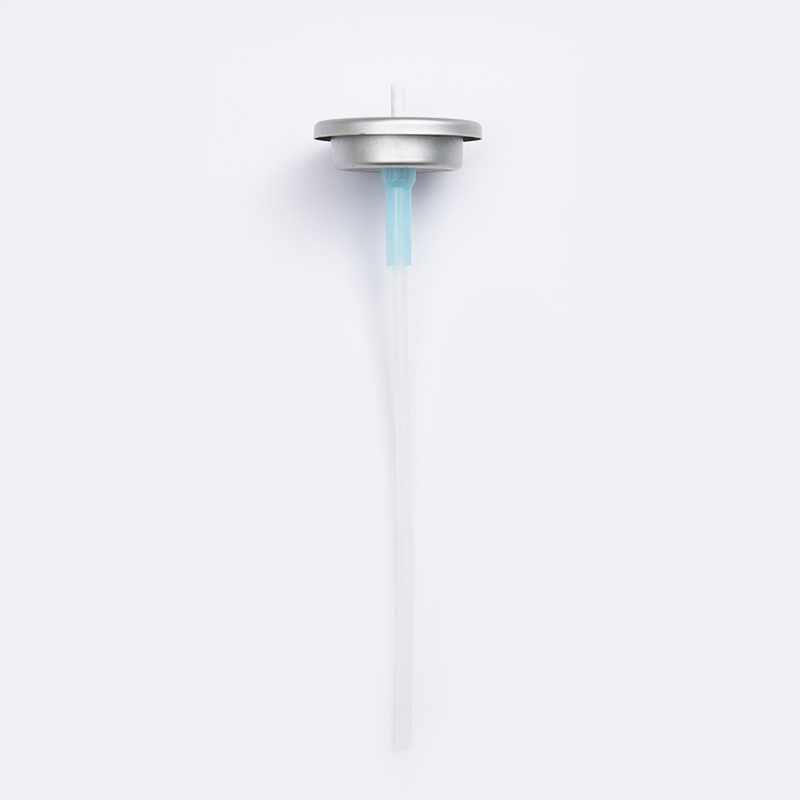
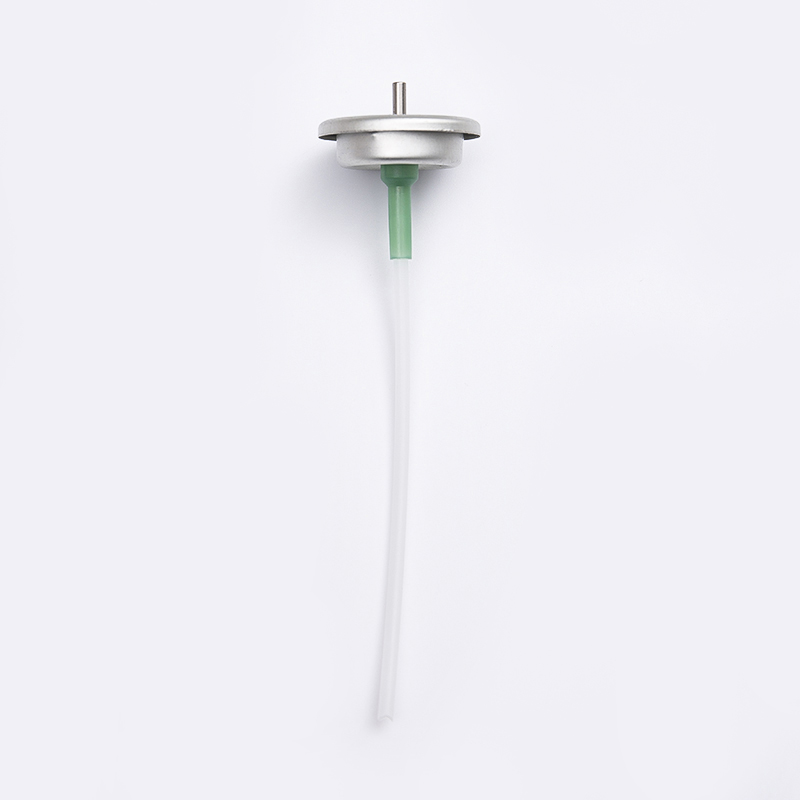
A plastic aerosol pump spray valve nozzle actuator is a critical component in aerosol packaging, enabling precise liquid delivery for a wide range of applications, from personal care and cosmetics to industrial and household products. The performance of these actuators directly influences spray pattern, efficiency, and user experience. Among the various designs, standard and high-flow plastic aerosol pump spray valve nozzle actuators are the most commonly used types.
Design Differences
Structural Composition
Standard plastic aerosol pump spray valve actuators are typically designed with smaller orifices and shorter dip tubes, which are optimized for controlled, fine mist delivery. The compact design ensures that the actuator can efficiently dispense liquids with lower viscosity and in moderate quantities. In contrast, high-flow actuators feature larger orifices and extended internal channels, which accommodate higher liquid volumes per actuation. This structural difference allows high-flow actuators to deliver more product with each press, making them suitable for applications requiring rapid or heavy spraying.
Internal Mechanisms
The internal mechanism of a plastic aerosol pump spray valve nozzle actuator includes components such as the spring, piston, and cylinder. Standard actuators generally incorporate smaller springs with shorter travel distances, facilitating precise and consistent spray patterns. High-flow actuators, however, are equipped with robust springs and longer piston strokes, enabling a greater volume of liquid to pass through during a single actuation. This design adjustment also impacts the actuator’s resistance, as high-flow models often require slightly higher force to operate effectively.
Material Considerations
While both standard and high-flow plastic aerosol pump spray valve nozzle actuators are constructed from durable, chemically resistant plastics, high-flow actuators frequently utilize reinforced materials to handle increased stress and prevent deformation under repeated use. Standard actuators can use more lightweight plastics without compromising performance, as their design involves lower mechanical strain during operation. The choice of material affects not only durability but also compatibility with different liquids, including solvents, oils, and gels.
Performance Differences
Spray Volume and Coverage
One of the most significant differences between standard and high-flow plastic aerosol pump spray valve nozzle actuators is the volume of liquid dispensed. Standard actuators provide smaller, controlled doses ideal for fine misting and precision applications, such as facial sprays, perfumes, or medical formulations. High-flow actuators deliver larger volumes per actuation, which makes them suitable for surface coverage, industrial cleaning solutions, and household sprays where speed and efficiency are prioritized over precision.
Spray Pattern and Distribution
Standard actuators typically generate a narrow and uniform spray pattern, providing consistent coverage over a focused area. High-flow plastic aerosol pump spray valve nozzle actuators, due to the larger orifice and higher liquid throughput, produce broader spray patterns. While this can improve efficiency for large surfaces, it may reduce the precision needed for delicate applications. Manufacturers often tailor nozzle geometry to balance coverage and control based on the target usage.
Actuation Force
The actuation force required differs between the two types. Standard actuators are designed for minimal user effort, making them suitable for repeated use in personal care products. High-flow actuators, delivering greater volumes, often require slightly higher actuation force, which may affect ergonomics in products intended for frequent manual use. This factor is an essential consideration for buyers seeking ergonomic efficiency in their spray packaging.
Compatibility with Liquid Types
Standard plastic aerosol pump spray valve nozzle actuators are optimized for low to medium viscosity liquids, providing uniform atomization without clogging. High-flow actuators, with larger internal channels, can accommodate thicker liquids and formulations with particulate matter. This difference makes high-flow actuators particularly valuable in industrial applications, where viscous solutions or cleaning agents require efficient dispensing.
Durability and Maintenance Considerations
Wear and Tear
High-flow actuators typically experience higher mechanical stress due to larger fluid volumes and extended piston travel. Over time, this can result in wear if materials are not adequately reinforced. Standard actuators, operating under lower mechanical load, generally offer longer service life under typical usage conditions. Understanding these dynamics allows manufacturers to implement preventive maintenance schedules to extend actuator longevity.
Cleaning and Clogging
The design of a plastic aerosol pump spray valve nozzle actuator affects its susceptibility to clogging. Standard actuators, with smaller orifices, may require more frequent cleaning when dispensing particulate-laden or viscous liquids. High-flow actuators, while less prone to clogging due to larger channels, may necessitate additional care to maintain consistent spray patterns, particularly when used intermittently.
Environmental Resistance
Both actuator types must resist environmental factors such as temperature fluctuations, humidity, and chemical exposure. High-flow actuators, given their structural reinforcement and robust design, often demonstrate enhanced resistance to stress from high-pressure sprays and prolonged exposure to reactive liquids. Standard actuators are suitable for controlled environments but may be less tolerant of extreme conditions or repeated heavy use.
Industry and Buyer Considerations
Application Suitability
When selecting a plastic aerosol pump spray valve nozzle actuator, buyers should consider the target application. Standard actuators are ideal for consumer products requiring precision and controlled dosage, such as cosmetic sprays, fragrances, or pharmaceutical solutions. High-flow actuators are preferred in industrial, household, and cleaning applications, where rapid dispensing and coverage of larger areas are more critical than fine mist precision.
Cost Implications
The cost of manufacturing and purchasing plastic aerosol pump spray valve nozzle actuators varies with design complexity and material strength. Standard actuators are generally more cost-effective, requiring fewer reinforced materials and simpler mechanisms. High-flow actuators, due to their enhanced durability and structural requirements, tend to have higher production costs. Buyers should weigh the cost-benefit ratio based on product volume, usage frequency, and required spray performance.
Regulatory Compliance and Standards
Both standard and high-flow actuators must comply with industry regulations related to safety, environmental standards, and chemical compatibility. High-flow actuators may undergo additional testing to ensure that increased spray volumes do not compromise user safety or packaging integrity. Buyers should ensure that actuators meet the relevant standards for their region and intended application, particularly in food, pharmaceutical, or cosmetic industries.
Market Trends and Innovation
The market for plastic aerosol pump spray valve nozzle actuators continues to evolve, with innovation focused on sustainability, ergonomic efficiency, and spray precision. High-flow actuators are increasingly designed to balance volume with control, while standard actuators are optimized for precision, low-force operation, and reduced material usage. Buyers benefit from understanding these trends to select actuators that align with emerging consumer preferences and regulatory requirements.
Comparative Summary
The differences between standard and high-flow plastic aerosol pump spray valve nozzle actuators can be summarized in the following table:
| Feature | Standard Actuator | High-Flow Actuator |
|---|---|---|
| Orifice size | Small | Large |
| Spray volume per actuation | Low | High |
| Spray pattern | Narrow, precise | Broad, high coverage |
| Compatible liquids | Low to medium viscosity | Low to high viscosity, particulate-containing liquids |
| Actuation force | Low | Moderate to high |
| Structural durability | Moderate | Reinforced for heavy use |
| Cleaning frequency | Moderate | Lower, but maintenance for spray consistency |
| Typical applications | Personal care, cosmetics, medical sprays | Industrial, household, cleaning solutions |
| Cost | Lower | Higher |
Conclusion
Understanding the key differences between standard and high-flow plastic aerosol pump spray valve nozzle actuators is essential for buyers, manufacturers, and product developers. Standard actuators excel in precision, low-volume applications, offering cost efficiency and ergonomic operation. High-flow actuators provide increased volume, broader coverage, and enhanced durability, making them suitable for industrial or high-demand applications.
When selecting an actuator, careful consideration of spray volume, liquid viscosity, ergonomic requirements, durability, and regulatory compliance ensures optimal performance and customer satisfaction. As the market evolves, manufacturers are increasingly focusing on innovations that enhance both actuator efficiency and environmental sustainability, creating more versatile options for a wide range of industries.