English
 中文简体
中文简体 Español
 عربى
عربى
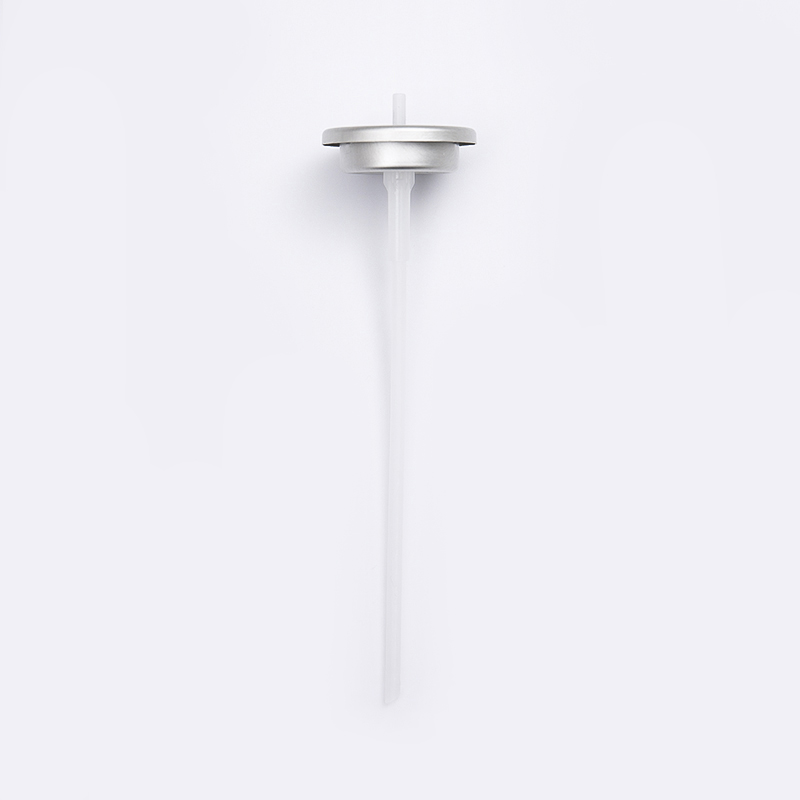
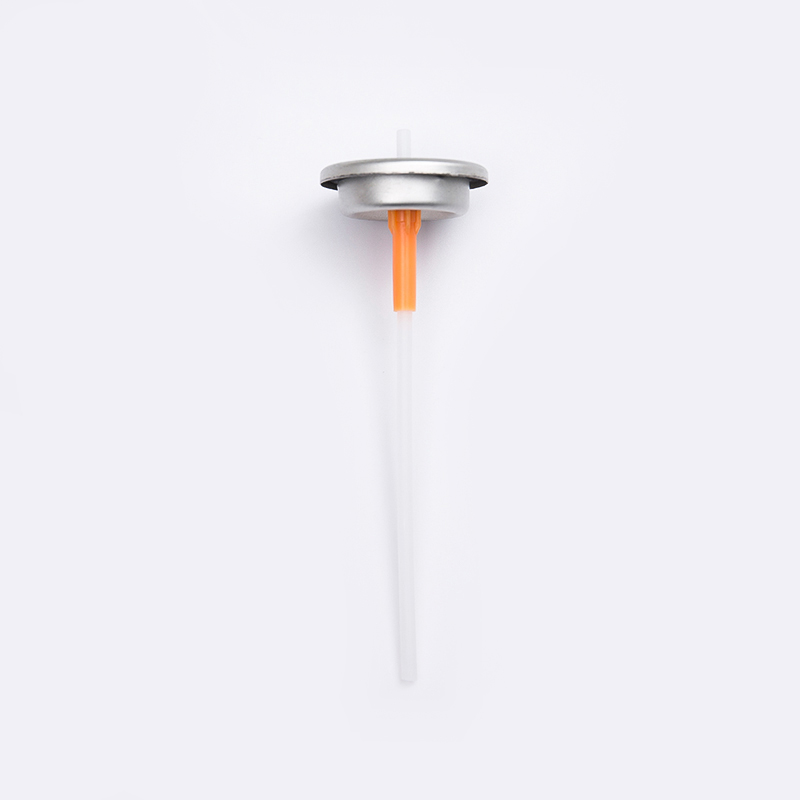
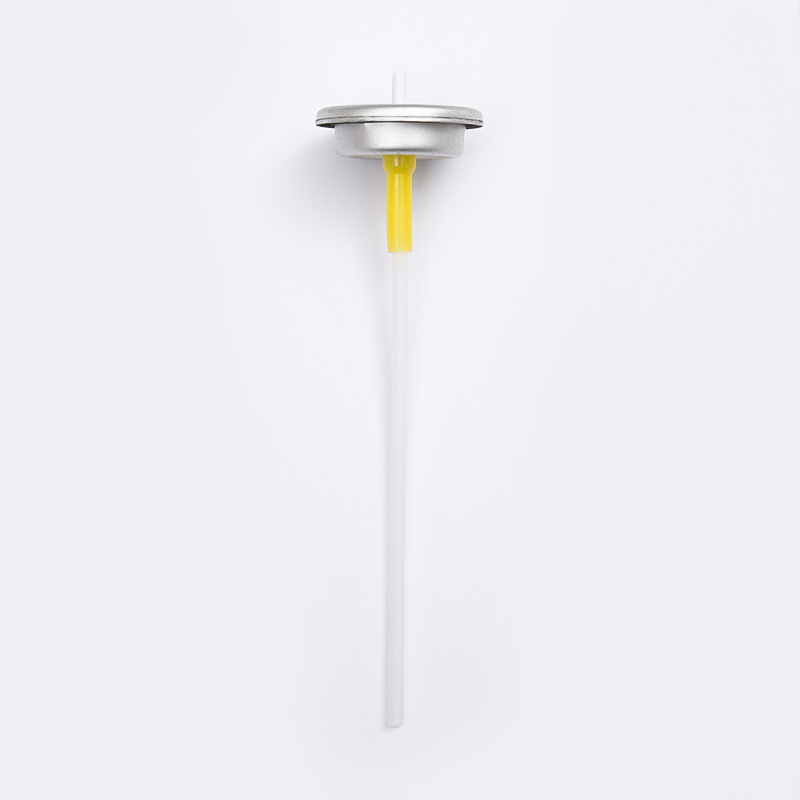
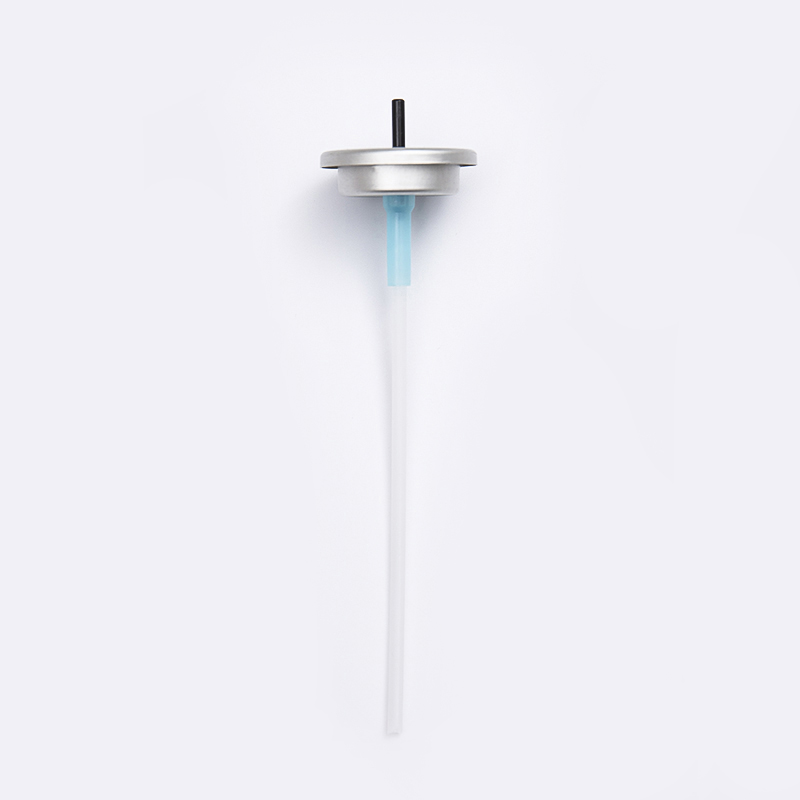
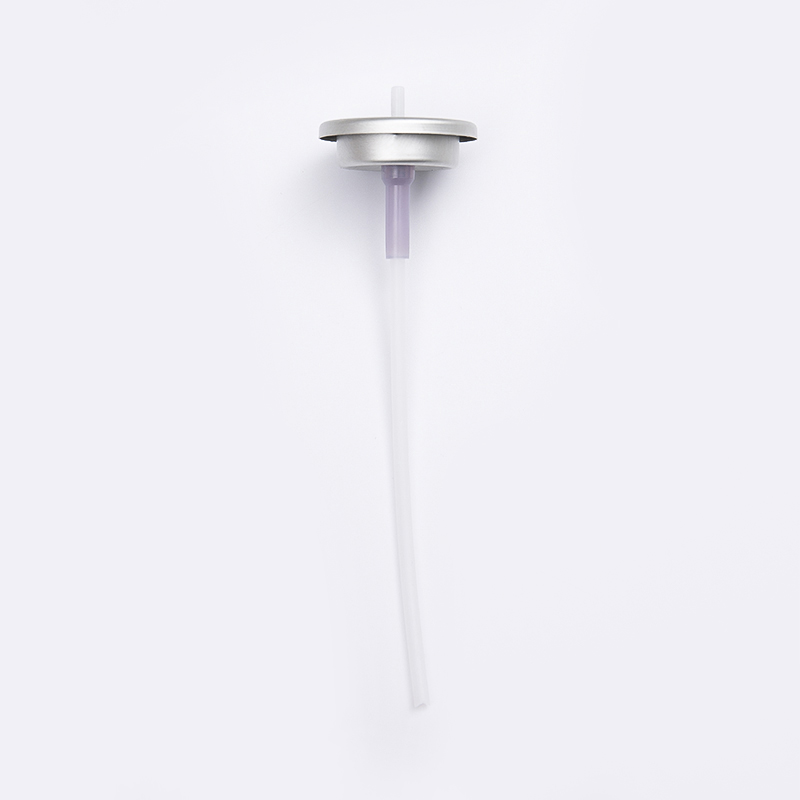
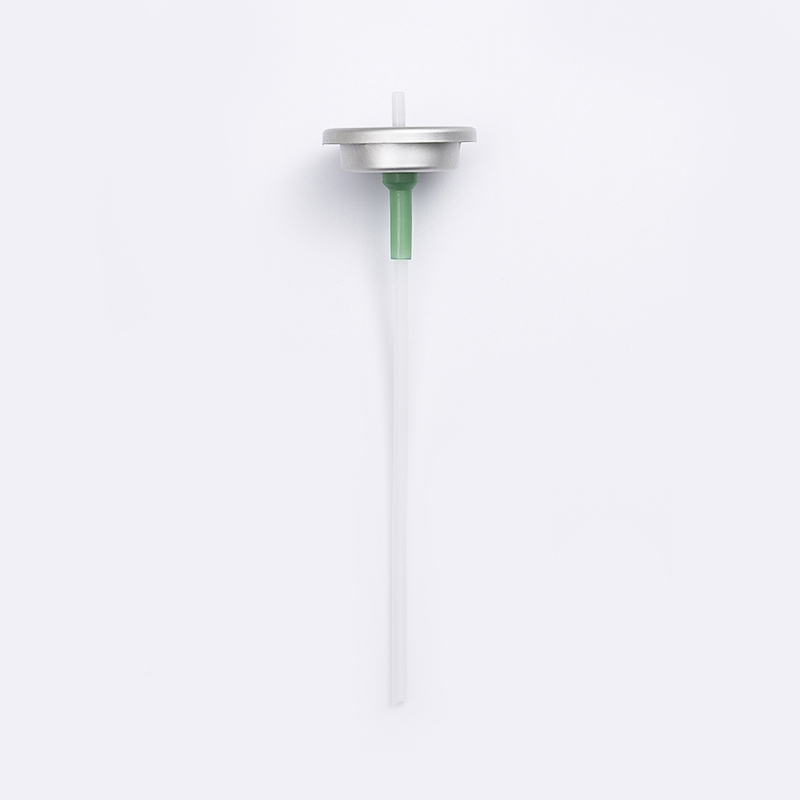
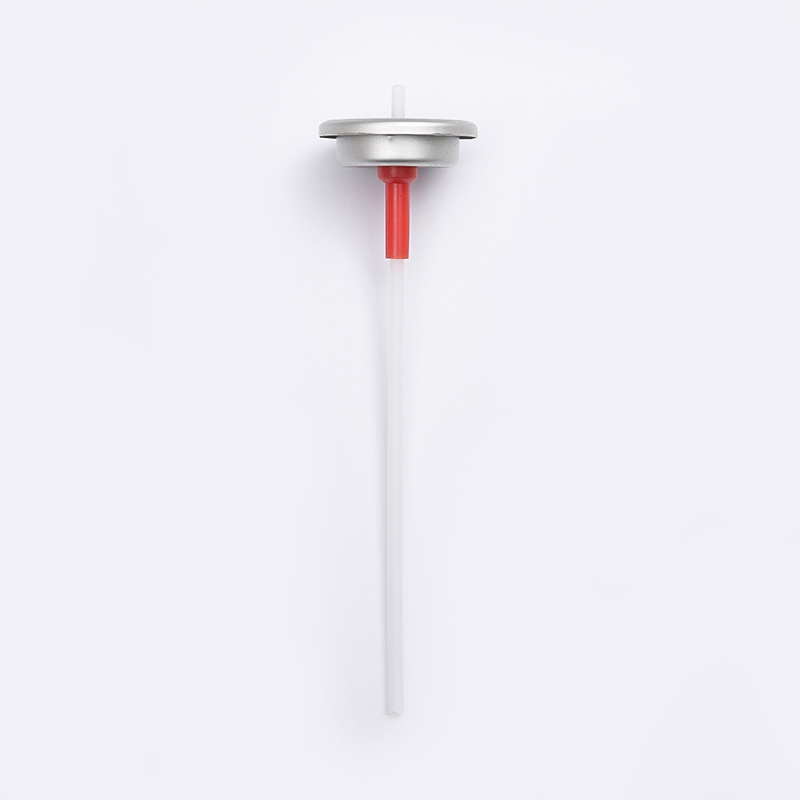
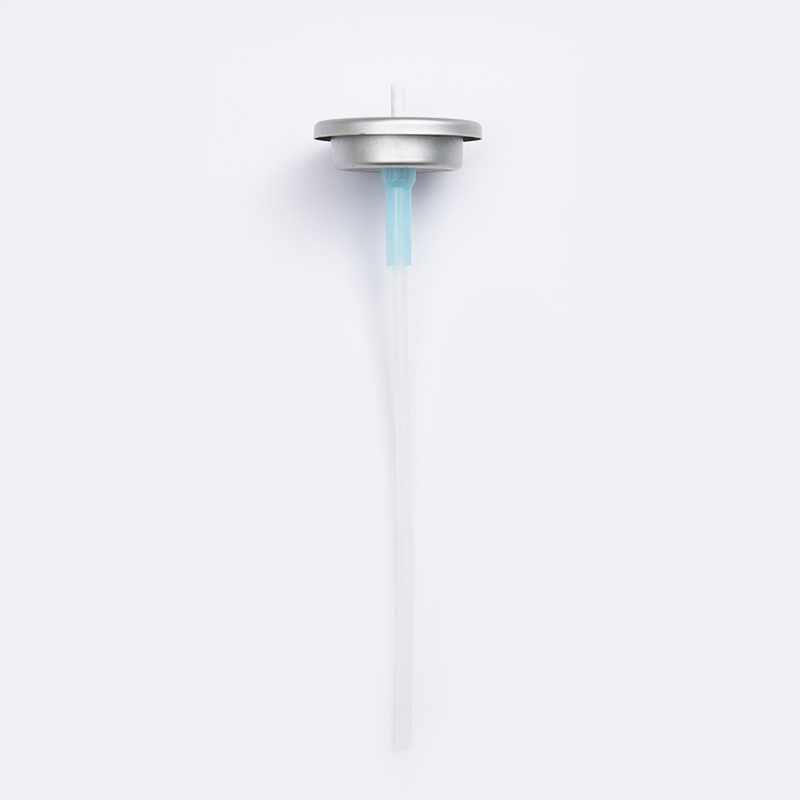
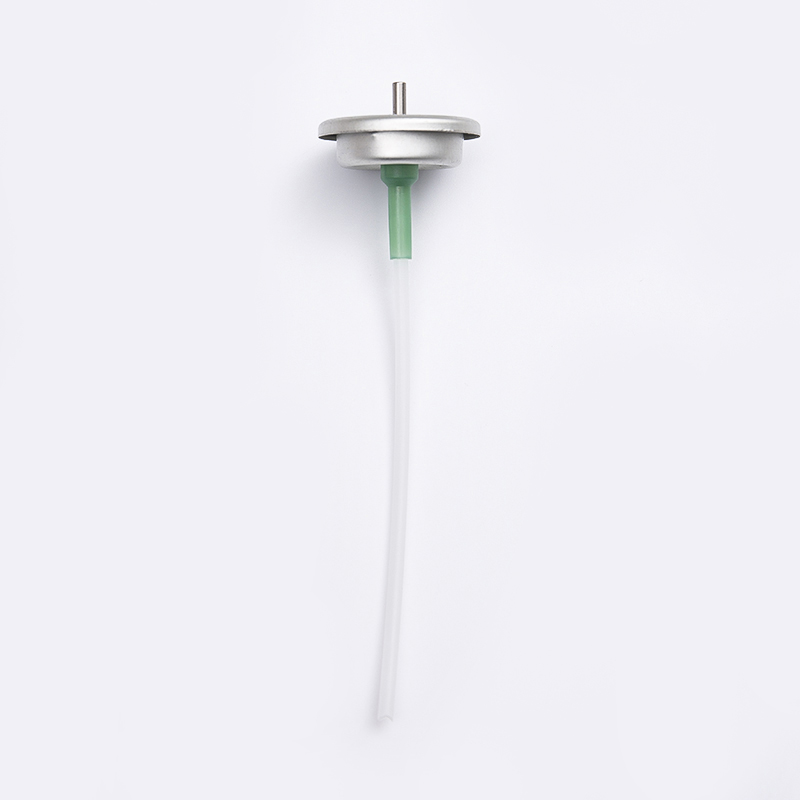
The small spray air freshener l shaped aerosol actuator is a critical component in the design of aerosol products, influencing both consumer experience and operational efficiency. The flow rate, which refers to the amount of liquid dispensed per actuation, directly affects performance, user satisfaction, and overall product reliability.
Overview of small spray air freshener l shaped aerosol actuator
A small spray air freshener l shaped aerosol actuator is designed to deliver fine mist sprays from pressurized containers, usually to distribute fragrances evenly in the environment. The L-shaped design is ergonomically advantageous, allowing the actuator to be used comfortably at various angles, making it particularly suitable for consumer air freshener products.
The actuator’s main components include the nozzle, stem, spring mechanism, and housing, each of which contributes to the flow characteristics. Manufacturers often seek a balance between a consistent spray pattern and a controlled flow rate to ensure maximum efficiency and user satisfaction.
Importance of flow rate in small spray air freshener l shaped aerosol actuators
Flow rate is a defining factor in determining how effectively a small spray air freshener l shaped aerosol actuator functions. Key reasons flow rate is critical include:
- Coverage efficiency: A consistent flow rate ensures that fragrance disperses evenly, avoiding oversaturation in localized areas.
- User experience: The feel of the spray, including mist density and reach, depends heavily on the flow rate.
- Product lifespan: Flow rate directly influences the number of sprays per container, affecting the longevity and value of the product.
- Safety and compliance: Accurate flow management ensures that the aerosol product adheres to safety standards and regulatory requirements.
Understanding these aspects helps manufacturers optimize actuator design while meeting consumer expectations.
Factors affecting the flow rate of small spray air freshener l shaped aerosol actuators
Several interrelated factors determine the flow rate of a small spray air freshener l shaped aerosol actuator. These factors include design characteristics, material selection, and operational conditions.
Nozzle design
The nozzle is one of the most significant components influencing flow rate. Nozzle diameter, shape, and internal channels define how liquid exits the actuator. A well-engineered nozzle ensures a fine, uniform mist without leakage or drips. L-shaped actuators require specific nozzle alignment to maintain consistent performance when used at different angles.
Stem and actuator length
The length and diameter of the actuator stem also affect flow. Longer stems may introduce resistance, reducing flow rate slightly, whereas shorter stems may allow faster dispensing. The balance between stem length and nozzle design is crucial in achieving optimal atomization and spray reach.
Spring mechanism
The internal spring provides the force necessary to overcome liquid resistance. The spring’s strength, compression, and positioning within the actuator determine how easily the valve opens and closes. A spring that is too stiff may restrict flow, while a weak spring can lead to inconsistent output.
Liquid viscosity and propellant properties
Although we are not using formulas, it is important to note that liquid viscosity significantly impacts the flow rate. Thicker liquids require more force to atomize effectively, while thinner liquids may spray more quickly. Propellant characteristics, such as pressure and expansion rate, also play a role in maintaining consistent flow from the actuator.
Sealing and tolerance precision
Proper sealing prevents leaks and maintains pressure integrity, which directly affects flow rate. Tight manufacturing tolerances ensure that components fit together without excess friction or gaps that could disrupt spray performance.
Methods for evaluating flow rate
Determining the flow rate of a small spray air freshener l shaped aerosol actuator requires careful testing and measurement. Standard industry practices include:
Actuation testing
Repeated actuation tests measure the volume of liquid dispensed per press. This allows manufacturers to identify variations in output and ensure consistency across production batches.
Spray pattern analysis
Observing the spray distribution helps verify whether the flow rate aligns with intended performance. Uniform misting indicates optimal flow, while irregular patterns may signal nozzle or actuator issues.
Pressure variation tests
Simulating different propellant pressures can reveal how flow rate changes under varying operating conditions. This ensures that the actuator performs reliably across a range of real-world scenarios.
Endurance and durability testing
Extended use tests assess whether flow rate remains consistent over the actuator’s lifespan. Factors like spring fatigue or nozzle wear are monitored to maintain long-term performance.
Data recording
Although this article avoids mathematical formulas, industry practitioners often use precise recording tools to log flow per actuation, spray distance, and coverage area. These records are vital for quality control and regulatory documentation.
Design considerations to optimize flow rate
Manufacturers often make specific design choices to enhance the flow rate of a small spray air freshener l shaped aerosol actuator. Key considerations include:
- Nozzle geometry optimization: Fine-tuning the internal shape ensures smooth liquid passage and uniform mist.
- Material selection: High-quality plastics and corrosion-resistant metals reduce friction and wear.
- Spring calibration: Adjusting spring tension balances ease of use with sufficient dispensing pressure.
- Actuator ergonomics: An L-shaped design must be comfortable to hold without compromising flow performance.
- Tolerance control: Precise manufacturing tolerances prevent misalignment and leakage.
Industry trends and innovations
The small spray air freshener l shaped aerosol actuator market has seen several trends aimed at improving flow rate and user experience:
- Eco-friendly materials: Manufacturers increasingly use recyclable plastics and biodegradable components without sacrificing performance.
- Adjustable nozzles: Some actuators now allow users to modify spray intensity, indirectly influencing flow rate.
- Miniaturization: Compact L-shaped actuators maintain effective flow rates while reducing overall product size for portability.
- Enhanced propellant efficiency: Innovations in propellant chemistry improve atomization and maintain consistent flow across environmental conditions.
Quality control and standard compliance
Maintaining consistent flow rate is not only a performance concern but also a regulatory requirement. Manufacturers implement rigorous quality control procedures including:
- Batch testing of actuators for uniform flow.
- Verification against international standards for aerosol safety and performance.
- Continuous monitoring of wear and tolerance deviations.
These practices ensure that the small spray air freshener l shaped aerosol actuator meets consumer expectations while complying with safety regulations.
Common challenges in achieving consistent flow rate
Despite technological advances, several challenges persist:
- Viscosity variation: Changes in liquid composition can affect atomization.
- Spring fatigue: Over time, springs may weaken, reducing flow consistency.
- Nozzle clogging: Fragrance oils or impurities can block narrow channels.
- Environmental factors: Temperature and altitude can influence propellant pressure and flow performance.
Addressing these challenges requires careful design, material selection, and robust testing procedures.
Conclusion
The small spray air freshener l shaped aerosol actuator is a sophisticated component whose performance is largely defined by flow rate. Understanding the interplay between nozzle design, stem length, spring mechanics, and propellant characteristics is essential for manufacturers seeking to optimize performance. Through rigorous testing, careful design, and quality control, consistent flow rates can be achieved, ensuring superior user experience and regulatory compliance.
Optional Table: Key Factors Influencing Flow Rate
| Factor | Influence on Flow Rate |
|---|---|
| Nozzle design | Determines mist pattern and spray consistency |
| Stem length and diameter | Affects liquid resistance and atomization |
| Spring mechanism | Controls valve opening force and dispensing pressure |
| Liquid viscosity | Impacts ease of flow and spray uniformity |
| Sealing and tolerance precision | Prevents leakage and maintains pressure integrity |
| Propellant characteristics | Ensures consistent atomization and reach |