English
 中文简体
中文简体 Español
 عربى
عربى
Understanding the Global Compliance Landscape for Aerosol Packaging
Pressurized packaging sits at an unusual intersection of chemistry, mechanical engineering, and international trade law. A single aerosol valve might be manufactured in one country, assembled onto a can in another, filled in a third, and sold on shelves across dozens of regulatory jurisdictions. Each of those jurisdictions applies its own rules on internal pressure limits, material purity, and transport classification.
For manufacturers and brand owners working with global compliance aluminum drink containers, the challenge is not simply meeting one national standard. It is building a packaging system that can satisfy overlapping and sometimes conflicting requirements without redesigning the container for every market.
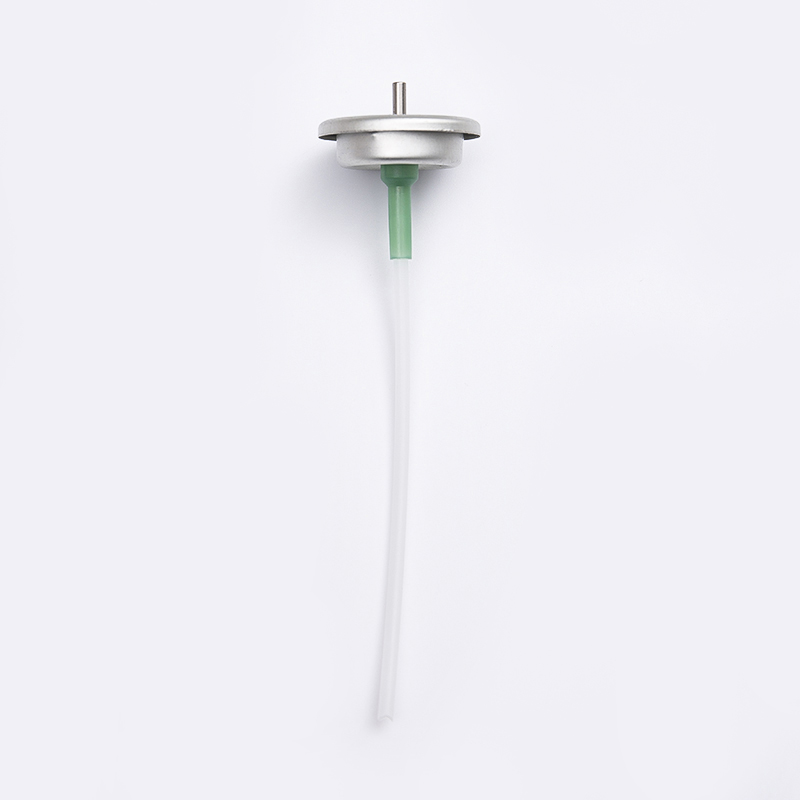
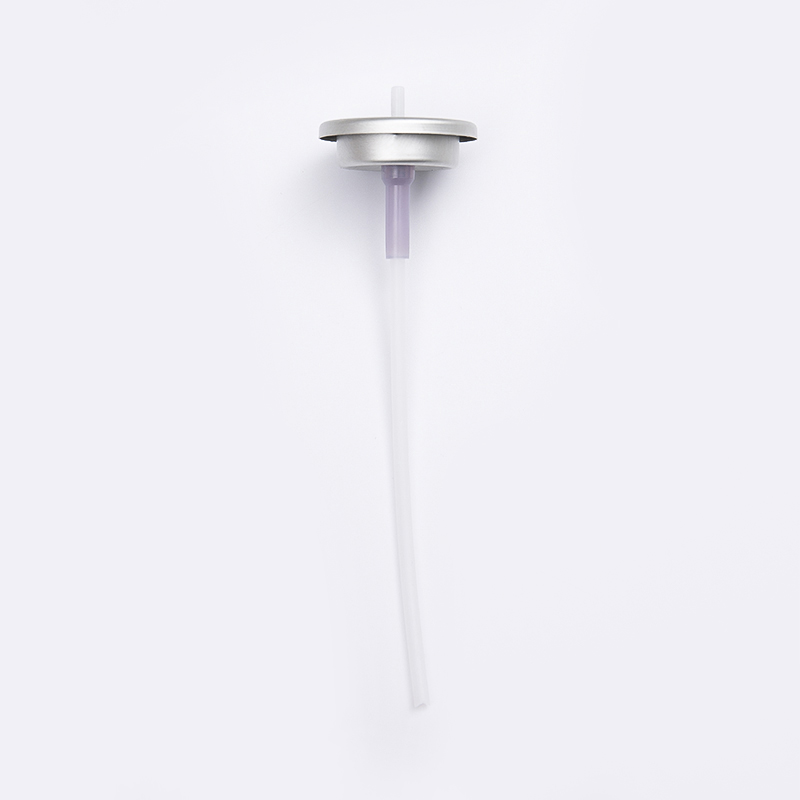
Compliance failures in pressurized packaging rarely originate from the can body itself. Most trace back to the valve, gasket, or actuator interface where mechanical tolerances are tightest.
Why Aluminum Aerosol Containers Demand Rigorous Quality Control
Aluminum aerosol containers are lightweight, corrosion-resistant, and recyclable, which makes them a preferred format for beverages, personal care products, and household chemicals. However, aluminum's ductility also means that even small deviations in wall thickness or dome geometry can change how a can responds to internal pressure during temperature swings, transport vibration, or accidental impact.
- Thin-wall aluminum bodies are more sensitive to over-pressurization than steel equivalents.
- Valve seating tolerances must account for aluminum's slightly higher thermal expansion coefficient.
- Recycled aluminum content, increasingly mandated by sustainability regulations, introduces batch-to-batch alloy variation that quality teams must monitor.
- Coating integrity on the can interior directly affects shelf life and corrosion resistance, especially for beverage or acidic formulations.
These factors mean that a compliance program cannot stop at the can supplier level. It has to extend into valve stem length, spring force consistency, and gasket compression, since these components determine how the container behaves under real-world pressure cycles.
Core Standards Governing Aerosol Valve Performance
Most regulatory frameworks for pressurized packaging share a common structure: they define maximum internal pressure, require a burst-pressure safety margin, and mandate documented testing before a product can be classified as safe for retail distribution or freight transport. The table below summarizes the categories most compliance teams track.
| Regulatory Category | Primary Focus | Typical Requirement | Common Verification Method |
|---|---|---|---|
| Transport classification | Hazardous material shipping rules | Pressure limits under transport temperature range | Thermal cycling and pressure logging |
| Product safety directives | Consumer-facing risk of rupture or leakage | Defined burst-pressure safety factor | Hydrostatic burst testing |
| Material and food contact rules | Interior coating and content compatibility | Migration limits for internal coatings | Laboratory migration and extraction testing |
| Quality management systems | Manufacturing consistency | Documented process control and traceability | Internal and third-party audits |
| Environmental and recyclability rules | End-of-life material recovery | Minimum recycled content or recyclability rating | Material composition declarations |
No single certificate covers all five categories. A well-managed compliance file typically layers a quality management certification, a transport classification test report, and a material safety declaration into one traceable package for each production batch.
How Global Compliance Aluminum Drink Containers Are Verified in Practice
Verification is a sequence, not a single event. A container destined for multiple export markets typically passes through the following stages before it is cleared for filling and distribution.
- Incoming aluminum coil or slug inspection, checking alloy grade and interior coating thickness.
- Valve, stem, and gasket assembly, matched to the specific can neck dimension and intended propellant type.
- Pressure and leak testing, including hydrostatic burst checks on sample batches and vacuum-decay leak detection on production lines.
- Batch documentation, tying each production lot to its test results, alloy certificates, and valve supplier records.
- Release for filling, only after the documentation package matches the destination market's regulatory checklist.
Key Risk Points in Pressurized Packaging Supply Chains
Even a technically sound container design can fail compliance checks if the surrounding supply chain is not managed carefully. Several recurring risk points appear across audits of pressurized packaging operations.
Valve sourcing variability occurs when a manufacturer switches valve suppliers mid-run without re-validating spring force and stem tolerance against the original design specification. Cross-border labeling gaps arise because pressure warning symbols and hazard classifications differ between regions, and a label compliant in one market may be insufficient in another. Propellant classification errors happen when a formulation change alters the internal pressure profile without updating the transport hazard class. Incomplete batch records are the most common audit finding, since traceability is often the first requirement to slip under production time pressure.
Addressing these risks generally requires a documented change-control process: any modification to the valve, propellant, or coating triggers a mandatory re-test before the change reaches full production volume.
Building a Practical Compliance Framework
Teams responsible for aluminum aerosol containers benefit from organizing compliance work around three layers, rather than treating each market's paperwork as a separate project.
| Layer | Focus | Typical Owner |
|---|---|---|
| Design layer | Valve, gasket, and can geometry validated against worst-case pressure and temperature scenarios | Engineering |
| Production layer | Line-level testing, traceability, and supplier qualification | Quality assurance |
| Market layer | Labeling, transport classification, and destination-specific documentation | Regulatory affairs |
When these three layers share a common data record for each batch, a compliance team can respond to a new market requirement by checking existing test data first, rather than commissioning a full re-test. This approach is particularly valuable for brands managing aluminum aerosol containers across multiple regions simultaneously, since it reduces both cost and lead time without compromising safety margins.
Ultimately, reliable pressurized packaging is less about any single certificate and more about the discipline of connecting design, production, and market documentation into one continuous record. A container backed by consistent valve performance and transparent batch history is far more resilient to both regulatory audits and real-world handling stress than one that merely passes an initial certification test.
Frequently Asked Questions
Q1: What makes valve quality more critical than can body quality in aerosol packaging?
The valve controls both the sealing pressure and the release mechanism, so even a well-made can body can fail if the valve spring force, stem tolerance, or gasket compression is inconsistent. Most pressure-related complaints trace back to the valve interface rather than the can itself.
Q2: Do all export markets require the same pressure testing methods?
No. While hydrostatic burst testing and leak detection are common across most regions, the specific pressure thresholds, sample sizes, and documentation formats vary by jurisdiction, which is why a layered compliance framework is more efficient than market-by-market testing from scratch.
Q3: How often should valve suppliers be re-qualified?
Re-qualification should be triggered by any material or dimensional change from the supplier, not on a fixed calendar schedule alone. Many quality teams still run periodic audits, typically annually, as a baseline check even without a known supplier change.
Q4: Does recycled aluminum content affect container safety?
Recycled content can introduce slight alloy composition variation, which is why quality teams monitor wall thickness and burst pressure more closely as recycled content percentages increase, rather than assuming identical performance to virgin aluminum stock.
Q5: What is the most common reason aerosol packaging fails a compliance audit?
Incomplete or disconnected batch documentation is the most frequent finding, more common than an actual physical defect in the valve or can. Linking design, production, and market records into one traceable system significantly reduces this risk.