English
 中文简体
中文简体 Español
 عربى
عربى
How Internal Pressure Shifts When Aerosol Cans Face Cold Weather
Every aerosol container relies on a sealed balance between liquid product, propellant, and internal pressure. That balance is temperature sensitive. As ambient temperature drops, the propellant inside the can loses kinetic energy, and the internal vapor pressure decreases along with it. This is the core reason cold weather changes how an aerosol product behaves before a single valve failure ever occurs.
Two broad propellant categories react differently to cold exposure. Compressed gas systems, which rely on a gas held above the liquid product, tend to lose spray force gradually as pressure drops. Liquefied gas systems, where the propellant itself is partially liquid inside the can, are more sensitive to temperature swings because the liquid-to-vapor transition slows significantly in cold conditions.
In practical terms, a can that sprays a fine, even mist at room temperature may produce a weak stream or sputtering discharge once stored below freezing. This is not a defect. It is a predictable outcome of reduced vapor pressure acting on the aerosol valve mechanism, which depends on a minimum pressure differential to atomize product properly.
Do Aerosol Cans Freeze? Understanding What Happens Below Zero
The short answer is that aerosol cans do not freeze the way water does, but their contents can undergo changes that look and behave like freezing. Propellants used in modern aerosol systems generally have boiling points far below zero, so the propellant itself stays in a fluid or gaseous state well into sub-freezing temperatures.
What actually happens is more nuanced:
- Water-based formulations inside the can can genuinely freeze if the water content is high, causing expansion that stresses the container wall and seams.
- Emulsions and suspensions may separate into distinct layers as viscosity increases unevenly across ingredients.
- Propellant vapor pressure drops, reducing the force available to push product through the dip tube and valve stem.
- Seals and gaskets stiffen, which can allow micro-leakage even if the can body itself is undamaged.
Industry storage guidance commonly recommends keeping filled containers within an operating range of roughly minus 40 degrees Celsius to 65 degrees Celsius for transport and short-term storage, with performance-critical use closer to standard room temperature. Falling outside that range does not always cause failure, but it does increase the odds of inconsistent spray behavior once the product is brought back to room temperature.
Can Aerosol Cans Explode in Cold Weather? Separating Myth From Mechanical Risk
Aerosol cans are more commonly associated with heat-related rupture than cold-related explosion, and that association is largely accurate. Elevated temperature increases internal pressure directly, which is the dominant mechanical driver of container failure. Cold weather works differently, and the risk pathway is indirect rather than immediate.
The realistic cold-weather risks fall into a few categories:
| Risk Factor | Mechanism | Likely Outcome |
|---|---|---|
| Rapid rewarming | Can moved from freezing storage to a warm room too quickly | Sudden pressure spike, possible seal stress |
| Brittle seals | Rubber or elastomer gaskets stiffen at low temperature | Slow leakage rather than rupture |
| Trapped moisture freezing | Condensation inside crimped seams expands | Localized seam weakening |
| Physical impact when brittle | Cold makes some plastics and coatings less flexible | Cracking on drop or knock |
None of these mechanisms produce an explosive event on their own in a well manufactured container. The genuine explosion risk almost always involves a secondary factor, most commonly leaving a can near an active heat source after it has already been weakened by cold-related stress. This is why storage guidance treats cold exposure and heat exposure as connected risks rather than isolated ones.
Why the aerosol valve Is the Critical Point of Failure
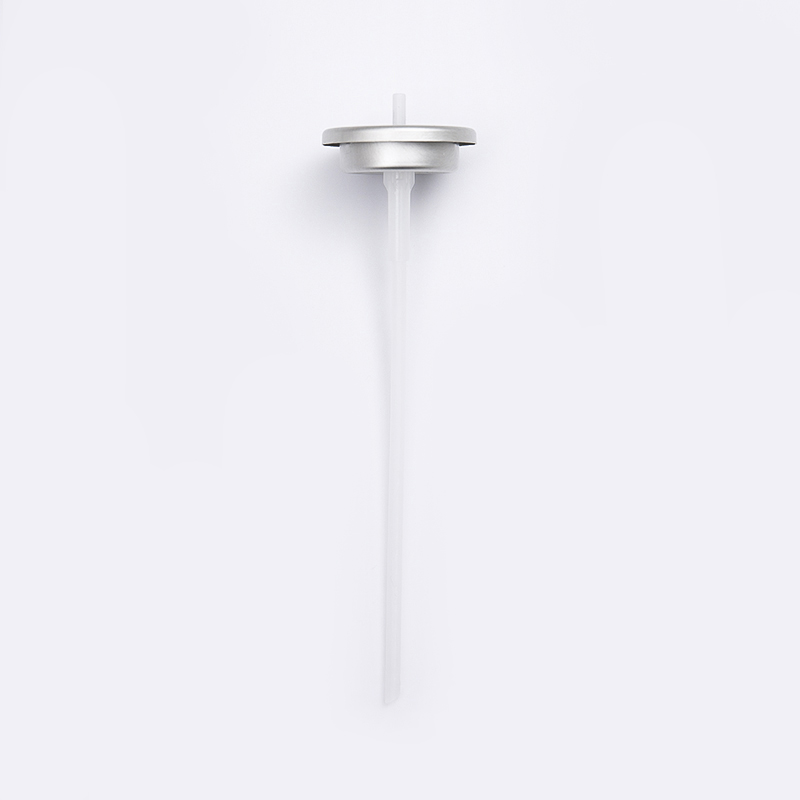
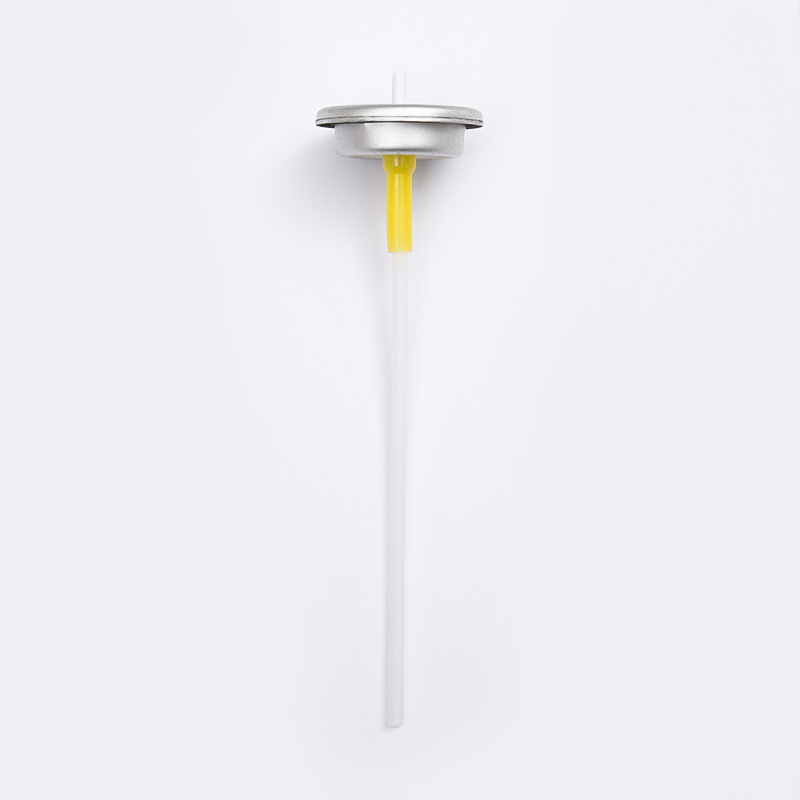
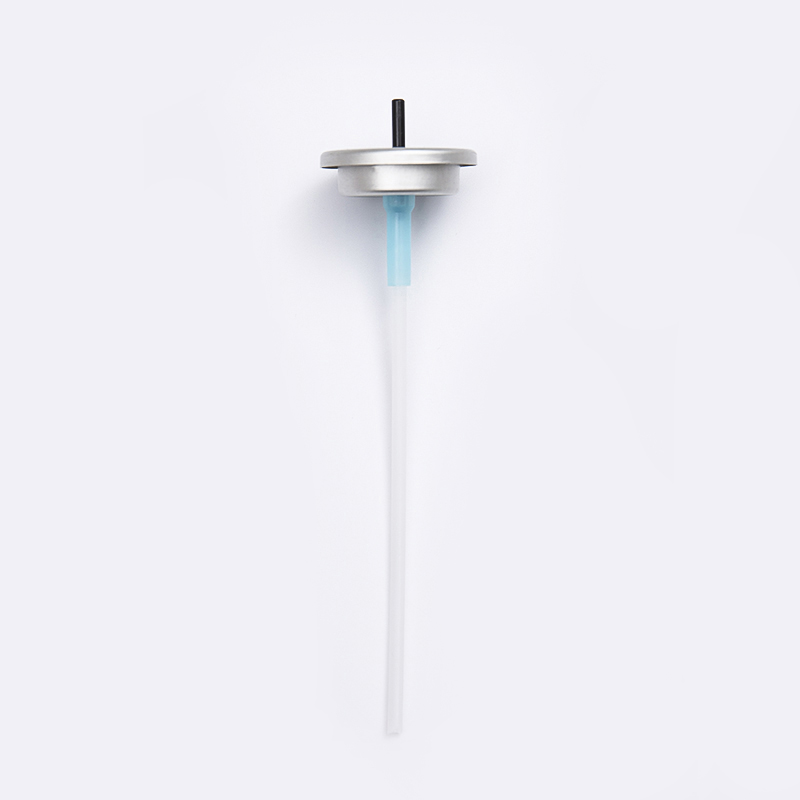
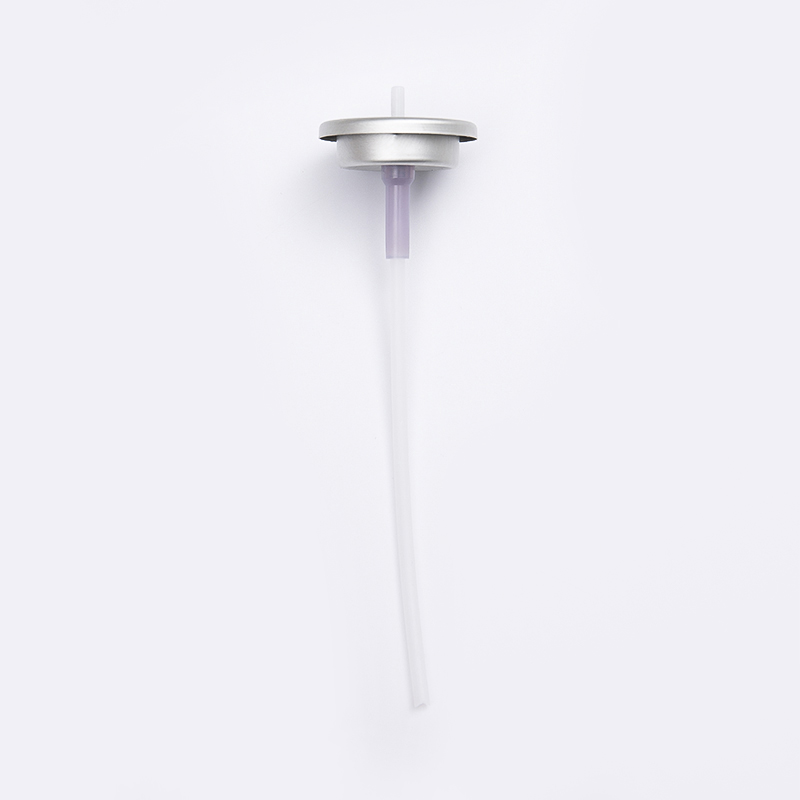
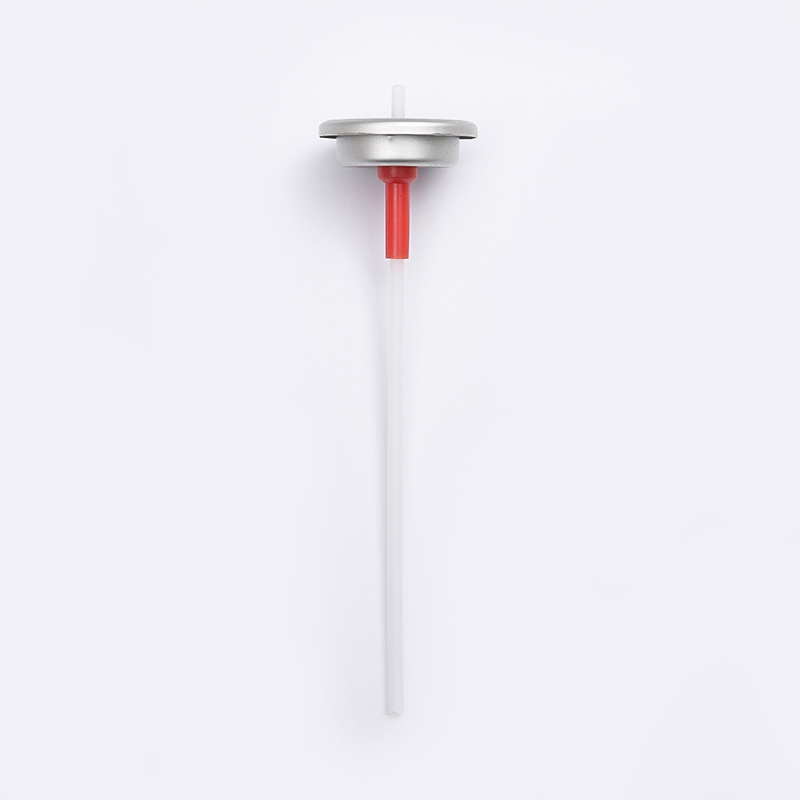
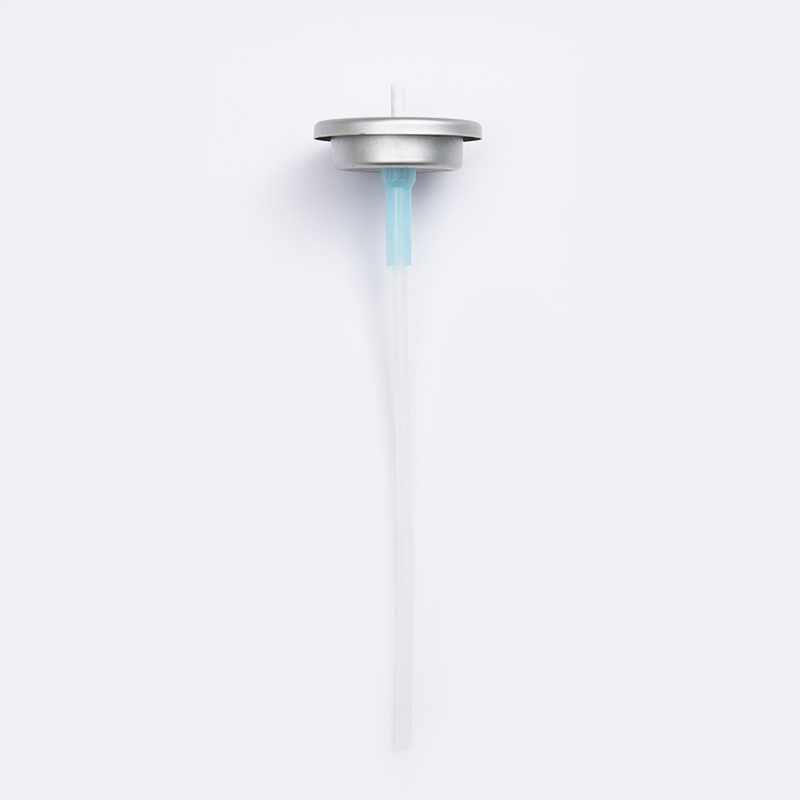
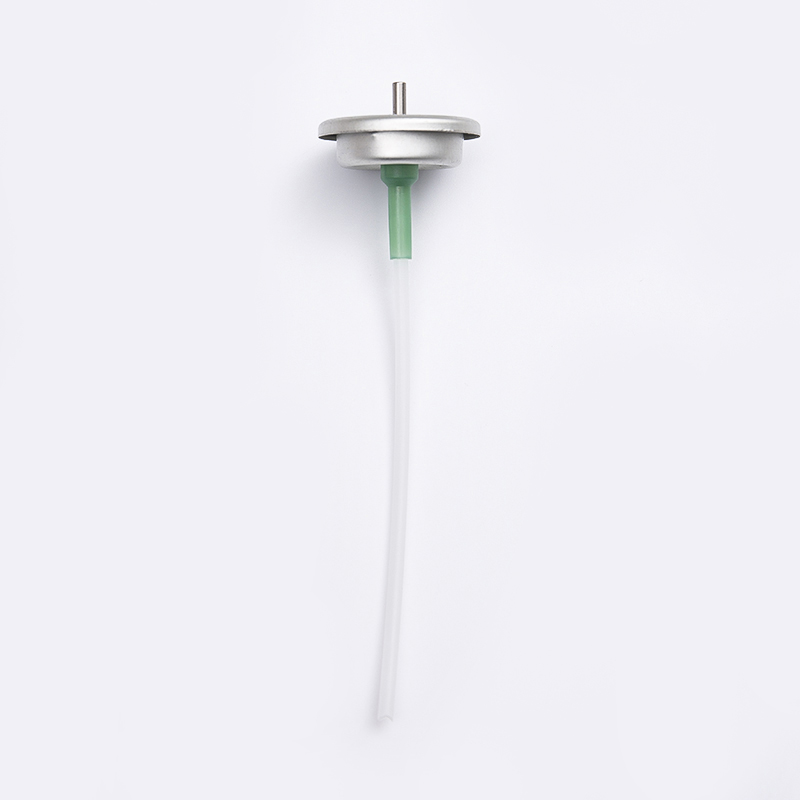
Among all the components in an aerosol system, the valve assembly is the part most sensitive to temperature swings. A typical valve includes a stem, a spring, a rubber or elastomer seal, a housing, and a dip tube connecting to the product inside the can. Each of these parts responds to cold differently, and the seal is usually the weakest link.

At low temperature, elastomer seals lose flexibility. A seal that compresses evenly at room temperature can develop micro-gaps when it stiffens, allowing slow propellant loss even while the can appears intact. Spring tension can also shift slightly as metal contracts, which changes the actuation force needed to trigger a spray.
Valve manufacturers address this through material selection and tolerance design rather than any single fix. Choosing seal compounds rated for a wide operating temperature window, tightening dimensional tolerances on the stem and housing, and validating spring force across a temperature range are standard engineering responses to this problem. This is also why valve specifications typically list a rated temperature range alongside dispensing rate and actuation force.
How Temperature Moves Through the Aerosol System: A Visual Breakdown
Industrial Aerosol Testing Standards for Temperature Extremes
Reliable performance across climates is not assumed, it is tested. Manufacturers commonly run a set of standardized evaluations before a container and valve combination is approved for wide distribution.
| Test Type | Typical Range | Purpose |
|---|---|---|
| Cold storage soak | Minus 20C to minus 40C | Checks seal integrity and spray consistency after extended exposure |
| Thermal cycling | Minus 20C to 50C, repeated | Simulates transport through changing climates |
| Hot storage soak | 50C to 65C | Evaluates pressure buildup and container wall stress |
| Drop and impact test | Conducted at low temperature | Checks for brittleness in plastics and coatings |
| Actuation force test | Across full rated range | Confirms the valve remains usable without excessive force |
Passing these evaluations is what allows a valve and container system to carry a stated operating range on its specification sheet, giving buyers a data backed reference point rather than a general assumption about aerosol container safety.
Best Practices for Storing and Transporting Aerosol Containers in Cold Climates
Most cold weather issues are preventable with handling adjustments rather than product changes. The following practices are widely used across distribution and warehousing operations.
- Avoid storing cans in direct contact with metal shelving or vehicle floors where surface temperature drops faster than ambient air.
- Allow cans that have been below freezing to return to room temperature gradually rather than placing them near direct heat.
- Inspect crimped seams and valve cups for frost or moisture buildup before use after cold exposure.
- Rotate stock so containers are not left in unconditioned storage for extended periods across seasonal changes.
- Test spray output on a small area before full use if a can has been exposed to temperatures below its rated range.
Frequently Asked Questions
Q1: Do aerosol cans freeze at typical winter temperatures?
The propellant itself rarely freezes in the literal sense, but water-based contents can freeze and vapor pressure drops enough to weaken spray performance well before true freezing occurs.
Q2: Can aerosol cans explode in cold weather?
Direct explosion from cold alone is uncommon. The more realistic risk comes from a cold weakened can being rapidly rewarmed or placed near heat afterward.
Q3: How does cold weather affect the aerosol valve specifically?
Cold stiffens rubber and elastomer seals and can shift spring tension slightly, which changes both leak resistance and the force needed to actuate the valve.
Q4: What temperature range is generally safe for storing aerosol cans?
A common industry reference range is roughly minus 40 degrees Celsius to 65 degrees Celsius for storage and transport, with best performance closer to normal room temperature.
Q5: Should a frozen or very cold aerosol can be used immediately?
It is better to let the can return to room temperature gradually first, since immediate use at low temperature often produces weak or uneven spray output.