English
 中文简体
 Español
 عربى

When a personal care brand starts exploring bag-on-valve (BOV) packaging, the first question is usually about market size. The second question is less obvious: which valve do I put on that bag?
The short answer is that the bag-on-valve technology market is growing at a steady, not explosive, pace. Industry reports estimate the market at roughly USD 580-630 million in 2026, with a compound annual growth rate of 3.5-5% through the early 2030s. But those macro numbers hide a practical truth: the valve is the throttle on the entire system. A poorly selected BOV valve will cause leakage, inconsistent dosage, or product degradation, no matter how attractive the bag looks.
The market is driven by regulations and consumer demand, but the technical risk is concentrated in one component: the valve.
This article walks through what the BOV market numbers mean, why the technology is growing, and how to evaluate a BOV valve supplier before you commit to a filling line or a product launch.
What the Bag-on-Valve Technology Market Numbers Actually Mean
Market research firms publish varying figures because they define the market differently. Some include the entire BOV packaging system, others only the valve or the filled can. For a brand owner or contract filler, the precise figure matters less than the trend.
Across the major reports, the consensus is that BOV technology is expanding at a low single-digit to mid-single-digit CAGR. The global market is expected to grow from roughly USD 480-600 million in 2026 to USD 700-900 million by 2031-2035. This growth is not a rush, but it is consistent.
What does this mean for a purchasing manager? It means you are not chasing a niche anymore. BOV is becoming a standard format in several categories, and reliable component suppliers are beginning to appear in more regions. The risk is not that the market disappears, but that you pick a supplier who cannot keep up with tolerance control, batch-to-batch consistency, or filling-line compatibility.
Why BOV Technology Is Gaining Momentum
Three forces are pushing brands toward bag-on-valve packaging. The first is regulatory pressure on propellants. Traditional aerosol systems often rely on HFCs, which are being phased down in many markets. BOV can run on compressed air or nitrogen, separating the propellant from the product entirely.
The second driver is the demand for preservative-free and reduced-additive formulations, especially in pharmaceuticals, wound care, and sensitive skincare. Because the product is held in a flexible bag inside the can, it does not contact the metal wall or the propellant. This reduces the need for preservatives and improves chemical stability.
The third force is dispensing performance. BOV allows 360-degree spraying, even upside down, which makes it ideal for underarm sprays, nasal sprays, and industrial lubricants. In food applications, BOV supports upside-down dispensing of oils, sauces, and spreads without the risk of propellant contact.
In each case, the valve controls the spray rate, the dose, and the seal integrity. A BOV valve that is not matched to the bag material, can material, and product viscosity will undermine the benefits that made the format attractive in the first place.
How a Bag-on-Valve Works and Why the Valve Is the Critical Interface
A BOV system has three components: the can, the flexible bag, and the valve. The bag is filled with the product. The space between the bag and the can wall is pressurized with a gas, usually compressed air or nitrogen. When the valve opens, the pressure squeezes the bag and forces the product out through the valve stem and actuator.
This design offers a clear advantage: the product never touches the can or the propellant. But it also places a heavy burden on the valve. The valve must handle differential pressure, maintain a tight seal over the product's shelf life, and deliver a consistent dose or spray pattern every time.
For one-inch BOV systems, the valve cup is typically tinplate or aluminum. The choice affects corrosion resistance, cost, and the can's compatibility with post-spray crimping. A supplier who manufactures both the cup and the valve stem in-house can offer better control over tolerances and leak-free performance.
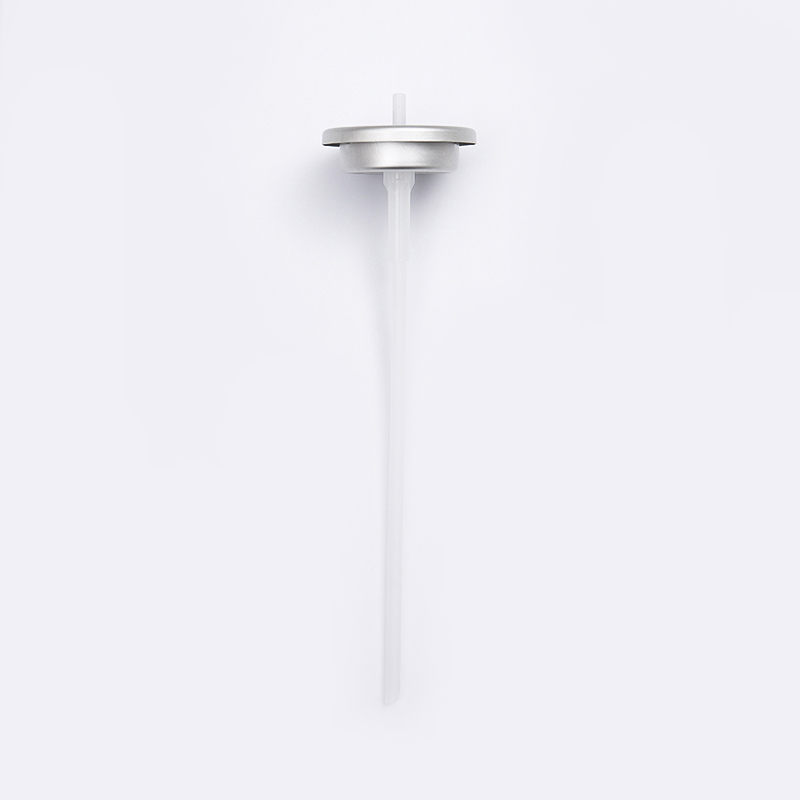
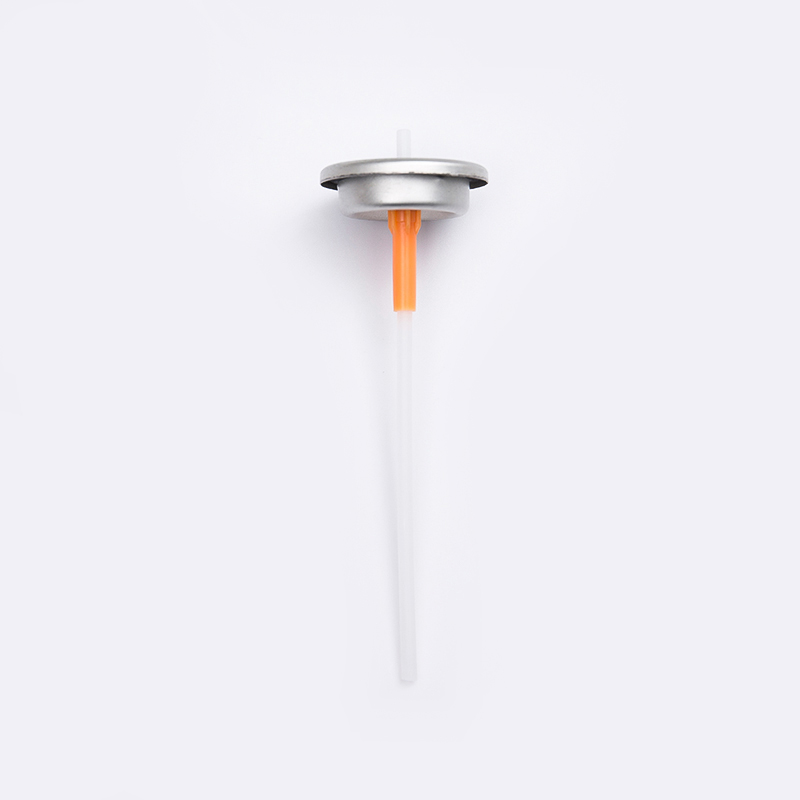
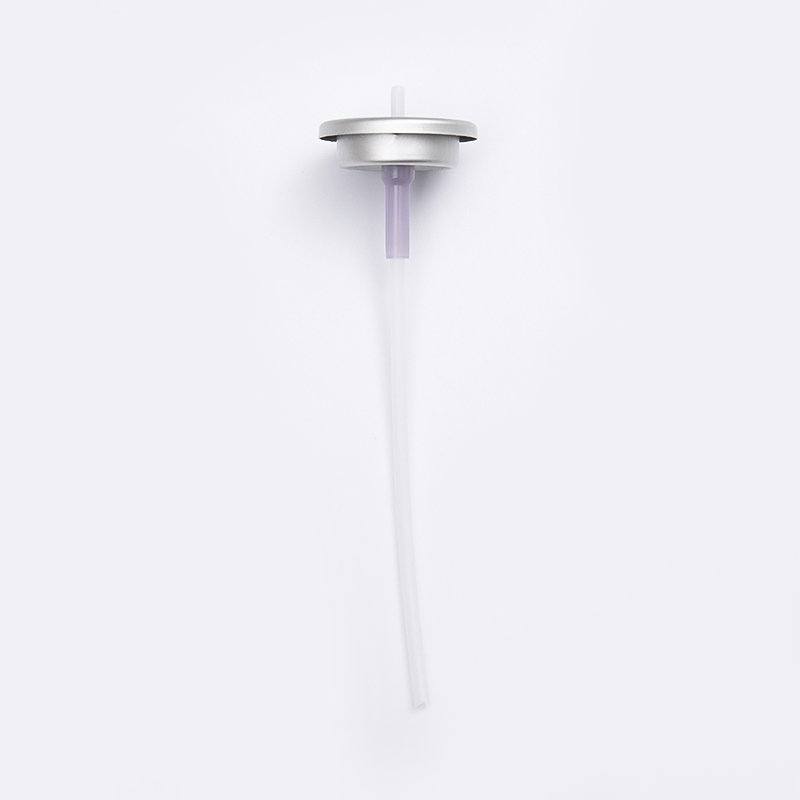
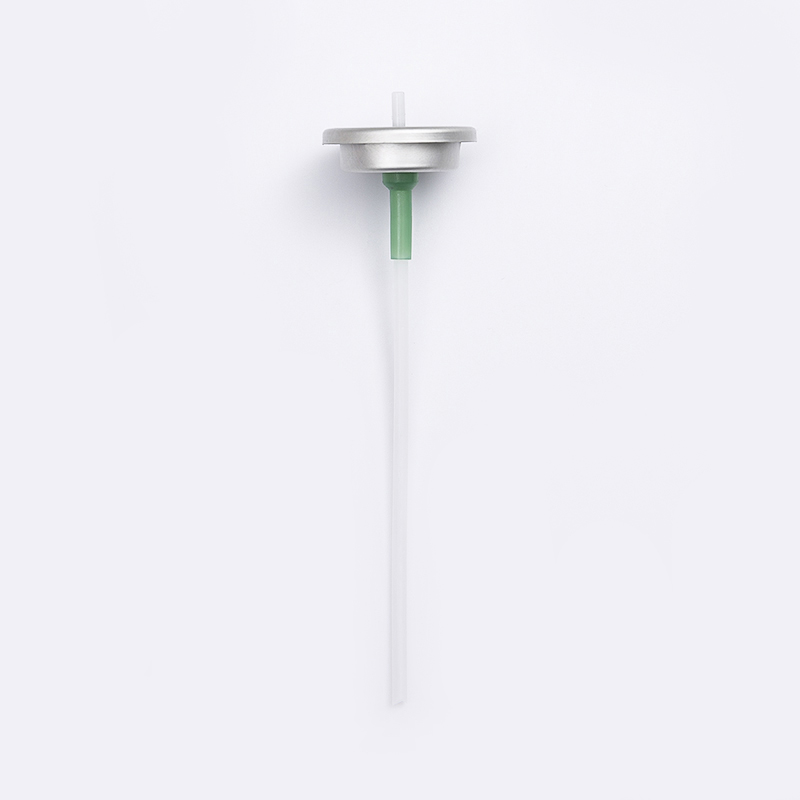
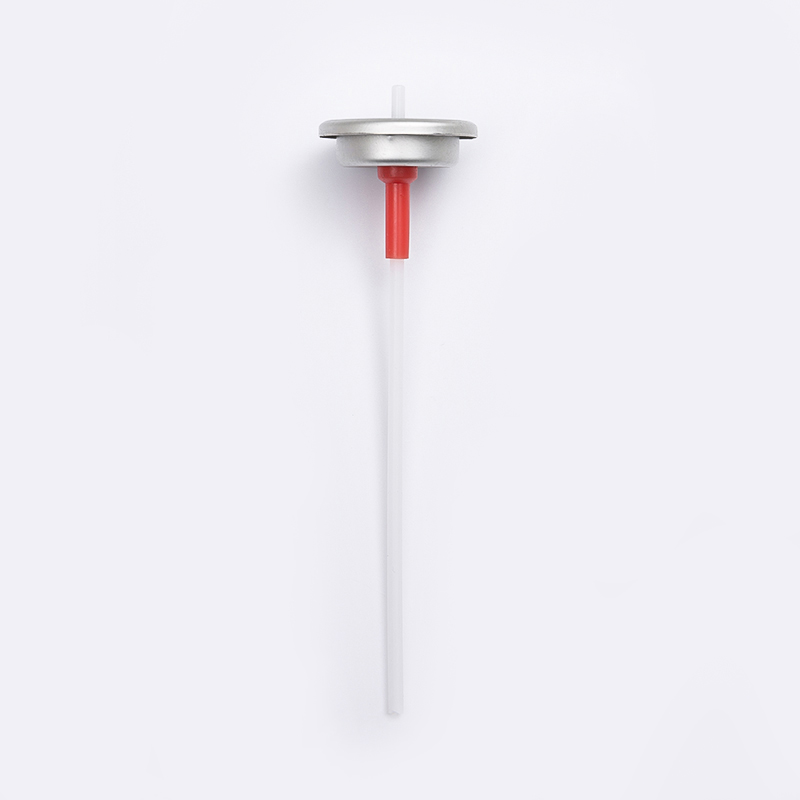
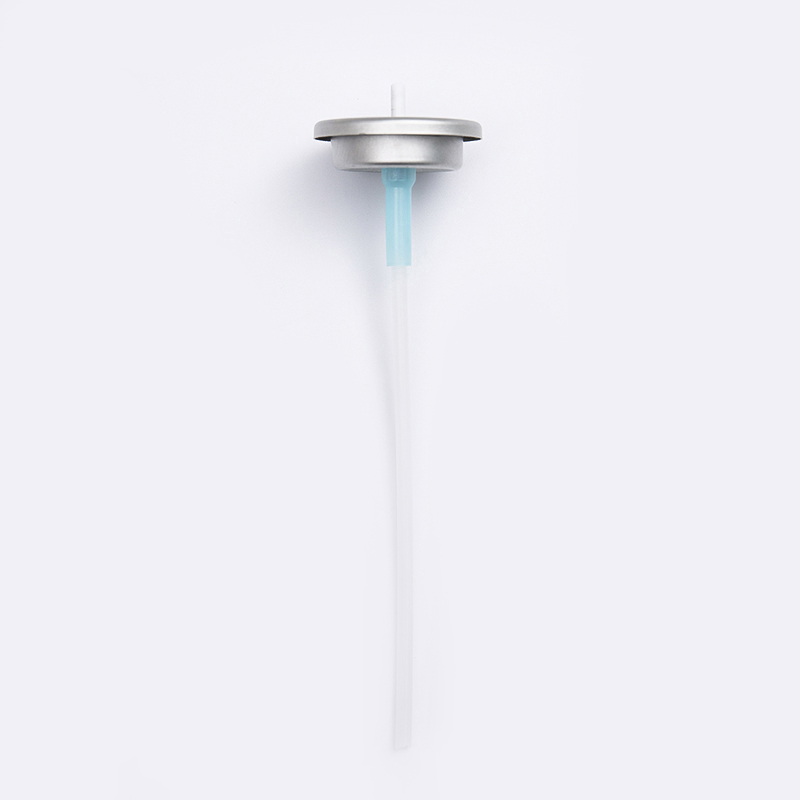
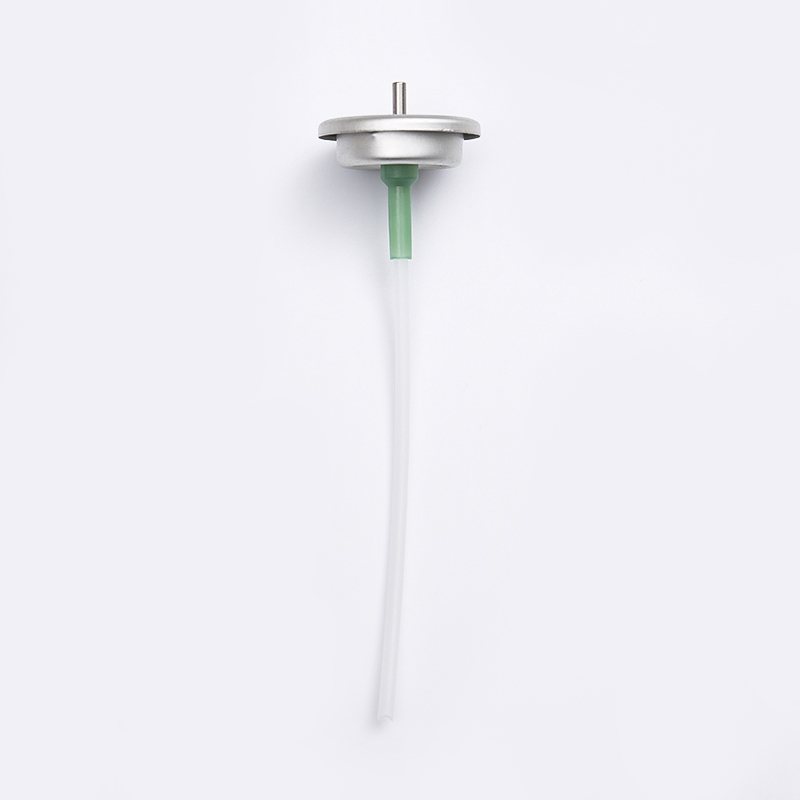
Our tinplate cup BOV valve for aluminium cans is an example of a valve engineered for stable crimping and a clean product path, with the bag and valve interfaces designed to work together.
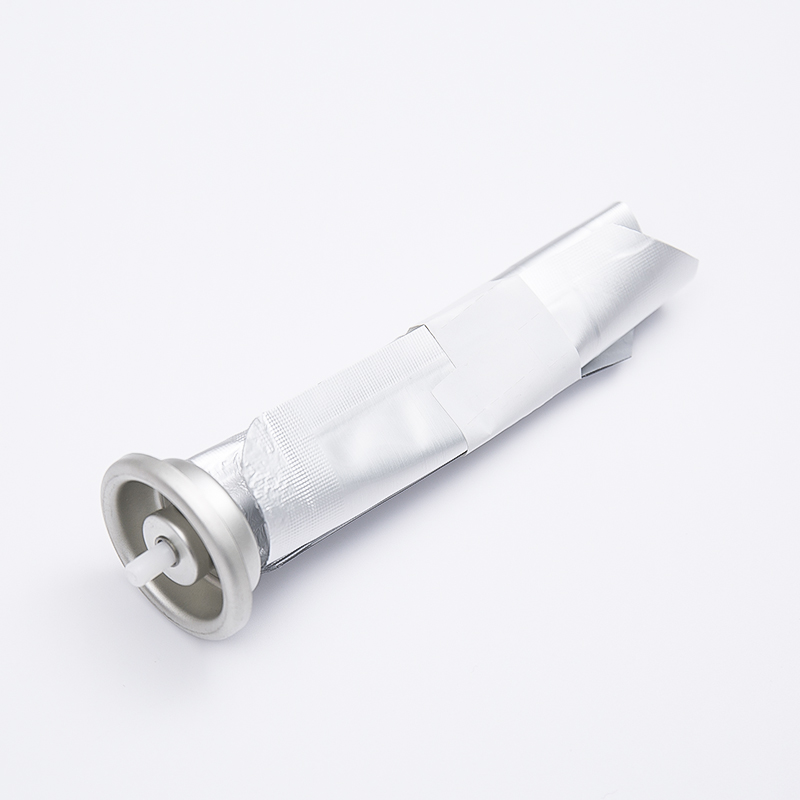 BOV-S4.00 BOV Valve Bag on Valve Aerosol Valve with tinpalte cup for aluminium canBOV-S4.00 BOV Valve Bag on Valve Aerosol Valve with tinpalte cup for aluminium can is an efficient and practical valve assembly designed for aluminium cans. The valve ...View Product →
Choosing the Right BOV Valve: Material, Cup, and Dosage Considerations
When you source a BOV valve, three choices dominate the specification sheet: cup material, dosing volume, and actuator type.
| Feature | Tinplate Cup | Aluminum Cup |
|---|---|---|
| Corrosion resistance | Moderate | High |
| Weight | Heavier | Lighter |
| Cost | Lower | Higher |
| Typical applications | Home care, personal care broad | Pharma, food, premium items |
Dosing volume matters just as much. A 100 mcl or 150 mcl valve will produce a different spray rate and a different number of shots per can. If you are filling a 30 ml product, a 200 mcl valve may empty the can too quickly. If you are filling a 500 ml industrial lubricant, a 50 mcl valve would be frustratingly slow.
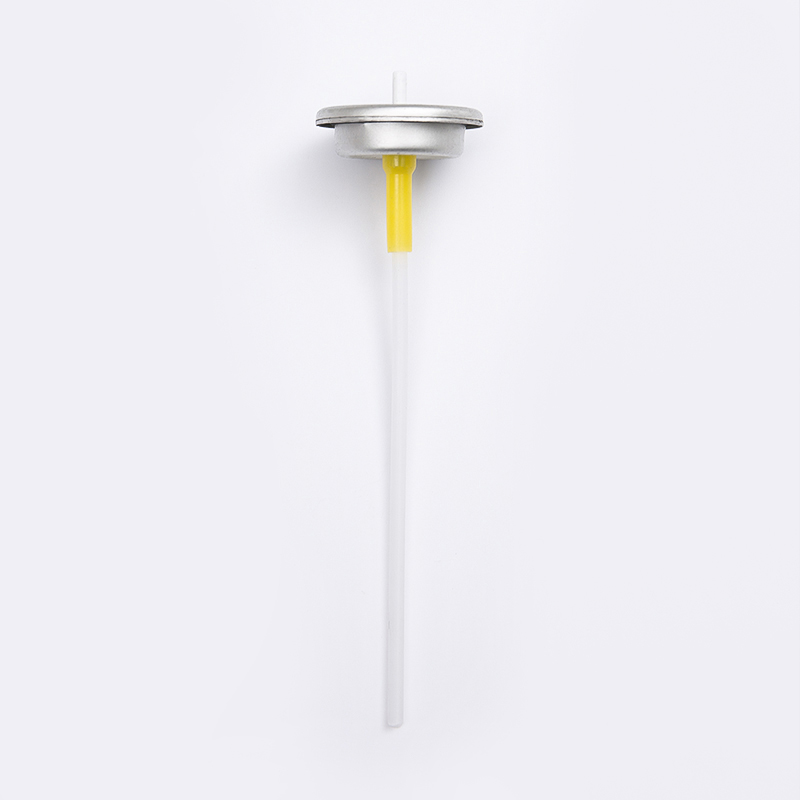
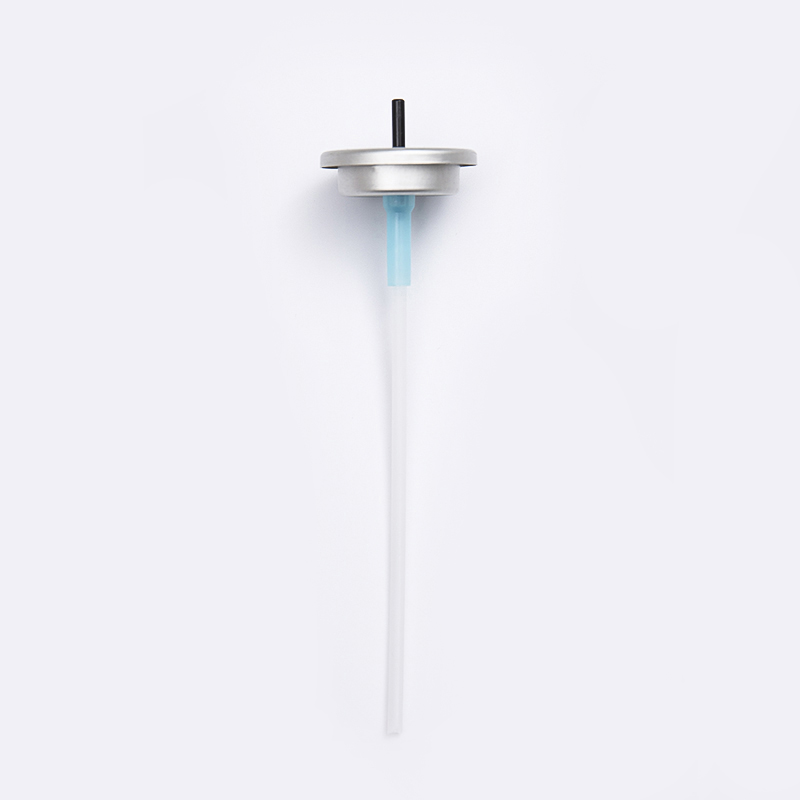
For many BOV applications, a tinplate cup valve is the most economical choice, while aluminum cups are selected when the product is sensitive or the can must be lightweight. Our BOV spray valve with one-inch tinplate cup supports standard dosing volumes and is designed for aerosol cans that need a reliable crimp fit.
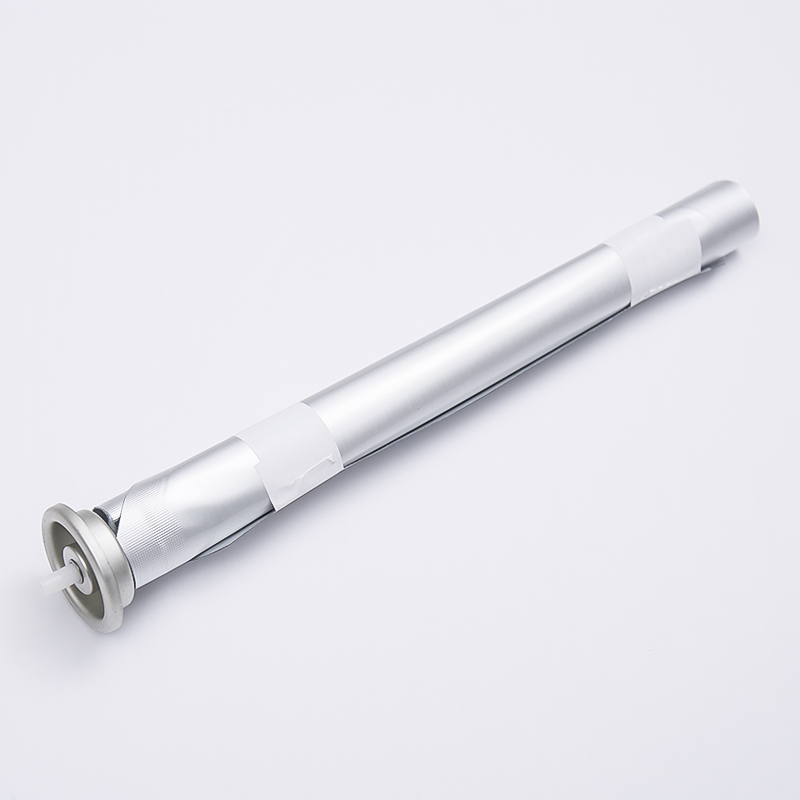 BOV-S4.60 BOV Spray Bag on Valve One Inch tinpalte cup Valve for Aerosol CanBOV-S4.60 BOV Spray Bag on Valve One Inch tinpalte cup Valve is an efficient and practical accessory designed for aerosol cans. Made of high-quality materials, the pro...View Product →
How to Evaluate a BOV Valve Supplier Before You Scale
Choosing a supplier based on price alone is risky. A BOV valve is a precision component that is crimped under high pressure, filled under pressure, and expected to hold that pressure for 24 to 36 months. Small deviations in stem length, gasket hardness, or cup diameter will create field failures that are expensive to recall.
- Production consistency: Ask about the number of automated assembly lines and how the supplier monitors dimensions during production. A factory with dedicated valve lines and in-process checks is usually a better fit for high-volume fills.
- Customization depth: Can the supplier offer different dosage volumes, actuator styles, or cup materials? For BOV, the valve must match the bag and can design, so a supplier who only sells one standard model may not support your formulation.
- Technical support: Does the supplier understand filling machinery? Valve-to-can crimping and bag insertion are delicate steps. A supplier who can recommend filling parameters reduces your commissioning time.
- Compliance documentation: Depending on your market, you may need material declarations, regulatory letters, or stability data. A supplier who keeps this documentation ready saves you weeks of follow-up.
A useful starting point is to read this guide on how to choose the right aerosol valve and actuator manufacturer. It covers the same evaluation criteria in more depth, from quality systems to sampling procedures.
You can also review a supplier's complete offering, such as our one-inch binary valve product range, to see whether they treat BOV as a core capability rather than an afterthought.
Frequently Asked Questions About BOV Valve Technology
Q1: What is a bag-on-valve?
A bag-on-valve is a packaging system in which the product is held in a flexible bag inside a pressurized can. The valve on top creates a seal and controls dispensing when the actuator is pressed.
Q2: How does BOV differ from a traditional aerosol?
In a traditional aerosol, the product and propellant are in contact. In BOV, the propellant sits outside the bag, so the product remains separate, reducing contamination risk and often removing the need for preservatives.
Q3: What is the typical shelf life of a BOV product?
Shelf life depends on the product and barrier material, but many BOV systems are designed to maintain seal integrity for 24 to 36 months. Valve quality and bag compatibility are the two biggest factors.
Q4: Can BOV be used for food products?
Yes. BOV is widely used for food-grade sprays, oils, and liquid condiments. Because the product does not contact the propellant, it meets stricter food safety requirements.
Final Takeaway: Build a BOV Strategy Around the Valve, Not Just the Bag
Bag-on-valve technology is moving from a premium option to a mainstream packaging format in regulated and food-safe applications. The market will keep growing, but the growth will be uneven across regions and categories. The brands that succeed will be those that treat the valve as part of the product formulation, not as a commodity.
Before you place a large order, validate the supplier's cup material, dosing accuracy, and filling-line recommendations. Run a trial fill with your actual formula, not just water. Confirm the crimping parameters and the leak-test procedure. The bag may be the reason you chose BOV, but the valve is the reason your product reaches the consumer.
If you are at the specification stage, use a supplier with a clear BOV product line and engineering support. That choice will save you more money than any per-unit discount.