English
 中文简体
 Español
 عربى

A dose that thins out after two weeks on the shelf, a wet ring under the crimp, a mist that turns coarse and spits: in a metered aerosol package those complaints lead back to the actuator, the gasket or the filling line far more often than to the valve body. Replacing valves first is the most expensive way to troubleshoot a can.
Work from the cheapest, most accessible part inward. Clean or swap the actuator and check the orifice, verify the dose by weight instead of by eye, question the gasket material and the crimp dimension, and treat the valve body as the last suspect. Most field problems close out in that order.
Ten-minute triage order
- Actuator and orifice: swap first, diagnose later.
- Dose by weight: ten consecutive shots at one temperature.
- Gasket and concentrate compatibility.
- Cup crimp dimension and can pressure.
- Valve body and stem: only once the first four are clear.
Start With the Symptom, Not the Component
Write down what the can actually does before you pick up a tool. In metered valves the symptom normally narrows the search to one or two parts, and it also separates a genuine defect from a specification mistake.
| Observed symptom | First thing to check | Most likely root cause |
|---|---|---|
| Dose below nominal, stable | Weigh ten shots at one temperature | Partly blocked orifice or a restrictor in the metering chamber |
| Dose wanders shot to shot | Compare shot weights, note the spread | Contamination, unstable can pressure, loose crimp |
| Coarse mist and spitting | Remove the actuator, inspect the orifice | Filling debris or a worn stem seat |
| Nothing comes out, valve hisses | Fit a known-good actuator and listen | Blocked dip tube, wrong actuator, can lost pressure |
| Steady spray from a metered valve | Confirm valve model and stem code | Wrong valve specified for the application |
| Liquid weeping under the cup | Wipe the rim, rest the can, recheck | Crimp out of range or gasket not matched to the concentrate |
| Liquid weeping at the stem | Stand the can upright for 24 hours | Seal swell or an over-pressurized can |
Two patterns deserve attention early. A dose that is consistently below nominal points to sizing or specification. A dose that wanders from shot to shot points to contamination, seal movement or unstable filling conditions. A nozzle that clogs on every can is a formulation and orifice question, not a valve question.
Work Through the Fault in the Right Order
The sequence matters more than the tooling. Each step removes a whole class of causes, so anything that survives step four is genuinely a valve or filling-line issue.
- Swap the actuator. Seconds of work, lowest cost, and it clears every pattern fault caused by a blocked or swollen orifice.
- Weigh ten shots. Use a 0.01 g balance on a can that has rested at room temperature, and hold the ambient condition identical between cans you compare.
- Read the shot sequence, not just the average. A light first shot that recovers usually means a cold can or a partly empty dip tube. Every shot light means the valve or the fill.
- Identify the gasket elastomer. Seal swell narrows the metering chamber and quietly reduces dose; this is the step most teams skip.
- Check crimp and pressure last. A crimp outside its range crushes the gasket or restricts stem travel, and an under-crimped cup leaks slowly rather than visibly.
Dose Families Sit Inside the Valve
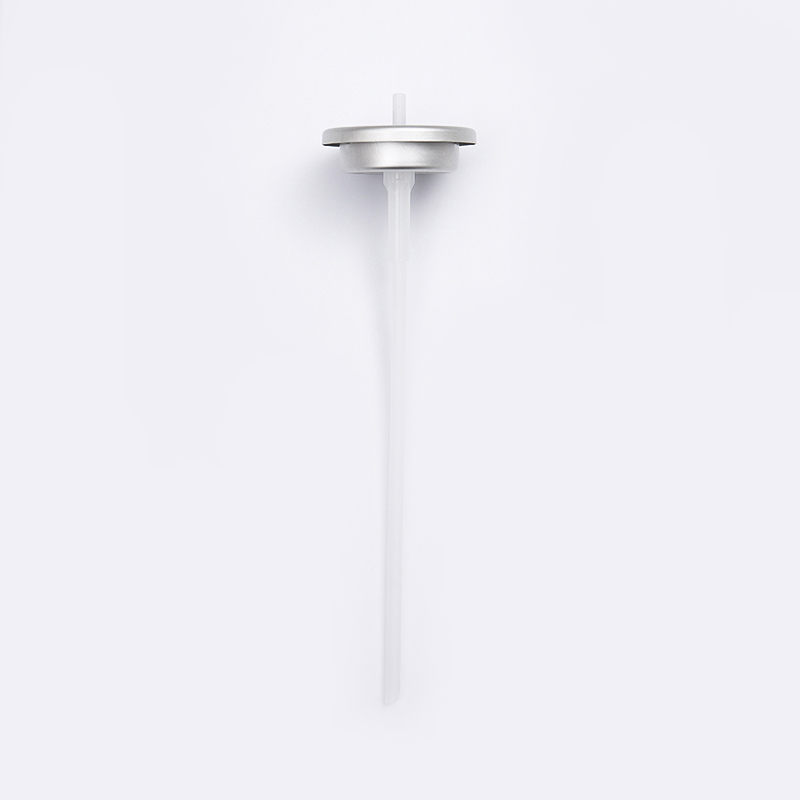
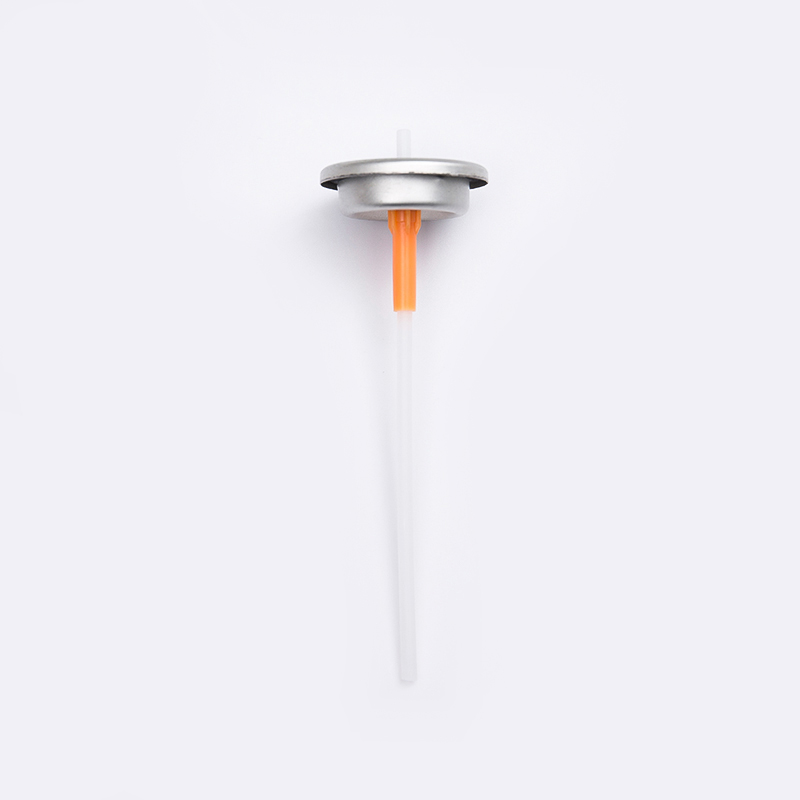
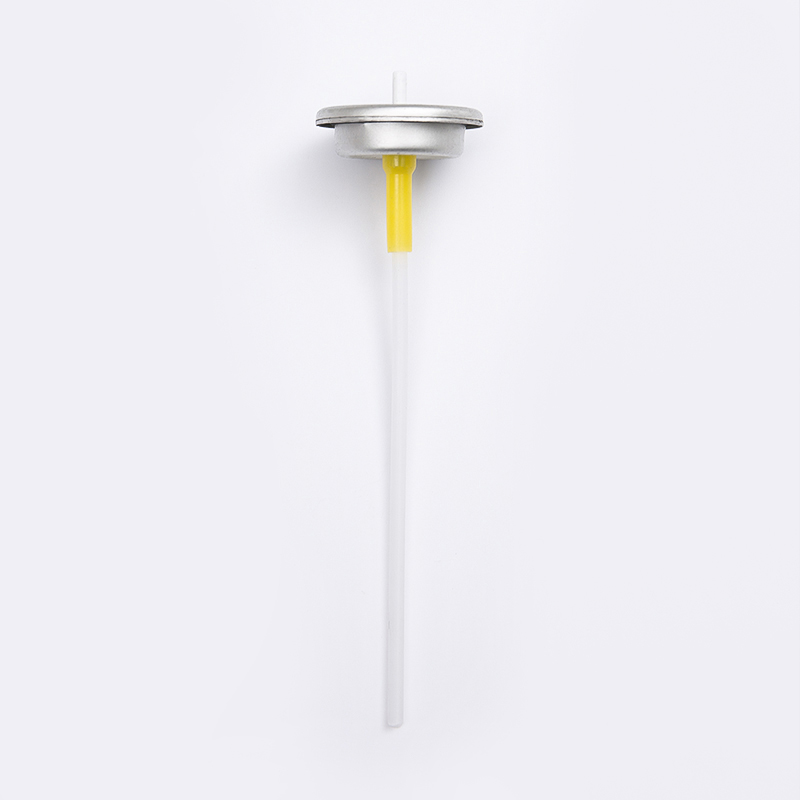
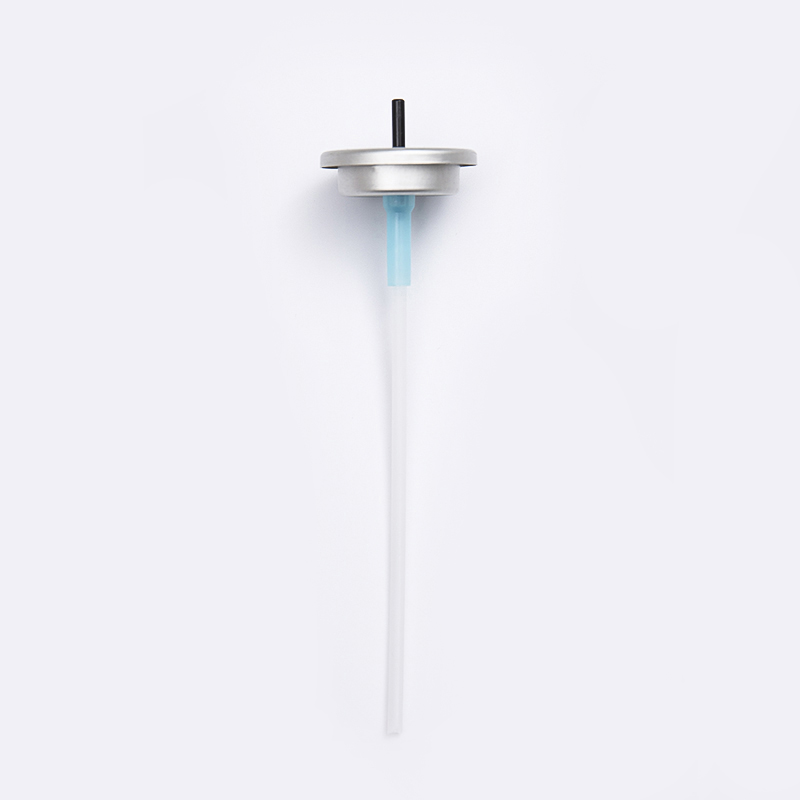
Single-shot output is a property of the valve, not the nozzle. On a 1-inch cup with a 2.80 mm stem, metered valves are normally built around 25, 75, 100, 120, 150 or 200 mcl, with plastic or metal stems and aluminum or tinplate cups. The 20 mm series covers roughly 35 to 200 mcl for 20 mm aluminum cans.
If a can delivers about 60 mcl against a 100 mcl specification, that is not drift, that is the wrong model on the line. Read the stem code on the valve and the dose code on the bill of materials before you blame wear.
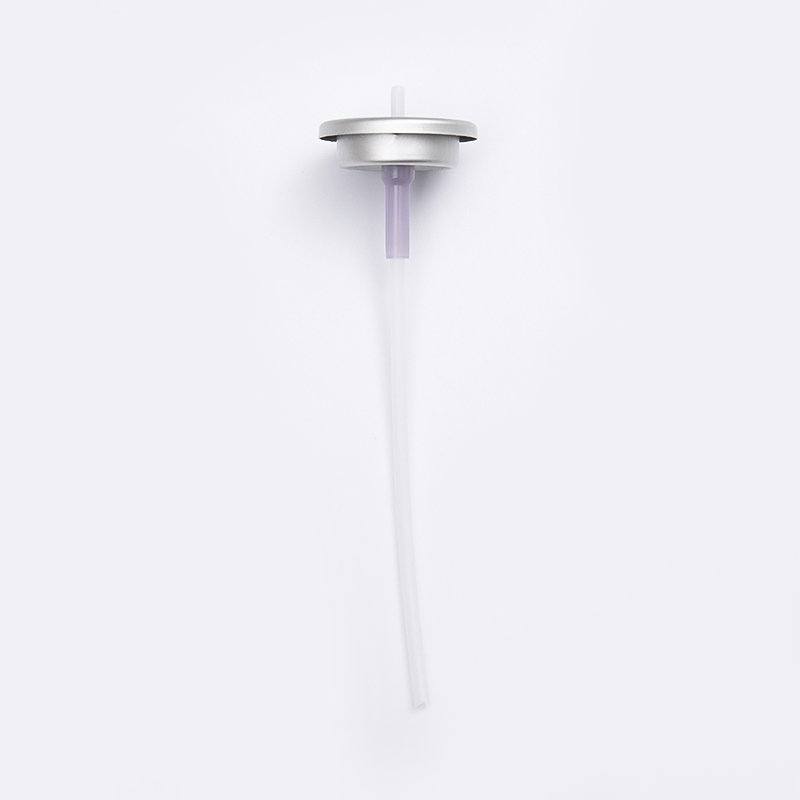
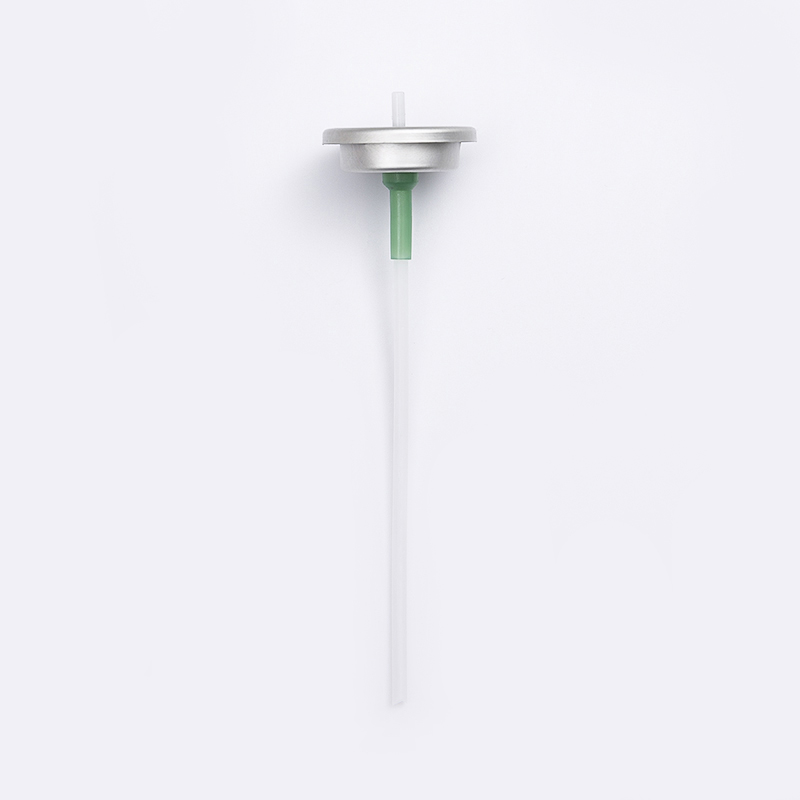
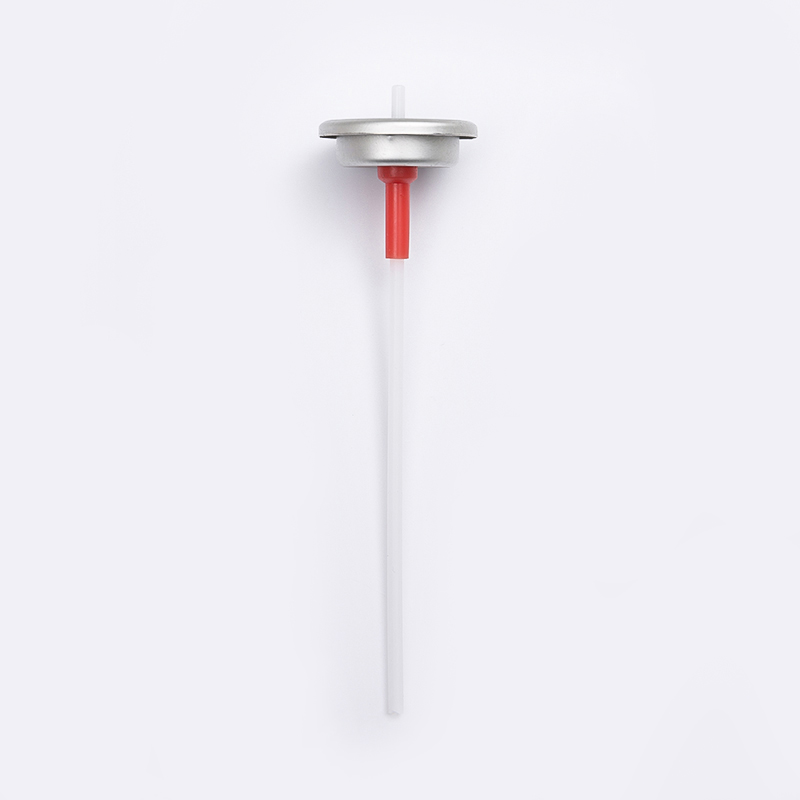
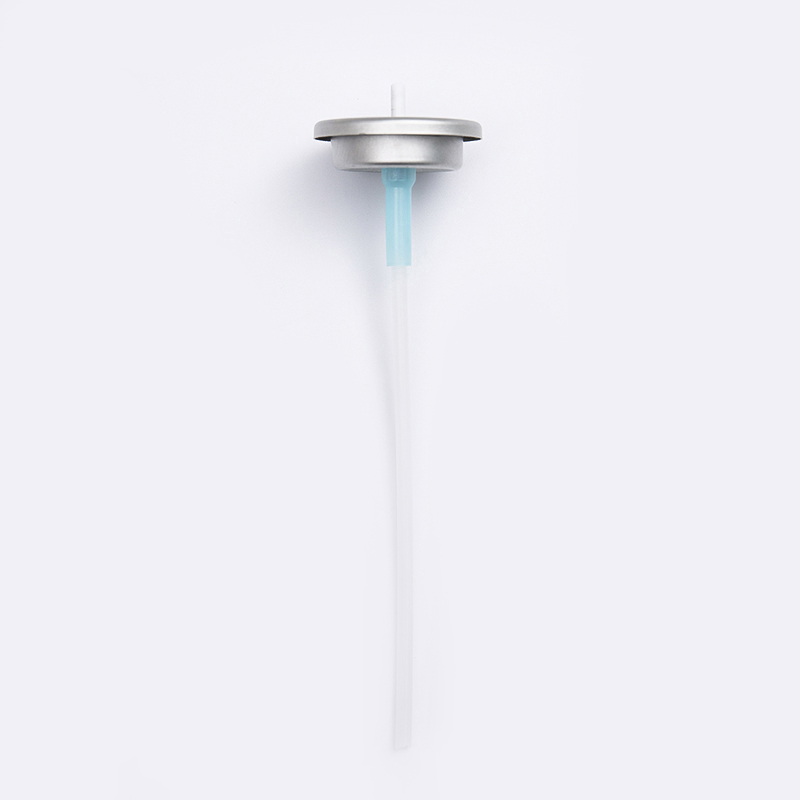
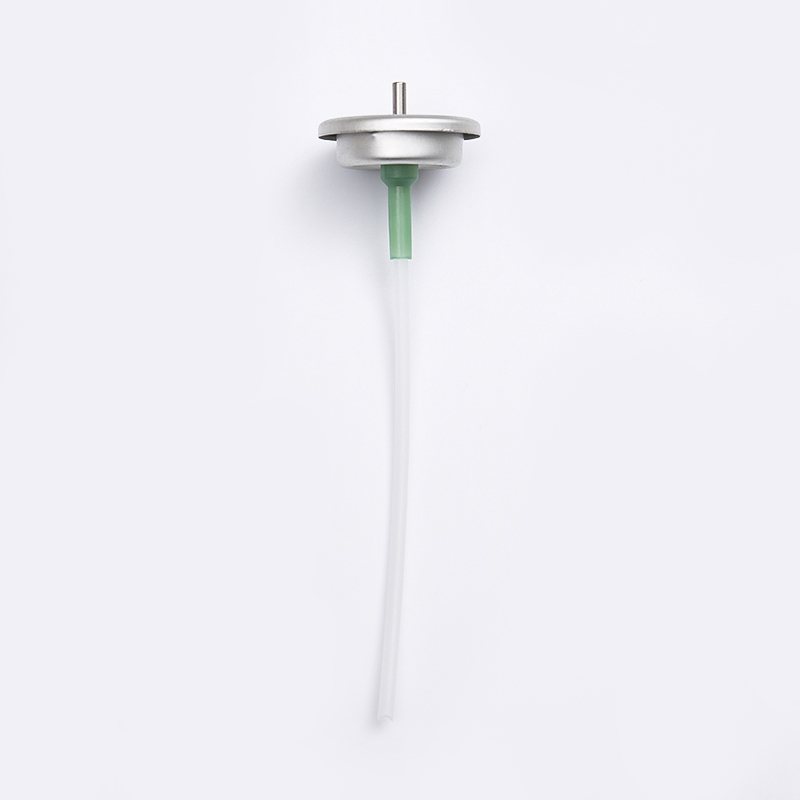
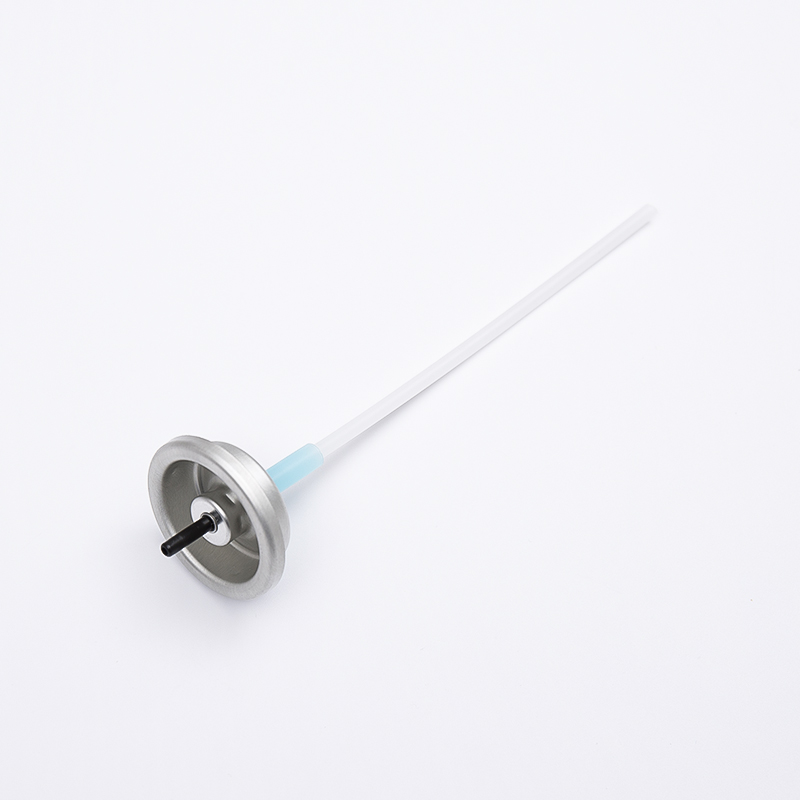 D1S2.8 100mcl Metered Dose Valve with Plastic/Metal StemProvides accurate 100mcl dosage control with a one-inch metered dose valve, helping avoid wrong-model dose errors and maintaining stable output.View Product →
Actuator and Orifice: Where Most Complaints Actually Live
Orifice diameter is the strongest single lever on flow rate and spray angle, and it is also the part most likely to collect dried concentrate between uses. A partly blocked orifice rarely stops the spray; it changes the pattern first, going from a wide cone to spitting and then to a slow drip down the side of the can.
Clean by soaking the actuator in warm water or isopropyl alcohol, then blow it through with dry air. Avoid pushing a hardened pin through the orifice: a scratch of a few microns permanently shifts the pattern, and the tool that "fixed" the nozzle becomes the reason the next batch mists unevenly. If the same actuator clogs twice, replace it.
Actuator family also shapes what the user feels. L-shaped actuators dominate air fresheners, insecticides and car fresheners, circular C-series parts serve perfume and nasal applications, and LE-series nozzles are built for fire extinguisher valves. When the complaint is about reach rather than volume, the fix is usually the family, not the valve. Our technical note on how orifice size changes spray angle and flow walks through the geometry.
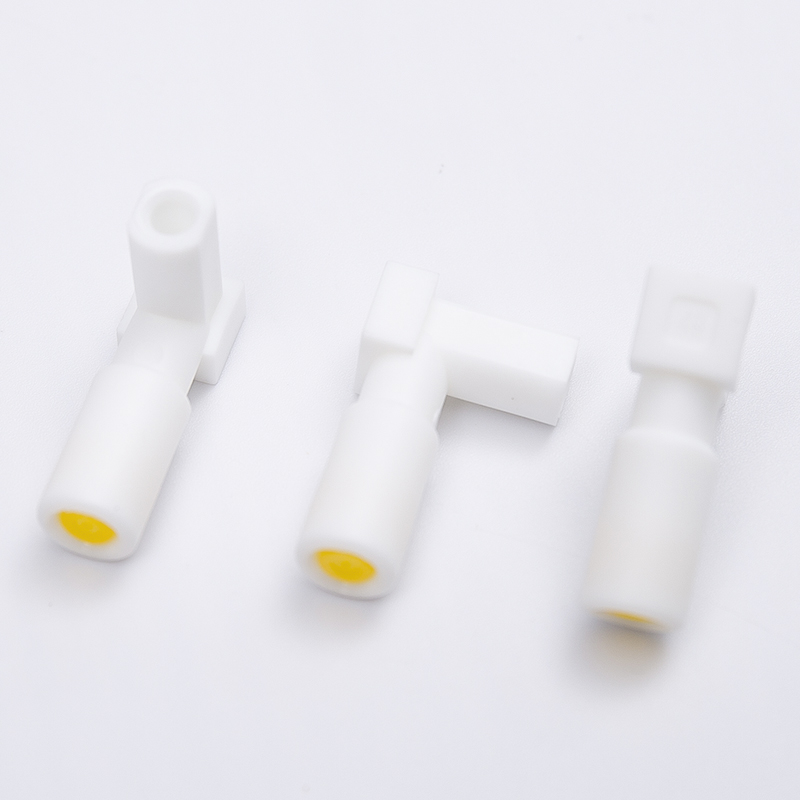 L-002 L-Shaped Aerosol Actuator for Air FreshenersL-shaped actuator for air fresheners, producing fine droplets and flexible spray direction; a common choice for reaching corners and gaps in home or car use.View Product →
Leaks and Seal Swell: The Compatibility Question
A can that leaks after a week is usually a chemistry problem, not an assembly problem. The gasket has to survive continuous contact with concentrate, propellant and any co-solvent, and different elastomers fail in different ways.
- Nitrile (Buna-N): reliable with hydrocarbon propellants and oils, moderate with alcohols.
- EPDM: excellent for water-based formulas, but swells in many hydrocarbon systems.
- Neoprene: useful solvent resistance for older formulations and general-purpose work.
- DME, acetone and aggressive solvents: require explicit approval of both gasket and stem seal.
Seal swell does not always end in a visible leak. It can simply close the metering chamber, so the first symptom is a dose that drops across shelf life rather than a wet carton. When formula and propellant must stay completely separated, a bag-on-valve construction removes the contact question altogether: the product sits in a bag, the propellant stays outside it, and the valve only has to seal against the propellant.
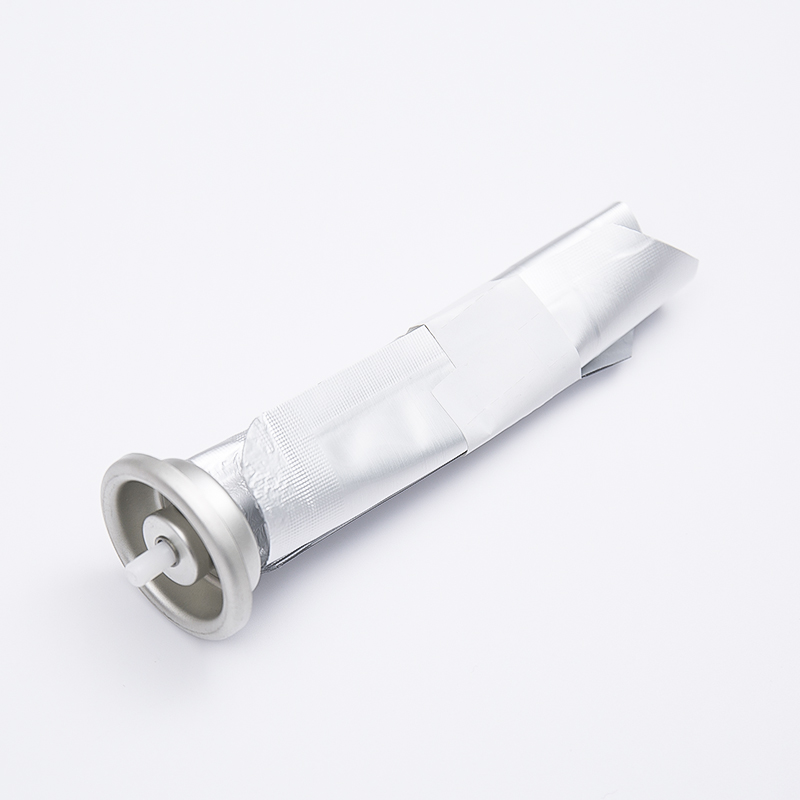 BOV-S4.00 Bag-on-Valve Aerosol Valve AssemblyBag-on-valve assembly for aluminium cans that keeps formula and propellant separate, reducing seal swell risks; tinplate cup adds firmness and anti-rust protection.View Product →
A Sampling Routine That Catches Drift Before Customers Do
Most troubleshooting happens after a complaint. A short routine at the filling line catches the same faults while they are still a statistic.
- Weigh ten consecutive shots per can and record both the average and the spread.
- Log temperature with every reading. Propellant vapour pressure rises with temperature, so a warm afternoon can look like a dose shift.
- Check spray-out rate and residual product; a slow finish often means the dip tube or vapour tap is restricted.
- Run the hot water bath at the temperature your process sheet specifies, commonly 50 to 55 °C, and watch the crimp for bubbles instead of wiping the can dry.
- Keep one approved reference can and reweigh it whenever a new valve batch arrives.
When the Fault Sits on the Filling Line, Not in the Valve
Valves that perform on one line and fail on another are usually reporting on the line. Three conditions explain most of those cases.
- Crimp geometry. Depth or diameter outside specification either crushes the gasket or leaves the seal loose; both mimic a bad valve.
- Gassing method and pressure. Under-the-cap and through-the-valve filling stress the stem seal differently, and an over-pressurized can weeps long before a correctly filled one does.
- Storage and handling. Dust, humidity and long open exposure before crimping introduce the debris that clogs orifices weeks later.
A quick isolation test: run the same valve batch on two lines with the same concentrate. If the fault follows the batch, the valve is the suspect. If it stays with the line, the valve is clean and the crimp or fill settings need attention.
FAQ
Q1: What is the most common reason a metered valve delivers less than its rated dose?
A partially blocked actuator orifice, followed by seal swell inside the metering chamber. Weigh ten shots first: a low, stable average points to the orifice or the valve model, while a wide spread points to the gasket and the fill.
Q2: Can a leaking valve be repaired in the field?
No. A crimp or gasket failure is a permanent seal failure, so the can has to leave circulation. The only field-replaceable component on a metered aerosol package is the actuator.
Q3: Why does my nozzle clog after only a few uses?
Dried concentrate in the orifice, solids in the formulation, or a solvent blend that evaporates faster than the rest of the product. Soak the actuator in warm water or alcohol, and replace it if the clog returns.
Q4: How do I know whether the valve or the filling line is at fault?
Move the valve batch to a second line. A fault that follows the batch belongs to the valve; a fault that stays on the line belongs to the crimp, the gassing setup or the environment.
Q5: What should I send a supplier when I raise a valve complaint?
The model and stem code, dose specification, cup and stem material, concentrate and propellant, filling pressure, ambient temperature, weighed shot data and photographs of the crimp. That set usually identifies the cause in one reply instead of three.
Still Stuck on a Fault That Survives All Five Checks?
Send us the symptom, the can details and your weighed shot data. We have been building metered valves in Shanghai since 2002, running 10 one-inch and 4 twenty-millimeter automatic valve lines alongside fixed-cap assembly, and our engineers can tell you whether the answer is a different stem, a different gasket compound or a crimp adjustment on your line.
Browse the full metered aerosol valve range, including 1-inch and 20 mm valves, fire extinguisher valves, bag-on-valve, actuators and covers, and send an inquiry with your sample so we can match the component to the fault.