English
 中文简体
 Español
 عربى

Aerosol overcaps are the outermost protective component in an aerosol package, and their quality directly affects product safety, shelf stability, and brand perception. A cracked overcap during shipping, a cap that pops off in a hot car, or a cap that binds on the actuator can all lead to returns, safety incidents, and damage to your brand. The overcap is not a plastic part to be chosen at the end of development - it is a functional component that must be matched to the complete aerosol valve system, the chemical formula, and the distribution environment.
This guide covers the overcap types, material options, seal integrity requirements, sizing considerations, and regulatory factors that will help you make a confident sourcing decision.
Types of Aerosol Overcaps
The most common types are snap-on caps, child-resistant caps, tamper-evident caps, and specialized function caps. Each type addresses a different set of packaging risks.
Snap-on overcaps press directly onto the valve mounting cup. They are the default choice for air fresheners, deodorants, and household sprays where accidental activation is less likely. They are cost-effective, available in any color, and allow rapid application on high-speed filling lines.
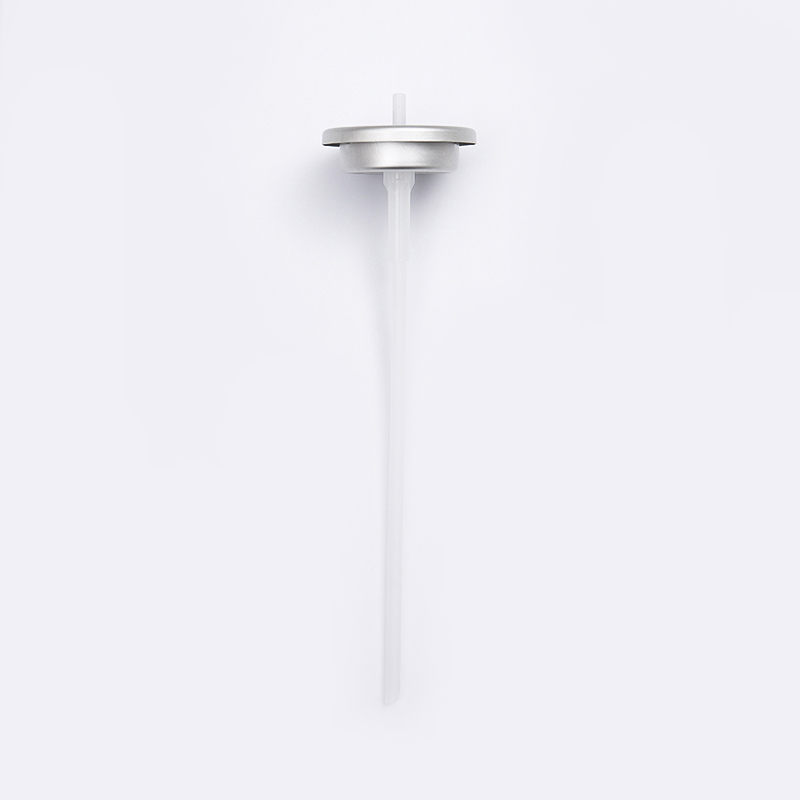
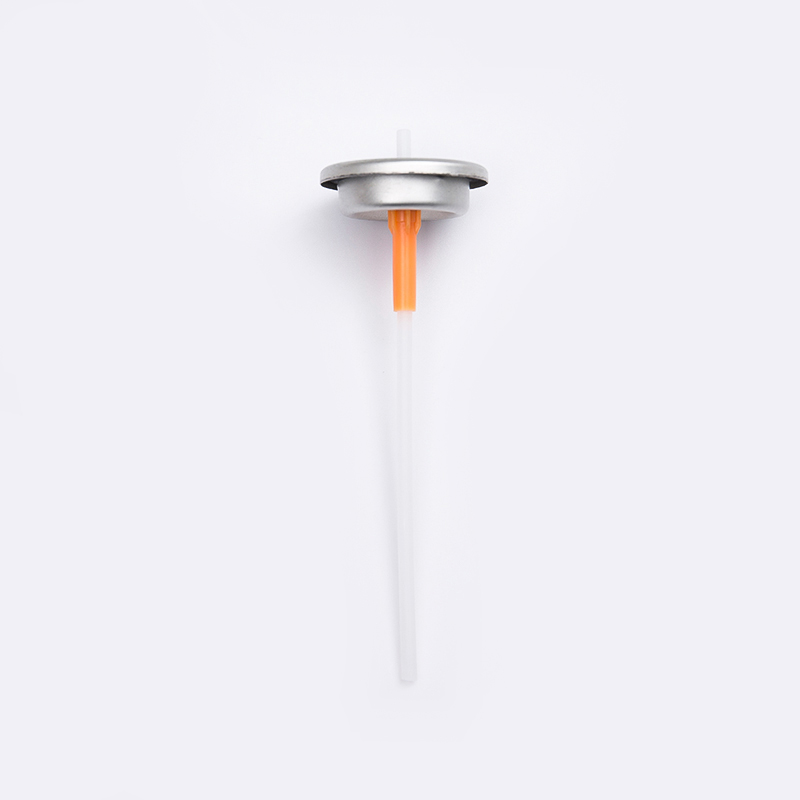
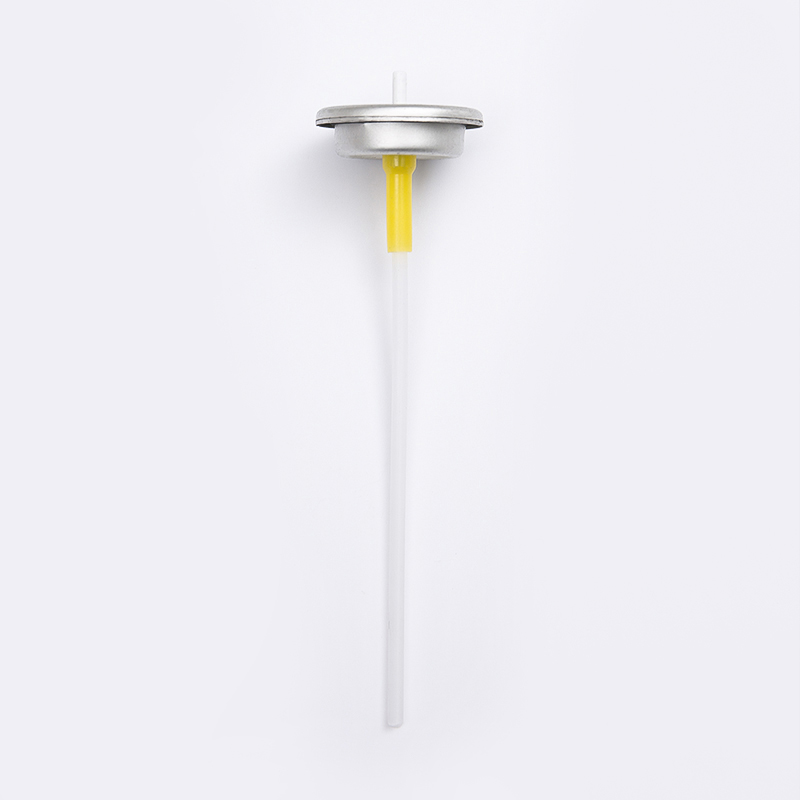
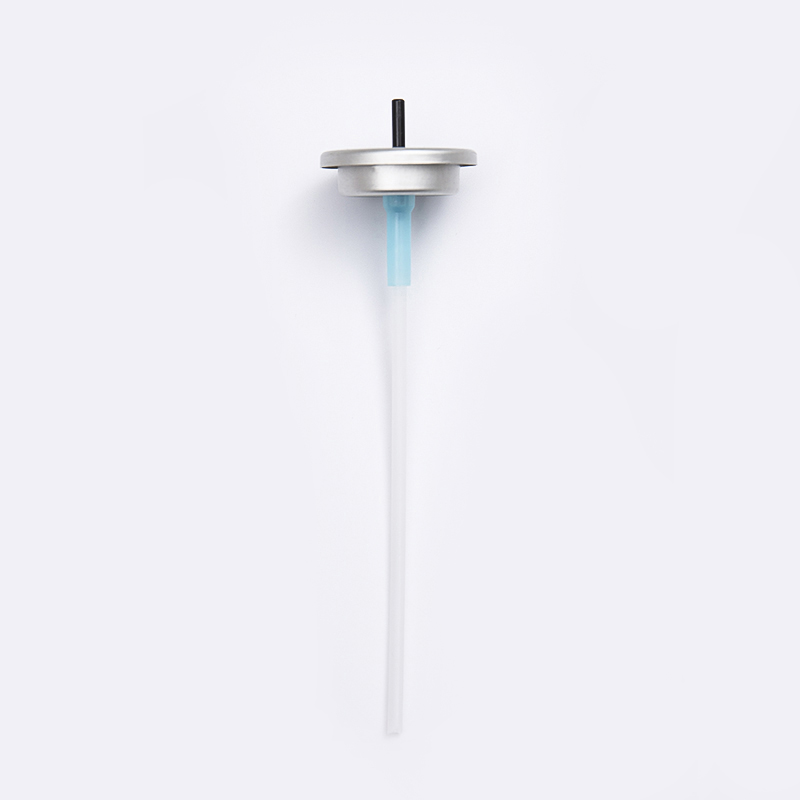
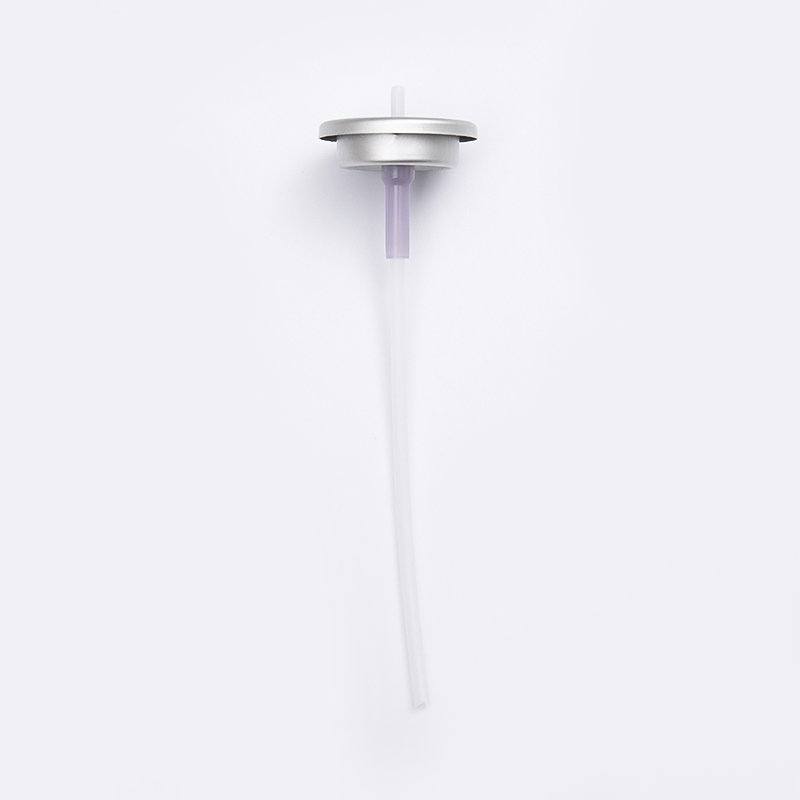
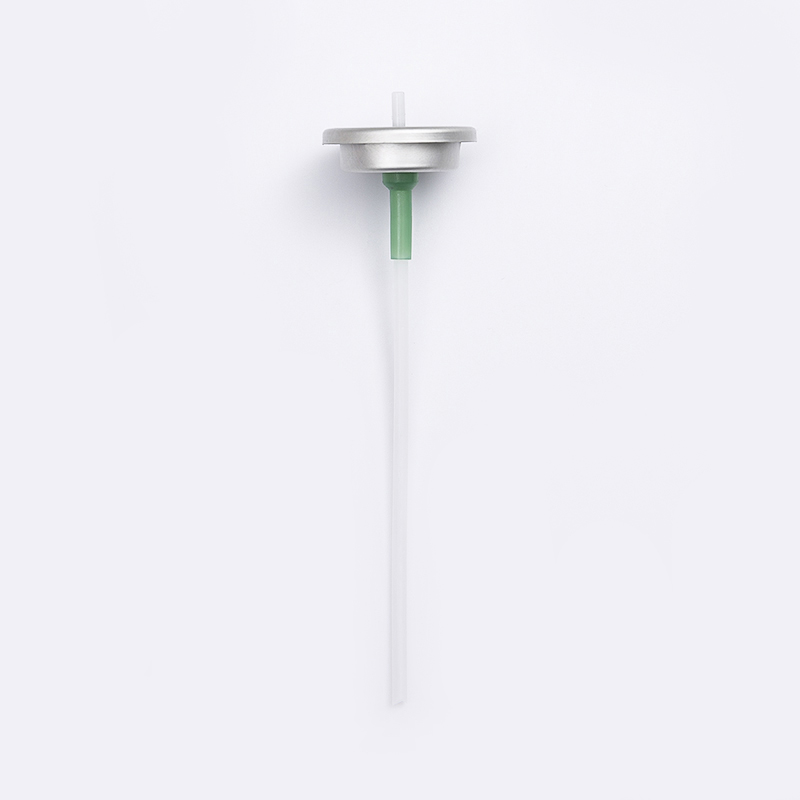
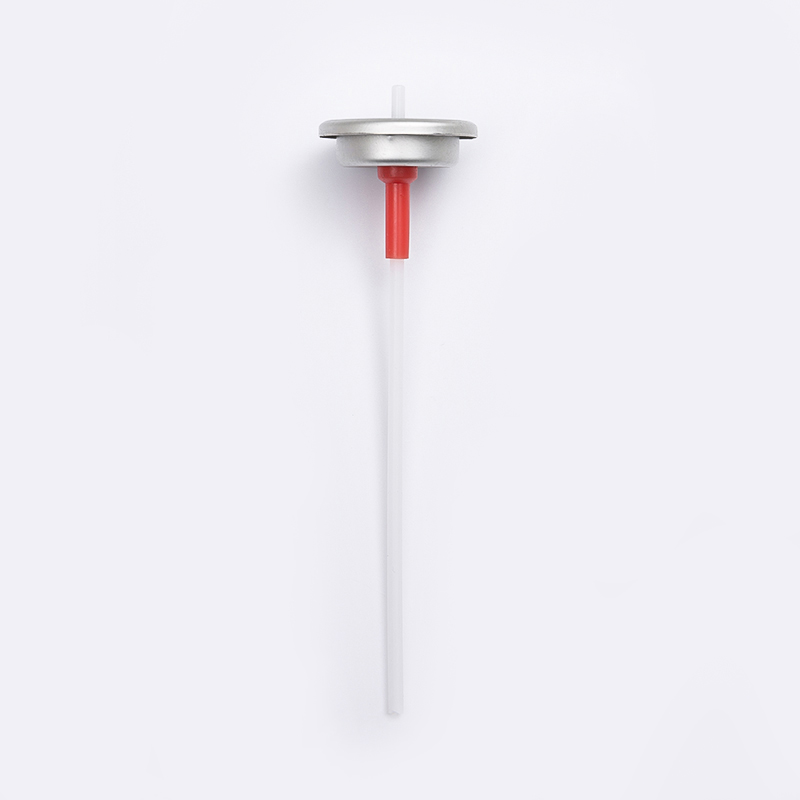
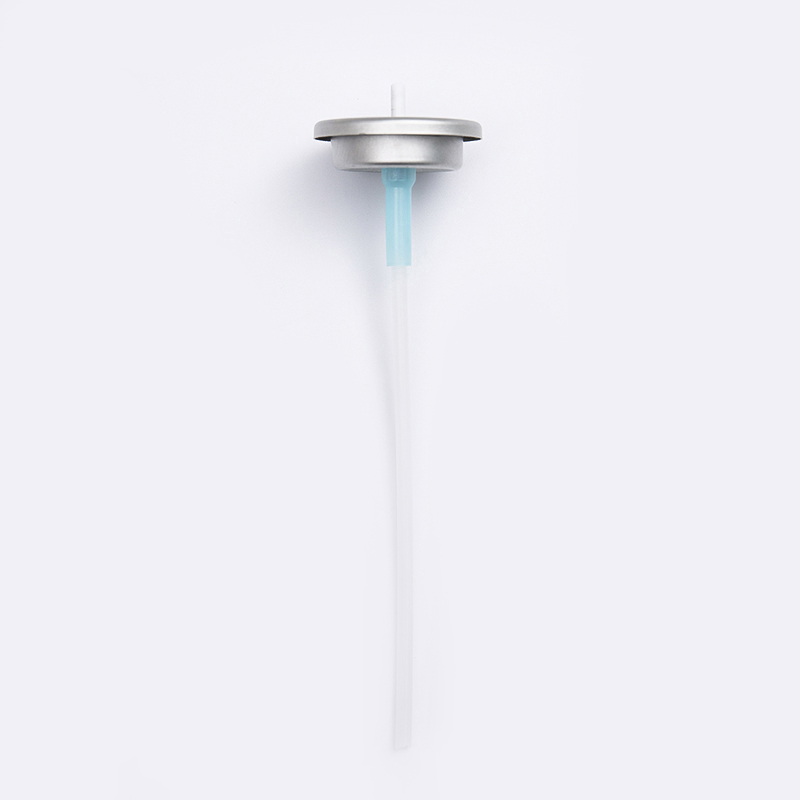
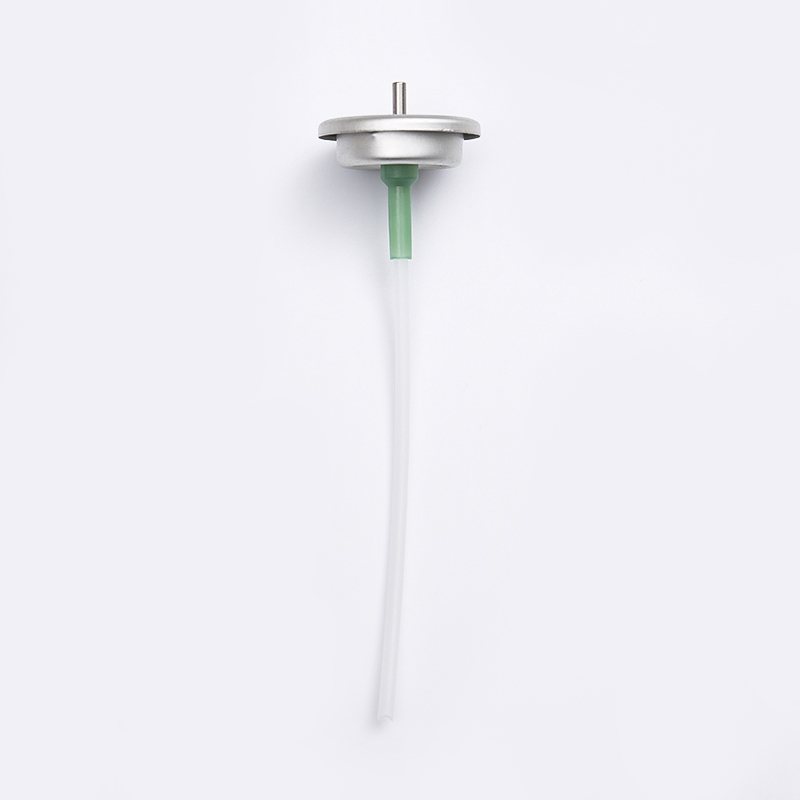
aerosol can valve spray cap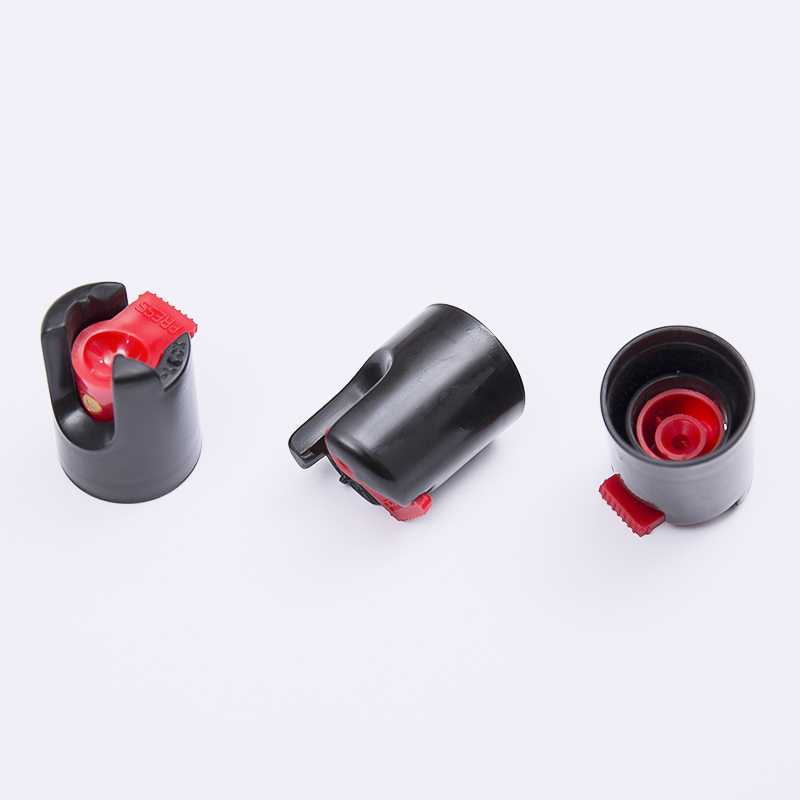 Aerosol Can Valve Spray Cap for Standard CansDesigned for standard aerosol cans, this cap provides a compact valve system that delivers uniform mist and prevents drips. It complements snap-on overcaps commonly used for household sprays, ensuring reliable performance and cleanliness.View Product →
Child-resistant overcaps require a secondary action, usually a push-and-turn or squeeze-and-turn motion, to release the actuator. They are necessary for products containing chemicals that could harm children, and they are increasingly used for self-defense sprays and certain pharmaceutical aerosols.
Tamper-evident overcaps incorporate a ring, bridge, or tear band that breaks when the cap is first removed. This gives consumers confidence that the product has not been opened before purchase. Food-grade and high-value personal care sprays benefit most from this type.
Specialized overcaps do more than cover: a fire extinguisher overcap often serves as the operating handle, while a self-defense spray cover integrates with the actuator to enable fast activation under stress. In these cases, the overcap must be engineered together with the valve and actuator, not purchased separately from a generic catalog.
| Type | Primary Material | Key Benefit | Typical Application |
|---|---|---|---|
| Snap-on | PP | Cost-effective protection | Air fresheners, deodorants |
| Child-resistant | PP/HDPE | Safety compliance | Household chemicals |
| Tamper-evident | PP/Aluminum | Consumer confidence | Food-grade, personal care |
| Specialized | PP/PE | Function integration | Fire safety, self-defense |
Material Selection for Aerosol Overcaps
Material choice determines the overcap's chemical resistance, impact strength, molding accuracy, and final cost. The industry standard is polypropylene (PP), which offers a strong balance of stiffness, chemical resilience, and processability. HDPE is a better option when the packaging may be exposed to cold temperatures or when the cap needs higher impact strength for child-resistant mechanisms. LDPE is softer and more flexible, which improves grip but reduces rigidity under stacking pressure.
Chemical compatibility is a common failure point. Strong solvents, essential oils, and certain fragrance ingredients can cause environmental stress cracking in some polyolefins. Some brands discover this only after a shelf-life test, when cracked overcaps appear on retail shelves. Always ask your supplier for plastic-to-formula compatibility data or run a 30-day soak test with your actual stock solution.
Recycled content is part of modern sourcing decisions. Post-consumer resin (PCR) reduces the carbon footprint, but high PCR percentages can affect color consistency and mechanical strength. If your brand requires recycled material, specify the PCR percentage and request batch-level material certifications.
Seal Integrity and Dimensional Accuracy
Seal integrity determines whether your product remains functional on the shelf. A gap of even 0.1mm between the overcap and the valve mounting cup can allow propellant to escape, leaving the consumer with a spray that only sputters.
The tolerance chain begins with the overcap's inside diameter and the mounting cup's outside diameter. The 1-inch valve (25.4mm cup) gives relatively generous fit allowances, while 20mm valves on aluminum cans are less forgiving. The overcap must sit firmly enough to resist vibration in transit, but loosely enough to be removed without tearing.
Actuation force consistency is equally important. An overcap that applies uneven pressure on the actuator will cause variations in spray rate and pattern. This matters especially for metered-dose valves, where each spray must deliver the same amount of product.
Drop test resistance and temperature stability are two lab tests worth running before any purchase. A 1m drop onto hard flooring should not split or dislodge the cap, and the cap should maintain a secure fit from -20°C to 60°C - which covers most warehouse, transport, and in-car scenarios.
For fire safety applications, the overcap becomes a functional handle. It needs structural rigidity and a non-slip grip, since the user may operate it under stress. This is why a fire extinguisher actuator handle cap must be designed in parallel with the fire extinguisher valve, not as a separate commodity part.
fire extinguisher actuator handle cap Fire Extinguisher Actuator Handle with Aerosol CapThis portable handle combines a durable engineering plastic grip with a snap-on design for secure attachment. Its ergonomic shape aids operation under stress, making it suitable for fire safety applications where quick, reliable actuation is critical.View Product →
Sizing and Can Compatibility
The overcap must match the can and valve system perfectly. Common valve formats are 1-inch and 20mm, which are used on a range of can diameters from 35mm to 65mm. You cannot mix a 20mm valve overcap with a 1-inch valve - the differences in mounting cup geometry are enough to cause misalignment.
Overcap sizing also needs to account for the actuator and its spray direction. A tall actuator with a wide spray angle needs a taller and wider internal cavity. If the overcap limits the spray plume, the product will build uneven pressure and produce inconsistent results.
Filling line integration is a practical consideration. Most filling operations apply overcaps in a high-speed capping station. The cap must accept standard snap-on or push-on action without manual intervention. A custom overcap that requires two-step assembly will slow down your line.
Inventory management also benefits from standardization. Rather than ordering a unique overcap for every SKU, select a few standardized diameters that fit multiple can sizes. This reduces inventory holding costs, shortens lead times, and simplifies supplier qualification.
Regulatory Considerations
Regulatory compliance shapes the material and design of aerosol overcaps, especially for products sold in the EU and North America. In the United States, the FDA regulates food-contact packaging. If your spray is used on food or comes into contact with food preparation surfaces, the overcap polymer must meet FDA 21 CFR requirements. In the EU, REACH governs substances in packaging, including colorants, additives, and UV stabilizers.
RoHS is rarely relevant to aerosol packaging, but if your product is an industrial cleaner that might be used on electronic equipment, VOC limitations may still apply. The overcap material itself should not introduce volatile compounds that alter the product formula or create an off-odor.
For self-defense sprays and fire safety products, additional standards apply to actuation force, child resistance, and tamper-evidence. A supplier with experience in these regulated categories will understand test requirements and documentation, helping you avoid certification delays.
How to Choose the Right Overcap
Selecting the right overcap follows a sequence: know your actuator, define the safety function, choose the material, check dimensions, test, and evaluate the supplier.
- Define the actuator geometry and the intended spray pattern.
- Determine if the product needs child resistance, tamper evidence, or a non-spill feature.
- Select the polymer that matches the chemical exposure, temperature range, and impact requirements.
- Verify dimensions against both the valve mounting cup and can neck finish. Request tolerance drawings.
- Test with your own product - fill a batch, run high/low temperature cycles, drop test, and simulate shipping vibration.
- Evaluate the supplier's injection molding capability, quality control, and experience with similar applications.
When comparing suppliers, the key question is whether they understand the complete valve system. A supplier that only molds caps may not catch a subtle interference with the actuator. A supplier that designs and manufactures the valve, actuator, and overcap together can flag issues before they become expensive packaging defects.
For safety-critical applications like self-defense products, the difference becomes even more visible. A self-defense spray actuator cover must release cleanly under stress, allow rapid use, and prevent accidental discharge in a pocket or purse - all while maintaining dimensional consistency across production batches.
self-defense spray actuator cover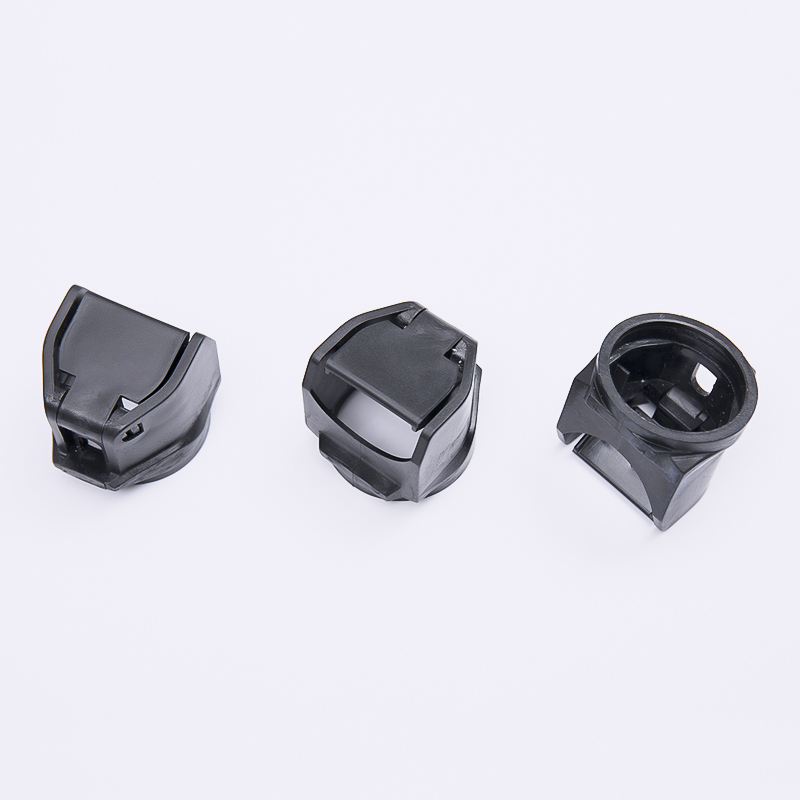 Black Actuator Cover for 1-inch Pepper SprayThis black cover fits the 1-inch pepper spray actuator, providing a tight seal that prevents leakage and accidental discharge. Its corrosion-resistant material and smooth surface ensure rapid, safe use in self-defense situations.View Product →
The same principles apply whether you are sourcing the valve or the overcap. I recommend reading this guide on how to evaluate an aerosol valve manufacturer before you start vendor negotiations.
Frequently Asked Questions
Q1: Are aerosol overcaps custom-moldable with my brand colors?
Yes. Overcaps are typically injection-molded, so colorants can be added directly to the resin, or the finished part can be painted. Custom shapes for grip, venting, and branding are possible with dedicated tooling. Budget for 4-8 weeks of tooling lead time and a one-time tooling fee.
Q2: What is the difference between an aerosol overcap and a flip-top cap?
A flip-top cap stays hinged on the can for one-handed dispensing. An overcap is fully removed before use and provides more complete protection during shipping and storage. Flip-tops are usually for high-frequency operation, while overcaps are used when maximum protection and shelf integrity matter most.
Q3: How do I know which overcap size fits my aerosol can?
Measure the valve mounting cup diameter (normally 1 inch or 20mm) and the can diameter. The overcap's inside diameter must match the cup, and the internal cavity must clear the actuator. Ask your valve supplier for a dimensional drawing - if they cannot provide one, treat it as a red flag.
Aerosol overcaps are not a commodity. The right cap protects your product, satisfies regulations, and supports your brand. Start with the application, validate the material and dimensions, and work with a supplier who understands the valve system as a whole. That approach leads to fewer defects, smoother filling operations, and consumers who trust your product.