English
 中文简体
中文简体 Español
 عربى
عربى
Understanding the L-Shaped Actuator Design for Industrial Lubricants
Industrial lubricants require specialized dispensing mechanisms that can handle high-viscosity formulations while maintaining precise application control. The Plastic PP/PE L Shaped Actuator represents a significant advancement in aerosol valve technology, offering unique geometric advantages that traditional straight actuators cannot match. This specialized component serves as the critical interface between the pressurized lubricant container and the target application surface.
The L-shaped configuration derives its name from the distinctive 90-degree angle incorporated into the actuator body. This angular design fundamentally changes how the lubricant flows from the valve stem through the actuator orifice, creating directional spray patterns that are particularly valuable in industrial maintenance scenarios. Unlike conventional vertical actuators that dispense product in a straight downward trajectory, the L-shaped variant enables horizontal or angled application, allowing technicians to access tight spaces and complex machinery configurations with greater ease.
Structural Composition and Material Selection
The construction of L-shaped actuators for industrial lubricants relies heavily on thermoplastic materials, specifically polypropylene (PP) and polyethylene (PE). These polymers offer exceptional chemical resistance properties that are essential when handling petroleum-based lubricants, synthetic oils, and industrial-grade greases. Polypropylene demonstrates excellent resistance to acids, strong alkalis, and various organic solvents commonly found in industrial formulations, with a practical temperature range spanning from -4°F to 195°F. Polyethylene provides additional benefits including outstanding impact resistance even at low temperatures and complete recyclability through both mechanical and chemical processes.
The material selection process for these actuators involves careful consideration of the specific lubricant chemistry. Industrial lubricants often contain aggressive additives, extreme pressure agents, and corrosion inhibitors that could degrade inferior materials. PP and PE formulations resist swelling, cracking, and permeation that might otherwise compromise valve integrity. This chemical compatibility ensures that the actuator maintains its dimensional stability throughout the product lifecycle, preventing leakage and ensuring consistent performance.
Specific Advantages in Industrial Lubricant Applications
Enhanced Accessibility and Application Flexibility
One of the primary advantages of the L-shaped actuator design lies in its ability to navigate confined industrial environments. Manufacturing equipment, automotive assemblies, and heavy machinery often feature complex geometries with limited access points. The angular configuration of the L-shaped actuator allows maintenance personnel to direct lubricant spray into recessed bearings, hidden pivot points, and narrow channels that would be inaccessible with standard vertical actuators. This accessibility translates to reduced maintenance time and improved equipment reliability.
The ergonomic benefits extend beyond simple access. When servicing overhead equipment or vertical surfaces, the L-shaped design enables natural hand positioning that reduces wrist strain and improves control precision. Technicians can maintain comfortable grip positions while directing the spray exactly where needed, rather than contorting their hands or arms to accommodate the canister orientation. This ergonomic advantage becomes particularly significant during extended maintenance operations where repetitive spraying motions are required.
Directional Spray Control and Pattern Optimization
The L-shaped geometry fundamentally influences spray pattern characteristics, offering distinct advantages for industrial lubricant application. The internal flow path created by the 90-degree bend generates controlled turbulence that can actually improve atomization for certain viscosity ranges. This controlled disruption of laminar flow helps break up thicker lubricant formulations into more manageable droplet sizes, typically ranging from 80 to 150 micrometers for coarse spray applications suitable for industrial lubricants.
The actuator orifice design works in conjunction with the L-shaped body to produce targeted spray patterns. For industrial lubricants, the preferred output typically manifests as a directed stream or controlled fan spray rather than a fine mist. The L-shaped configuration facilitates these pattern types by channeling the pressurized product through a carefully engineered exit port that maintains consistent flow characteristics even when the canister is held at various angles. This angular independence proves valuable in field applications where perfect vertical orientation cannot always be maintained.
Chemical Resistance and Material Compatibility
Industrial lubricants present unique chemical compatibility challenges that PP and PE materials address effectively. Petroleum-based lubricants, synthetic esters, polyalphaolefins, and silicone formulations each present different chemical interaction profiles. Polypropylene offers broad-spectrum resistance to aliphatic hydrocarbons, which form the base of many industrial oils, while maintaining structural integrity when exposed to common lubricant additives.
The resistance characteristics extend to the elevated temperatures often encountered in industrial environments. Machinery operating at high speeds or under heavy loads generates heat that can transfer to nearby lubrication points. PP and PE materials maintain their mechanical properties within the temperature ranges typical of industrial applications, preventing deformation that could compromise seal integrity or spray accuracy. This thermal stability ensures consistent actuation force requirements throughout the product lifecycle, maintaining the user experience from first use to final application.
Metered Dosing Capabilities for Precision Maintenance
When integrated with metered valve systems, L-shaped actuators enable precise dosing of industrial lubricants that proves essential for optimal equipment maintenance. Metered valves deliver fixed quantities of product with each actuation, typically ranging from 25 to 100 microliters per spray. This precision prevents over-lubrication, which can attract contaminants and create hazardous slip conditions, while ensuring adequate protection against wear and friction.
The combination of metered dosing with L-shaped directional control creates a powerful maintenance tool. Technicians can apply exact quantities of lubricant to specific points without waste or environmental contamination. This precision proves particularly valuable for high-value equipment where excess lubricant could damage sensitive electronic components or create cleanup burdens. The metered approach also extends product longevity, reducing the frequency of canister replacement and minimizing inventory requirements.
B2B Procurement Considerations for Industrial Buyers
Supply Chain Reliability and Quality Assurance
Procurement professionals responsible for industrial maintenance supplies must evaluate actuator suppliers based on consistent quality metrics and reliable delivery schedules. The manufacturing of Plastic PP/PE L Shaped Actuators requires precision molding capabilities and rigorous quality control protocols. Industrial buyers should seek suppliers demonstrating ISO 9001 certification and documented material traceability for all polymer components. These quality systems ensure that each actuator batch maintains consistent dimensional tolerances, chemical resistance properties, and mechanical performance characteristics.
Volume procurement agreements for industrial applications typically involve minimum order quantities ranging from 50,000 to 100,000 units for custom configurations. Buyers should evaluate total cost of ownership rather than unit price alone, considering factors such as defect rates, field failure history, and warranty claim frequencies. Premium actuator suppliers provide batch testing documentation, material certification reports, and compatibility verification for specific lubricant formulations. These documentation packages prove essential for industries subject to regulatory oversight or internal quality audit requirements.
Customization Options and Application-Specific Configurations
Industrial lubricant applications vary significantly across manufacturing sectors, requiring actuator customization to achieve optimal performance. The L-shaped actuator platform accommodates various modifications including orifice diameter adjustments, spray angle variations, and actuator length modifications. Orifice diameters typically range from 0.3mm to 1.2mm depending on the lubricant viscosity and desired flow rate. Higher viscosity formulations require larger orifices to prevent clogging and ensure consistent dispensing.
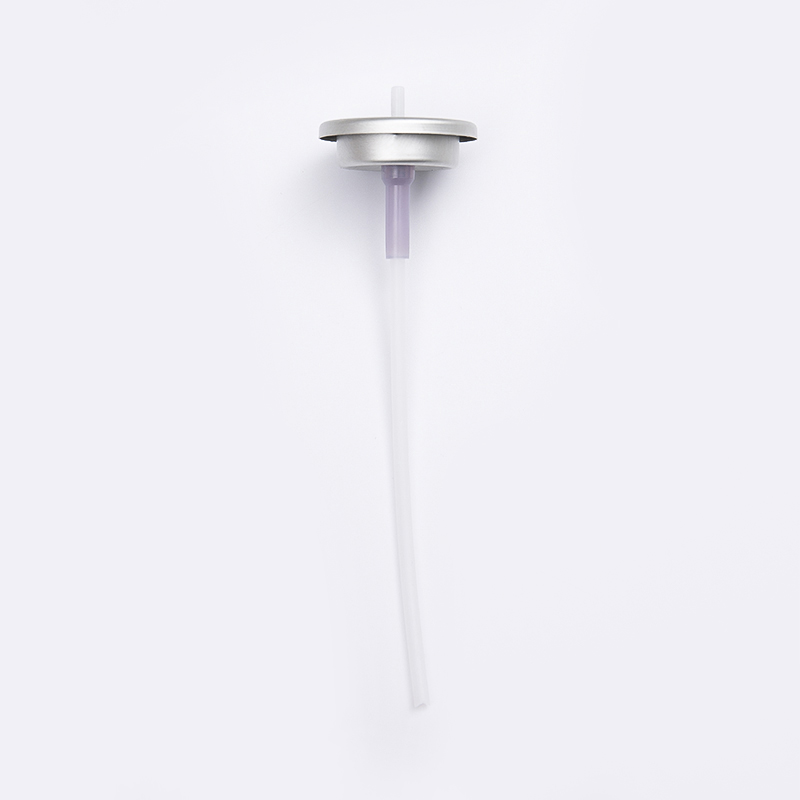
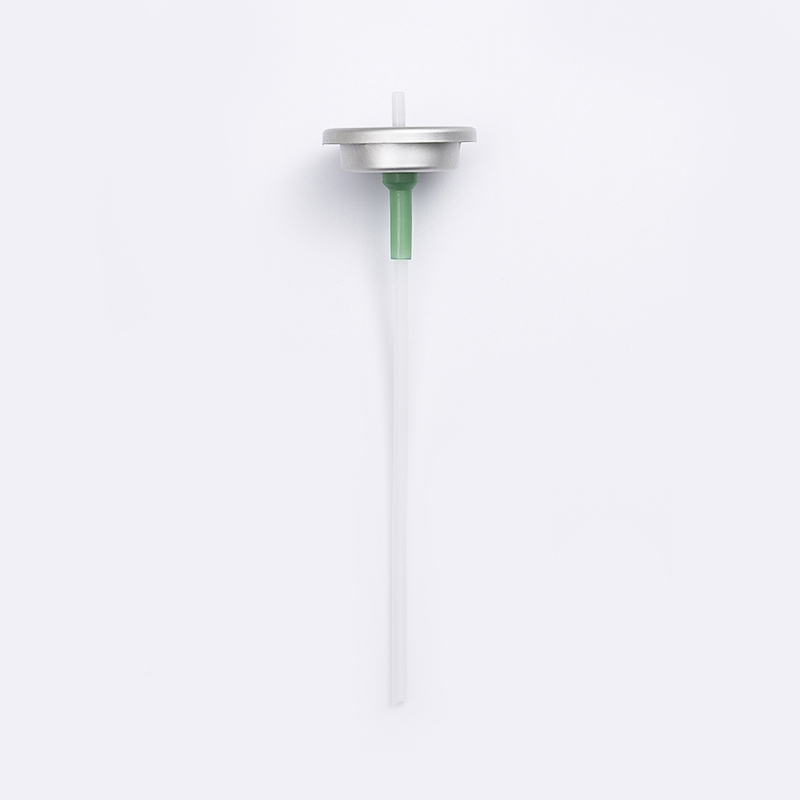
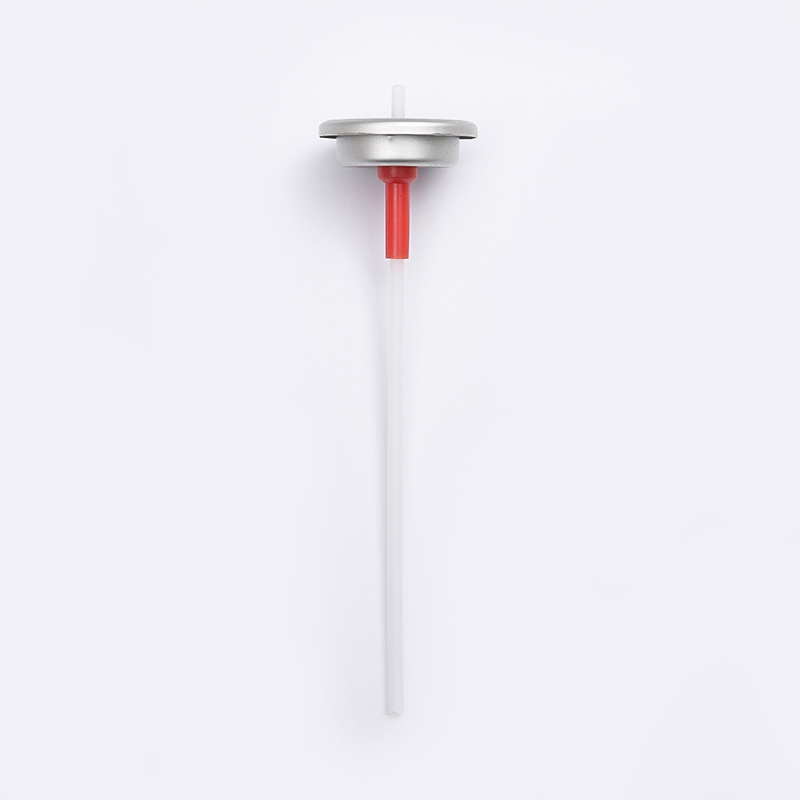
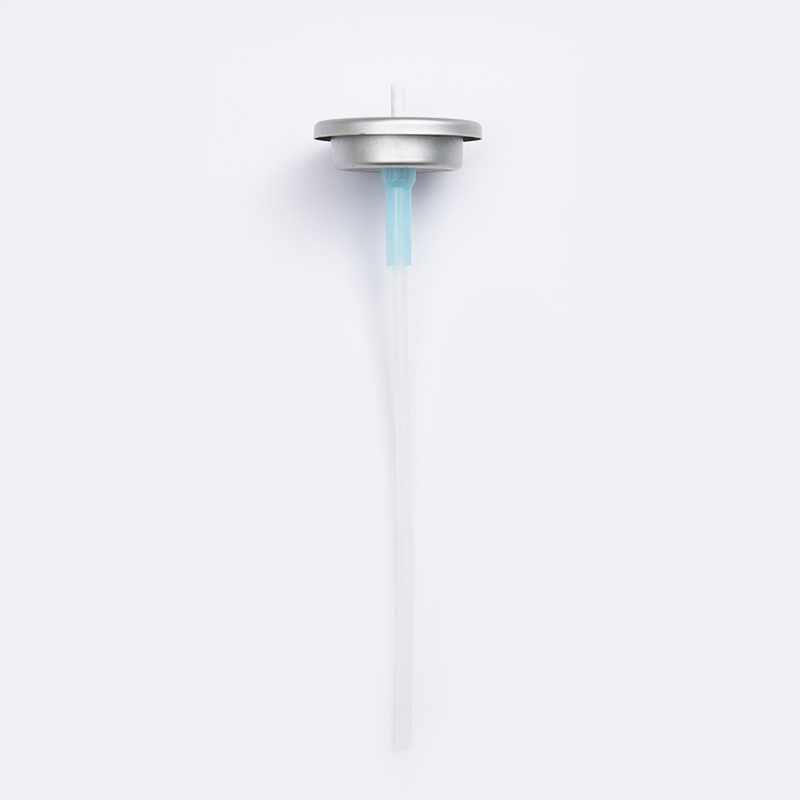
Color coding represents another valuable customization option for industrial environments. Maintenance departments often utilize multiple lubricant types within the same facility, each requiring specific application protocols. Actuators molded in distinct colors enable rapid visual identification, reducing the risk of cross-contamination or inappropriate lubricant application. Custom color matching services allow alignment with corporate branding requirements or safety color standards already established within the facility.
Regulatory Compliance and Safety Standards
Industrial lubricant packaging must comply with various regulatory frameworks depending on the geographic market and specific application. The Department of Transportation (DOT) establishes requirements for pressurized containers used in commercial transportation, including specifications for valve integrity and pressure resistance. Actuators integrated into DOT-compliant systems must demonstrate structural integrity under elevated temperature conditions and pressure cycling tests.
For industrial environments subject to OSHA regulations, actuator design features may impact workplace safety compliance. Child-resistant actuator mechanisms prevent unauthorized access to potentially hazardous lubricant formulations, while ergonomic designs reduce repetitive strain injury risks among maintenance personnel. Buyers should request compliance documentation verifying that actuator designs meet applicable safety standards for their intended deployment environments.
Technical Performance Characteristics
Flow Dynamics and Pressure Management
The internal geometry of L-shaped actuators creates unique flow dynamics that influence dispensing performance. As pressurized lubricant travels through the 90-degree bend, the fluid experiences controlled directional change that affects velocity profiles and droplet formation. Computational fluid dynamics modeling demonstrates that well-designed L-shaped actuators minimize pressure drop while maintaining laminar flow characteristics where beneficial, or introducing controlled turbulence to enhance atomization when required.
Pressure management represents a critical consideration for industrial lubricant applications. Aerosol canisters for industrial products typically operate at pressures between 0.5 MPa and 1.0 MPa (5 to 10 bar). The actuator must maintain structural integrity across this pressure range while providing consistent actuation force that does not vary significantly with temperature fluctuations. PP and PE materials exhibit favorable pressure-temperature relationships within normal operating ranges, ensuring that actuation force remains predictable from initial use through final dispensing.
Wear Resistance and Lifecycle Durability
Industrial lubricant actuators must withstand repeated actuation cycles without degradation of performance characteristics. Quality PP and PE formulations provide excellent fatigue resistance, maintaining dimensional stability through thousands of compression cycles. The material's inherent lubricity reduces friction between moving components, minimizing wear on the valve stem interface and preserving smooth actuation feel throughout the product lifecycle.
Environmental stress cracking represents a potential failure mode for plastic actuators exposed to aggressive chemicals over extended periods. However, both PP and PE demonstrate superior stress crack resistance compared to alternative thermoplastics, particularly when formulated with appropriate stabilizers and processing aids. This resistance ensures that actuators maintain seal integrity even when stored in challenging industrial environments where temperature fluctuations and chemical exposure may occur.
Compatibility with High-Viscosity Formulations
Industrial lubricants span a wide viscosity range, from light penetrating oils to heavy gear lubricants and greases. The L-shaped actuator design accommodates this viscosity variation through adaptable internal geometry and orifice sizing. High-viscosity formulations require larger flow channels to prevent flow restriction and ensure complete evacuation of the metering chamber between actuations. The 90-degree bend in the L-shaped design can actually facilitate the movement of viscous materials by creating momentum changes that help overcome fluid inertia.
Table 1 presents typical viscosity ranges and corresponding actuator specifications for industrial lubricant applications:
| Lubricant Type | Viscosity Range (cSt) | Recommended Orifice (mm) | Spray Pattern |
| Penetrating Oil | 10-30 | 0.4-0.6 | Fine Mist |
| Machine Oil | 32-100 | 0.6-0.8 | Coarse Spray |
| Gear Lubricant | 150-460 | 0.8-1.0 | Directed Stream |
| Heavy Grease | 1000+ | 1.0-1.2 | Gel/Stream |
Industrial Application Scenarios
Manufacturing Equipment Maintenance
Manufacturing facilities rely on L-shaped actuators for routine maintenance of production machinery. Conveyor systems, packaging equipment, and automated assembly lines feature numerous lubrication points that require regular attention. The angular spray capability enables maintenance technicians to reach bearings and pivot points located behind guards, between rollers, or within enclosed housings. This accessibility reduces the need for equipment disassembly during routine lubrication, minimizing production downtime and improving maintenance efficiency.
The metered dosing capability proves particularly valuable in manufacturing environments where over-lubrication creates product contamination risks. Food processing equipment, pharmaceutical manufacturing lines, and electronics assembly systems require precise lubricant application that does not exceed specified quantities. L-shaped actuators with integrated metering chambers deliver consistent doses that meet maintenance specifications without excess that could migrate into sensitive product zones.
Automotive and Transportation Applications
The automotive industry represents a significant market for industrial lubricant actuators, with applications spanning manufacturing, maintenance, and repair operations. Vehicle assembly plants utilize aerosol lubricants with L-shaped actuators for initial lubrication of chassis components, door hinges, and hood latches. The directional spray capability enables application to mounting points and connection interfaces that would be difficult to reach with conventional spray nozzles.
Aftermarket automotive maintenance products leverage L-shaped actuators for consumer and professional applications. Penetrating lubricants, rust inhibitors, and chain lubricants benefit from the controlled application patterns that prevent overspray onto painted surfaces or brake components. The PP and PE construction resists the petroleum distillates and solvent carriers common in automotive formulations, ensuring product integrity throughout the distribution chain and consumer use period.
Heavy Machinery and Construction Equipment
Construction and mining equipment operate in harsh environments where reliable lubrication proves essential for equipment longevity. L-shaped actuators enable field maintenance personnel to apply lubricants to excavator pins, loader pivot points, and crane bearings even when equipment positioning limits direct access. The robust PP and PE construction withstands the temperature extremes, dust exposure, and mechanical stress encountered in construction environments.
High-pressure lubricant formulations used in heavy equipment applications require actuators capable of handling elevated dispensing pressures. The structural design of quality L-shaped actuators incorporates reinforced wall sections and optimized stress distribution patterns that prevent deformation under pressure. This structural integrity ensures that the actuator maintains consistent spray characteristics even when dispensing thick, high-viscosity lubricants through small orifices.
Aerospace and Precision Equipment
Aerospace maintenance operations demand lubricant application precision that L-shaped actuators with metered dosing can provide. Aircraft control surfaces, landing gear mechanisms, and engine components require exact lubricant quantities applied to specific points without contamination of surrounding areas. The directional control offered by L-shaped designs enables application to hinge points and bearing races while avoiding sensitive avionics or pneumatic systems.
The chemical compatibility of PP and PE materials extends to the specialized synthetic lubricants required for aerospace applications. These formulations often contain ester-based carriers and additive packages that could degrade incompatible materials. The inert nature of polypropylene and polyethylene ensures that the actuator does not react with these sophisticated lubricant chemistries, maintaining both the actuator integrity and the lubricant performance characteristics.
Comparative Analysis: L-Shaped vs. Conventional Actuator Designs
Performance Metrics and User Experience
Direct comparison between L-shaped and straight actuators reveals distinct performance profiles suited to different application scenarios. The following comparison table summarizes key performance characteristics:
| Performance Parameter | L-Shaped Actuator | Straight Actuator |
| Access to Confined Spaces | Excellent - 90-degree directional capability | Limited - Vertical spray only |
| Ergonomic Comfort | Superior - Natural wrist positioning | Standard - Requires wrist adjustment |
| Spray Pattern Control | Enhanced - Directional stability | Basic - Gravity dependent |
| Manufacturing Complexity | Moderate - Requires angled molding | Simple - Linear construction |
| Cost Position | Premium - Specialized tooling required | Economy - Mass production optimized |
Selection Criteria for Industrial Applications
The decision between L-shaped and conventional actuators should be based on specific application requirements rather than general preferences. L-shaped configurations provide clear advantages when:
- Application targets are located in recessed or angled positions relative to the operator
- Maintenance operations require extended spraying periods where ergonomic comfort impacts productivity
- Precise directional control is necessary to avoid overspray onto sensitive components
- Equipment geometry prevents vertical canister orientation during application
- Multiple lubrication points with varying orientations must be serviced from a single access position
Conversely, straight actuators may prove adequate for applications involving open surfaces, vertical downward spraying, or cost-sensitive products where the premium for L-shaped tooling cannot be justified. Industrial buyers should conduct application testing with both configurations to determine the optimal balance of performance and cost for their specific use cases.
Sustainability and Environmental Considerations
Material Recyclability and Environmental Impact
The environmental profile of PP and PE materials offers sustainability advantages increasingly important to industrial procurement policies. Both polypropylene and polyethylene are 100% recyclable through established mechanical and chemical recycling processes. Mechanical recycling grinds post-consumer and post-industrial plastic into pellets suitable for reprocessing into new products. Advanced chemical recycling technologies can break these polymers down to monomer form for true closed-loop recycling that maintains virgin-grade material properties.
The lightweight nature of plastic actuators compared to metal alternatives reduces transportation-related carbon emissions throughout the supply chain. PP and PE densities range from 0.90 to 0.96 g/cm³, significantly lower than aluminum (2.7 g/cm³) or brass (8.4 g/cm³) alternatives. This weight reduction translates to lower fuel consumption during product distribution and easier handling for end users, contributing to overall lifecycle sustainability improvements.
Product Longevity and Waste Reduction
The durability of quality L-shaped actuators contributes to waste reduction by ensuring complete evacuation of lubricant products without premature failure. Actuators that maintain seal integrity and consistent spray patterns throughout the entire product lifecycle prevent the waste associated with partially used containers that must be discarded due to valve malfunction. This reliability ensures that both the lubricant product and the packaging components achieve their full useful life before recycling or disposal.
Metered dosing capabilities further support waste reduction objectives by preventing over-application of lubricant products. Industrial facilities implementing precision lubrication programs report significant reductions in lubricant consumption compared to conventional application methods. This consumption reduction decreases both product costs and the environmental burden associated with lubricant production, transportation, and eventual disposal or recycling.
Installation and Operational Guidelines
Proper Actuator Attachment and Compatibility Verification
Successful implementation of L-shaped actuators requires attention to valve stem compatibility and proper attachment procedures. The actuator must match the valve stem diameter and configuration specific to the aerosol valve being utilized. Common stem diameters include 20mm and 25mm configurations, with corresponding actuator snap-fit or press-fit designs. Improper matching between actuator and valve stem can result in leakage, inconsistent spray patterns, or actuator ejection during use.
Prior to full-scale production, compatibility testing should verify that the L-shaped actuator performs appropriately with the specific lubricant formulation and propellant system. Testing protocols should include spray pattern analysis, actuation force measurement, seal integrity verification under temperature cycling, and shelf-life stability assessment. These validation steps prevent field failures and ensure that the actuator-lubricant combination meets performance specifications throughout the intended product lifecycle.
Storage and Handling Recommendations
While PP and PE materials offer excellent chemical resistance, proper storage conditions extend actuator shelf life and maintain performance characteristics. Storage temperatures should remain within the material's recommended range, avoiding prolonged exposure to temperatures exceeding 140°F (60°C) that could cause dimensional changes or material degradation. UV exposure should be minimized through appropriate packaging or storage in enclosed facilities, as ultraviolet radiation can initiate polymer chain degradation over extended periods.
Bulk storage of actuators should prevent compression or deformation that could affect snap-fit functionality. Individual packaging or compartmentalized storage containers maintain actuator geometry and prevent contamination of the internal flow channels. Quality suppliers typically deliver actuators in sealed polyethylene bags within corrugated containers, providing protection from environmental contaminants and physical damage during transportation and warehouse storage.
Frequently Asked Questions
Q1: What makes the L-shaped actuator design superior for industrial lubricant applications compared to standard vertical actuators?
The L-shaped actuator provides directional spray capability that enables application to recessed or angled lubrication points inaccessible to vertical actuators. The 90-degree geometry allows maintenance personnel to reach bearings, pivot points, and channels located behind equipment guards or within complex machinery assemblies. Additionally, the ergonomic design reduces wrist strain during extended maintenance operations, improving technician comfort and application precision.
Q2: Why are PP and PE materials specifically recommended for industrial lubricant actuators?
Polypropylene and polyethylene offer exceptional chemical resistance to the petroleum-based and synthetic lubricants commonly used in industrial applications. These materials resist swelling, cracking, and permeation when exposed to aliphatic hydrocarbons, esters, and additive packages found in industrial formulations. Additionally, PP and PE maintain structural integrity across the temperature ranges typical of industrial environments (-4°F to 195°F for PP) while providing excellent fatigue resistance for thousands of actuation cycles.
Q3: Can L-shaped actuators accommodate high-viscosity lubricants such as heavy gear oils and greases?
Yes, L-shaped actuators can be configured for high-viscosity formulations through appropriate orifice sizing and internal geometry optimization. Orifice diameters ranging from 0.8mm to 1.2mm accommodate viscosities exceeding 1000 cSt, while the 90-degree flow path can actually facilitate viscous material movement through controlled momentum changes. For extremely heavy formulations, specialized actuator designs with reinforced construction and larger flow channels ensure consistent dispensing without clogging or excessive actuation force requirements.
Q4: How does metered dosing capability benefit industrial lubricant applications?
Metered dosing delivers consistent lubricant quantities (typically 25-100 microliters per actuation) that prevent both under-lubrication and over-lubrication. This precision ensures adequate equipment protection while eliminating excess product that could attract contaminants, create slip hazards, or migrate into sensitive product zones. For manufacturing environments with strict lubrication protocols, metered actuators provide the dosage consistency required for compliance with maintenance specifications and quality standards.
Q5: What quality certifications should industrial buyers require from L-shaped actuator suppliers?
Industrial buyers should verify ISO 9001 certification for quality management systems and request material certification reports documenting PP or PE composition and chemical resistance properties. For applications involving DOT-regulated transportation, compliance documentation verifying pressure resistance and temperature stability is essential. Additional certifications may include ISO 13485 for medical-adjacent applications, FDA compliance for food-processing environments, and specific industry standards relevant to the intended application sector.
Q6: Are L-shaped actuators recyclable at end of product life?
Yes, PP and PE actuators are fully recyclable through both mechanical and chemical recycling processes. Mechanical recycling involves grinding post-consumer actuators into pellets suitable for reprocessing into new plastic products. Advanced chemical recycling can break these polymers down to monomer form for closed-loop recycling that maintains virgin-grade material properties. The recyclability of these thermoplastic materials supports corporate sustainability objectives and circular economy initiatives increasingly important in industrial procurement policies.
Q7: What factors determine the optimal orifice size for a specific lubricant application?
Orifice selection depends primarily on lubricant viscosity, desired spray pattern, and propellant pressure. Light penetrating oils (10-30 cSt) perform well with 0.4-0.6mm orifices producing fine mist patterns. Medium machine oils (32-100 cSt) require 0.6-0.8mm orifices for coarse spray delivery. Heavy gear lubricants (150-460 cSt) need 0.8-1.0mm orifices to produce directed streams, while thick greases (1000+ cSt) require 1.0-1.2mm orifices to prevent clogging and ensure complete dispensing. Application testing with prototype configurations validates optimal orifice selection for specific formulations.
Q8: How do L-shaped actuators perform in extreme temperature industrial environments?
Quality PP and PE actuators maintain performance across broad temperature ranges, with polypropylene rated for -4°F to 195°F and polyethylene formulations extending to even lower temperatures while maintaining impact resistance. In high-temperature environments near operating machinery, these materials resist deformation that could compromise seal integrity or spray accuracy. Cold-weather applications benefit from the inherent toughness of these polymers, which resist brittleness and maintain consistent actuation force even at sub-freezing temperatures. For extreme temperature applications beyond standard ranges, specialized material formulations with enhanced stabilizers may be recommended.