English
 中文简体
中文简体 Español
 عربى
عربى
The plastic aerosol perfume valve actuator is a crucial component in modern aerosol packaging, providing both user convenience and controlled dispensing of liquid products. Ensuring the actuator functions properly without leaks is essential to maintain product integrity, consumer safety, and environmental compliance.
Understanding plastic aerosol perfume valve actuator leaks
Leaks in a plastic aerosol perfume valve actuator can occur due to multiple factors, including material defects, improper assembly, or external stress on the actuator components. Leaks may manifest as slow seepage, inconsistent spray output, or complete product loss, which can affect customer experience and increase wastage. To effectively troubleshoot leaks, it is necessary to first understand the internal structure and working principle of the actuator.
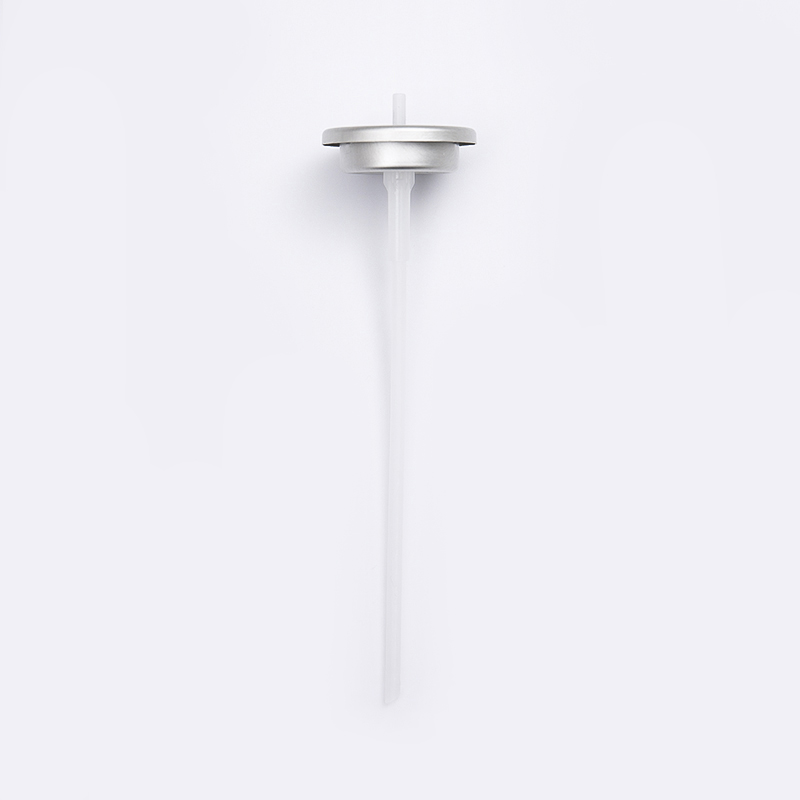
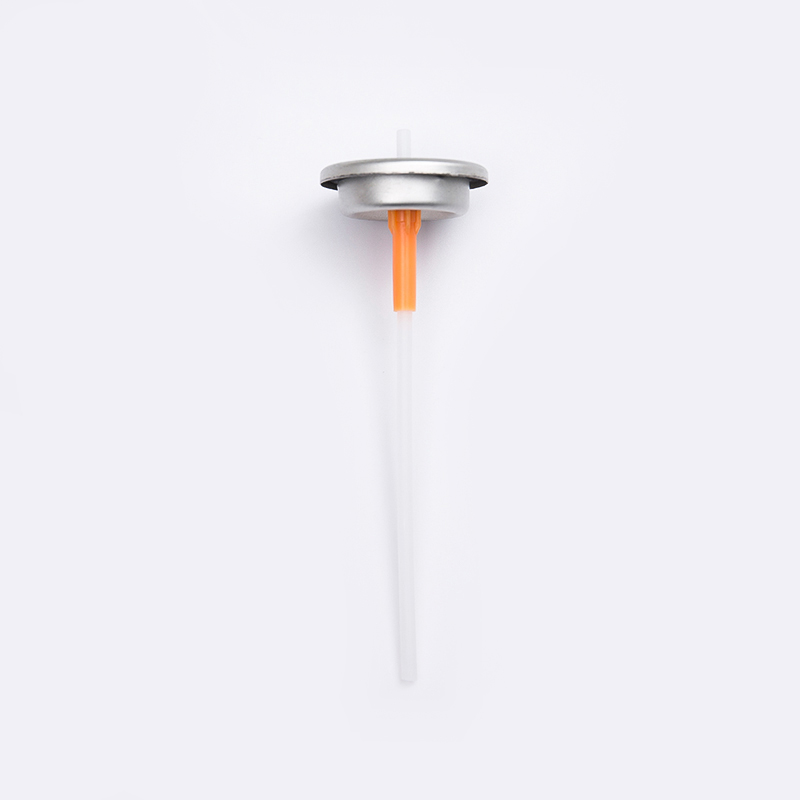
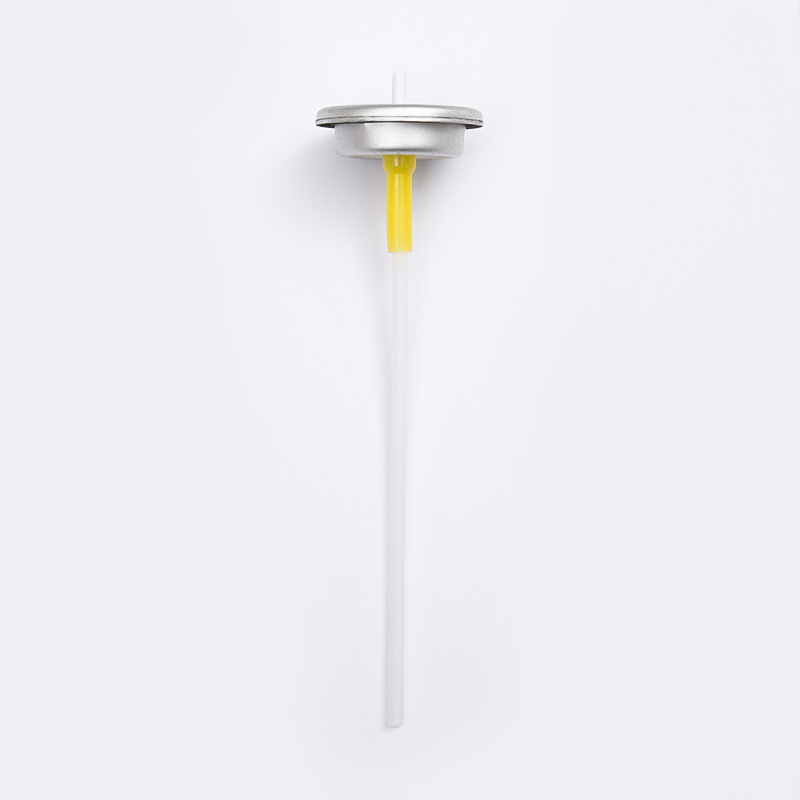
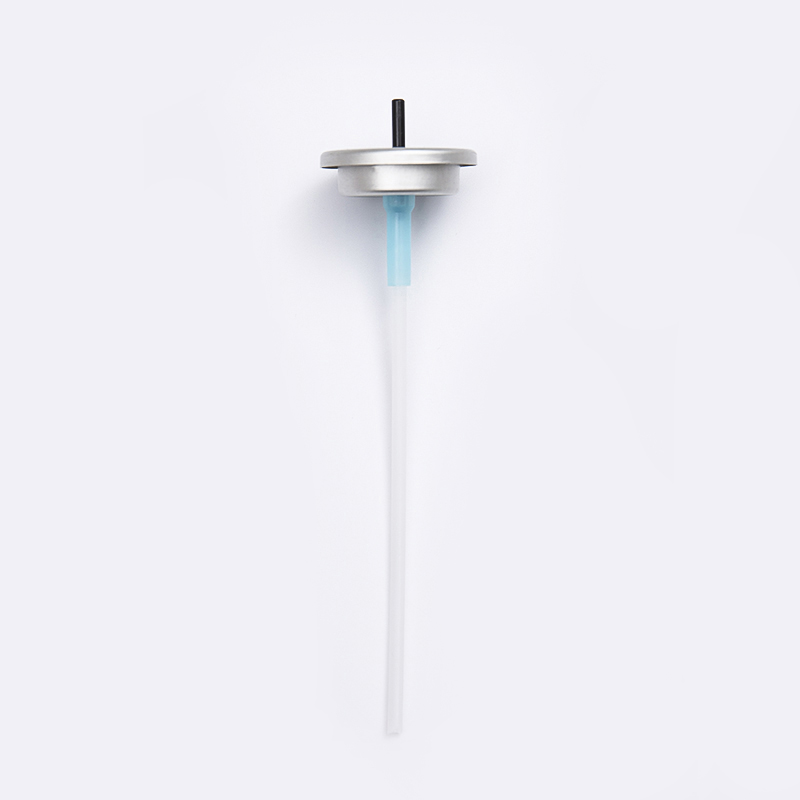
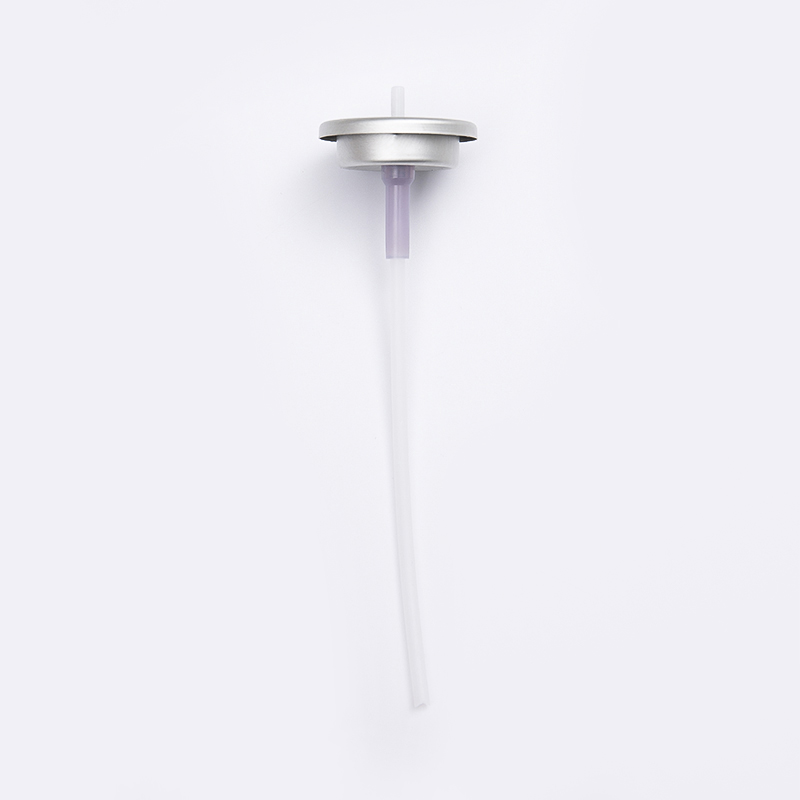
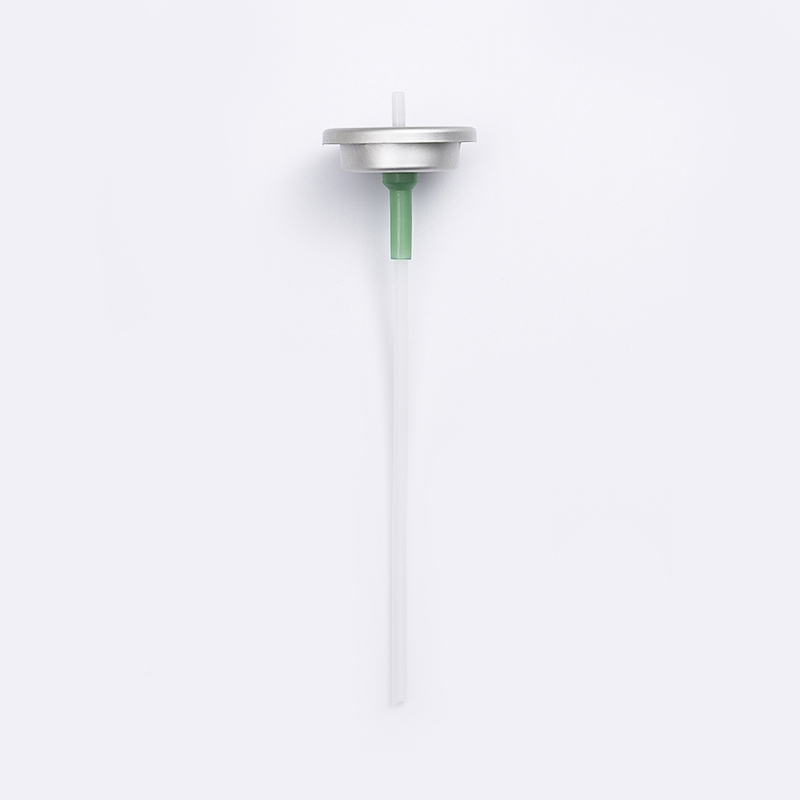
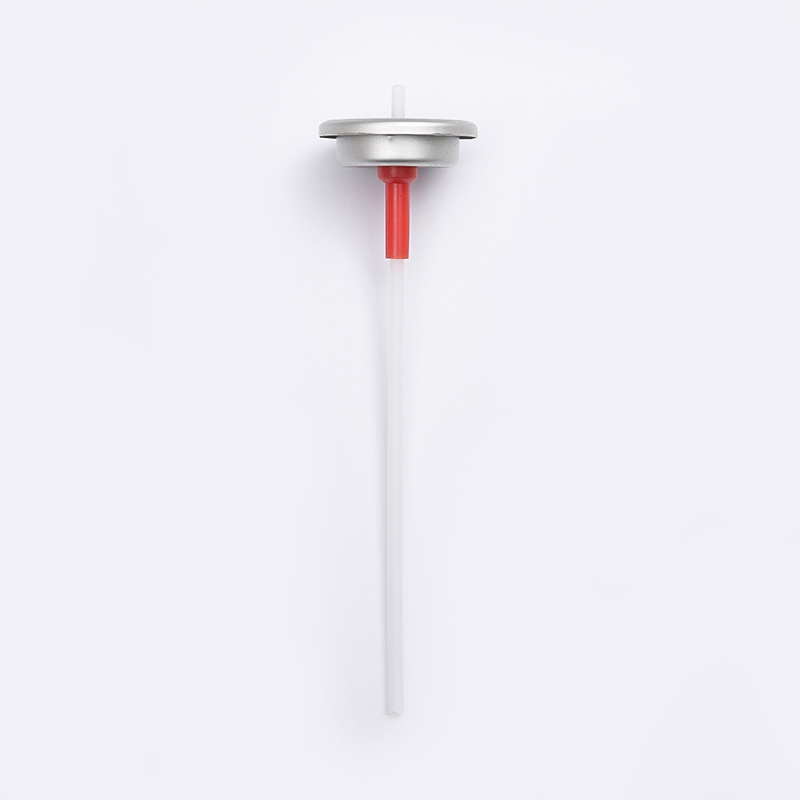
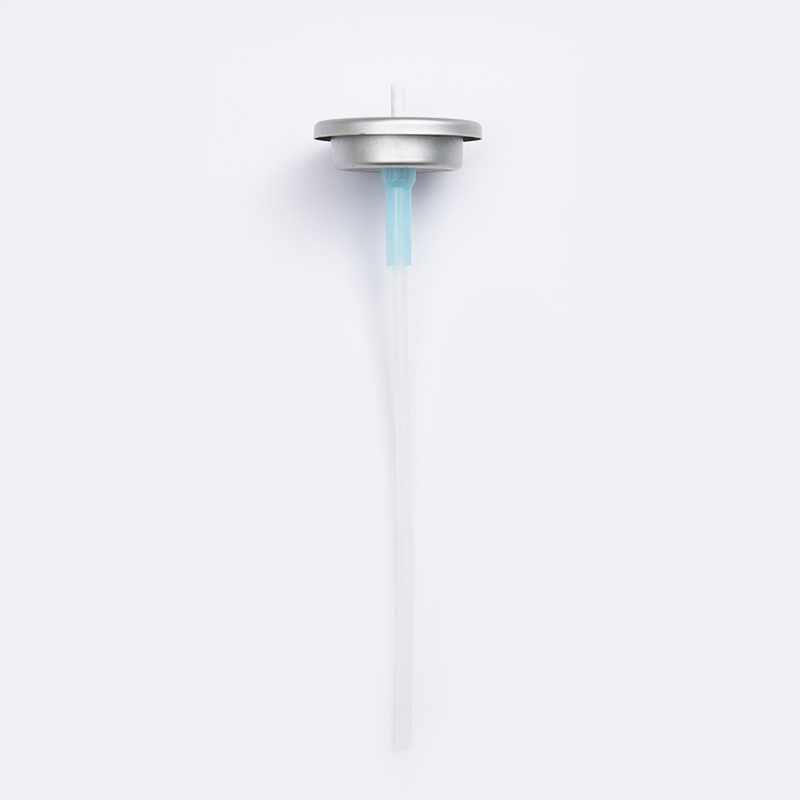
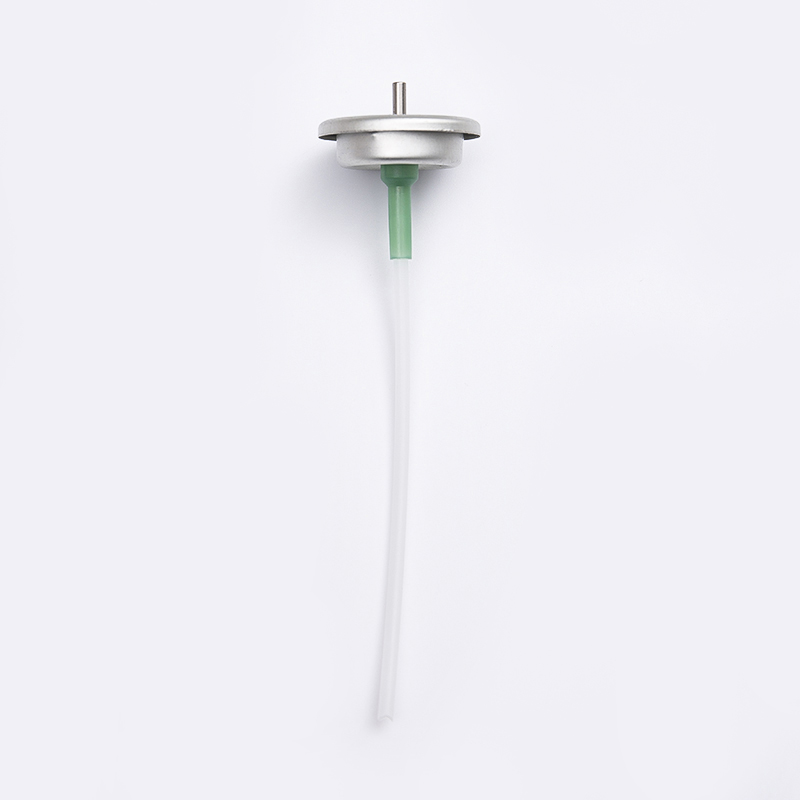
A typical plastic aerosol perfume valve actuator consists of a nozzle, dip tube, valve stem, spring, and sealing components. These parts work together to create a controlled flow of perfume from the container. The valve stem and spring provide the mechanical force required to open and close the valve, while sealing gaskets and O-rings prevent product leakage when the actuator is not in use.
Common causes of leaks in plastic aerosol perfume valve actuator
Several common causes can lead to leaks in the plastic aerosol perfume valve actuator. Identifying the root cause is the first step toward troubleshooting. The table below summarizes frequent leak causes and their typical manifestations:
| Leak Cause | Symptoms | Potential Solution |
|---|---|---|
| Damaged or misaligned O-ring | Continuous dripping or seepage from nozzle | Replace O-ring, ensure proper alignment during assembly |
| Cracks in plastic components | Visible fluid escape around the actuator body | Inspect for material defects, replace cracked parts |
| Improper actuator installation | Irregular spray patterns, leakage at the base | Reassemble actuator following manufacturer specifications |
| Clogging in nozzle or dip tube | Partial leaks or weak spray output | Clean or replace nozzle/dip tube |
| Excessive internal pressure | Sudden bursts or spurting | Verify container pressure, adjust valve calibration if possible |
Understanding these causes helps technicians and packaging engineers apply targeted solutions rather than relying on trial-and-error fixes.
Step-by-step troubleshooting guide
The troubleshooting process for a leaking plastic aerosol perfume valve actuator involves several stages: inspection, cleaning, component replacement, and testing. Each step must be conducted systematically to avoid further damage to the actuator.
Inspection
Begin by visually inspecting the actuator and surrounding components. Look for signs of cracks, worn seals, or deformation in the plastic parts. Additionally, check for:
- Misalignment of the actuator with the container opening
- Presence of residue or dried perfume around the nozzle
- Signs of stress or fatigue in the plastic material
Using magnification tools can help detect micro-cracks or small leaks that may not be visible to the naked eye. Documenting the observed issues is recommended for future reference.
Cleaning
Residue buildup is a common contributor to leaks. Perfume formulations containing oils or alcohols can leave deposits that interfere with the valve stem and nozzle. Cleaning involves:
- Removing the actuator carefully from the container
- Soaking components in a mild cleaning solution compatible with plastic
- Using soft brushes or air pressure to remove blockages from the nozzle and dip tube
Proper cleaning ensures smooth operation and may resolve leaks caused by minor clogs.
Component replacement
If leaks persist after inspection and cleaning, replacement of defective components is necessary. Key parts to check include:
- O-rings and gaskets: Replace worn or damaged seals to restore proper sealing
- Valve stem and spring: Ensure spring tension is correct and valve stem moves freely
- Nozzle and actuator body: Replace cracked or deformed plastic components
Using compatible replacement parts is essential to maintain actuator performance and prevent recurring leaks.
Testing
After maintenance or component replacement, the actuator must be tested under controlled conditions. Testing procedures include:
- Activating the actuator multiple times to verify consistent spray pattern
- Observing for slow seepage or dripping over a period of several hours
- Evaluating performance under expected storage and usage temperatures
Documenting test results allows quality assurance teams to ensure compliance with industry standards and consumer expectations.
Preventive measures for leak-free operation
To minimize the risk of leaks in plastic aerosol perfume valve actuator, proactive measures are essential. These include:
- Selecting high-quality actuator materials resistant to stress and chemical degradation
- Ensuring precise assembly and alignment during production
- Conducting routine quality checks for micro-cracks or seal wear
- Using compatible perfume formulations that do not degrade plastic or O-ring materials
- Implementing standardized pressure testing before product release
These practices not only improve actuator reliability but also extend product shelf life and reduce customer complaints.
Material considerations
The selection of materials for plastic aerosol perfume valve actuator plays a critical role in leak prevention. Commonly used materials include:
| Material | Advantages | Considerations |
|---|---|---|
| Polypropylene (PP) | High chemical resistance, flexible | May deform under extreme temperature |
| Polyethylene (PE) | Durable, lightweight | Susceptible to creep under long-term stress |
| Polyoxymethylene (POM) | High mechanical strength, low friction | Requires precise molding to avoid cracks |
| Silicone for O-rings | Excellent sealing, elastic | May react with certain perfumes |
Understanding material properties allows designers to select components that withstand environmental conditions and reduce leak risks.
Integration with packaging systems
Leaks in plastic aerosol perfume valve actuator can also result from interaction with the container or filling system. Proper integration involves:
- Ensuring the actuator fits securely with the container neck finish
- Verifying that filling pressures do not exceed actuator design limits
- Checking compatibility with PET or glass bottles, depending on application
Effective integration reduces the potential for leaks caused by misalignment or overpressure.
Quality control and industry standards
Quality assurance is critical for ensuring leak-free operation. Standard testing methods for plastic aerosol perfume valve actuator include:
- Leak detection under vacuum or pressure conditions
- Spray pattern consistency tests
- Durability cycling to simulate repeated use
These tests ensure that actuators meet regulatory requirements and consumer expectations. Regular audits of component suppliers further reduce the likelihood of defective parts causing leaks.
Advanced troubleshooting considerations
For complex cases, advanced troubleshooting may be necessary. Factors to examine include:
- Chemical compatibility between actuator materials and specific perfume ingredients
- Thermal expansion effects on O-ring compression and valve seating
- Interaction between actuator spring tension and spray viscosity
By systematically evaluating these factors, engineers can identify subtle sources of leakage that are not immediately visible.
Conclusion
Leaks in a plastic aerosol perfume valve actuator compromise product integrity, user satisfaction, and operational efficiency. Effective troubleshooting requires systematic inspection, cleaning, component replacement, and testing, supported by proper material selection, quality control, and preventive measures.
Frequently Asked Questions (FAQ)
Q1: Can all leaks in plastic aerosol perfume valve actuator be fixed without replacing parts?
A1: Minor leaks due to residue or minor misalignment can sometimes be resolved by cleaning and repositioning. However, leaks caused by damaged O-rings, cracks, or deformed components generally require replacement.
Q2: How often should plastic aerosol perfume valve actuator be inspected for leaks?
A2: Regular inspections are recommended during production and before product release. For high-volume production, periodic sampling every batch is standard practice.
Q3: Are there specific cleaning agents safe for plastic aerosol perfume valve actuator?
A3: Cleaning solutions must be compatible with plastic materials and should not degrade O-rings or actuator components. Mild alcohol-based solutions are commonly used.
Q4: Can changing the perfume formulation prevent actuator leaks?
A4: Using formulations that are chemically compatible with actuator materials can reduce degradation and prolong seal integrity. High alcohol content or essential oils may require material adjustments.
Q5: How does temperature affect leak potential in plastic aerosol perfume valve actuator?
A5: High temperatures can soften plastic and reduce O-ring compression, increasing leak risk. Cold temperatures can make materials brittle, also leading to cracks or malfunction.
References
- Smith, J. (2020). Aerosol Valve Design and Performance Standards. Packaging Technology Journal.
- Chen, L. (2021). Materials for Leak-Proof Plastic Actuators in Perfume Packaging. Journal of Cosmetic Science.
- International Organization for Standardization (ISO). (2019). Aerosol Dispenser Testing Methods – ISO 9001 Guidelines.