English
 中文简体
中文简体 Español
 عربى
عربى
Ensuring the safety and reliability of a BBQ Stove gas aerosol red cap is essential for both consumers and manufacturers. Overpressure in these devices can pose significant risks, including accidental discharge, container rupture, or operational failure.
Introduction to BBQ Stove gas aerosol red cap safety
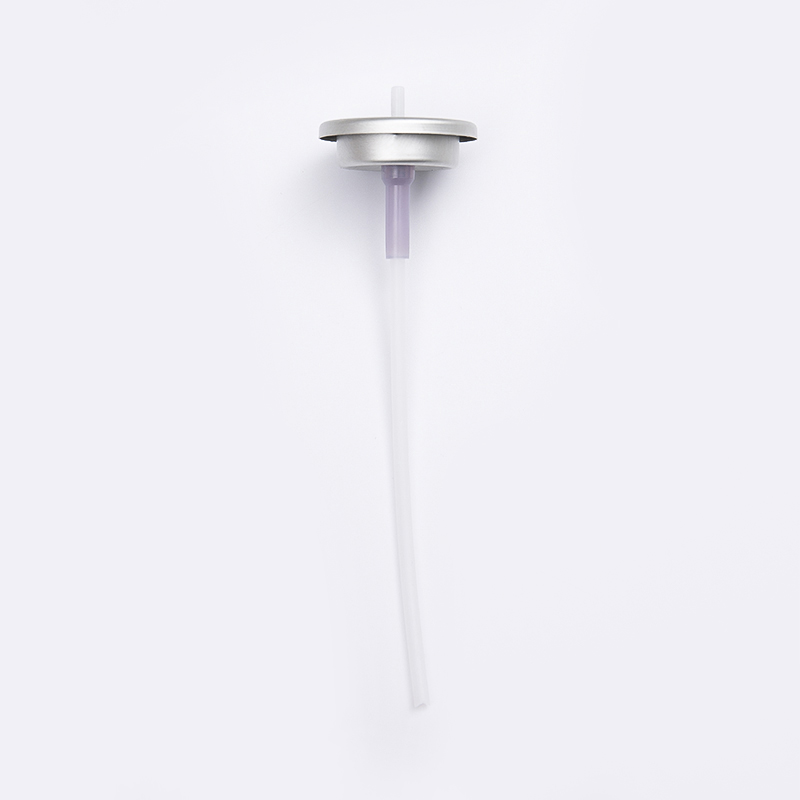
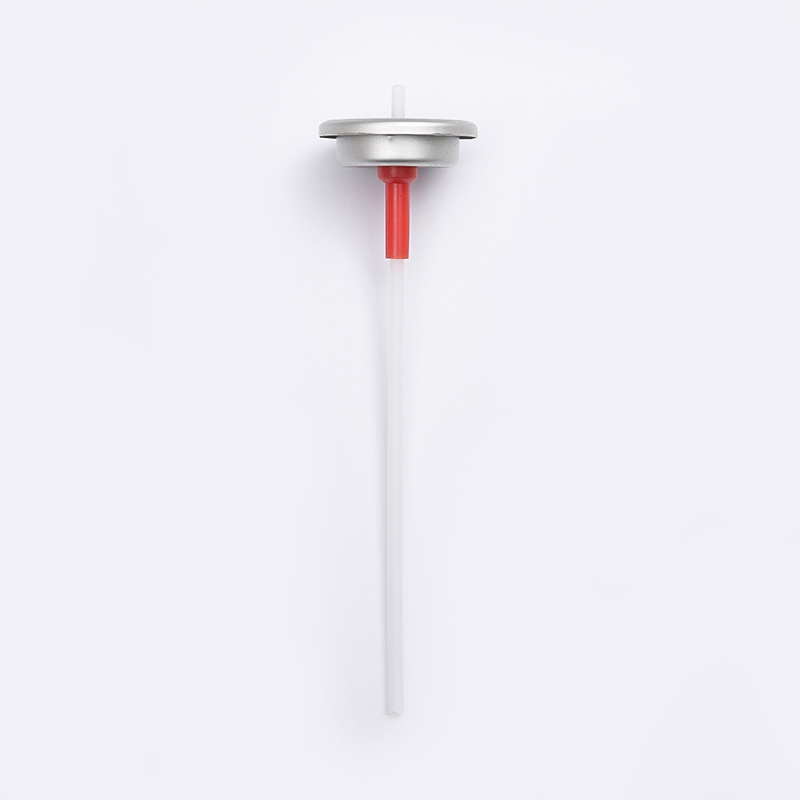
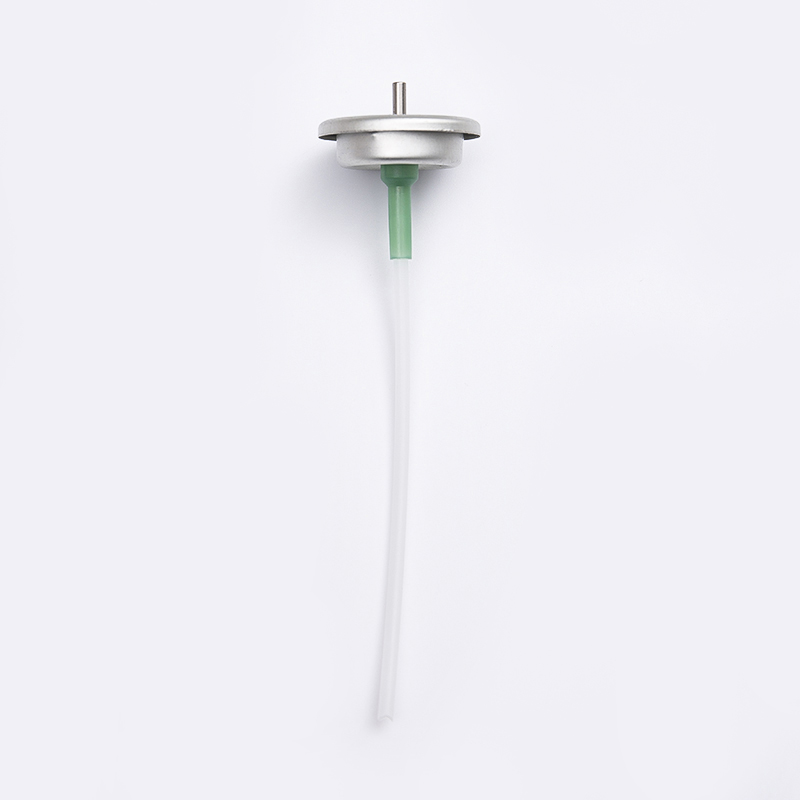
A BBQ Stove gas aerosol red cap is a commonly used device designed to supply combustible gas to grills and stoves efficiently. Due to the pressurized nature of these containers, maintaining safe operating conditions is critical. Overpressure prevention is not only a technical requirement but also an essential aspect of product safety compliance. Understanding the factors that contribute to overpressure and the methods used to prevent it is crucial for manufacturers, distributors, and end-users.
In addition to safety, effective overpressure prevention directly impacts product reliability and consumer confidence. By exploring the design features, materials, and regulatory requirements, this article provides a thorough understanding of how overpressure is managed in these devices.
Design principles for overpressure prevention
Valve and nozzle design
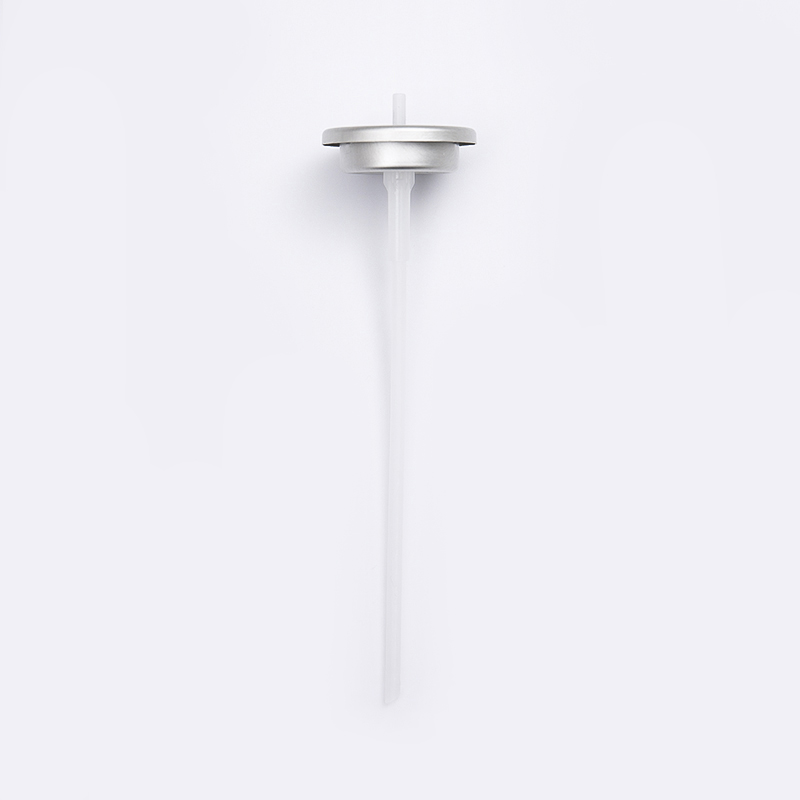
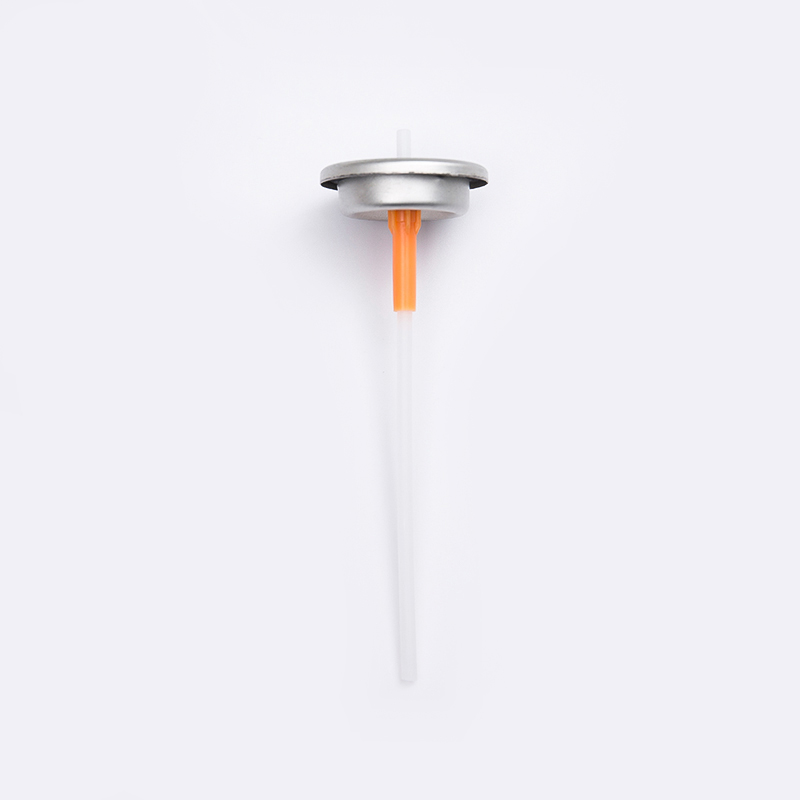
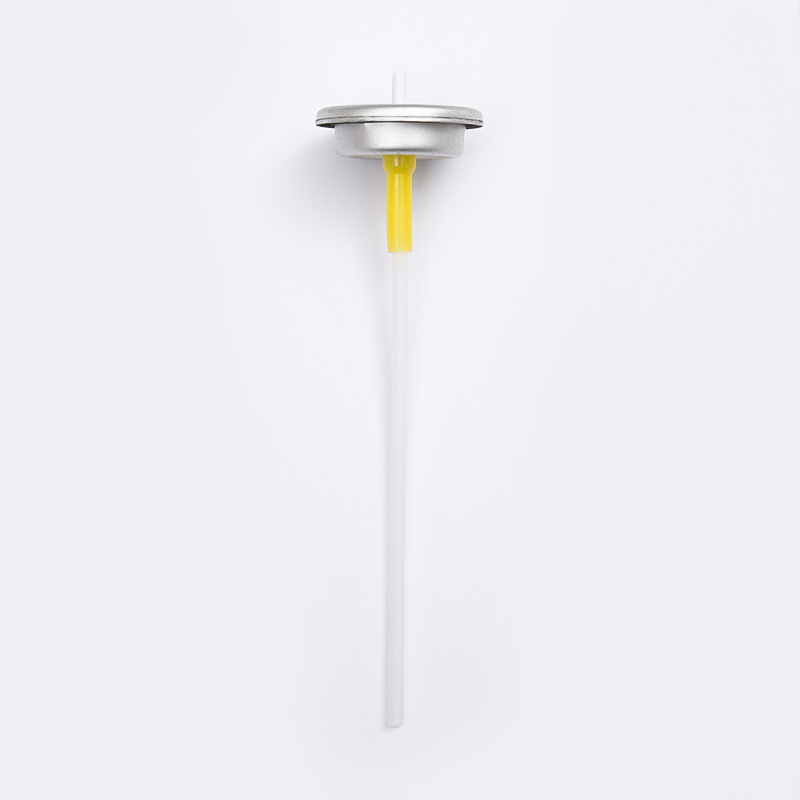
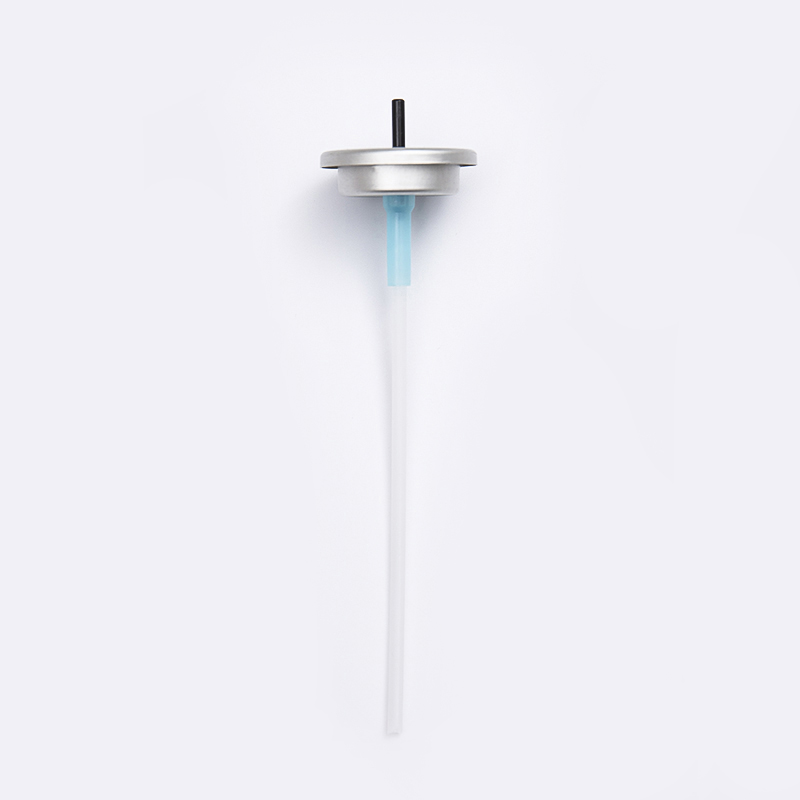
The primary line of defense against overpressure in a BBQ Stove gas aerosol red cap is the design of its valve and nozzle system. The valve is engineered to release gas only when a specific pressure threshold is reached, ensuring that excess pressure does not accumulate within the container.
Key features include:
- Pressure relief valves: These are calibrated to open automatically if internal pressure exceeds safe limits, venting gas in a controlled manner.
- Sealing mechanisms: High-quality seals prevent unintended gas leakage while allowing controlled release when necessary.
- Flow restrictors: These limit the maximum gas flow through the nozzle, preventing sudden pressure spikes during ignition.
The careful integration of these components ensures that the BBQ Stove gas aerosol red cap operates safely under a wide range of conditions.
Material selection
The materials used in a BBQ Stove gas aerosol red cap play a significant role in pressure management. High-strength metals and durable polymers are commonly employed to withstand internal pressure without deformation. Materials are also chosen for corrosion resistance, ensuring that environmental exposure does not weaken structural integrity over time.
For example, the cylinder walls are typically reinforced to endure the pressures generated by gas expansion due to temperature changes. Likewise, the nozzle and valve components are manufactured from materials that maintain dimensional stability under repeated use. Proper material selection directly reduces the likelihood of overpressure-related failures.
Temperature and environmental considerations
Temperature fluctuations can lead to pressure variations in a BBQ Stove gas aerosol red cap. Gas expansion at high temperatures increases internal pressure, while cold environments can affect the flow and viscosity of the gas.
Design strategies to address this include:
- Pressure venting systems that accommodate gradual increases in pressure caused by heat.
- Thermally resistant components that maintain performance across a wide temperature range.
- Protective housings that shield sensitive components from direct heat or sunlight.
By anticipating these environmental factors, manufacturers can ensure that overpressure prevention mechanisms remain effective under real-world conditions.
Regulatory and industry standards
Safety certifications
Compliance with regulatory standards is critical for preventing overpressure in a BBQ Stove gas aerosol red cap. Safety certifications often require pressure testing, leak detection, and verification of valve performance.
These standards may include:
- Maximum allowable working pressure specifications.
- Guidelines for pressure relief valve calibration.
- Mandatory durability testing to simulate extended usage and environmental exposure.
Adhering to these standards ensures that the product not only prevents overpressure but also meets legal safety requirements for distribution in various markets.
Quality control processes
Manufacturers implement rigorous quality control processes to ensure overpressure prevention features function reliably. These processes often involve:
- Batch testing of pressure valves to confirm accuracy.
- Inspection of sealing and material integrity.
- Simulated stress testing under varying temperature and pressure conditions.
Quality control ensures that each BBQ Stove gas aerosol red cap leaving the production line meets both safety and performance expectations.
Common causes of overpressure
Even with robust design, several factors can contribute to overpressure in a BBQ Stove gas aerosol red cap:
- Overfilling during production: Excessive gas volume increases internal pressure beyond safe limits.
- Exposure to extreme heat: Direct sunlight or high ambient temperatures can cause gas expansion.
- Blockage of relief mechanisms: Dirt, debris, or corrosion can obstruct pressure relief valves.
- Improper storage: Storing the container in confined spaces without ventilation can exacerbate pressure buildup.
Recognizing these factors allows both manufacturers and end-users to implement preventive measures effectively.
Operational guidelines for safe usage
Storage and handling
Proper storage and handling are crucial for preventing overpressure incidents. Recommendations for end-users include:
- Storing BBQ Stove gas aerosol red cap in a cool, ventilated area.
- Keeping containers away from direct sunlight and heat sources.
- Avoiding puncturing or tampering with the red cap.
Inspection before use
Regular inspection ensures that overpressure prevention mechanisms are operational. Users should check for:
- Damage or deformation to the container body.
- Dirt or blockage around the nozzle or valve.
- Signs of corrosion or wear on sealing components.
Routine inspection, combined with careful handling, reduces the likelihood of accidental overpressure release.
Technological innovations in overpressure prevention
Advanced pressure relief systems
Recent advancements in pressure relief technology have improved safety in BBQ Stove gas aerosol red cap products. Modern systems may feature:
- Multi-stage valves that provide controlled venting at incremental pressure levels.
- Self-resetting valves that close automatically after pressure is normalized.
- Integrated indicators that alert users when pressure thresholds are approached.
These innovations enhance both safety and user confidence, particularly in high-demand applications such as outdoor grilling.
Material and design improvements
Manufacturers continuously refine materials and structural designs to withstand higher pressures safely. These improvements include:
- Thinner yet stronger cylinder walls that reduce weight without compromising durability.
- Nozzle geometries that optimize gas flow and prevent sudden surges.
- Coatings and surface treatments that resist environmental degradation and maintain seal performance.
By integrating these innovations, BBQ Stove gas aerosol red cap products meet modern expectations for performance and safety.
Industry best practices
Manufacturing considerations
Best practices in manufacturing focus on preventing overpressure from the point of production. These include:
- Accurate filling systems to maintain correct gas volume.
- Precision assembly of valves and nozzles.
- Rigorous testing protocols for each batch produced.
Consumer education
Educating users is equally important. Providing clear usage instructions, storage guidelines, and safety warnings helps ensure that overpressure prevention features are used effectively. Proper consumer knowledge complements engineering controls, creating a holistic safety approach.
Summary of overpressure prevention strategies
| Strategy | Key Features | Benefits |
|---|---|---|
| Valve and nozzle design | Pressure relief, flow restriction, secure seals | Prevents sudden overpressure and accidental discharge |
| Material selection | High-strength metals, corrosion-resistant polymers | Maintains structural integrity under pressure and temperature changes |
| Temperature management | Thermal resistance, venting systems | Reduces pressure variation due to environmental factors |
| Regulatory compliance | Pressure testing, certifications | Ensures product meets safety and legal requirements |
| Operational guidelines | Proper storage, inspection, handling | Reduces user-related pressure hazards |
| Technological innovations | Multi-stage valves, self-resetting valves, indicators | Enhances safety and reliability |
Conclusion
Preventing overpressure in a BBQ Stove gas aerosol red cap is a complex task that integrates engineering design, material selection, regulatory compliance, and user education. From pressure relief valves and durable materials to temperature management and quality control, every aspect contributes to the safe operation of these devices.
For manufacturers, adherence to best practices and continuous innovation ensures that products meet safety standards while maintaining performance. For end-users, proper storage, inspection, and handling reduce the risks associated with overpressure.
Ultimately, a combination of advanced design, rigorous testing, and informed usage guarantees that BBQ Stove gas aerosol red cap products remain reliable, safe, and effective in providing controlled gas for grilling and other applications.